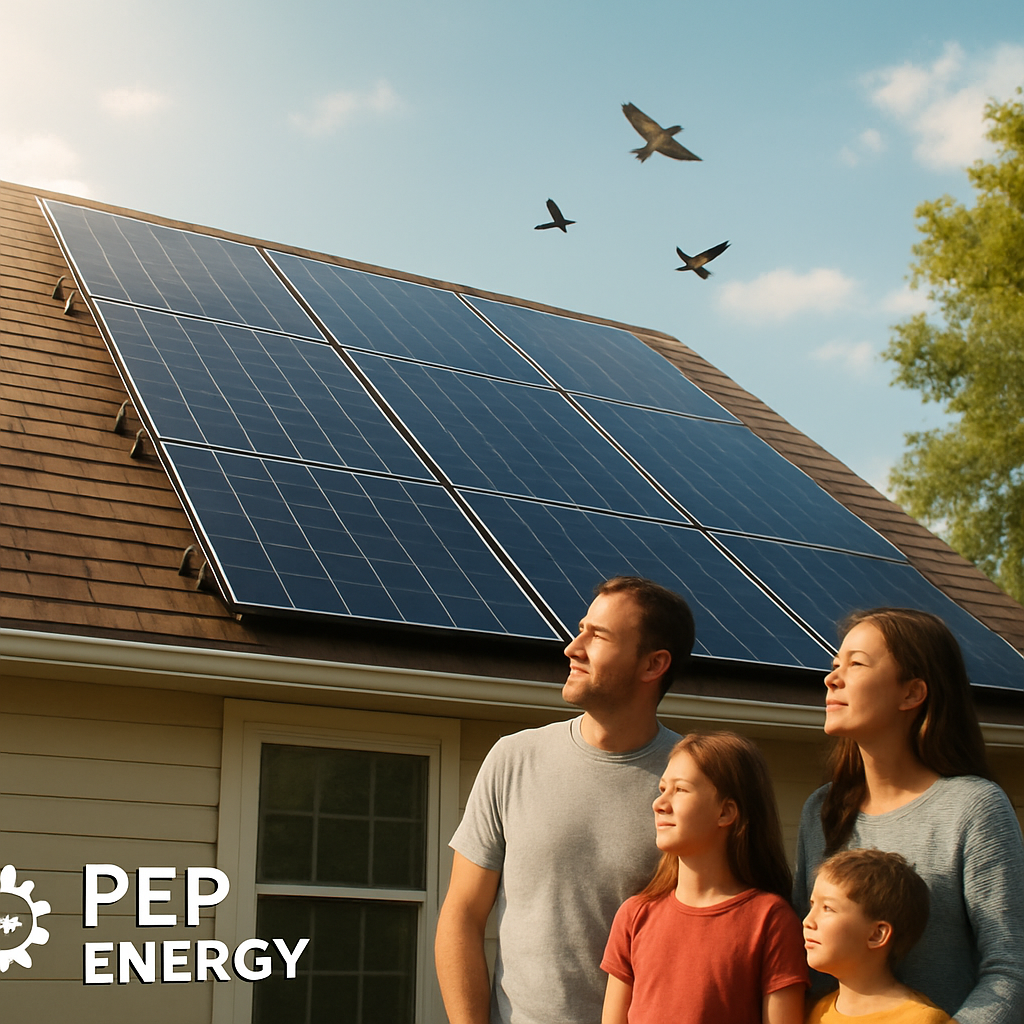
Imagine looking at your electricity bill and feeling a little spark of excitement because the numbers are finally going down.
We all know the sun shines every day, but did you ever think that those rays could actually power your lights, your fridge, even your weekend Netflix binge?
Here’s the thing: solar panels turn sunlight into electricity, and that clean energy can slash your monthly costs, boost your property’s value, and give you a sense of independence from the grid.
So, why does it matter? Because rising utility rates feel like a silent thief, and solar gives you back control.
Think about it this way: every kilowatt‑hour you generate yourself is a kilowatt‑hour you don’t have to buy at ever‑increasing rates.
And there’s more than just money. By reducing reliance on fossil‑fuel power plants, you’re cutting greenhouse‑gas emissions, which means cleaner air for your kids to play outside.
But the benefits don’t stop at the environment. Many states offer tax credits and rebates that can offset a large chunk of the upfront cost, making the pay‑back period shorter than you might expect.
If you’re a business owner, solar can also protect you from price volatility and showcase your brand as a sustainability leader—something customers increasingly value.
And for those worried about storage, pairing panels with a solar battery lets you keep power for nighttime or cloudy days, turning “solar” into “always‑on” power.
Does all that sound a bit overwhelming? Don’t worry—it’s simpler than it seems, and the first step is just a quick conversation about your roof, your energy use, and what matters most to you.
Ready to explore how solar power benefits can fit into your life? Let’s dive in and see what the sunshine can do for you.
TL;DR
Solar power benefits include slashing your electricity bills, boosting property value, and protecting you from rising utility rates while cutting greenhouse‑gas emissions for a cleaner, healthier future.
Whether you’re a homeowner eyeing tax credits, a business seeking brand‑building sustainability, or simply craving energy independence, a quick conversation with Pep Energy can map the right solar solution for your needs.
Environmental Benefits of Solar Power
When you think about the environment, you probably picture big wind farms or massive solar farms, right? But the truth is, even a single rooftop array can shift the needle on climate change.
Every kilowatt‑hour generated by your panels is a kilowatt‑hour that doesn’t have to come from a coal‑fired plant. That means fewer greenhouse gases puffing into the sky, cleaner air for the kids playing in the yard, and a smaller carbon footprint for your household.
Cutting Emissions, One Roof at a Time
Imagine a typical suburban home that uses about 10,000 kWh a year. If a solar system covers 70% of that demand, you’re preventing roughly 5 tons of CO₂ from being released annually. It’s like planting a few hundred trees every year, but without the watering and weeding.
And it’s not just CO₂. Solar reduces other pollutants like sulfur dioxide and nitrogen oxides that contribute to smog and acid rain. Cleaner air translates to fewer asthma attacks and lower healthcare costs for your community.
Boosting Local Ecosystems
Solar installations on rooftops don’t take up extra land, so they avoid the habitat disruption that ground‑mounted farms sometimes cause. Plus, many installers now use bird‑friendly designs and reflective‑reduction coatings to keep local wildlife safe.
Think about it this way: you’re turning an otherwise unused surface into a power source while preserving green spaces elsewhere.
Speaking of turning spaces into power, if you’re curious about going completely off the grid, check out Everything You Need to Know About Off-Grid Solar. It walks you through how a self‑sufficient system can further shrink your environmental impact.
So, what does this mean for your daily life? Less reliance on fossil fuels, lower chances of power‑plant‑related outages, and a tangible step toward a healthier planet.
Watching that short video can help you visualize how solar panels convert sunlight into clean electricity, and why the process is virtually emissions‑free after installation.
If you’re already planning a home remodel, consider coordinating solar panel placement with other exterior upgrades. For instance, pairing panels with new shutters can streamline contractor schedules and even improve your home’s aesthetic. A trusted partner for that kind of work is Monroe Plantation Shutter Pros, who specialize in quality shutter installations that complement solar arrays.
And for those who already drive electric vehicles, solar power can charge your car with zero‑emission electricity, closing the loop on clean energy. An AI‑driven assistant like Selene can help you optimize charging times based on sunlight forecasts, making the most of every sunny hour.
Economic Benefits of Solar Power
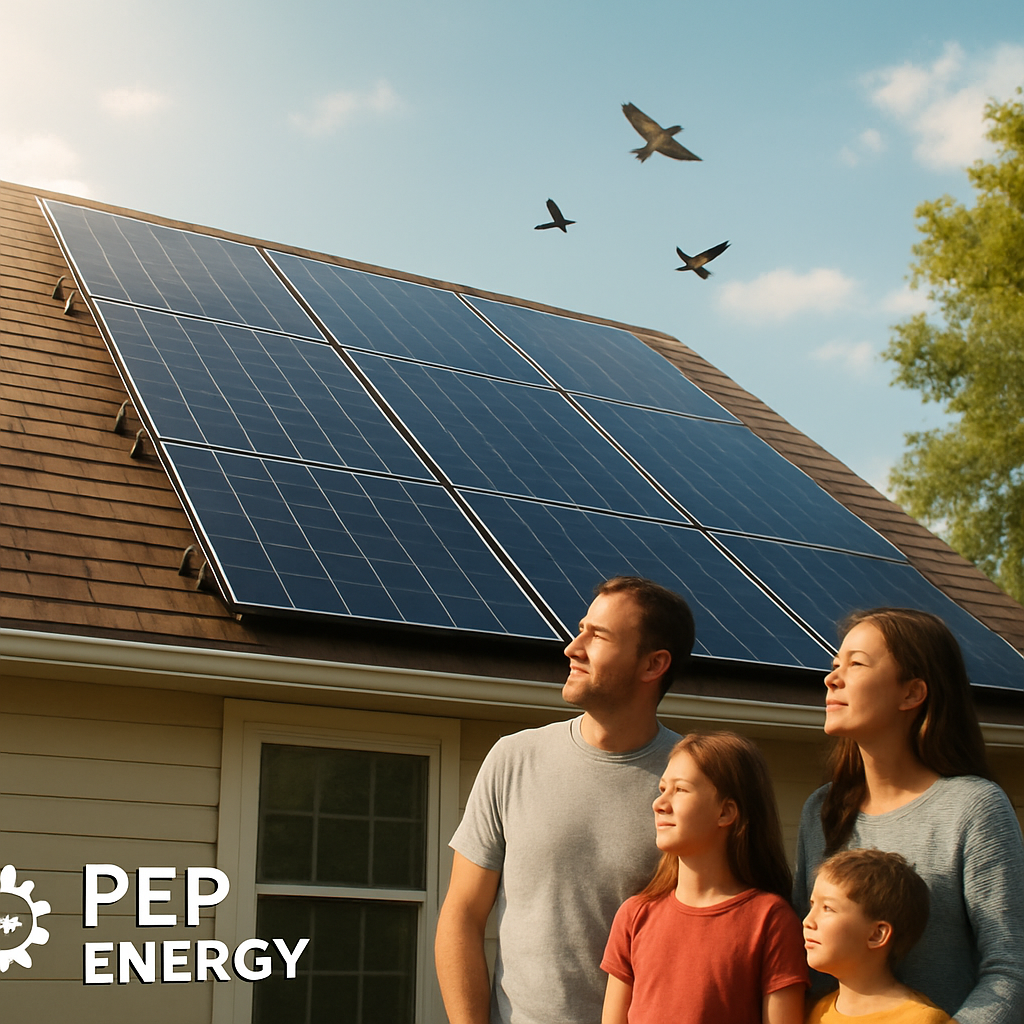
Ever looked at your electric bill and thought, “There’s got to be a smarter way to spend this money?” Yeah, we’ve all been there. The good news is solar isn’t just a green‑house gimmick—it’s a financial lever you can pull right now.
Lower utility bills and predictable costs
When your panels start feeding power into the home or business, you’re basically buying your own electricity at the sun’s wholesale rate: free. That means the monthly bill you used to dread starts shrinking, often by 50 % or more, depending on system size and local rates. And because you generate your own power, you’re insulated from the utility’s annual price hikes—those surprise spikes become a thing of the past.
Imagine the peace of mind that comes with knowing your monthly cash‑out is a steady, low number instead of a moving target. That stability is especially valuable for businesses that need to forecast expenses accurately.
Fast payback and strong ROI
Here’s the part that makes most owners sit up: the money you put into a solar system usually comes back in 5 to 8 years. A recent cost‑benefit analysis of commercial installations broke down a typical project and showed a payback period of just over six years, with a total return on investment of more than 200 % over 20 years. In other words, after the system pays for itself, every extra kilowatt‑hour is pure profit.According to GreenLancer’s analysis, a small coffee shop saw an 8‑year payback and a 150 % ROI, while a larger manufacturing plant hit a 6.4‑year payback with a 211 % ROI. Those numbers aren’t magic; they’re the result of lower energy costs, tax credits, and the fact that solar panels keep producing for 25‑plus years.
So, if you’re wondering whether the upfront cost is worth it, the math says yes—especially when you factor in the money you’ll never spend on electricity.
That video walks you through a real‑world example of a business that turned a $180,000 solar investment into a $560,000 savings over two decades. It’s a great visual reminder that the numbers we just discussed aren’t just theory.
Financing options that boost cash flow
Not everyone wants to shell out cash upfront, and that’s fine. Solar loans let you own the system while spreading the cost over 10‑15 years, often with interest rates lower than the utility’s rate increase. Leases and power purchase agreements (PPAs) let you “rent” the power at a fixed, discounted rate—no maintenance worries, no capital risk. Each option impacts cash flow differently, so a quick spreadsheet can show you which model matches your budget best.
Tax incentives and depreciation
The federal Investment Tax Credit (ITC) still covers 30 % of system costs, and many states add their own rebates or performance incentives. On top of that, businesses can claim bonus depreciation, which lets you write off a large chunk of the equipment in the first year. Those tax breaks can shrink the effective price of a $100,000 system to under $70,000, accelerating that break‑even point.
Business resilience and brand value
Beyond the spreadsheets, solar sends a powerful message to customers, investors, and employees: you’re serious about sustainability and long‑term stability. That ESG (environmental, social, governance) credibility can attract new clients, help retain talent, and even open doors to green financing. In a market where shoppers increasingly choose eco‑friendly brands, that intangible benefit translates into real dollars.
Bottom line? Solar’s economic upside isn’t a vague promise—it’s a concrete set of savings, tax breaks, and brand gains that you can start measuring the moment you get a quote.
Energy Independence and Reliability
Ever watched the lights flicker during a storm and felt that knot in your stomach? That gut reaction is the exact reason many homeowners and business owners start looking at solar – it promises control when the grid goes on a coffee break.
Solar power gives you a slice of that control today, and a whole lot more tomorrow. By generating electricity right on your roof, you’re basically buying power at the sun’s wholesale rate – free, predictable, and immune to the utility’s annual price hikes.
Why “energy independence” matters for everyday life
Think about the last time your electric bill jumped unexpectedly. Now picture a scenario where your monthly payment stays the same because you’ve already paid for that electricity with sunlight. That stability lets you budget for things that actually matter – hiring extra staff, expanding a product line, or finally taking that family vacation.
It’s not just about the numbers. When you can say “I’m not at the mercy of the utility,” you get a psychological boost. It feels like you’ve taken the driver’s seat on a road that’s been crowded with traffic for decades.
Reliability isn’t “just a fancy word” – it’s a real safety net
Most residential systems are grid‑tied, which means they shut off automatically when the grid goes down. That’s a safety rule to protect utility workers, but it also means you lose power right when you might need it most.
Enter energy storage. Adding a battery lets you store the excess sunshine for cloudy days, night‑time loads, or those unexpected outages. Farmers who pair batteries with their panels report staying productive even when the grid quits, and the same principle works for a home office or a small manufacturing line.
Even if you skip a battery, solar still improves reliability. Your system can offset the bulk of your usage, so when the grid finally comes back, you’ll only need a fraction of the power you’d normally draw – and that fraction is usually cheap.
Practical steps to boost independence and reliability
1. Audit your load. Pull your last three utility bills and note the highest monthly kWh usage. That tells you how big a system you need to cover the “must‑have” loads.
2. Size for excess. Aim for a system that produces about 10‑15 % more than your average demand. The extra juice becomes your buffer for cloudy weeks.
3. Consider a battery. Even a modest 5‑kWh battery can keep a refrigerator, lights, and a Wi‑Fi router alive during a short outage. If you run a business, size the storage to match critical equipment.
4. Pick the right mounting. Roof‑mounts keep your land free for other uses, while ground‑mounts can be spaced to allow shade‑tolerant crops or grazing – a concept called agrivoltaics that’s gaining traction.
5. Plan for maintenance. Panels need little upkeep, but keep an eye on wiring and inverter health. Most installers offer remote monitoring; set up alerts so you know instantly if something goes off‑track.
What the future holds
Technology is moving fast. Bifacial panels that capture sunlight on both sides, smarter inverters that balance loads automatically, and batteries that cost less per kilowatt‑hour are all becoming mainstream. That means the gap between “solar is nice” and “solar is a reliable backbone” is shrinking every year.
And as more utilities adopt net‑metering or time‑of‑use rates, you can even sell excess power back to the grid, turning your roof into a mini power plant that pays you back during peak‑price hours.
Bottom line: Solar isn’t just a green badge – it’s a practical tool for taking charge of your energy future. By designing a system that matches your load, adding a bit of storage, and staying on top of performance, you turn the sun into a steady partner rather than a fickle guest.
Ready to map out how much independence you can actually achieve? Grab a quick solar quote, run the numbers, and see how many dollars (and sleepless nights) you can shave off your life.
Solar Power Benefits for Homeowners
Ever glance at your electric bill and wonder why you’re still paying so much when the sun’s doing the work for free? That moment of “what if” is the spark that gets most homeowners curious about solar.
Let’s break down what you actually get when you bring panels onto your roof. We’ll look at the money side, the peace‑of‑mind side, and the little‑extra perks that make solar feel like a win‑win.
Lower bills and predictable costs
Solar panels let you generate your own electricity, which means you’re buying power at the sun’s wholesale rate – zero dollars per kilowatt‑hour. In most markets that translates to a 50 %+ drop in your monthly bill, and the savings keep growing as utility rates climb.
Because the system pays for itself over time, you lock in a stable, low‑cost energy budget. No more surprise spikes at the end of the month.
Return on investment you can actually see
Real‑world numbers from installers across the country show an average residential ROI of around 8 % and a payback period of roughly 15 years according to Paradise Solar’s analysis. With panels guaranteed for 25‑30 years, that leaves a decade or more of essentially free power after the system breaks even.
Those figures vary by state, but the math holds up: the higher your electricity usage and the more incentives you capture, the faster you recoup your investment.
Tax credits and financing make it easier
The federal Investment Tax Credit still covers 30 % of system costs, and many states add rebates, net‑metering credits, or property‑tax exemptions. Those incentives can shrink the upfront price dramatically, often making the monthly loan payment lower than a typical utility bill the Department of Energy explains.
Financing options like solar loans, leases, or power purchase agreements let you spread the cost over 10‑15 years, so you don’t need a big lump sum to get started.
Boosted home value
Homebuyers treat a solar‑ready house like a renovated kitchen. Studies show properties with an average‑sized system sell for a premium – often $10‑$20 k more, depending on the market. That upside adds a tangible asset to your balance sheet.
Even if you later move, the system stays on the roof, continuing to generate savings for the new owners while you reap the tax benefits you already claimed.
Energy independence and backup power
When the grid goes down, a solar‑plus‑storage setup keeps essential lights, fridge, and Wi‑Fi humming. A modest 5‑kWh battery can keep a household running through a short outage, and larger batteries scale up for whole‑home resilience.
Even without a battery, offsetting most of your daily load means you’ll draw far less from the grid during peak‑price hours, which can lower your demand charges if your utility uses time‑of‑use rates.
Quick decision checklist
Here’s a simple three‑step checklist to see if solar makes sense for you:
- Grab your last three utility bills and note the highest monthly kWh usage.
- Use an online solar calculator or request a free quote from a local installer to estimate system size and cost.
- Check state and federal incentives – the tax credit alone can shave 30 % off the price.
If the numbers look good, you’re ready to move forward.
Side‑by‑side comparison
| Benefit | Typical Impact | Actionable Tip |
|---|---|---|
| Bill reduction | 50 %+ lower monthly electric cost | Size system to cover 100‑120 % of average usage |
| ROI & payback | ~8 % ROI, 12‑18 year payback | Leverage federal ITC and local rebates |
| Home value boost | +$10‑20k resale premium | Highlight solar in listing materials |
Bottom line: solar isn’t just a green badge – it’s a financial tool, a home‑value upgrade, and a safety net against outages. If you’ve been on the fence, the data says the odds are in your favor.
Ready to see how many dollars you could save? Grab a quick, no‑obligation quote and let the numbers do the talking.
Comparative Overview of Solar Power Options
When you start looking at solar, the first fork in the road is usually “where do I put the panels?” That question feels simple, but the answer shapes almost every other benefit you’ll see—from bill savings to how much space you keep free for a garden or a patio.
Roof‑mounted systems: the classic choice
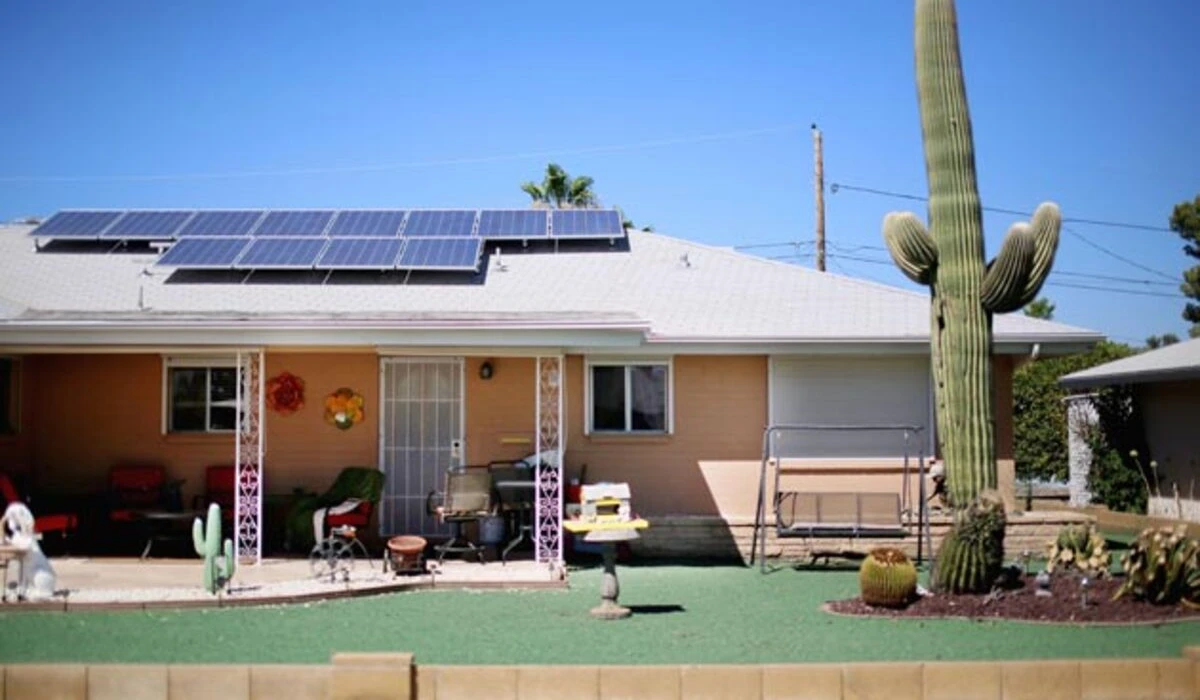
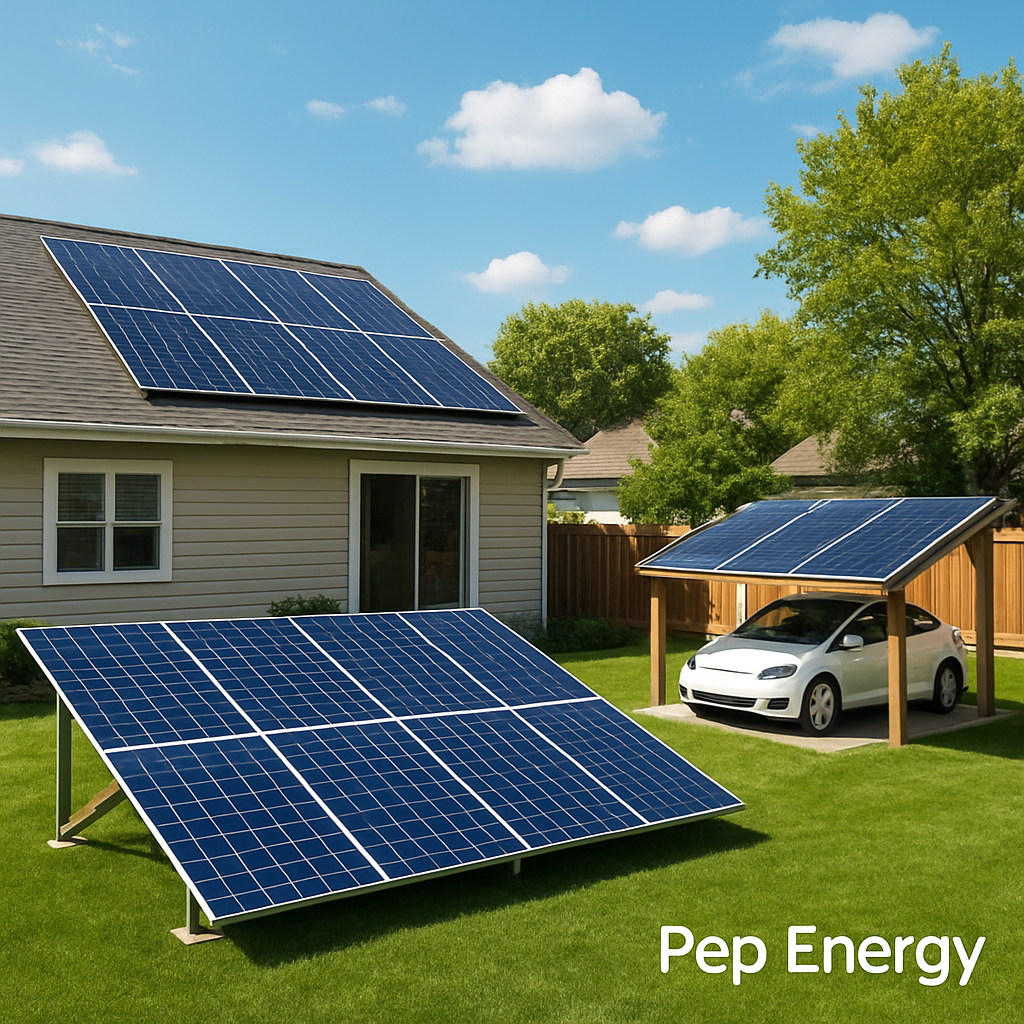
Most homeowners picture panels snug against their roof, and for good reason. A roof mount uses the existing structure, so you don’t have to carve out any yard space. Installation tends to be cheaper because the racking is lighter and there’s less earthwork.
Because the panels sit directly where the sun shines on your house, you often get a higher energy‑production ratio per square foot. That translates to a faster payback and a tighter ROI. The downside? If your roof is aging, you might need a repair before the panels go on, and you lose a bit of headroom for future roof upgrades.
Some roofs, especially flat ones, can avoid penetrations altogether by using a ballast‑based system that simply weighs the array down. That removes the worry of leaks but adds a bit of extra weight on the roof deck.
Ground‑mounted systems: freedom to optimize
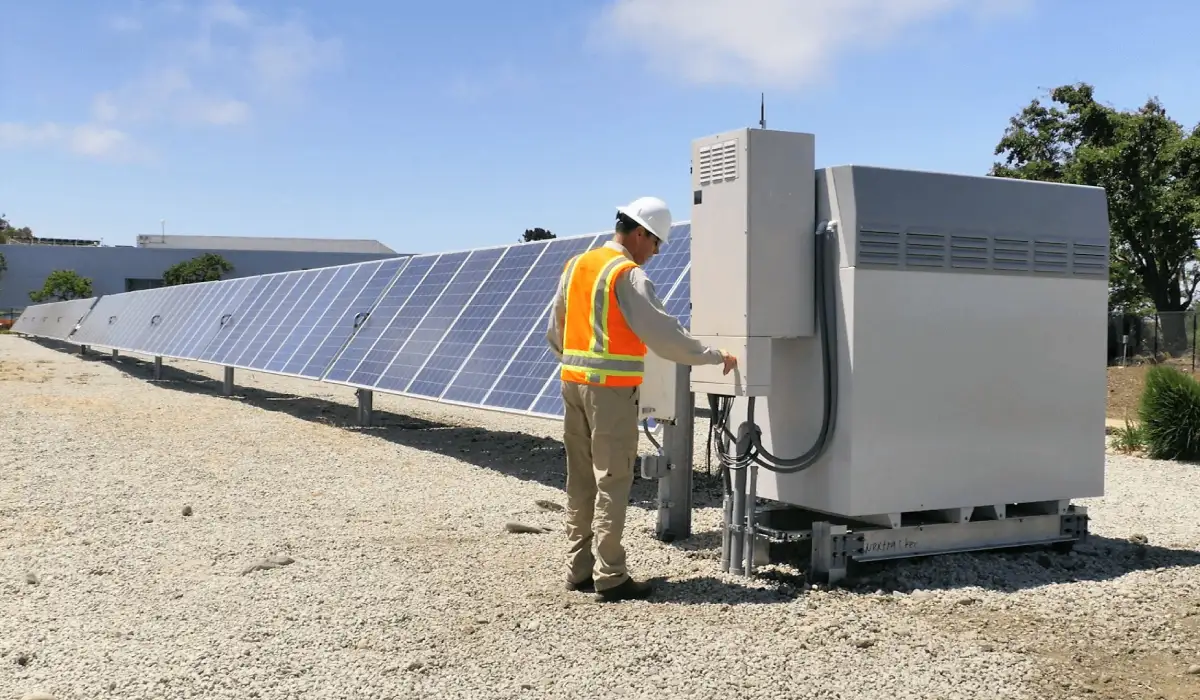
Ground mounts live on steel posts or a concrete‑slab foundation, giving you the flexibility to orient panels for the best sun angle, even if your roof is shaded or oddly shaped.
The trade‑off is a higher upfront cost: you need site preparation, a mounting rack, and sometimes a small fence or security lighting. On the bright side, you keep your roof untouched, which means you can still replace or repair it without wrestling with panels.
Ground‑mounted arrays also open the door to creative uses like solar carports—think of a covered parking spot that generates power while protecting your car. That dual purpose can be a selling point if you’re trying to justify the extra expense.
According to Paradise Solar Energy’s comparison, roof mounts are generally the most cost‑effective for residential rooftops, while ground mounts shine when space is plentiful and you need maximum output or want to combine solar with other land uses.
Choosing the right fit for you
Start by mapping your property’s sun exposure. If your roof gets 5‑6 hours of direct sun a day and is in good shape, a roof‑mounted system will likely give you the best “bang for the buck.”
If you have a shaded roof, a lot of open land, or you’re a farmer looking to pair panels with crops, a ground‑mount or even a car‑port might be the smarter move.
Next, think about future plans. Do you want to add a battery later? Ground mounts make wiring for storage a bit easier because you can run conduit directly from the rack to the house. If you’re eyeing a solar‑plus‑storage setup for backup power, that convenience could tip the scales.
Finally, consider aesthetics and local regulations. Some homeowner associations frown on visible ground arrays, whereas roof‑mounted panels blend into the building silhouette. Check zoning rules early to avoid surprise permits.
Here’s a quick checklist to run through before you sign the contract:
- Inspect roof age and condition; plan for any repairs first.
- Measure available roof space and check for shade from trees or chimneys.
- Identify any flat, sunny ground parcels that could host a mount.
- Estimate the cost difference between roof and ground options, including site prep.
- Confirm local HOA or city guidelines for both mounting styles.
By weighing these factors, you turn the abstract “solar power benefits” into a concrete plan that matches your lifestyle, budget, and long‑term energy goals.
Future Trends and Innovations in Solar Power
When you first heard about solar, you probably imagined those stiff, blue‑black panels on a roof. Fast forward a few years and the game has changed – the panels are getting smarter, cheaper, and even a bit flexible.
Perovskite cells are the quiet rebels
Imagine a solar cell that started at 3% efficiency a decade ago and now pushes past 25%. That’s perovskite for you. Researchers have layered these materials with traditional silicon to make “tandem” cells that can break the 30% barrier, a number that used to feel impossible.
What does that mean for you? Fewer panels to hit the same energy target, which can free up roof space for a garden or a patio. And because the material is lightweight, we’re starting to see it baked right into windows or even portable chargers.
Sure, stability under rain and heat is still a work‑in‑progress, but companies are already wrapping perovskites in protective coatings to keep moisture out. RatedPower notes that perovskite’s flexible nature could let it out‑compete silicon in both performance and price.
Bifacial panels are stealing the spotlight
Ever stood on a snowy field and noticed the sun’s reflection glinting off the ground? Bifacial panels do the same thing on a rooftop or a ground‑mount – they harvest light from both sides. In places with bright sand, water, or snow, you can squeeze up to 30% more electricity out of the same footprint.
That extra juice translates to a lower bill faster, and because you need fewer panels, the overall system cost can dip.
Floating solar – power on water
Land is a premium, especially if you’re eyeing a backyard garden or a driveway. Floatovoltaics solve that by turning reservoirs, lakes, or even irrigation ponds into solar farms.
The water cools the panels, boosting efficiency by about 10‑15%. Plus, the shade helps reduce evaporation – a win for farmers and municipalities alike.
If you’re thinking about a community project, a floating array can generate clean power without chewing up any usable land.
Next‑gen storage: beyond lithium
Battery tech is finally catching up with solar output. Solid‑state cells promise higher energy density and longer life, while flow batteries excel at large‑scale, long‑duration storage. Sodium‑ion and zinc‑based options are also emerging as cheaper, safer alternatives to traditional lithium‑ion packs.
What’s the practical upside? A modest home battery can keep your fridge humming through a storm, and a commercial‑scale flow system can smooth out the midday surge so you never waste a sunbeam.
AI and digital twins are the silent conductors
Ever wished your solar system could talk to you? AI‑driven monitoring platforms now predict shading issues before they happen and suggest optimal tilt angles in real time. Digital twins create a virtual replica of your installation, letting engineers test upgrades or troubleshoot without ever stepping onto the roof.
For a homeowner, that means fewer surprise outages and more confidence that every watt is being used wisely.
Putting it all together
So, what should you keep an eye on as you plan your next upgrade? Here’s a quick checklist:
- Ask your installer if perovskite or tandem cells are an option for your climate.
- Consider bifacial modules if you have reflective surfaces nearby.
- Look into floating solar if you have access to a calm water body.
- Evaluate newer battery chemistries – a flow battery might be overkill now, but it could be the future proofing you need.
- Make sure the system includes AI‑enabled monitoring; it’s the difference between “set it and forget it” and “optimize it daily.”
All these trends are still rolling out, but the trajectory is clear: solar is becoming more efficient, more adaptable, and more integrated with the rest of our energy ecosystem. The next time you glance at your roof, imagine panels that not only sit there but also talk, flex, and even float.
Ready to future‑proof your home or business? Start the conversation with Pep Energy and let the latest innovations work for you.
Conclusion
So, what does all this mean for you? In a nutshell, the solar power benefits stack up like a well‑balanced breakfast – you get lower bills, a sturdier home value, and a greener footprint without having to become a tech wizard.
We’ve seen how newer cells, bifacial panels, and AI‑driven monitoring turn a simple roof into a smart energy hub. And thanks to digital twins, you can tweak upgrades virtually before a single bolt is tightened. That means fewer surprises, more confidence, and a system that actually grows with your needs.
Remember the quick checklist from earlier: size a bit bigger than you think you need, consider a modest battery for backup, and ask your installer about AI‑enabled monitoring. Those three moves lock in the biggest chunk of the solar power benefits and future‑proof your investment.
Does it feel a little overwhelming? That’s normal – the tech is evolving fast, but the core idea stays simple: let the sun work for you, not the other way around.
If you’re ready to turn these benefits into real savings, give Pep Energy a shout. A quick conversation can map out exactly how much you’ll save, how fast you’ll break even, and which cutting‑edge options make sense for your roof or business.
FAQ
What are the biggest solar power benefits for a typical homeowner?
First off, you’ll see a noticeable drop in your electric bill – many folks report 40‑60 % less each month. On top of that, the system adds a resale premium to your house, often $10‑20 k depending on the market. You also get a slice of energy independence, meaning you’re less vulnerable to utility rate hikes. And, of course, you’re cutting your carbon footprint without having to become a tech guru.
How does adding a battery change the picture?
A battery turns your solar array into a true backup plan. When the grid goes down, the stored juice can keep essential loads – fridge, lights, Wi‑Fi – running for hours or even days. It also lets you store excess midday production and use it at night, shaving off any remaining grid‑draw and smoothing out peak‑price charges. In short, you gain reliability plus extra savings.
Is solar still worthwhile in a cloudy or cooler climate?
Absolutely. Modern panels capture diffuse light more efficiently than older models, so even on overcast days they generate power. Pair that with a well‑oriented roof and net‑metering, and you’ll still offset a solid portion of your usage. In cooler regions the panels actually run a bit cooler, which can boost efficiency compared to scorching hot spots.
What financing options keep the upfront cost low?
There are three main routes: a solar loan lets you own the system while spreading payments over 10‑15 years; a lease or power‑purchase agreement (PPA) gives you a fixed, discounted rate with no maintenance worries; and the federal Investment Tax Credit slashes 30 % off the total cost. Combine any of these with state rebates and you can often finance the system for less than a typical monthly utility bill.
How soon can I expect a return on my investment?
Most residential setups hit break‑even in 5‑8 years, thanks to lower bills and tax incentives. After that window, every kilowatt‑hour is essentially profit. Your exact timeline depends on local electricity rates, sunlight exposure, and the size of the system you choose, but the math usually stays in your favor.
Will solar panels boost my home’s resale value?
Yes. Studies show homes with a properly sized solar system sell for a premium – roughly $10‑20 k in many markets. Buyers see the lower operating costs and the green credential, which makes the property more attractive. It’s like having a built‑in utility that keeps paying off long after you move out.
What kind of maintenance does a solar installation require?
Honestly, it’s minimal. A quick visual check a couple of times a year to clear debris or snow is usually enough. Most installers provide remote monitoring, so you’ll get alerts if an inverter or panel underperforms. Apart from occasional cleaning in dusty areas, the system is designed to run hands‑free for 25‑30 years.