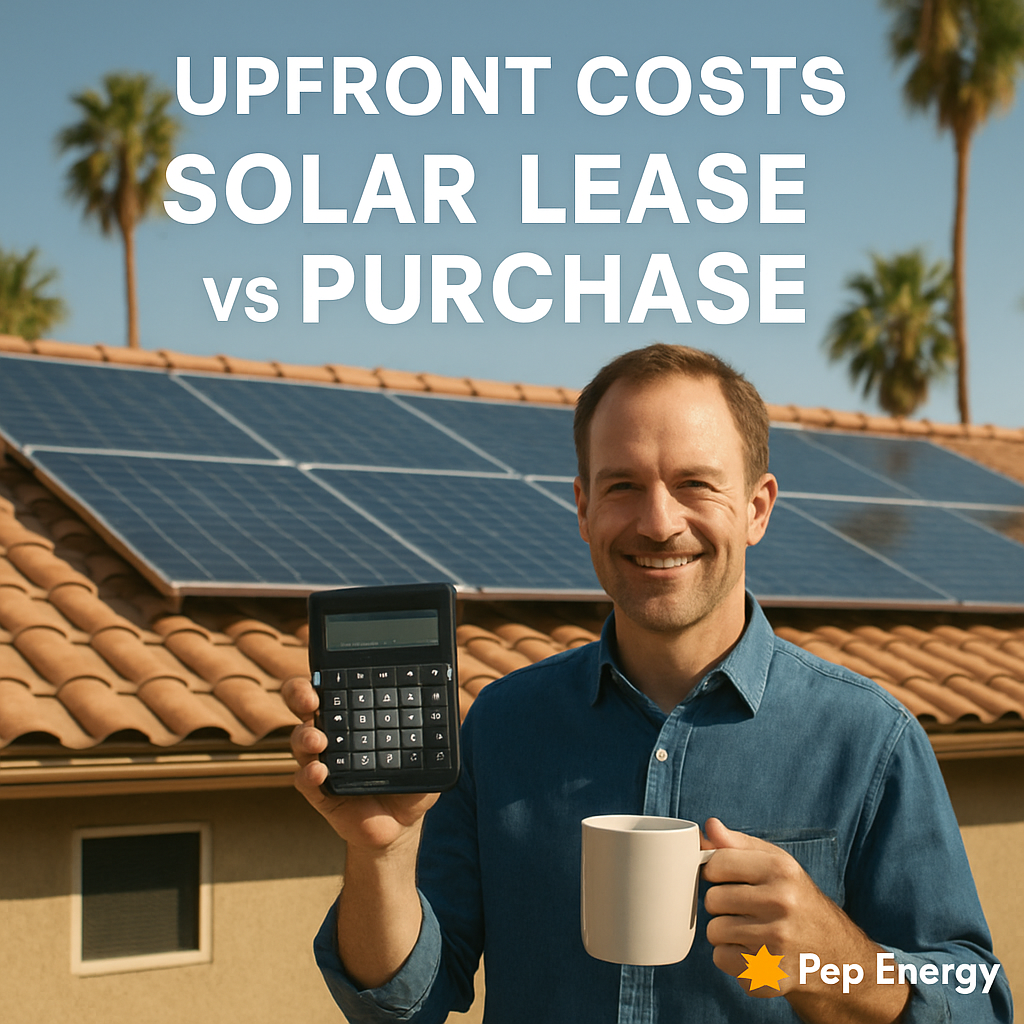
Ever stared at your electric bill and thought, “There’s got to be a better way?” You’re not alone. Homeowners and business owners alike wrestle with that exact feeling when they first hear about solar. The idea of clean, cheap power is exciting, but the choice between a solar panel lease and buying outright can feel like a financial maze.
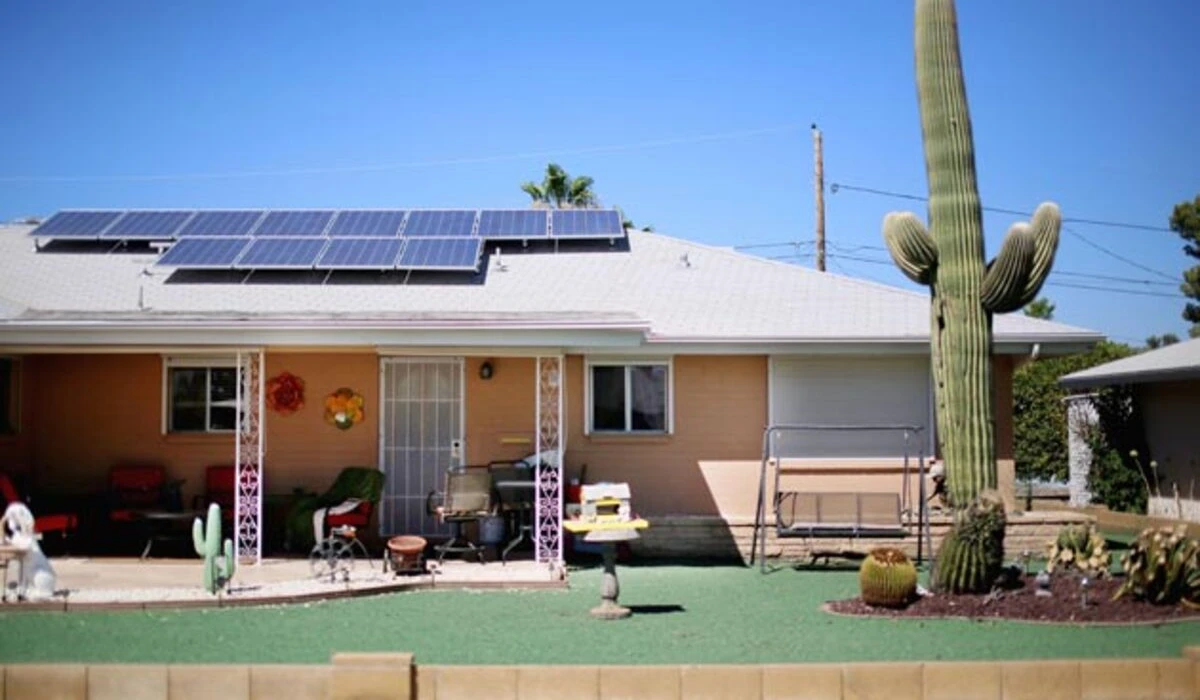
Imagine you’ve just moved into a sun‑bathed Arizona home. The roof is perfect for panels, yet you’re juggling a mortgage, a new car payment, and a growing family budget. On the other hand, a local coffee shop owner is looking to lock in energy costs for the next decade, fearing rate hikes. Both scenarios land them at the same crossroads: lease or purchase?
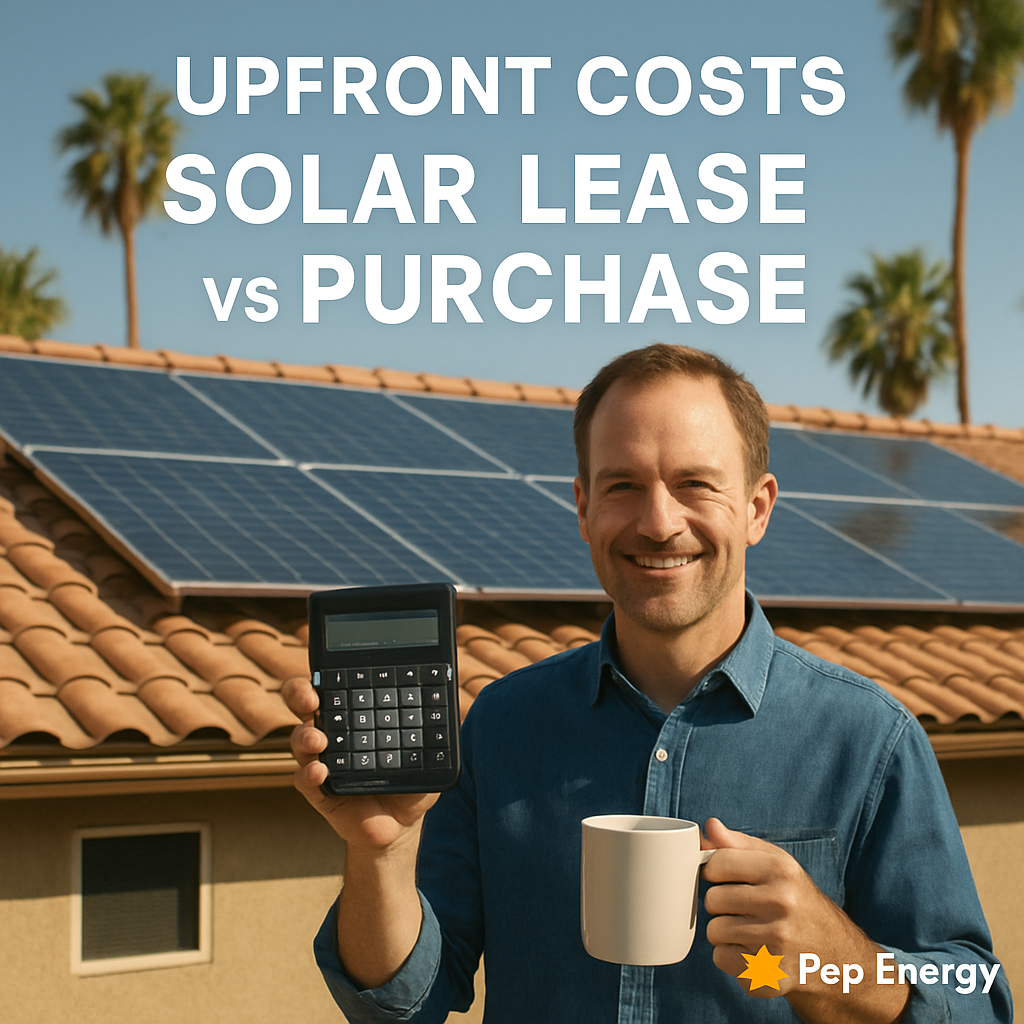
Here’s what we’ve seen work best. When you lease, the upfront cost is practically zero – you essentially rent the system and the solar provider handles maintenance. This can be a lifesaver if cash flow is tight. But remember, you won’t own the equipment, so you won’t claim the full tax credits or reap the long‑term resale value.
Buying, meanwhile, demands a bigger initial outlay or financing, yet it gives you full ownership, access to the federal Investment Tax Credit (ITC), and the ability to sell excess power back to the grid. Over a 20‑year horizon, many homeowners find that purchasing delivers higher net savings, especially when they combine it with a battery for backup.
So, how do you decide? Start with a simple worksheet: list your expected annual electricity usage, estimate the system size you’d need, and calculate the total cost of ownership versus the lease payments over the same period. Then, factor in any state incentives – Arizona, for instance, offers additional rebates that can shave thousands off the purchase price.
We’ve helped dozens of families navigate this decision. One recent client, a small‑business owner in Phoenix, ran the numbers and chose to purchase because the tax credit alone covered 30% of the system cost, making the payback period just under eight years.
Want a deeper dive into the numbers? Check out our Cost of Solar Panel Installation: A Detailed Guide for Homeowners for a step‑by‑step breakdown of pricing factors, financing options, and long‑term savings.
Bottom line: there’s no one‑size‑fits‑all answer. Your choice should align with your financial situation, how long you plan to stay in the property, and your appetite for taking advantage of tax incentives. Take a few minutes to run the numbers, talk to a trusted solar advisor, and you’ll feel confident about the path you choose.
TL;DR
Choosing between a solar panel lease and purchase hinges on your budget, stay‑length, and desire for tax credits or ownership benefits. Run our quick worksheet, compare total costs, factor in Arizona rebates, and decide which option powers your home or business most profitably in the long run, with confidence, today.
1. Upfront Costs: Leasing vs Buying
Okay, picture this: you’ve just walked into your new Arizona home, sunlight spilling across the kitchen, and you’re already thinking about that sky‑high electric bill. The first thing that pops up in your mind? How much cash do I need to get solar on my roof today?
That’s the crux of the upfront‑cost debate. A lease practically says, “Hey, we’ll handle the hardware, you just start saving right away.” In most cases, the initial payment is near zero – maybe a small activation fee, but certainly not the thousands you’d need to buy the system outright.
Leasing: Little to No Money Down
When you lease, the provider purchases the panels, installs them, and you sign a contract – usually 15 to 20 years. Your monthly payment is often lower than what you’d pay for a traditional loan, and you dodge the big lump‑sum expense.
But here’s the flip side: you don’t own the equipment. That means you can’t claim the full federal Investment Tax Credit (ITC), and when the lease ends, you either walk away or negotiate a buy‑out.
Buying: Bigger Up‑Front Hit, Bigger Long‑Term Payoff
Buying means you (or your lender) front the cost – either cash, a home‑equity loan, or a solar loan. Yes, the numbers look heftier at the start, but you lock in the ITC, which can shave roughly 30% off the price, and you own the panels for life.
Ownership also means you can take advantage of net‑metering credits, sell excess power back to the grid, and eventually reap resale value if you move. In a place like Arizona, where sunlight is abundant, that extra upside can add up fast.
So, how do you decide which path feels right?
First, pull out a simple spreadsheet. List the total lease payments over the contract term, then compare that to the purchase price minus the tax credit, plus any financing interest. Subtract the estimated savings on your electric bill for each scenario. The difference will show you which option saves you more money in the long run.
Second, think about your stay‑length. If you plan to live in the house for at least 10‑15 years, buying usually wins because the pay‑back period often falls within that window. If you’re not sure how long you’ll stay, the lower barrier to entry of a lease can be a safer bet.
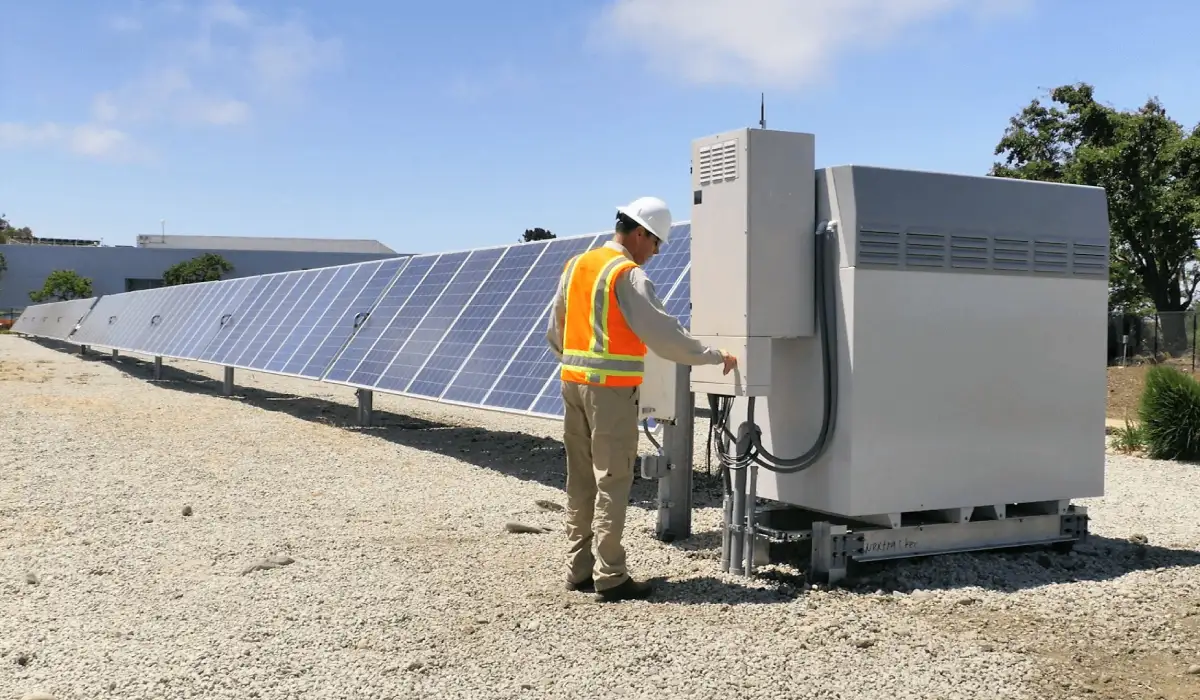
Third, consider maintenance. With a lease, the provider is responsible for any service calls – that’s a nice peace‑of‑mind perk. When you own the system, you’ll handle upkeep or rely on a warranty, which can be a bit more hands‑on.
And don’t forget financing options. Some lenders offer zero‑down solar loans that let you spread the cost over 10‑20 years, essentially giving you the best of both worlds: ownership without a massive upfront hit.
Here’s a quick cheat‑sheet to keep in your back pocket:
- Zero‑down lease: Minimal upfront cost, monthly payments, no tax credit, provider handles maintenance.
- Cash purchase: Largest upfront cost, full tax credit, you own everything, potential resale value.
- Financed purchase: Moderate down payment, loan interest, full tax credit, you own the system.
Does any of that feel overwhelming? It can, especially when you’re juggling a mortgage and a new car payment. The good news? You don’t have to crunch all the numbers alone.
Take a few minutes after watching the video to jot down your own numbers. It’s amazing how quickly the picture becomes clearer once you see the cash flow side by side.
Remember, the goal isn’t just to pick the cheapest option today – it’s to choose the path that keeps your wallet happy for years to come.
When you’re ready, grab a pen, sketch out those three scenarios, and you’ll see which route aligns with your budget, your timeline, and your comfort level with maintenance.
2. Ownership, Maintenance, and Responsibility
When you get to the part of the conversation where “who’s actually in charge?” it feels a lot like figuring out who’s holding the spare key for your house. The answer changes everything you’ll pay, worry about, and even how your property looks down the line.
1️⃣ Who owns the panels?
If you buy the system, the panels are yours – just like that new kitchen island you splurged on. You can claim the federal Investment Tax Credit, you can add a battery later, and when you eventually sell the house you get the “green premium” that buyers love. A lease, on the other hand, means the solar company keeps the title. You’re essentially renting the roof real‑estate for the length of the contract.
2️⃣ Who takes care of maintenance?
Ownership comes with a to‑do list: cleaning, inverter checks, and occasional warranty calls. Some installers bundle a monitoring plan, but the bill for a broken panel usually lands on you.
3️⃣ Who foots the repair bill?
Imagine a freak hailstorm shatters a few cells. As an owner, you’d coordinate with your installer, file a warranty claim, and possibly pay a deductible. As a lessee, the leasing company absorbs that cost, because they own the hardware. That’s a huge relief for a business owner juggling cash flow.
4️⃣ How does it affect home resale?
Homeowners who own their system often see a $10‑$20 k bump in appraisal value – buyers know they’re buying a house that already pays for part of its electricity. A leased system can be a stumbling block: the buyer either has to assume the lease, pay a buy‑out fee, or you have to negotiate a transfer. It adds a layer of paperwork that can slow down the sale.
5️⃣ What happens when the contract ends?
At the end of a 20‑year lease you usually have three choices: walk away, renew the agreement, or buy the system at a pre‑agreed price. If you’ve been paying a modest rent, the buy‑out can feel like a surprise bill. Owning from day one means you’re already done with loan payments (if you financed) and the system keeps churning out free power.
6️⃣ Insurance and liability
Owners must update their homeowner’s policy to cover the added value of the panels – that can mean a few hundred dollars more per year. Lessees rely on the leasing company’s insurance, but you still need to make sure your policy lists the solar equipment as a covered item in case of fire or wind damage.
So, how do you decide which path fits your life? Here’s a quick, actionable checklist you can run through tonight while you sip coffee.
- Ask yourself: Do I plan to stay in this home for 8‑10 years or longer? If yes, ownership usually wins.
- Check your tax situation. If you owe enough federal tax to use the 30 % ITC, buying gives you a direct cash‑back.
- Calculate your monthly cash flow. If a zero‑down lease keeps you breathing, that’s a legitimate win.
- Talk to your insurance agent about premium changes for owned panels versus a leased system.
- Ask the installer for a detailed maintenance schedule and any optional service plans.
- When you’re ready, compare the total cost of ownership against the lease escalator using a simple spreadsheet.
We’ve seen a Phoenix family of three who bought a 6 kW system, claimed the tax credit, and after five years their mortgage‑level loan was paid off. Their electric bill sits at $15 a month, and the house sold for $12 k more because of the solar “badge.” Meanwhile, a downtown boutique in Tucson chose a 15‑year lease because cash was tight; the lease includes free maintenance, and the owner can focus on growing the business without worrying about a broken inverter.
Need a side‑by‑side view? The table below breaks down the biggest differences you’ll run into when you compare a lease to a purchase.
| Aspect | Solar Panel Lease | Solar Panel Purchase |
|---|---|---|
| Ownership | Company retains title; you rent the power. | You own the system outright. |
| Maintenance | Provider handles all service and repairs. | Owner responsible; may add a service plan. |
| Tax Credits | Company claims ITC; savings may trickle down. | Owner claims full federal and state credits. |
| Resale Impact | Potential transfer or buy‑out needed. | Adds property value; easy transfer. |
| Long‑Term Cost | Monthly rent + escalator. | Loan payments (if financed) then zero‑cost. |
If you want to dig deeper into the pros and cons, the detailed guide on leasing vs buying solar breaks down the numbers and even shows how the federal tax credit phases out after 2025.
Bottom line: ownership gives you control, tax benefits, and resale upside; leasing hands you a low‑maintenance, low‑upfront‑cost solution. Match the choice to your budget, timeline, and how much responsibility you’re comfortable shouldering.
3. Long‑Term Savings and Return on Investment
When you start looking past the first‑year numbers, the real story of solar shows up in the bottom line after a decade or more.
1️⃣ Ownership lets you claim the full tax credit
If you buy, the 30% federal Investment Tax Credit lands right in your pocket (or reduces your tax bill). That’s money you can’t get when you lease because the provider grabs the credit.
Imagine a 10 kW system costing $20,000 before incentives. The credit shaves $6,000 off the price, turning a $14,000 out‑of‑pocket expense into a much lighter load.
2️⃣ Predictable, zero‑cost energy after the loan
Once the loan is paid off—usually in 7‑10 years—you’re essentially generating free electricity. Your utility bill drops to a few dollars for grid fees.
Leases keep a monthly charge alive, often with a 1%‑2% escalator. Over 20 years that escalator can add up to a few thousand dollars more than a purchased system that’s already paid down.
3️⃣ Property value gets a solar boost
Homeowners who own their panels regularly see a $10‑$20 k bump when they list the house. Buyers love the promise of lower energy costs.
Leased panels are a footnote on the MLS—sometimes a hurdle because the new owner has to inherit the lease or negotiate a buy‑out.
4️⃣ Battery integration amplifies ROI
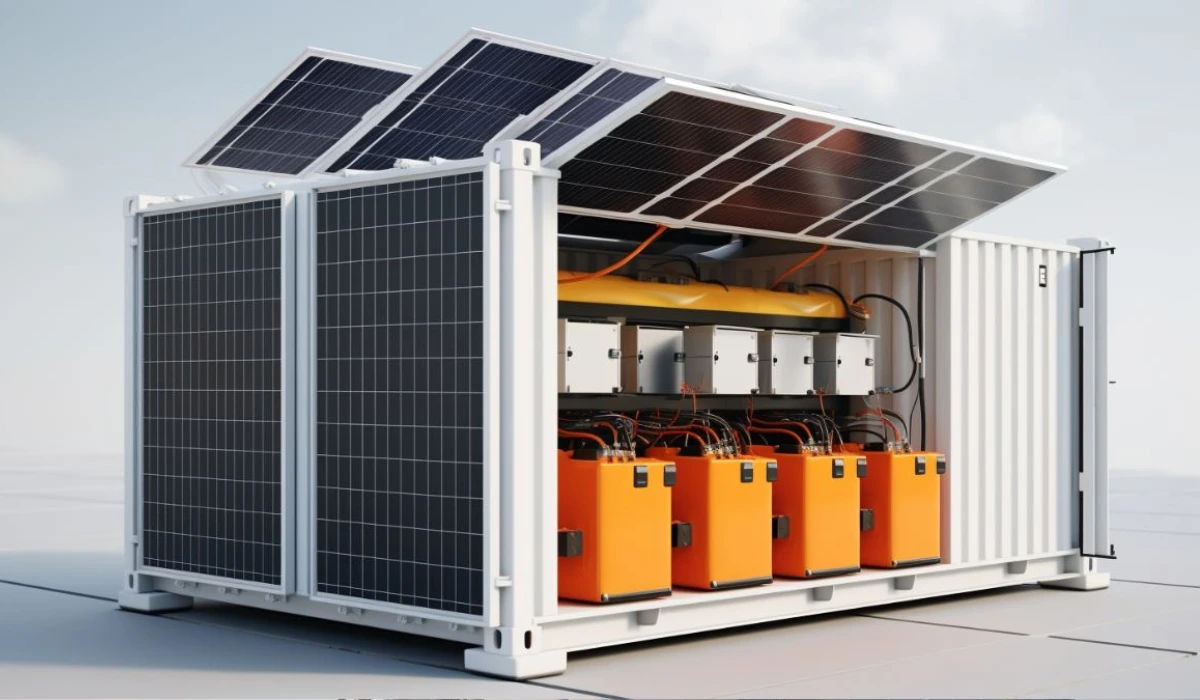
When you own the hardware, adding a battery is a simple upgrade. You can store excess sun for nighttime use, shaving even more off your bill and protecting you from rate hikes.
Leased systems often prohibit batteries or charge extra fees, limiting the long‑term upside.
5️⃣ Break‑even timeline tells the truth
In most Arizona homes, a purchased system hits break‑even in 6‑8 years thanks to the tax credit, low interest rates, and net‑metering credits.
Leases typically need 10‑12 years to reach the same point because you never own the energy you’ve generated.
6️⃣ Resale and transfer considerations
If you sell after 10 years, you keep the system and the remaining loan balance (or equity) and pass the savings to the buyer.
With a lease, you either pay a buy‑out fee before the sale or hope the buyer is comfortable taking over the contract—a process that can stall or lower your asking price.
7️⃣ Long‑term maintenance costs
Owners front a modest maintenance budget—cleaning, occasional inverter replacement, maybe a service plan. Those costs are predictable and often covered by warranties for the first 10‑15 years.
Leases bundle maintenance into the monthly fee, which sounds nice at first but hides the fact that you’re paying for someone else’s risk.
8️⃣ Real‑world snapshot
One Phoenix family bought a 7 kW system, claimed the ITC, and after five years their loan was gone. Their electric bill is now under $20 a month, and they’re already seeing a net savings of over $30,000 compared to staying on the grid.
Across the state, a small business that opted for a 20‑year lease enjoys a 15‑30% reduction in monthly utility costs, but the lease escalator and lack of tax credit mean they’ll still be paying roughly $3,000‑$4,000 more over the system’s life than the homeowner who bought.
So, what does this mean for you? If you can handle the upfront or financed cost, buying generally delivers the biggest long‑term savings and the highest return on investment. If cash flow is tight and you need a hassle‑free start, a lease can still make sense—but expect a slower ROI.
Bottom line: run the numbers, factor in the 30% tax credit, and think about where you’ll be in ten years. The math usually favors ownership for anyone planning to stay put and reap the full financial rewards.
For a deeper dive into the numbers behind buying vs leasing, check out GoGreenSolar’s side‑by‑side comparison.
4. Tax Credits, Incentives, and Financing
When the numbers start to line up, the tax credit is often the first thing that makes a lease feel less appealing.
1️⃣ Federal Investment Tax Credit (ITC) – who gets it?
If you buy the panels, the 30 % federal ITC lands straight in your pocket or reduces your tax bill. That’s a chunk of the upfront cost you never see when you lease, because the solar company holds the title.
But here’s the twist: after December 31 2025, new‑construction purchases lose the residential credit. Leases and PPAs, however, still qualify for the commercial credit (Section 48) and the provider can pass some of that value back to you in the monthly rate. EnergySage breaks down how that works.
2️⃣ State rebates and solar‑specific incentives
Arizona, South Carolina, Massachusetts and several other states hand out dollar‑for‑dollar tax credits or upfront rebates – but only to the system owner. If you lease, you’ll rarely see those dollars.
What does that mean for you? A homeowner who can claim a $2,500 state credit will see that amount subtracted from the purchase price, effectively shortening the payback period by a year or more.
3️⃣ Financing the purchase
Most of our residential customers finance with a 7‑8 % loan. The monthly payment can look scary at first, but remember the ITC and any state credits are applied before you start paying the loan.
And your credit score matters more than you think. A jump from 680 to 740 can shave half a percent off the interest rate, which translates into hundreds of dollars saved over the life of the loan.
4️⃣ Lease financing – what you’re actually paying for
With a lease you’re essentially paying for the system, the maintenance, and the provider’s share of the commercial tax credit. Most agreements start with a 0‑down payment and a fixed monthly fee, but watch the escalator.
- Escalator ≤ 1 % per year is generally reasonable.
- Anything above 2 % can erode the savings advantage quickly.
- Ask the provider how much of the commercial credit is reflected in the rate.
5️⃣ Net‑metering and SREC earnings – ownership pays off
If you own the panels, excess energy you feed back to the grid shows up as a credit on your bill (net‑metering) or as a tradable Solar Renewable Energy Certificate (SREC) in certain states. Those credits can add a few hundred dollars a year to your bottom line.
Leases bundle that benefit into the monthly payment, so you never see the actual credit. It’s fine if you’re after cash‑flow simplicity, but it does mean you’re leaving money on the table.
6️⃣ Battery integration – a financing kicker
Homeowners love adding a battery once the loan is paid off. The battery gives you backup power and lets you store solar when rates are high, boosting your ROI.
Leasing companies often prohibit batteries or charge extra fees, so if storage is part of your plan, buying gives you the flexibility to upgrade later.
So, what’s the sweet spot?
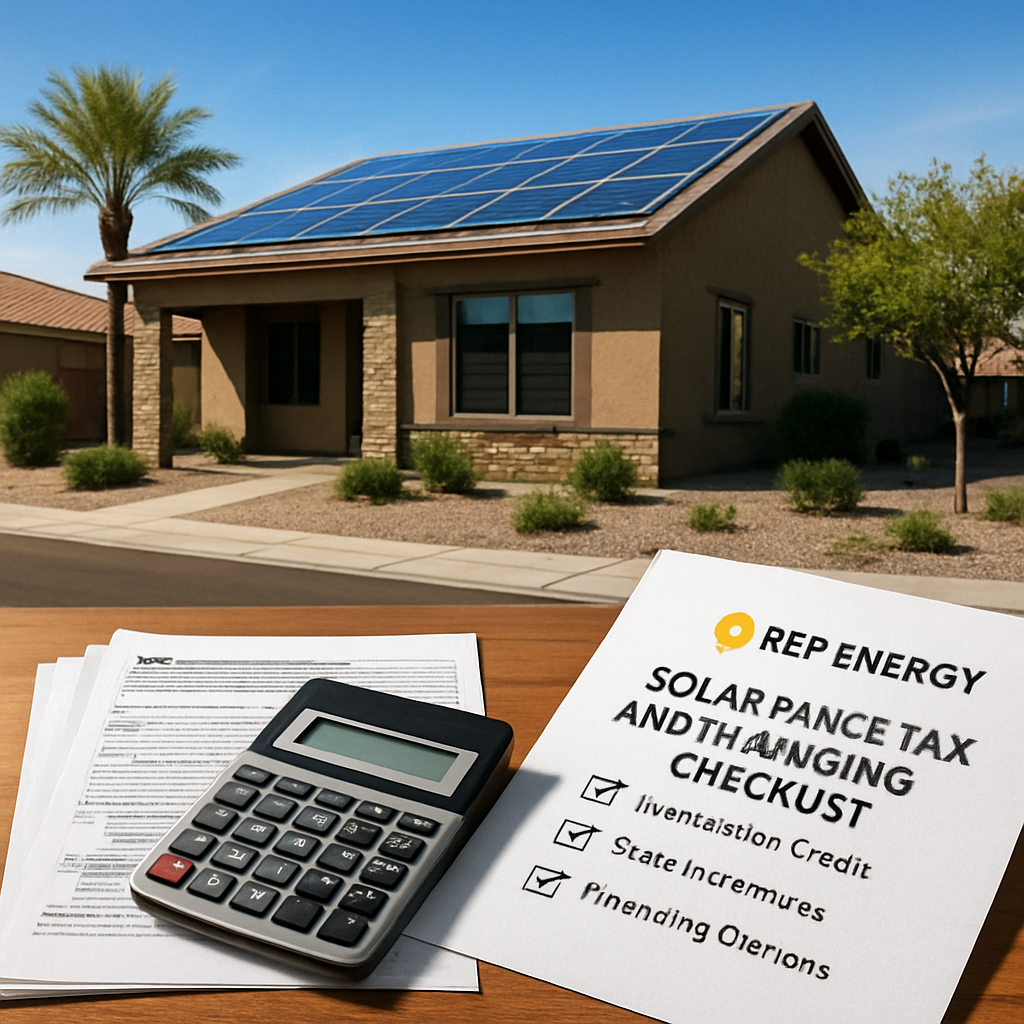
Run a quick spreadsheet: start with the system cost, subtract the federal ITC (if you buy), add any state credits, then layer in the loan interest or lease escalator. Compare that net out‑of‑pocket amount to your projected utility bill savings over 20 years.
Bottom line: if you have the cash or can secure a low‑interest loan, buying usually wins because you capture every incentive and keep full control over batteries and SREC earnings. If cash flow is tight and you prefer a hands‑off experience, a lease can still make sense – just make sure the provider is transparent about how the commercial tax credit is reflected in your rate and that the escalator stays low.
5. Flexibility and Future Upgrades
1️⃣ Add a battery whenever you’re ready
When you own the panels, tacking on a storage unit is as easy as ordering a new appliance. You decide the size, the brand, and the install date – no lease contract to renegotiate.
That means if you notice your summer electric bill spiking because of air‑conditioning, you can pop in a battery and start shifting excess sun to night‑time use. With a lease, many providers lock you out of that option or slap on a hefty fee.
2️⃣ Scale the system as your needs grow
Maybe you just built an accessory dwelling unit (ADU) or you’re expanding a small business. If you bought the original array, you can simply add more panels to the roof and let the inverter handle the extra power.
We’ve seen Phoenix homeowners double their capacity after a few years when their family grew. The math stays simple because the new modules sit under the same ownership umbrella.
3️⃣ Swap out tech without a contract penalty
Solar tech isn’t static – inverters get smarter, panels get more efficient, and new monitoring platforms appear every season. Ownership lets you replace an under‑performing inverter on your own schedule.
Leases often bind you to the installer’s equipment for the life of the agreement, and swapping early can trigger early‑termination charges.
4️⃣ Keep control over net‑metering and SREC credits
When you own the system, any surplus energy you feed back to the grid stays yours as a net‑metering credit or an SREC. Those credits can be sold or rolled into future bills, adding a little extra cash each year.
Leased panels usually bundle those credits into the monthly rate, so you never see the upside. If the utility changes its rules, you’re stuck with whatever the lease terms say.
5️⃣ Avoid surprise escalators
Lease agreements love escalators – a 1%‑2% rise in the monthly payment every year. Over a decade, that can add up to a few thousand dollars you didn’t budget for.
When you’ve paid off a loan, the only thing that changes is the weather, not your bill. That predictability is a huge peace‑of‑mind factor for both homeowners and business owners.
6️⃣ Transfer or sell the system with ease
Planning to move? A owned system is a selling point. You can transfer the loan to the new buyer, or if the loan is paid, hand over the hardware and let the buyer enjoy immediate savings.
Leased equipment creates a paperwork maze – the buyer either assumes the lease (which many lenders won’t allow) or you have to buy it out, which can eat into your home’s equity.
7️⃣ Future‑proof your financing
Financing options evolve. Today you might lock in a 6.5% solar loan, but next year a 4% green‑bond product could appear. If you own the system, you can refinance the balance and lower your monthly payment.
Leases lock you into a fixed rate for the term, so you miss out on any better rates that pop up later.
8️⃣ Customize the monitoring dashboard
Ownership gives you the freedom to choose the app or platform that shows you real‑time production, battery state of charge, and even predictive alerts for maintenance.
With a lease, you’re stuck with the provider’s portal, which might not integrate with your smart home setup.
9️⃣ Keep the aesthetic you want
Maybe you’re a design‑savvy homeowner who wants low‑profile panels that blend with a tile roof. Buying lets you pick the exact look you prefer.
Leasing companies usually have a limited catalog, and asking for a different style can lead to extra fees or outright denial.
Bottom line: flexibility is the silent winner when you own your solar array. It lets you add storage, expand capacity, upgrade components, and stay in control of costs and credits. If you value the ability to adapt your system as technology, life, or utility policies shift, buying is the path that keeps the door open. A lease can feel comfortable at first, but every restriction you hit later is a reminder that you gave up future freedom for a low‑upfront price.
6. Environmental Impact and Energy Independence
When you start thinking about solar, the first thing that pops into most people’s heads is the bill‑saving part. But there’s a second, equally powerful story: the way you choose between a solar panel lease vs purchase can shape the planet and your own energy freedom for years to come.
1️⃣ Cutting carbon emissions, one roof at a time
Owning the system means every kilowatt‑hour you generate is 100 % clean electricity that never hits a coal‑fired plant. In Arizona, a typical 6 kW home system avoids roughly 9 tons of CO₂ each year – that’s the same as taking 15 cars off the road. When you lease, the provider still produces that clean power, but the credit for the emission reduction often stays on their balance sheet instead of yours. If the environmental impact matters to you, ownership lets you claim the full carbon‑offset benefit.
PosiGen explains how buying lets homeowners directly track their emissions savings, which can be a nice talking point when you’re bragging to neighbors about your green footprint.
2️⃣ Gaining true energy independence
Think about the last heat‑wave when the grid was flickering on and off. Homeowners who own their panels can keep the lights on with a battery, while lessees are often locked out of adding storage because the leasing contract says “no batteries without extra fees.” Ownership gives you the freedom to size a battery that covers a night‑time load, meaning you’re not at the mercy of utility‑rate spikes or outages.
Actionable tip: after your system is installed, request a “load‑profile” report from your installer. Compare your evening usage to the battery size you could afford – a 10 kWh unit might cover a typical Arizona home’s air‑conditioning load for 4‑5 hours.
3️⃣ Locking in predictable costs
When you buy, the loan (if you need one) has a fixed rate, and once it’s paid off you’re basically generating free power. A lease, even with a low‑upfront cost, usually includes a 1‑2 % annual escalator. Over a 20‑year term that adds up to several thousand dollars you didn’t budget for. Those extra dollars could have gone straight into a battery or into community solar projects.
4️⃣ Net‑metering and credit ownership
Homeowners who own their system keep any surplus energy credits that roll back onto their bill. In many states those credits can be sold or banked for future use. With a lease, the provider aggregates the surplus and builds it into your monthly fee – you never see the extra cash. If you’re aiming for maximum financial return while also shrinking your carbon footprint, ownership is the clear winner.
5️⃣ Future‑proofing with tech upgrades
Solar panels are getting more efficient every year. An owned system lets you add higher‑efficiency modules or swap out an aging inverter without fighting a contract clause. Leased systems often require you to wait until the lease ends or pay a hefty early‑termination fee. The ability to upgrade means you’ll keep squeezing more clean energy out of the same roof, further reducing emissions.
Real‑world example: a Phoenix family bought a 7 kW array in 2022. In 2025 they added two 350 W high‑efficiency panels, boosting production by 8 %. Because they owned the hardware, the upgrade was a simple permit and a $1,200 install – no legal gymnastics.
6️⃣ Community resilience and local jobs
When more homeowners purchase solar, local installers, electricians, and permitting offices see steady work. That economic ripple effect keeps money circulating in the neighborhood and builds a skilled workforce that can respond quickly to outages. Leasing can still create jobs, but the revenue often flows back to a national corporate office rather than staying local.
Energy Select highlights how ownership boosts regional economic resilience, a point we’ve seen firsthand in the Tucson area where owned systems have spurred a 15 % rise in local solar‑service businesses over three years.
Action checklist for a greener, more independent future
- Calculate your household’s annual CO₂ reduction by using an online solar‑emissions calculator.
- Ask your installer for a battery‑compatibility report – see if you can add storage later.
- Review the lease agreement for escalator rates and battery restrictions before you sign.
- Factor in net‑metering credit ownership when comparing long‑term cash flow.
- Consider the local economic impact: buying supports neighborhood jobs and expertise.
Bottom line: the environmental payoff and the sense of true energy independence tilt heavily toward owning your solar array. A lease can get you solar fast, but if you care about carbon credits, long‑term resilience, and keeping the benefits in your pocket (and your community), buying is the path that lets you own the story.
Conclusion
We’ve walked through the whole solar panel lease vs purchase debate, from upfront cash to long‑term savings, maintenance, and the feel‑good factor of owning clean energy.
So, where does that leave you? If you can muster a down payment or qualify for a low‑interest loan, buying usually wins – you grab the federal tax credit, boost your home’s resale value, and keep every carbon‑offset credit in your name.
But if cash flow is tight and you crave a hassle‑free start, a lease can still get panels on your roof today, with predictable monthly costs and maintenance taken care of by the provider.
Here’s a quick mental checklist: Do you plan to stay in the house ten years or more? Can you claim the ITC? Are you eager to add a battery later? If you answered “yes” to most, lean toward purchase. If “no,” a lease might be the smoother ride.
In the end, the choice is personal – it’s about aligning the financial math with the lifestyle you want. Take the numbers you’ve gathered, run a side‑by‑side comparison, and trust your gut.
Ready to make a move? Reach out to Sean Whitmer at Pep Energy for a free, no‑obligation review of your options and let’s get your roof working for you.
FAQ
What’s the biggest financial advantage of buying solar panels instead of leasing?
When you buy, you claim the 30% federal Investment Tax Credit (ITC) directly – that’s an instant cash‑back that slashes your out‑of‑pocket cost. Over a 25‑year horizon the savings can add up to tens of thousands of dollars, especially once the loan is paid off and the electricity is essentially free. A lease never lets you pocket that credit; the provider keeps it and folds a smaller portion into your monthly fee.
Can I still qualify for state rebates if I choose a solar lease?
In Arizona, rebates and tax credits are reserved for the system owner. That means if you sign a lease, you won’t see those dollars on your bill. The lease company may claim the incentive and pass a modest discount to you, but it’s rarely the full amount. If those local incentives matter to you, buying is the way to capture every penny.
How does a lease escalator affect my long‑term costs?
Most leases include an annual escalator – typically 1%‑2% of the monthly payment. It sounds small, but compounding over 20 years can add a few thousand dollars to what you pay. Compare that to a fixed‑rate loan where the interest is set up front; after the loan term you’re left with essentially zero electricity costs. Running the numbers side‑by‑side helps you see if the low‑upfront lease truly saves you money.
What happens to the solar panels if I move before the lease ends?
When you lease, the provider still owns the hardware. If you sell your home, you either have to transfer the lease to the new buyer (which many lenders won’t allow) or negotiate a buy‑out. That buy‑out can be a surprise expense that eats into any equity you’ve built. Owning the system means you simply hand over the panels to the buyer, often boosting the resale price by $10‑$20k.
Is maintenance really “hands‑off” with a lease?
Leasing companies usually bundle maintenance and repairs into the monthly fee, so you won’t get a surprise repair bill. However, you’re still responsible for keeping the roof clear of debris and reporting issues promptly. If a component fails, the provider handles the replacement, but the response time can vary. With ownership you can choose your own service plan or handle small clean‑ups yourself, giving you more control over timing.
Can I add a battery to a leased solar system?
Many lease contracts either prohibit batteries outright or charge a steep premium for adding storage. That limits your ability to store excess sun for night‑time use or backup power during outages. When you own the panels, you can size a battery that fits your lifestyle and even refinance the loan later to cover the cost. If future storage is on your roadmap, purchasing gives you the freedom to upgrade.
How do I decide which option fits my cash flow?
Start by listing your available cash for a down payment. If you can cover 10‑20% of the system cost or qualify for a low‑interest loan (around 6%‑7% these days), buying usually wins because the ITC and rebates shrink the effective price. If every dollar in your emergency fund feels precious, a zero‑down lease can get panels on the roof today, but plan for the escalator and potential buy‑out later. Run a simple spreadsheet: total purchase cost minus incentives versus total lease payments plus escalator, then compare to your projected utility bill.