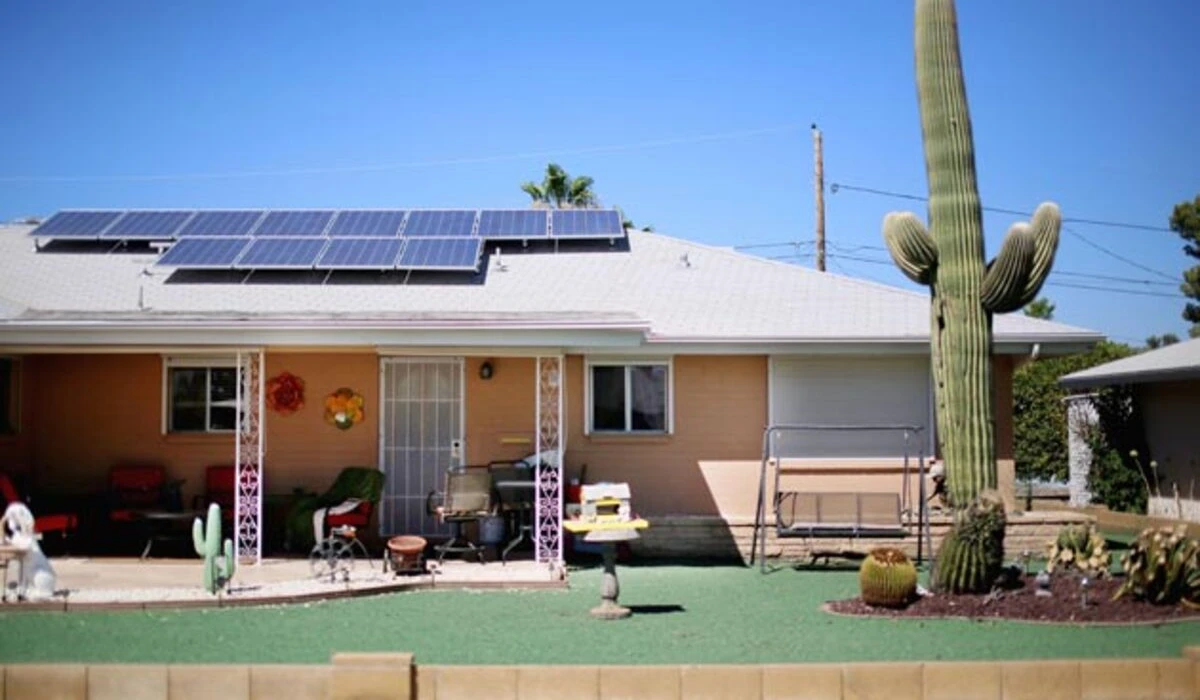
Imagine stepping outside your Phoenix home on a scorching summer afternoon, feeling the sun beating down, and thinking, ‘If only I could turn all that heat into cheap, clean power for my house.’
That’s the exact moment many of us realize that solar panel installation Phoenix isn’t just a buzzword—it’s a practical solution that can shrink those dreaded electric bills.
But the idea of mounting panels on your roof can feel overwhelming, especially when you’re juggling work, family, and a never‑ending to‑do list.
You might wonder, ‘Do I really need a solar pro, or can I DIY?’ or ‘Will the desert heat actually mess with the panels?’
Here’s what I mean: the right system, installed by folks who know the local climate, can keep your home cool, your wallet happier, and your carbon footprint lighter—all while you keep sipping that iced coffee on the patio.
We’ve seen homeowners in the Valley go from sky‑high bills to a steady, predictable monthly payment, sometimes even net‑zero, after a smooth installation process.
And the good news? Phoenix offers plenty of sunshine—think 300+ sunny days a year—so your panels have a built‑in advantage that many other cities just don’t get.
Still, there are a few things you should keep in mind before you sign a contract: roof orientation, permitting quirks, and choosing a reputable installer who backs their work.
Think about it this way: a solid solar panel installation Phoenix plan is like a well‑planned road trip. You map the route, check the vehicle, pack the snacks, and then enjoy the ride without unexpected detours.
In the next sections, we’ll break down exactly how to evaluate your home, what to expect during the install day, and how to keep your system humming for years to come.
So, ready to turn those endless rays into real savings? Let’s dive in.
TL;DR
Solar panel installation Phoenix can slash your electric bill, boost home comfort, and turn endless desert sunshine into clean, predictable energy. Choose a local pro, align your roof properly, and enjoy lower costs and a greener footprint within months, plus peace of mind knowing your system is built for Phoenix heat.
Assess Your Home’s Solar Potential
First thing’s first – you’ve probably stood on your roof or looked up at the sky and thought, “Is this roof even worth the hassle?” Trust me, you’re not alone. Most Phoenix homeowners wonder if their roof’s orientation, shade, or age will make or break a solar investment.
Here’s a quick reality check: a south‑facing roof with minimal shade captures the most sun in the Valley. If you’ve got a west‑facing roof, you can still make it work, but you might need a slightly larger system to hit the same production numbers.
Step 1: Map Your Sun Exposure
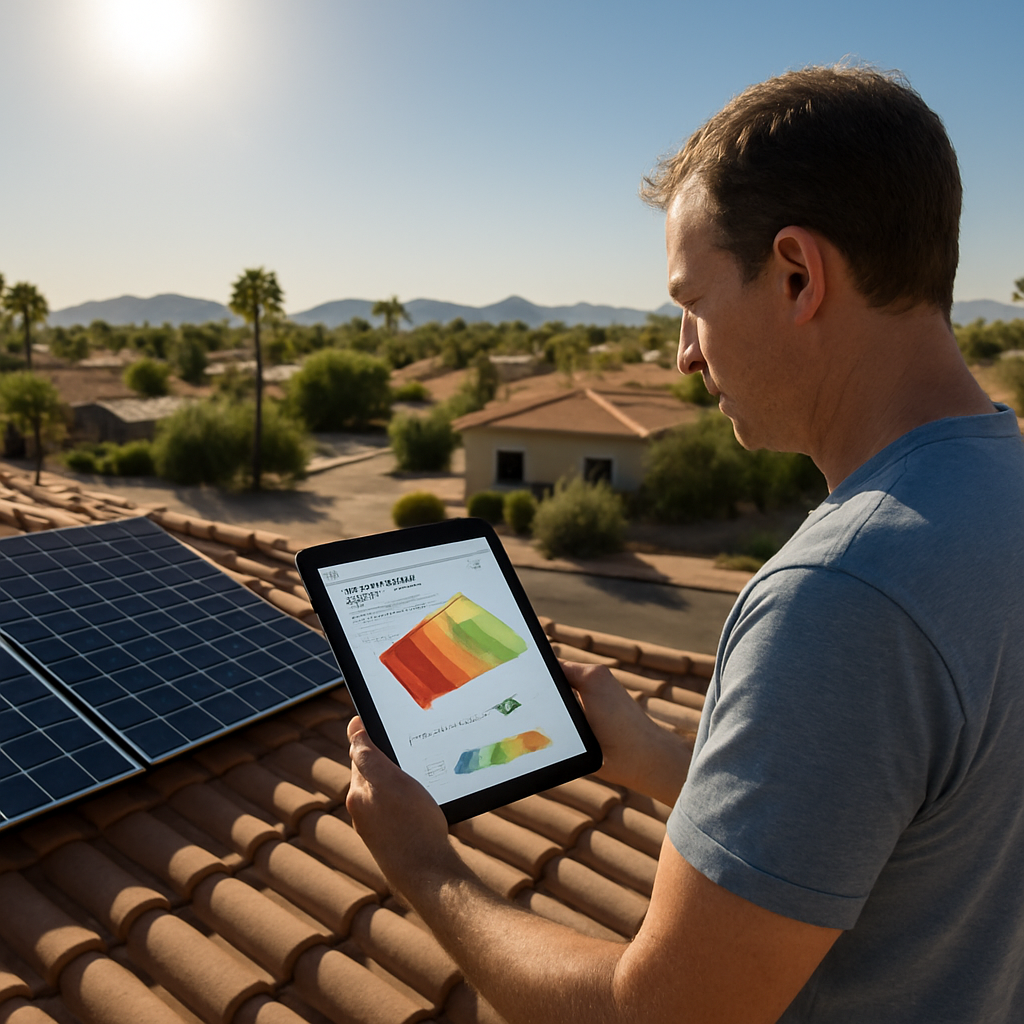
Grab a free online solar map – many utilities and solar installers offer one. Look for the solar‑irradiance overlay for your address. In Phoenix, you’ll typically see 5‑6 kWh/m²/day, which is fantastic. Write down the average peak‑sun hours for each side of your house.
Next, walk around your property at noon on a clear day. Notice where shadows from trees, chimneys, or neighboring roofs creep onto your panels. Even a small overhang can shave off 10‑15% of your output.
Step 2: Check Roof Age and Condition
Solar panels last 25‑30 years, so you don’t want to install them on a roof that needs replacement in five. If your shingles are older than 10‑15 years, budget for a roof refresh before the panels go up. A sturdy, well‑ventilated roof also helps keep the panels cooler, which improves efficiency.
Ask yourself: “Do I have any leaks? Are there any soft spots?” If you’re unsure, a quick inspection by a local pro can save you headaches later.
Step 3: Calculate Your Energy Needs
Pull your last 12 months of electric bills and average the monthly kWh usage. Most Phoenix homes hover around 1,000‑1,200 kWh per month. Divide that by the average sun hours you noted earlier to get a rough system size. For example, 1,200 kWh ÷ 5.5 sun hours ≈ 218 kW of panels, which translates to roughly a 7‑8 kW system after accounting for losses.
Don’t forget to factor in future changes – an electric vehicle, a new HVAC unit, or a growing family can all push your demand up.
Step 4: Use a Solar Design Tool
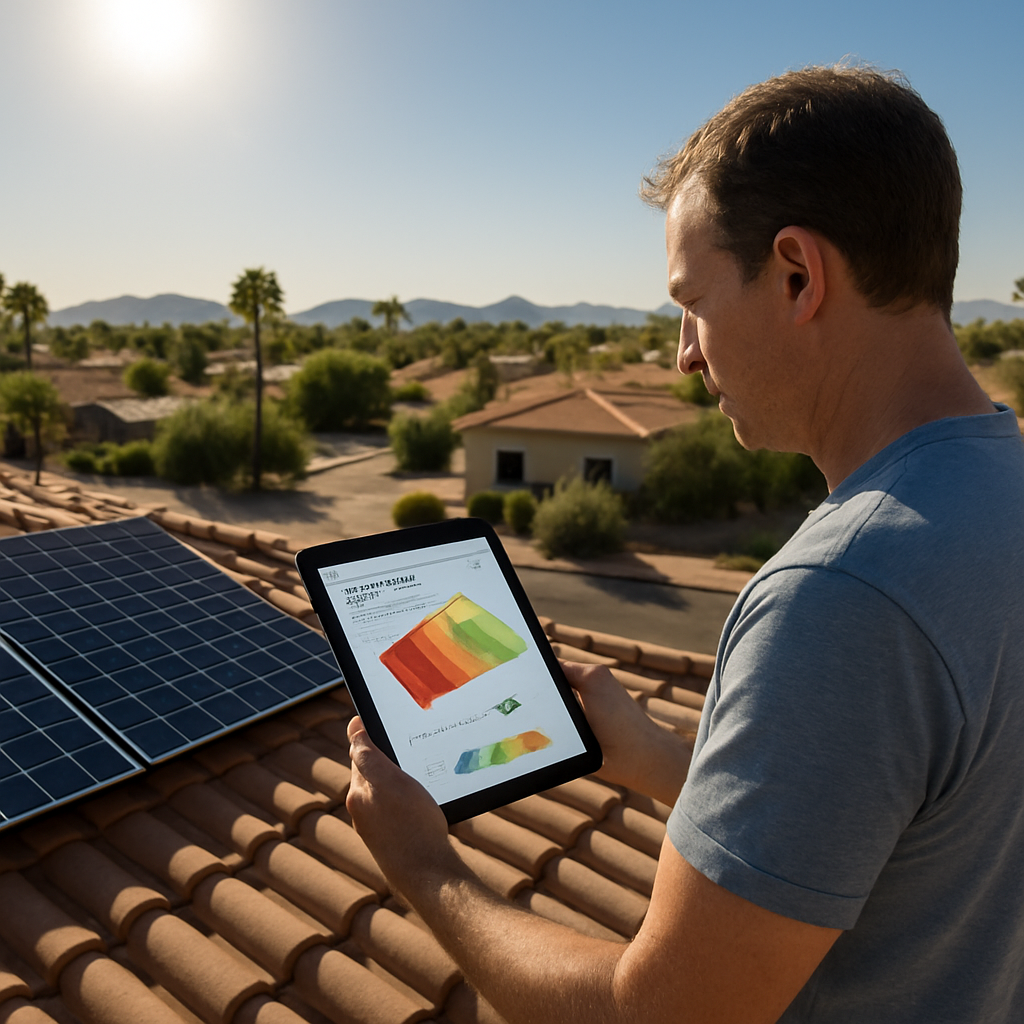
Many installers, including Solar Energy Installation in Phoenix, AZ & Texas, offer a free online design tool. Input your address, roof dimensions, and shading info, and the calculator will spit out an estimated system size, production, and even a ballpark cost.
It’s a handy sanity check before you call a contractor. If the tool says you need a 12 kW system for your roof, but you only have space for 8 kW, you’ll know you need to prioritize or consider a ground‑mount option.
Step 5: Consider the Bigger Picture
Solar isn’t just about panels on a roof. If you’re already thinking about an electric vehicle, you might want to pair your solar system with an EV charger. Check out Selene – your AI‑powered EV assistant for tips on optimizing charging with solar production.
And if you’re in the middle of a home makeover, the Rural Renovations guide can give you a step‑by‑step plan to integrate solar into your broader renovation budget.
Now that you’ve got the basics down, let’s see how the numbers look for a typical Phoenix roof.
In the video, you’ll see a live demo of a roof assessment tool in action – it walks you through measuring roof dimensions, inputting shading data, and getting a quick production estimate.
Choose the Right Solar Panels for Phoenix Climate
When the Phoenix sun feels like a furnace, you quickly realize not every panel will survive the heat. Picking the right solar panels isn’t just about price—it’s about how the cells behave when temperatures soar above 100°F.
Here’s the quick reality check: most panels lose a bit of efficiency as they heat up. That loss is measured by the temperature coefficient, expressed as a percentage per degree Celsius. A lower (more negative) number means the panel holds onto its power longer under desert heat.
Panel Technology
Monocrystalline panels dominate the residential market today. They’re made from a single crystal of silicon, which gives them the highest efficiency—often 20 %‑22 % in lab conditions. In Phoenix, that extra efficiency translates to more kilowatts on the same roof space, and a smaller drop when the thermostat spikes.
Polycrystalline panels, built from multiple silicon shards, usually sit a few points lower on the efficiency chart (15‑17 %). They’re cheaper per watt, but the temperature coefficient is often a touch worse, so you might see a 0.5 %‑0.6 % efficiency loss per °C compared to 0.35 %‑0.4 % for monocrystals. In a climate that regularly climbs 40 °C above standard test conditions, that difference adds up.
Temperature Rating
Look for a temperature coefficient of –0.35 %/°C or better. That spec tells you the panel will lose only about 3‑4 % of its output when the sun hits 120°F, which is common in mid‑summer Phoenix. Some premium brands even advertise –0.28 %/°C, keeping performance almost flat under extreme heat.
Another metric to watch is the NOCT—Nominal Operating Cell Temperature. Panels with a lower NOCT (around 45‑48 °C) stay cooler on the roof, which again protects output. If a spec sheet lists a NOCT of 55 °C, expect a noticeable dip on the hottest days.
Warranty & Longevity
Because you’re planning to sit on these panels for 25‑30 years, a solid warranty is non‑negotiable. Look for a product warranty of at least 25 years and a performance guarantee that pledges no more than a 0.5 % annual degradation. The best local installers in Phoenix often pair those warranties with a labor guarantee that covers mounting issues caused by thermal expansion.
Don’t forget the inverter’s warranty either—most inverters are rated for 10‑12 years, but many manufacturers now offer a 15‑year extension that aligns with the panel life.
Cost Considerations
Now, let’s talk dollars. As of 2025, the average cost in Phoenix sits around $2.77 per watt after the federal 30 % tax credit, meaning a typical 7.2 kW system lands near $13,960 (SolarReviews cost breakdown). Bigger systems get a lower per‑watt price, but they also require more roof space and a higher upfront outlay.
When you compare monocrystalline to polycrystalline, the price gap might be $0.10‑$0.15 per watt. That sounds small, but on a 7 kW roof it’s a $700‑$1,050 difference. Weigh that against the extra energy you’ll harvest each summer—often enough to offset the upfront gap within three to four years.
If you’re a visual learner, this short video walks through the key panel specs you should be checking on a sunny Arizona roof.
Finally, a quick checklist to keep you from getting lost in the jargon:
- Choose monocrystalline with ≤‑0.35 %/°C coefficient.
- Verify NOCT ≤48 °C.
- Ensure 25‑year product warranty & performance guarantee ≤0.5 %/yr degradation.
- Confirm inverter warranty ≥10 years.
- Compare total installed cost (including permitting) to the $2.77/W benchmark for Phoenix.
- Ask installer about local temperature testing or desert‑rated frames.
By ticking those boxes, you’ll end up with a solar array that actually thrives under Phoenix’s relentless sun, keeps your bills low, and lasts for decades. Ready to start shopping? Grab a few quotes, compare the specs, and let the numbers do the talking.
Step-by-Step Installation Process
Okay, you’ve done the homework on orientation and panel choice, and you’re ready to actually get those panels on your roof. Here’s what the whole “Solar panel installation Phoenix” journey looks like, broken down into bite‑size steps so you know exactly what to expect.
1. Sign the contract and lock in a start date
Once you’ve chosen a reputable installer, you’ll sign a simple agreement that outlines system size, equipment, and price. Most Arizona companies ask for a modest deposit – think $500 to $1,000 – just to reserve your spot on the crew’s calendar.
Because Phoenix installers often have a backlog during the sunny months, getting on the schedule quickly can shave weeks off the timeline.
2. Site survey and custom design (1‑2 weeks)
Within a day or two of signing, a certified technician swings by to measure your roof, check structural integrity, and snap photos of your electrical panel. They’ll also run a shading analysis using a solar pathfinder app.
All that data is sent to the in‑house engineering team, which drafts a CAD‑style layout showing exactly where each panel will sit and how the wiring will run.
We’ve seen families in East Phoenix get a surprise upgrade after the survey – a small adjustment to the rack angle boosted their projected output by about 8 %.
3. Permits, HOA approvals, and utility paperwork (2‑4 weeks)
Next comes the paperwork. Your installer submits building and electrical permits to the city, and if you live in a community with an HOA, they’ll forward the design for approval.
In Phoenix, the permitting process is usually smooth, but it can stretch to four weeks if the city’s planning office is swamped. A good installer will chase the status for you so you don’t sit around waiting.
4. The big day – installation (1‑2 days)
When the permits are stamped, the crew rolls up in a fully stocked truck. They start early, often before 9 a.m., to dodge the afternoon heat.
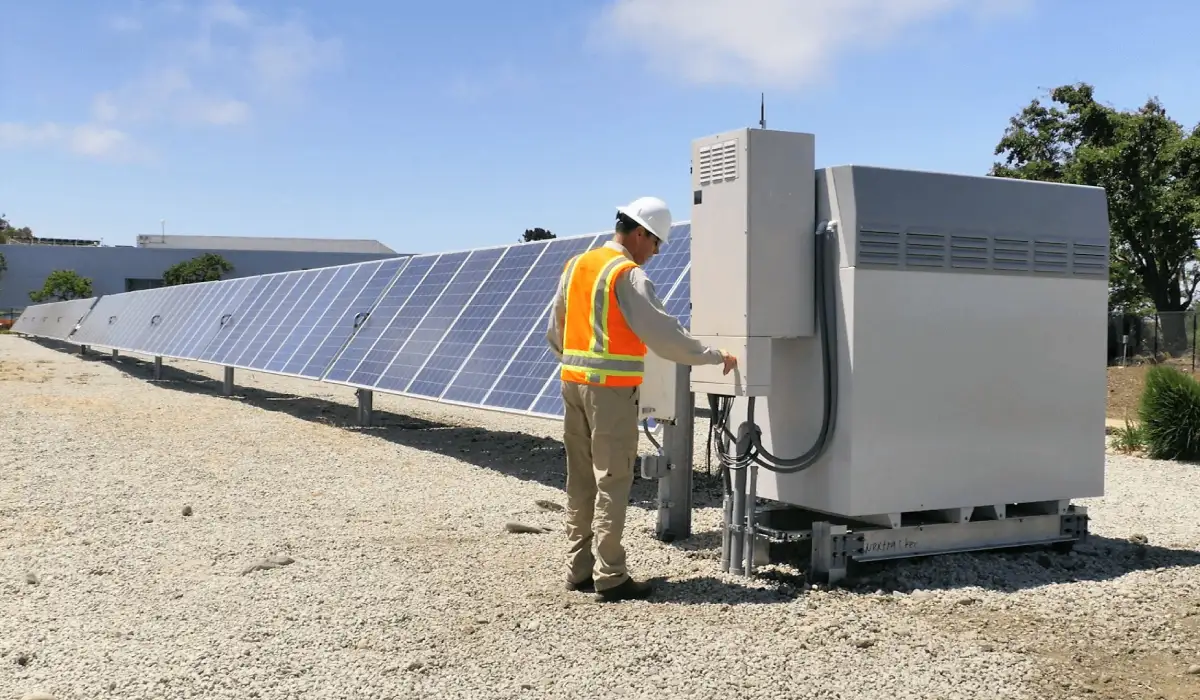
First they attach the mounting rails to the roof, making sure there’s enough clearance for air flow – that’s crucial in a desert climate. Then the panels are lifted into place, wired to micro‑inverters, and the conduit is run back to your breaker panel.
Most residential jobs in Phoenix are wrapped up in a single day; larger or more complex roofs might need a second day.
5. Testing, inspections, and utility interconnection (2‑3 weeks)
After the hardware is up, the crew runs a quick “soft” test to catch any loose connections. They then hand the paperwork to the city building department and your utility for the final inspection.
Inspections usually take a week or two, depending on the inspector’s schedule. Once the city signs off, the utility schedules a net‑meter installation – that’s the device that lets you feed excess power back onto the grid.
6. System activation and monitoring set‑up (1‑2 days)
When the new meter is in place, the installer flips the switch, walks you through the monitoring app, and shows you how to read your production numbers.
From that point on, you’ll see real‑time data on your phone, and you’ll know exactly how much sunshine you’re turning into savings.
Want a quick visual of this timeline? Solar Topps breaks down the typical 6‑10 week process for Arizona homes, and the steps line up almost exactly with what you’ll experience.
So, what’s the next move? Grab a few quotes, ask each installer to walk you through these six steps, and pick the team that makes the process feel like a smooth ride instead of a mystery. With the right partner, your “Solar panel installation Phoenix” project can go from contract to clean energy in just a couple of months.
Cost Breakdown and Incentives
When you finally decide to go solar in the Valley, the first thing that pops into most people’s heads is the price tag. I get that—you’re looking at your bank account and wondering if the dream of clean energy will break it.
Step 1: Understand the baseline cost
In Phoenix, a typical 5 kW residential system runs about $10,300 before any rebates or tax credits, according to the latest market data. That number translates to roughly $2.06 per watt, which is a solid benchmark for comparing quotes.
Keep in mind that “per‑watt” pricing lets you see how a 7 kW or 10 kW system will scale—double the size, roughly double the price.
Step 2: Break down the line items
Here’s a quick look at where that $10,300 goes:
| Cost Category | What’s Included | Typical Share |
|---|---|---|
| Solar panels | Modules, mounting hardware | ≈ 45 % |
| Inverter & electronics | Micro‑inverters or string inverter, wiring | ≈ 20 % |
| Labor & installation | Roof prep, mounting, electrical work | ≈ 25 % |
| Permits & fees | City building permit, utility interconnection | ≈ 10 % |
Those percentages are averages—you might see a higher panel cost if you opt for premium monocrystalline cells, or a larger labor share if your roof is tricky.
Step 3: Hunt for incentives
Even though the federal Investment Tax Credit (ITC) drops to zero after 2025, Arizona still offers a handful of cash‑back programs. Most homeowners qualify for a state rebate that chips off a few thousand dollars, and many utilities run net‑metering credits that let you sell excess sunshine back to the grid.
Don’t forget local utility incentives—some providers match a portion of your system cost if you enroll in their demand‑response program. It’s worth asking each installer what specific rebates they’ve captured for recent Phoenix customers.
Step 4: Compare financing options
If paying $10k upfront feels steep, you have three main routes: a traditional loan, a $0‑down loan, or a lease/PPA. With a loan, your monthly payment should be lower than your current electric bill to see immediate cash flow benefits. A lease or PPA requires no money down, but the long‑term savings are usually smaller because you never own the equipment.
Run the numbers with a simple spreadsheet: take the total system cost, subtract known incentives, spread the remainder over the loan term, and compare that monthly amount to your average bill.
Step 5: Calculate your break‑even point
EnergySage estimates that the average Phoenix homeowner saves about $47,500 on electricity over a 25‑year panel life. Divide that total savings by the net cost after incentives, and you’ll see a payback period in the high‑single‑digit years—often 7 to 9 years.
That means after the system pays for itself, every sunny day is pure profit.
Quick checklist before you sign
- Get at least three detailed quotes with line‑item pricing.
- Verify each quote includes local rebates and net‑metering assumptions.
- Ask the installer to show the warranty terms for panels, inverters, and labor.
- Confirm the installer will handle all permitting and utility paperwork.
- Run a break‑even calculation that factors in your current monthly bill.
Because the federal tax credit expires after 2025, you’ll want to lock in any remaining state credits now. Arizona’s Residential Solar Energy Tax Credit still offers up to 25% of system cost, but it’s capped at $1,000 per household. Check the Arizona Department of Commerce website or ask your installer to submit the paperwork on your behalf.
Pro tip: schedule a post‑install inspection with your local building department yourself. Even if the installer handles the official check, a fresh set of eyes can catch loose conduit or mis‑wired breakers before your warranty claim window opens.
And remember, the biggest savings come from the sun itself—Phoenix averages more than 300 sunny days a year. The more you let the panels breathe with proper spacing and a clean roof, the closer you get to that 47k‑dollar lifetime figure.
Once you’ve crossed those boxes, you’ll feel confident that your “Solar panel installation Phoenix” project is not just affordable—it’s a smart financial move that pays off year after year.
Hiring Licensed Installers in Phoenix
You’ve done the orientation, tilt, and shading homework, and now the big question looms: who do you actually trust to put those panels on your roof? In Phoenix, a licensed installer is the difference between a system that hums along for 25 years and a nightmare that leaves you scrambling for permits.
So, how do you separate the pros from the pretenders? Below is a step‑by‑step playbook that turns the hiring process into a series of quick, confidence‑building checkpoints.
Step 1: Verify license, insurance, and certifications
First thing’s first – ask for the contractor’s Arizona C‑46 electrical license number and a copy of their liability insurance. A quick lookup on the Arizona Registrar of Contractors website will tell you if the license is current and if any complaints have been filed.
If the installer also carries NABCEP (North American Board of Certified Energy Professionals) certification, that’s a strong signal they’ve passed a national competency test. You don’t need a Ph.D., but you do want proof that they’re educated about the desert climate.
Step 2: Scrutinize local reputation
Word‑of‑mouth still beats Google rankings in the Valley. Ask the installer for at least three recent Phoenix customers and call them. “Did the crew show up on time? Did they leave the job site clean? Did the system meet the production estimate?” are the kinds of questions that surface red flags.
Online reviews matter, too. Look for patterns – a handful of five‑star comments is nice, but a steady stream of five‑star reviews over a year or two is what you want. One local homeowner told me, “We paid $300 a month before solar, now it’s under $70, and the installer handled every inspection without a hitch.” That kind of testimonial is gold.
Step 3: Dive into warranties and performance guarantees
Every reputable installer should back their work with a written warranty that covers both the equipment and the labor. Look for a minimum 25‑year product warranty on the panels and at least a 10‑year warranty on the inverter. Labor warranties vary, but a three‑year guarantee is a good baseline.
Some installers, like Arizona’s most trusted solar installer, bundle a performance guarantee that promises no more than 0.5 % annual degradation. That extra promise can be the deciding factor when you compare quotes.

Step 4: Compare quotes line‑by‑line
When the numbers arrive, don’t just glance at the total. Break the estimate into panels, inverter, mounting hardware, labor, permits, and any “misc.” fees. If one quote looks low because it’s skimping on labor, you’ll pay later when something needs fixing.
Ask each contractor to explain any “soft costs” such as utility interconnection fees or HOA approval fees. Transparent pricing shows they’ve done their homework on permitting, which is a big time‑saver for you.
Step 5: Confirm they handle permits and utility paperwork
In Phoenix, the city building department and the local utility (APS or SRP) require separate permits. A seasoned installer will submit both the building permit and the electrical permit, then chase the utility for the net‑metering agreement. If they say “we’ll do it for you,” get that promise in writing.
Skipping this step is a common mistake. When permits are left to the homeowner, you can end up with weeks of delay, extra fees, or even a failed inspection.
Step 6: Schedule a detailed site visit before you sign
Before you hand over a deposit, ask the installer to come back with a detailed layout: exact panel placement, racking angle, and wiring route. This is where you can verify that the design respects the 2‑inch clearance needed for airflow in the desert heat.
During the walk‑through, request a shade‑analysis report. Many companies use drones or LiDAR scans to catch hidden obstacles – it sounds fancy, but it saves you from surprise shading later.
Now you have a checklist to keep you from getting blindsided:
- License number verified on state website
- Proof of liability insurance and NABCEP certification
- Three recent Phoenix references contacted
- Written equipment + labor warranty (≥25 yr panels, ≥10 yr inverter)
- Line‑item quote with clear soft‑cost explanations
- Written commitment to handle all permits and utility paperwork
- Site‑visit layout with clearance and shading analysis
Take these steps, and you’ll feel confident that the team you hire won’t just install panels – they’ll install peace of mind. When the crew finally climbs onto your roof, you’ll know you’ve done the heavy lifting up front, so the only thing left is to watch the sun do the rest.
Maintenance, Monitoring, and Long-Term Savings
Now that the panels are humming on your roof, the real work begins: keeping them clean, checked, and connected so the savings keep flowing.
First thing’s first – schedule a quick visual walk‑through after the first month. Look for dust, bird droppings, or loose bolts. In Phoenix the desert grit settles fast, and a thin layer of sand can shave a few percent off your output.
Step 1: Routine cleaning (and why it matters)
Most homeowners think “once a year is enough.” Actually, a monthly rinse during the peak summer months is a sweet spot. A professional cleaning crew can use soft brushes and low‑pressure water to avoid scratching the glass. According to a local panel‑care specialist, regular cleaning can preserve up to 3 % more energy each year Panel Protectors USA explains the impact of dust on performance.
Don’t forget the corners: gutters, vent pipes, and the edges of the racking system collect debris that can trap heat. A quick swipe with a garden hose after a windy day does the trick.
Step 2: Pest‑proofing and inspection
It sounds odd, but pigeons love solar roofs. Their nests add weight and their droppings are acidic. A simple mesh screen installed around the rack’s base keeps the birds out without shading the panels. Panel Protectors also offers a pest‑proofing add‑on that many Phoenix owners swear by.
While you’re there, tighten any loose screws and check the inverter’s LEDs. Most inverters have a diagnostic light that turns amber when temperature climbs too high – a sign you might need extra clearance.
Step 3: Set up real‑time monitoring
Every modern system comes with an app that streams kilowatt‑hour data to your phone. The first time you log in, take a screenshot of today’s production and compare it to the same day last year. If the numbers dip by more than 5 % without a weather change, something’s off.
Solar Topps notes that ongoing monitoring paired with quick service calls “keeps performance within warranty expectations for decades” Solar Topps highlights the value of long‑term service. Use the app’s alerts to schedule a professional check‑up before the warranty expires.
Step 4: Create a maintenance log
Grab a cheap notebook or a digital spreadsheet. Record the date of each cleaning, any pest‑proofing work, and the inverter’s temperature reading. Add a column for “notes” – that’s where you jot down odd noises or a sudden drop in output.
This log becomes your evidence if a warranty claim ever arises. Many manufacturers ask for proof of regular maintenance before they honor a replacement.
Step 5: Review savings annually
At the end of each year, pull your utility bills and the production report from the monitoring app. Subtract the total kilowatt‑hours you exported to the grid (net‑metering credits) from what you consumed. The difference is your true cash‑in hand.
If the gap is shrinking, it might be time to add a battery or upgrade to a higher‑efficiency inverter. Even a small battery can shave peak‑hour rates and smooth out the monsoon‑season dips.
Step 6: Plan for long‑term component health
Panels themselves degrade about 0.5 % per year. Over 25 years that’s a 12‑13 % drop – still a solid return on a system that cost $2.77 per watt in Phoenix. Keep an eye on the warranty expiry dates and schedule a professional inspection at the 10‑year mark. Most installers will offer a performance guarantee that you can cash in if output falls below the promised threshold.
And remember, the biggest money‑saver isn’t a fancy gadget; it’s consistency. A few minutes of cleaning, a quick glance at the app, and a note in your log every few months keep the system humming and the bills low for decades.
FAQ
Below are the most common questions we hear from Phoenix homeowners about getting solar panels on their roof, along with practical answers to help you move forward with confidence today now.
How much does a solar panel installation in Phoenix typically cost for a homeowner?
The upfront price varies with system size, but most Phoenix homeowners see a 5 kW residential array priced between $10,000 and $12,000 before rebates. That works out to roughly $2.00–$2.40 per watt installed. After the federal ITC (30 % if you’re still eligible) and any state rebates, the net cost often lands in the $7,000‑$9,000 range, making the investment pay back in about 7‑9 years.
What permits and inspections are required for solar panel installation Phoenix?
In Phoenix you’ll need a building permit from the city and an electrical permit for the inverter hookup. The utility (APS or SRP) also requires a net‑metering interconnection application. Most installers bundle the paperwork, but you should confirm they’ll submit the plans, schedule the city’s final inspection, and obtain the utility’s approval before the system is energized.
How long does the whole installation process take from contract to activation?
A typical residential project runs about 6‑10 weeks. You sign the contract (week 1), get a site survey and design (weeks 1‑2), wait for permits (weeks 2‑4), the crew installs the hardware in one or two days (week 5), then the city and utility inspect (weeks 5‑6). Once cleared, the installer flips the switch and you start monitoring.
Do I need a special roof or structural upgrades before installing panels in Phoenix?
Most roofs in Phoenix can handle a solar array, but you’ll want a solid, leak‑free surface and enough structural capacity for the extra weight (about 2–4 lb per panel). If your roof is older than 10 years or has extensive shingle damage, it’s wise to repair or replace it first. A professional installer will verify load limits during the site survey.
What maintenance tasks should I schedule to keep my Phoenix solar system performing?
A quick visual check each month is enough for Phoenix’s dusty climate—look for dust, bird droppings, or loose bolts. Clean the panels with a hose or soft brush during the hot summer months; a monthly rinse can preserve up to 3 % more output. Log the cleaning date, inverter temperature, and any odd noises, then compare monthly production in your monitoring app to catch early issues.
Can I combine a battery storage system with my solar panel installation Phoenix, and is it worth it?
Yes—you can add a battery like the Tesla Powerwall or a locally‑sourced lithium system during the same install. The battery stores excess midday energy for night‑time use and can shave peak‑hour rates, especially when summer demand spikes. In Phoenix, a 10‑kWh battery typically costs $7,000‑$9,000 before incentives; paired with solar it often shortens the payback period by a year or two, making it a smart upgrade if you’re looking to maximize self‑consumption.
Conclusion
By now you’ve seen how a well‑planned Solar panel installation Phoenix can turn the desert sun into a steady cash‑flow machine for your home or business.
We walked through sizing the system, picking panels that stay efficient under 120°F, getting the right permits, and keeping the array clean enough to avoid that dreaded 3 % loss each summer.
What does that mean for you? It means you can start with a modest 5 kW system, watch the meter spin backwards, and watch your electric bill shrink month after month.
So, what’s the next step? Grab a few quotes, ask each installer to break down labor, panels, and permits, and make sure they’ll handle the city and utility paperwork for you.
Once the crew is on your roof, set a reminder to hose down the panels once a month and log the date in a simple notebook. That tiny habit often pays for itself within a year.
Remember, solar isn’t a one‑time purchase; it’s a partnership with the sun. With the right installer and a bit of routine care, you’ll enjoy clean energy and lower bills for decades.
Ready to see the numbers for your own house? Give Sean Whitmer a call today and let the sunshine start working for you.
And if you ever wonder whether the investment was worth it, just glance at the savings on your utility statements—most Phoenix families see a $400‑$500 drop in their monthly bill within the first year.