Let me cut to the chase: if you’re standing on the threshold of installing solar panels, the first question that’s going to pop up is, ‘How am I going to pay for it?’
You’re not alone. Every homeowner, every small business owner, and even the folks who just bought a new solar battery are wrestling with that same math.
In truth, the good news is that solar panel financing options have exploded in the past decade. From zero‑down leases to 30‑year loans and even community‑owned power purchase agreements, there’s a plan that can fit almost any budget.
But what does that really mean for you? Let’s break it down with a quick mental model.
First, think of the upfront cost as a lump‑sum versus a recurring line item on your bank statement. A lease keeps that lump‑sum at zero, while a loan spreads it over years with interest and daily payments over the next decade.
Second, consider the ownership angle. When you own the system, you’re the boss of the electricity, the maintenance, and the resale value. When you lease, you’re basically renting the sun.
The federal tax credit tops out at about 30% of the total cost, but it tapers over time. Homeowners in states with extra rebates can cut the net cost in half.
Now, picture this: you sign a 10‑year lease, your electric bill drops by 25%, and you’re still free to upgrade to a battery in a few years.
So, what’s the takeaway? There isn’t a one‑size‑fits‑all answer, but there are clear, proven ways to turn the upfront cost into a long‑term savings machine.
In the next part, we’ll dig into each option—what the pros and cons are, how to calculate the real savings, and when it makes sense to go full‑ownership versus lease.
TL;DR
Solar panel financing options let homeowners and businesses choose between zero‑down leases, low‑interest loans, or community purchase plans that spread costs and lock in energy savings.
By comparing tax credits, rebates, and long‑term savings calculators, you can pick the strategy that turns a single investment into a power budget win.
Step 1: Evaluate Your Eligibility for Solar Panel Financing
Let’s cut to the chase: figuring out if you qualify for solar panel financing is the first step that turns a dream into a doable plan.
Credit cards, home equity lines, and even utility‑backed loans are the usual suspects, but the real game‑changer is the federal tax credit that can wipe almost a third off the bill.
This is the foundation before you start shopping.
You’re not just asking if the money is there—you’re asking if the paperwork, credit score, and property eligibility all line up so the lender will actually sign on.
Many folks skip the hard part and dive straight into a lease, thinking zero‑down means zero risk. In reality, you’re still paying interest, and you never own the roof’s worth.
That extra cushion can also cover unexpected maintenance or a battery upgrade later.
Putting the tax credit into the equation changes the math: a 30% lift can bring a $10,000 system down to $7,000 before you even consider monthly payments.
Your credit score is the gatekeeper. Most lenders look for 680 or higher, but some community banks will stretch to 620 if you have a solid payment history.
Before you even pick a lender, check your credit score, review your current mortgage terms, and make sure your roof can handle the weight—yes, even the panels weigh a few hundred pounds.
Once you have that baseline, it’s time to run a few numbers. A quick online solar‑financing calculator will tell you how much you owe each month versus the savings you’ll lock in.
Loans give you ownership but bring interest; leases keep your cash on hand but you’ll pay a monthly fee that can rise over time. Pick the one that fits your risk tolerance.
That’s where our Why Choose Solar Power guide comes in handy—it walks you through the eligibility matrix and shows you which lender will match your financial profile.
The clip above is a quick walkthrough of how the tax credit is applied, so you can see the numbers jump off the page.
Remember, the credit is just the start—once you’ve decided on a loan term, you’ll need to compare the interest rates, balloon options, and any service fees that could eat into your savings.
If you’re curious about how the numbers break down over ten years, a quick amortization schedule will lay out each payment, the cumulative interest, and the total savings.
Just give us a call.
If you’re also looking to boost resale value, a real‑estate agent can pair a solar system with a home sale strategy—check out A Brady Brokerage for listings that appreciate solar installations.
And if you’re thinking of adding a splash of style to your porch, outdoor lighting can be powered by the same solar budget—reach out to LED‑Artistry to see how much you can save.
So, after you’ve scoped your credit, roof, and financing options, you’ll be armed with a clear cost‑to‑benefit picture—time to call and lock in the deal that keeps the sun on your side.
Step 2: Compare Loan, Lease, and Power Purchase Agreement (PPA) Options
We’ve already checked that you’re credit‑ready and that your roof’s sunny.
Now we dive into the money side—what’s the right way to pay for that roof of light?
Think of the three main options as different ways to grab the same sunshine, each with its own rhythm and vibe.
Loan: The Classic Pay‑Down Path
With a loan, you take ownership from day one. It’s like buying a car: you sign a contract, pick a term—usually 10 to 25 years—and then make fixed payments each month.
The big win is that you own the panels and the electricity, so every dollar you save on your bill adds straight to your equity.
But loans aren’t all sunshine. You’ll see interest add up, and the monthly payment can feel like a chunk of your budget that never goes away.
If your credit is strong, you can snag a low APR—sometimes as low as 3%—but if it’s a bit shaky, the rate climbs.
Here’s what we’ve seen at Pep Energy: homeowners who lock in a 15‑year loan at 3% can see their monthly payment fall below $100 after the tax credit, making it a great match for those who want to own and plan to stay put.
Lease: The Zero‑Down, No‑Maintenance Route
A lease keeps the panels in the company’s hands. You pay a fixed monthly fee, often between $100 and $150, and the installer handles maintenance and repairs.
Leases are perfect for people who don’t want the hassle of ownership or who might move in the next few years.
The price is predictable, and you’re not responsible for the panels’ upkeep.
The downside? You never own the system, so you miss out on the full tax credit and the resale bump that comes with a solar roof.
Plus, lease rates can rise every few years—so it’s smart to lock in a rate if you plan to stay long enough.
Power Purchase Agreement (PPA): Pay for the Energy, Not the Panels
A PPA is a hybrid of the two. Instead of owning the hardware, you buy the power it generates at a fixed rate per kWh, usually lower than your utility rate.
With a PPA, there’s no upfront cost, and the company owns and maintains the system.
It’s a good fit for businesses that want to control their energy cost without an upfront investment.
The trick with PPAs is that you pay per unit of electricity, so if your usage spikes—say during a heat‑wave season—you’ll see a higher bill.
However, the rate is often locked in for 10 to 20 years, giving you a shield against rising utility prices.
We often recommend PPAs for commercial clients who want predictable costs and a steady return on their energy usage.
So, how do you pick?
Ask yourself these quick questions: Do you want to own the panels outright? Do you prefer a predictable monthly cost? Are you comfortable paying for the energy it produces? And how long do you plan to stay in the house or building?
Start by running a simple comparison: take your expected solar production, plug it into a loan calculator, a lease rate sheet, and a PPA rate.
Add the tax credit, local rebates, and net‑metering credit if you qualify.
Let me drop a handy resource: we’ve compiled a side‑by‑side comparison spreadsheet that shows the total cost of ownership, total savings, and break‑even point for each option. Reach out to us at Pep Energy, and we’ll walk you through the numbers.
We’ve found that many homeowners who start with a lease often switch to ownership after a few years when their credit improves or when they see the long‑term savings from owning the panels.
And for business owners, the decision often comes down to cash flow: a lease keeps the balance sheet lean; a loan gives you a tax deduction and an asset.
At the end of the day, the right choice hinges on your financial comfort zone, how long you plan to stay, and whether the ownership perks outweigh the upfront cost.
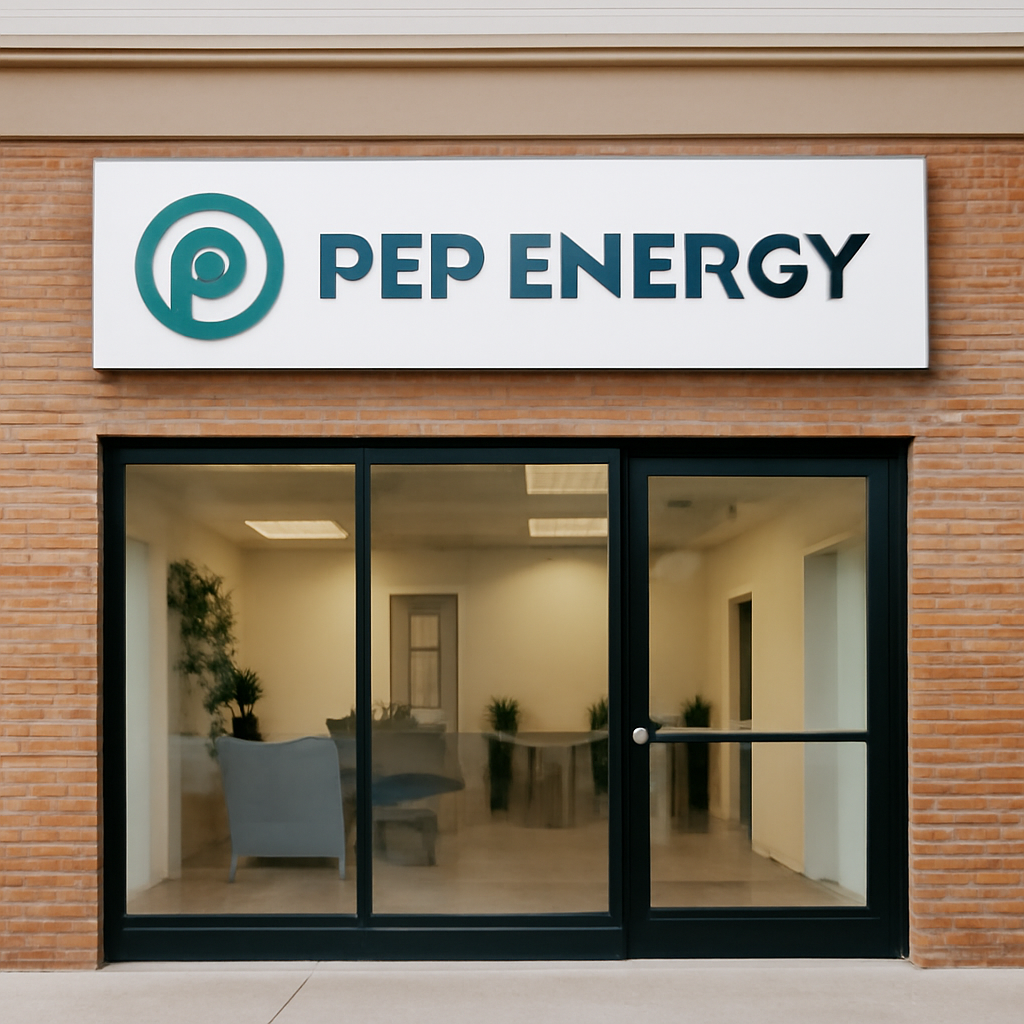
So, how do you crunch the numbers? Grab a calculator, jot down your monthly usage, and let the numbers guide you.
We’ll dive into how to negotiate each deal and get the best rates in the next section.
And don’t forget: solar is a long‑term investment, so take the time to compare each option thoroughly.
We’re here to help you every step of the way—just give us a call or shoot us an email. The sun’s waiting.
Step 3: Understand Government Incentives and Tax Credits for Solar Financing
All of us have heard the buzz: federal tax credits can make a solar installation feel like a windfall. But the real trick is knowing how the numbers stack up against the loan, lease, or PPA you’re considering.
Federal Tax Credit: The 30% Lifeline
The federal investment tax credit (ITC) is the headline player. Right now it sits at 30% of your total system cost, but that’s only if you pay the full price up front or use a financing plan that lets you claim the credit against your tax return.
If you’re leaning toward a loan, the credit can be applied straight away when you file taxes, reducing your liability by a solid chunk. For leases and PPAs, the company typically fronts the cost, then passes the tax credit savings back to you in the form of a lower monthly bill.
Think of it like this: you get the same 30% break, but the timing shifts. It’s a matter of whether you want a one‑time tax break or an ongoing discount that rolls into your monthly payments.
State & Local Rebates: Layering the Savings
Most states have their own rebate programs that stack on top of the federal credit. These can range from a flat dollar amount per installed kilowatt to a percentage of the system cost. In some places, you can also get a property tax exemption or a special property tax reduction for owning solar.
For example, a homeowner in Texas could receive a $500 rebate per kilowatt installed, while a business in New Jersey might get a 15% credit on the system cost. Adding those to the federal 30% gives you a significant discount before the system even runs.
To stay on top, make a quick spreadsheet: list the federal credit, state rebate, and any local incentive. Plug that into your financing calculator and see the difference in your net cost and monthly payment.
Net‑Metering & Power Purchase Agreements: The Credit That Keeps Coming Back
Net‑metering policies let you send excess power back to the grid and earn credits that offset future bills. The value of those credits depends on your utility’s rate structure, but they can effectively reduce the payback period by a year or two.
For PPAs, the company often negotiates a fixed rate per kilowatt‑hour that includes the value of any net‑metering credits. That means you can lock in a lower electricity cost without touching your tax return.
Ask your installer how much of the net‑metering value gets passed on in a PPA or lease. In some markets, the company takes a bigger share, which can affect the long‑term savings.
Timing Is Everything: When to Apply the Credits
Tax credits must be claimed the year you file taxes, so if you finish installation in December, you’ll see the credit on the next tax return. For a loan, you can write it off immediately. For a lease, you’ll see the benefit spread over the lease term as a lower monthly fee.
That timing difference matters if you’re in a high‑income year. A one‑time credit can shave off hundreds of dollars from your tax bill, while a lease might smooth out savings over a decade.
Checklist: Make the Most of Every Incentive
- Confirm the current federal ITC rate before signing.
- Research state and local rebates for your exact ZIP code.
- Ask your installer to estimate how net‑metering credits will affect your monthly bill.
- Run a side‑by‑side comparison: loan with ITC vs lease with credit rollover.
- Keep a copy of all rebate approval letters; they’re handy for tax filings.
So, what does this mean for your financing plan? If you’re a homeowner who wants a clear, upfront break in taxes, a loan with a 30% ITC might be the sweet spot. If you prefer a predictable monthly payment and don’t mind a slightly smaller tax bite, a lease or PPA that passes the credit on could be the better fit.
For businesses, the decision often hinges on cash flow. A loan gives you a tax deduction that reduces operating expenses, while a PPA locks in a low electricity cost and keeps your balance sheet lean.
Bottom line: the government incentives are your secret weapons. Nail them into your financing equation, and you’ll turn the cost of solar into a long‑term savings machine.
Step 4: Solar Financing Options Comparison Table
Okay, we’ve unpacked the what’s, the why’s, and the how‑to’s. Now it’s time to bring it all together in one easy‑to‑read snapshot. Think of this as your personal cheat sheet for deciding which financing path feels like the right fit.
First off, let’s talk numbers. The dollar amount you hand over upfront is the biggest difference between a loan, a lease, or a PPA. A loan gives you ownership and a tax credit you can claim immediately. A lease keeps the price at zero out‑of‑pocket but spreads the cost across a decade.
Next, look at ownership. Ownership means the panels stay on your roof forever, and any future upgrades—like adding a battery—can be done on your terms. With a lease you’re in charge of everything, which can be a headache if you’re not ready to commit to a long‑term asset.
Then consider the tax angle. Loans let you snap up the full 30% federal credit right after installation. Leases pass that credit back to you through a reduced monthly fee, so you get a softer tax benefit over time. PPAs typically include the credit in the rate you pay, so you still benefit from a lower energy cost.
Cash flow is another big piece. If you have a tight budget, the zero‑down lease or a PPA might be the way to go. If you can afford a small monthly payment for a long time, a loan gives you a clear path to building equity in your home’s value.
And there’s the maintenance factor. With a loan, you’re in charge of everything, which can be a headache if you’re not into DIY. Leases and PPAs usually include a maintenance contract, so you can focus on the energy savings instead of the panels.
Does that make sense so far? Great. Let’s put it all together in a quick table.
| Feature | Loan | Lease | PPA |
|---|---|---|---|
| Up‑front cost | Full cost, with possible 30% credit applied immediately | $0 or minimal down payment | $0 |
| Ownership | Full ownership of panels and system | No ownership; company retains ownership | No ownership; you pay for power only |
| Monthly payment | Fixed payment, interest added over 10‑25 years | Fixed monthly fee, usually steady throughout lease term | Rate per kWh, often locked for 10‑20 years |
| Tax credit | 30% credit claimed on tax return immediately | Credit passed back as lower monthly fee | Credit built into the power rate |
| Maintenance | Owner responsibility or third‑party contract | Included in lease agreement | Included in PPA contract |
| Upgrade flexibility | Easy to add battery or expand system | Limited, often requires end‑of‑lease negotiation | Typically not possible without contract changes |
Now that you can see the trade‑offs side by side, ask yourself a couple of quick questions: What kind of cash flow do I need right now? Do I want to own the panels and build equity, or do I prefer predictable, maintenance‑free payments? What’s my long‑term plan for the roof—will I stay, sell, or upgrade to a battery?
Once you’ve answered those, you’re ready to run a side‑by‑side savings calculator. Plug in your system size, local rebates, and tax credit, and see how each option stacks up over 25 years. That math will turn the table from a visual aid into a decision tool that speaks your language.
Remember, the best financing route isn’t about picking the lowest monthly bill; it’s about aligning the numbers with your lifestyle and energy goals. If the idea of owning the system feels like a good fit, a loan with the 30% credit is often the smartest bet. If the idea of a maintenance‑free, fixed cost is more appealing, a lease or PPA could be your sweet spot.
Step 5: 5 Top Solar Panel Financing Providers in the US
Ready to pick a lender that feels like a partner rather than a price‑tag? Here’s the low‑down on five companies that keep their promises and keep the sun on your roof.
Mosaic – The Solar‑Loan Giant
Mosaic is the name that shows up in most installer quotes. They’re not a bank, but they’ve secured more than $10 billion in loans for homes across the country.
What makes Mosaic stand out? First, they’ll match the installer you love. Second, they offer the “PowerSwitch” structure, letting you choose between a 10‑, 15‑ or 25‑year term. If your credit is solid, you can lock in an interest rate as low as 3.99%.
Bottom line: If you want a familiar brand with flexible terms, Mosaic is a solid first stop.
Sunlight Financial – Low‑Rate, High‑Trust
Sunlight Financial keeps the process simple. They’ve financed over 300,000 systems and the average rate sits around 3.3% for a 20‑year loan. According to the SolarReviews blog, these figures come from a recent industry survey.
They’re picky about credit—650 minimum—but that keeps rates low. And they’ll help you get the federal tax credit paid right away, so you feel that 30% hit on your first bill.
If you want a lender that works hand‑in‑hand with installers and won’t surprise you with hidden fees, Sunlight is worth a look.
GoodLeap – The Flexible Choice
GoodLeap, formerly Loanpal, is great for folks who also want to add a battery or other energy upgrade. Their loans run from 7 to 25 years and rates can dip to 2.98% for a good credit score.
They also cover a portion of smart thermostats, windows, and HVAC. That means one loan can power your whole home’s efficiency makeover.
GoodLeap’s real‑world upside? Many customers say the application process is faster than a pizza delivery.
Dividend – The EmpowerLoan Option
Dividend’s EmpowerLoan is a secured loan with no down payment required. They’ll fund up to $120 k, with rates from 3.49% to 6.99% depending on your score.
Because it’s secured against your system, you can usually get a shorter 12‑ or 20‑year term. The trade‑off is a bit higher interest if your score is just below the top tier.
For homeowners who want to keep the loan simple and the payment predictable, Dividend offers a good middle ground.
Energy Loan Network – The Credit‑Union Path
ELN is a bit different. They’re not a lender; they connect you to lenders that often sit behind credit unions. The result? Competitive rates that hover around 5.24% on average.
Because they partner with many installers, the process feels like a single checkout. Plus, there’s usually no minimum credit score, so people who are rebuilding credit can still get a deal.
When you’re a homeowner looking to tap into a network that can help you refinance other home improvements at the same time, ELN is a smart route.
So, where do you start? Grab a quick quote from your local installer, ask which of these lenders they work with, and compare the three key numbers: loan amount, rate, and term. If you’re a homeowner with a decent credit score and a long‑term plan, Mosaic or Sunlight might give you the best rate. If you’re also thinking of a battery or other upgrades, GoodLeap is a natural fit. Dividend offers a no‑down route, while Energy Loan Network gives you flexibility if you’re still rebuilding credit.
Remember, every dollar you save on interest is a dollar that stays in your pocket or in your home’s equity. Pick the lender that feels like a partner, not a push‑button. You’ve got the sun, now let a smart loan bring that power home.
Step 6: Calculate ROI and Cost Breakdown for Financed Solar Systems
Alright, let’s get into the numbers that actually matter. We’re talking about the cash you put out front, the interest you’ll pay over time, and the savings that will keep coming back to you. Think of it like budgeting for a new car, but this one never needs oil changes.
First up, grab the total system cost after all the rebates and the federal tax credit. If your system runs $22,000 before incentives, and you snag a 30% tax credit, you’re looking at a net cost of $15,400. That’s the figure you’ll use to compute the return.
Next, estimate your annual electricity savings. If your current bill averages $150 a month, a properly sized solar system could cut that to $50. That’s $1,200 saved per year. You can get a rough number by asking your installer for a production estimate.
Now, factor in the interest on the loan. Say you choose a 15‑year loan at 3.5%. The monthly payment on $15,400 would be about $111, and the total interest paid over the term would be roughly $4,000. That extra cost nudges your payback period up a year or two.
To see when the system starts paying for itself, divide the net cost by the annual savings: $15,400 ÷ $1,200 = 12.8 years. Add the extra year from the interest, and you’re looking at a 13.8‑year payback period. That’s still pretty solid when you consider the system will keep producing clean energy for 25‑30 more years.
But what about the ups and downs of electricity rates? Nationally, rates climb about 2.6% a year. If you apply that increase, your savings grow too, shortening the payback time. A quick spreadsheet can show that after year five, the cumulative savings might equal the initial net cost, cutting the payback to about 10 years.
Here’s a real‑world example. A homeowner in Oregon bought a 7‑kW system for $18,000, applied the 30% credit, and took a 12‑year loan at 4%. The loan cost was $2,300 in interest. With $1,000 a year in bill savings, the payback was 10 years, and by year fifteen the system was essentially free electricity.
Another case is a small business in Texas that installed a 20‑kW array. They chose a 20‑year loan at 3.2%. The interest was $5,500 over the life of the loan. The business saved about $2,500 each year on energy, reaching the payback point in 7 years, and the rest of the 20‑year term was pure savings.
Now, a quick checklist to keep your numbers straight:
- Net system cost (after incentives)
- Annual savings estimate
- Loan term and interest rate
- Projected electricity rate increases
- Maintenance and warranty costs (usually built in for loans)
Use a simple calculator or spreadsheet—many installers provide one. Plug the numbers in, play with the rate and term, and watch how the payback shifts. That visual shift is the best motivator to lock in a lower rate before it rises.
Don’t forget the resale bump. Studies show homes with solar sell about 4% higher than comparable non‑solar homes. If your house is worth $300,000, that’s an extra $12,000 on top of all the savings. Add that to the equation, and the ROI looks even better.
Want a deeper dive? The AmericanSolarSales website offers a handy solar ROI calculator that lets you tweak rates, interest, and savings to see your exact payback period.
In short: calculate the net cost, estimate yearly savings, add the interest, and you’ve got your payback window. Knowing that number gives you confidence, a bargaining chip for lenders, and a roadmap for when you can treat yourself to that extra battery or upgrade.
Frequently Asked Questions
1. What are the main types of solar panel financing options?
Solar financing boils down to three flavors: a loan, a lease, or a power‑purchase agreement (PPA). With a loan you own the panels, pay over time, and get the tax credit straight away. A lease keeps the panels on the roof, but you pay a fixed monthly fee and the company handles maintenance. A PPA lets you buy the power at a locked rate—no upfront cost, no ownership, but the energy cost stays predictable.
2. How does a loan affect my tax bill?
When you finance with a loan, the federal investment tax credit (ITC) is yours to claim immediately on your tax return. That 30% cut is applied to the system cost before you even start paying the loan. So if your net system cost is $15,000, you can deduct $4,500 now, which can shave several hundred dollars off that year’s tax bill.
3. Can I switch from a lease to ownership later?
Yes—many lease contracts allow you to buy the system at a pre‑agreed price once the lease term ends or even mid‑term if the lease includes a buyout clause. This can be a smart move if your credit improves or you’re ready to tap the tax credit and equity build‑up. Just read the lease terms for any penalties or fees before making a decision.
4. What if I want a battery with my solar system?
Adding a battery changes the financing picture. With a loan you can bundle the battery into the same loan, spreading the cost over the same term. Leasing usually bundles the battery as an add‑on fee, which can raise the monthly rate. PPAs rarely include batteries, but some providers offer a hybrid contract where you pay for the power and the battery storage separately. Discuss battery options early with your installer.
5. How do I know which option is cheapest in the long run?
The cheapest path depends on your cash flow and how long you plan to stay. A loan often wins if you’re comfortable with a small monthly payment and want to own the system; the 30% tax credit and future resale bump add value. A lease is best for short‑term renters or those who want zero upfront cost, but you’ll miss the tax credit. A PPA locks in a lower electricity rate, which is great if you expect utility rates to rise, but you never own the hardware.
6. Do I need a special credit score for solar financing?
Credit matters more for loans than leases or PPAs. Most lenders want a score of 650+ to lock in competitive rates. Leases are more forgiving and often use a soft pull, so even a lower score can qualify. PPAs usually skip a credit check entirely since you’re not borrowing money. If your score is shaky, you might still get a lease or PPA, but you may lose the best loan rates.
7. How do I compare offers from different installers or lenders?
Pull out a spreadsheet and list the net cost, monthly payment, loan term, interest, and any rebates or credits for each option. Plug those numbers into a simple calculator—many installers provide one—to see the total cost of ownership over 25 years. Then weigh that against your budget, credit, and how long you expect to live in the home or run the business.
Conclusion
All that talk about loans, leases, and PPAs can feel like a maze. The truth is, the right choice comes down to a few simple questions: How much cash do you want to keep in your pocket now? How long do you plan to stay in the home or keep the business running? And do you want the ownership perks or the predictable, maintenance‑free bill?
Think of it this way—if you’re comfortable putting a bit of money toward a loan and you see yourself in this space for 10‑15 years, owning the panels lets every kilowatt‑hour you save build equity for your roof. If staying in a lease or PPA feels more like a short‑term plan, you’ll still enjoy lower upfront costs and a steady rate, even if you miss that instant tax credit.
One quick trick: line up the numbers side by side. Write the net cost, the monthly payment, the tax credit, and the projected savings for each option. Plug those into a spreadsheet or a simple calculator, and you’ll see which path gives you the best long‑term payoff.
So, what should you do next? Grab a free quote from a local installer, ask about the calculator, and let the numbers speak for themselves. You’ll have the confidence to say, “I chose the option that fits my budget and my future.”