Ever stared at your electric bill and thought, “There’s got to be a better way?” You’re not alone. Many homeowners and business owners feel stuck watching the numbers climb, especially when the sun is shining right outside.
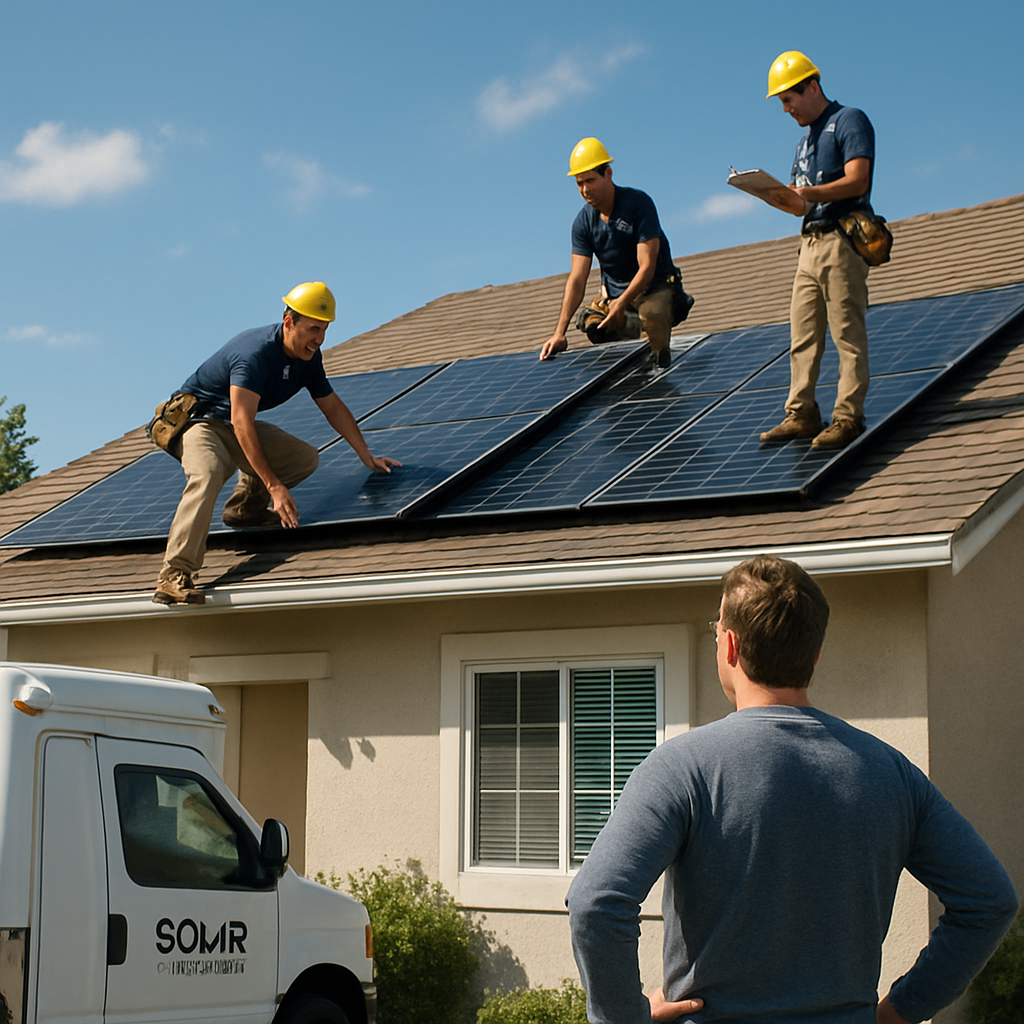
That’s where solar installers come in. They’re the folks who turn rooftop real‑estate into a clean‑energy powerhouse, handling everything from site assessment to getting permits, so you don’t have to become an electrician overnight.
But not every installer is created equal. A good partner will walk you through the whole process, explain the upfront costs, and show you the long‑term savings. For a concrete picture of what those costs look like in Arizona, check out How Much Does It Cost To Install Solar Panels in Arizona? – it breaks down price ranges, incentives, and what you can expect on your wallet.
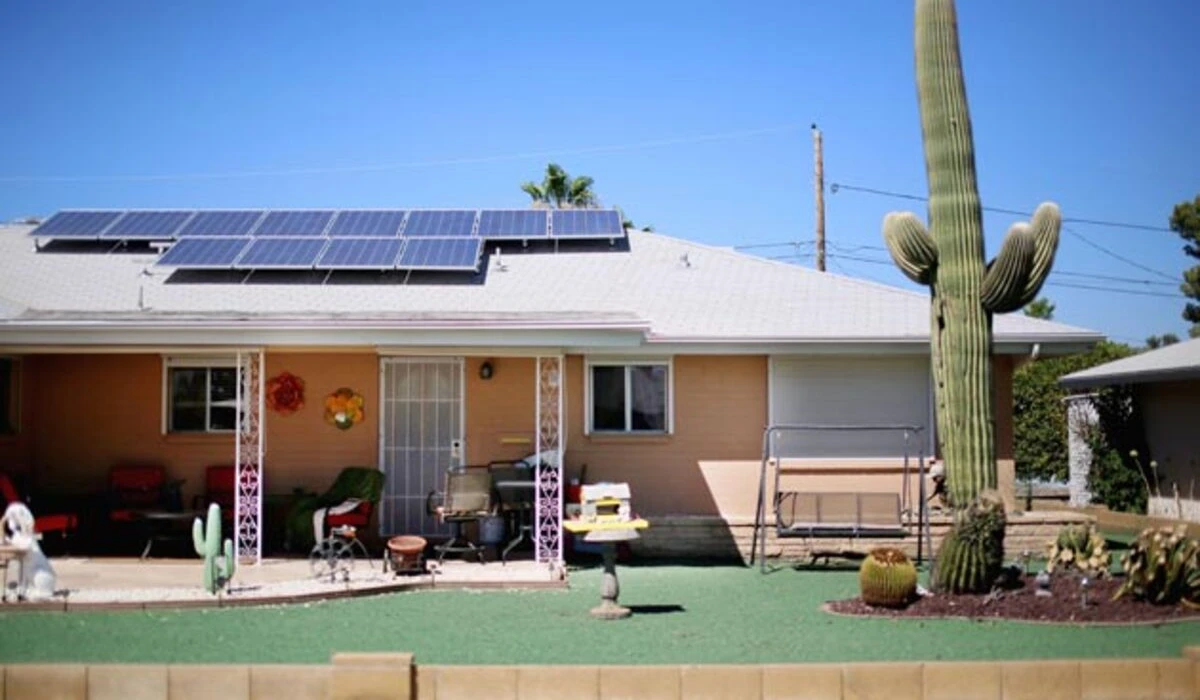
Take Sarah, a Phoenix homeowner who switched to solar last summer. She started with a free consultation, learned that her 2,500‑sq‑ft roof could host a 7 kW system, and after a few weeks of paperwork she was seeing a 30 % drop in her monthly bill. The installer coordinated with her HOA, secured the state tax credit, and even helped her schedule the final inspection.
On the business side, a small coffee shop in Tucson partnered with a local installer to add a 15 kW array on its flat roof. The upfront investment was offset by a 40 % federal tax credit and a lease‑to‑own option that let the owner preserve cash flow. Within a year, the shop’s utility costs were cut in half, freeing up money to expand its outdoor seating.
Financing is often the missing piece of the puzzle. If you’re wondering whether a loan, lease, or cash purchase makes sense, you might also explore traditional mortgage financing tools. A quick look at Mortgage Mapper can give you a sense of how home‑equity lines or low‑rate mortgages could cover solar expenses without draining your savings.
Here are three steps you can take right now:
- Make a list of at least three local installers and request detailed proposals that include equipment specs, warranties, and expected ROI.
- Verify each company’s licensing, insurance, and customer reviews—ask for references from recent residential or commercial projects.
- Run the numbers: compare upfront cost versus projected savings, factoring in any state or federal incentives that apply to your location.
Remember, the right installer doesn’t just sell panels; they partner with you to make solar a smooth, stress‑free upgrade. So grab a coffee, reach out to a few installers, and start visualizing those sun‑powered savings. Let’s make the switch together.
TL;DR
Choosing the right solar installers can slash your energy bills, boost property value, and give you peace of mind knowing the system is designed, permitted, and maintained by experts you trust. Start today by listing three local installers, checking their licenses and reviews, and comparing upfront costs versus long‑term savings to ensure a smooth, stress‑free solar upgrade for your home or business.
1. How to Choose the Right Solar Installer
So you’ve decided solar is the way to go, but the big question is: which installer should you trust with your roof and your money? It’s easy to feel overwhelmed, especially when every company promises “best price” and “expert service.” Below is a down‑to‑earth list of the things you should look at before you sign that contract.
1. Verify licenses, insurance, and certifications
First thing’s first – make sure the installer is properly licensed in your state and carries liability insurance. A quick check on your state’s contractor board will tell you if their license is current. Insurance protects you if something goes wrong during the install, like a roof leak or equipment damage. If a company can’t produce proof, walk away.
2. Look for real‑world experience, not just marketing fluff
Ask for references from recent residential or commercial projects that are similar to yours. A good installer will gladly share contact info for a homeowner who recently went solar. Hearing how the crew handled permits, scheduling, and the final inspection can give you a realistic picture. And don’t forget to peek at online reviews – but read between the lines. A handful of five‑star reviews that sound identical might be bots.
Speaking of real‑world stories, I recently read a homeowner’s account on Five Town Homes & Living that described how their installer coordinated with the HOA and secured the state tax credit. It’s the kind of detail that shows the installer is hands‑on, not just a sales machine.
3. Compare equipment specs and warranties
Not all panels are created equal. Look for manufacturers with at least a 25‑year performance warranty and a 10‑year product warranty. The installer should give you a side‑by‑side sheet that lists the panel efficiency, inverter type, and expected degradation rate. If they push a “cheapest” option without explaining the trade‑offs, ask why.
4. Evaluate financing options and total‑cost transparency
Some installers offer cash‑pay discounts, others have loan or lease‑to‑own programs. The key is to see the full “all‑in” number – equipment, labor, permits, and any extra fees. Ask for a cash‑flow analysis that shows your projected savings over 20‑25 years. If the numbers feel vague, request a detailed spreadsheet. Transparency here is a huge confidence booster.
When you’re mapping out the financial side, you might even use a trip‑planning tool like GetRoadTrip AI to model different payment scenarios. It sounds odd, but the visual breakdown helps you see where the biggest savings will come from.
5. Check post‑install support and maintenance plans
Solar doesn’t stop working after the first sunny day – panels need monitoring, occasional cleaning, and sometimes warranty service. Ask the installer what their monitoring platform looks like and whether they offer a maintenance contract. A company that stays on the line for a year after the system goes live shows they care about long‑term performance.
After you’ve gathered all this info, create a simple checklist. Tick off each item – license, insurance, references, warranty, financing clarity, and support. If any box stays empty, keep looking. The right installer will fill every slot without you having to chase them down.
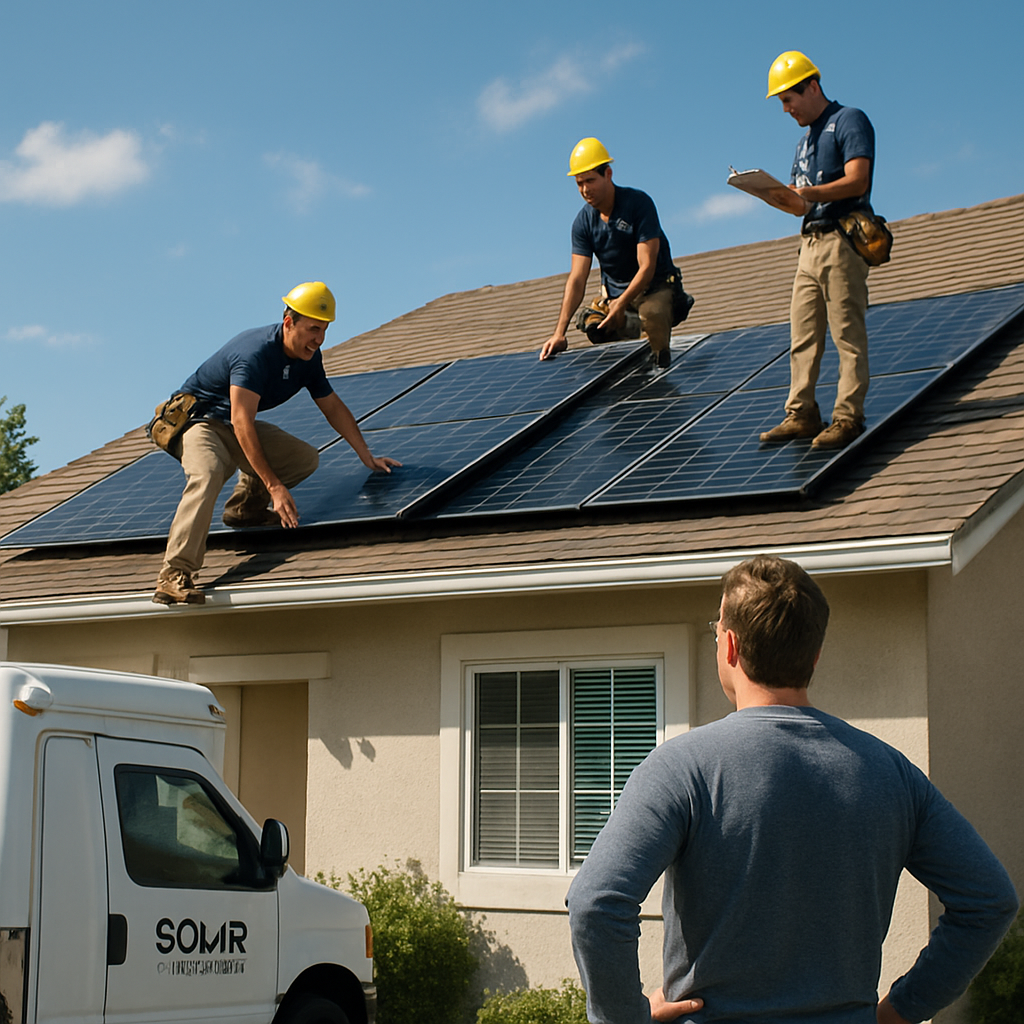
Finally, trust your gut. If the sales rep sounds pushy or avoids answering specific questions, that’s a red flag. The best solar installers are patient, answer every “what‑if,” and make you feel like a partner, not a target. Take the time now, and you’ll enjoy worry‑free solar for decades.
2. Understanding Solar Installer Certifications
When you start hunting for a solar installer, the first thing that pops into most people’s heads is—”Do they have the right paperwork?” You’re not alone; that anxiety is why we break certifications down into bite‑size pieces you can actually check.
1. State licensing – the legal safety net
In Minnesota, a brand‑new law that kicked in on July 1, 2023 says any company installing residential PV systems has to be licensed as a residential building contractor or remodeler. Why does that matter? It gives you a direct line to the Contractor Recovery Fund if the installer disappears mid‑project. The actual wiring still needs a Minnesota‑licensed electrician, but the contractor license is the first red flag you can spot.
Read more about the requirement on the Minnesota Department of Labor and Industry page for the full details.
2. NABCEP certification – the industry gold standard
Even if your state doesn’t demand a specific badge, the North American Board of Certified Energy Practitioners (NABCEP) is the de‑facto benchmark. Installers who earn the NABCEP Certified PV Installator credential have passed a rigorous exam and agree to keep up with continuing education. That translates into fewer surprise hiccups and a system that runs efficiently for years.
3. Manufacturer‑specific training – brand confidence
Many panel makers, like SunPower or LG, run their own training programs. When an installer can point to a completed SunPower Certified Installer course, you know they’ve handled that exact hardware before. It’s a subtle cue that they’ll know the nuances of warranty paperwork and performance tuning.
4. Local utility and permitting approvals – smoother roll‑outs
Every utility has its own interconnection standards. A savvy installer will have a pre‑approved permit package ready for your county and will have already spoken the utility’s language. That means you avoid weeks of back‑and‑forth and can get that first kilowatt on the roof faster.
5. Insurance and bonding – protection against the unexpected
Look for a solid general liability policy (typically $1 million) and workers’ compensation coverage. Some installers also carry a surety bond, which is an extra safety net if they can’t finish the job. Ask for certificates of insurance and confirm they’re current; it’s a quick step that saves headaches later.
So, how do you turn this list into action? Grab a notebook, call three installers, and ask them to show proof of each of these five items. If they can’t, that’s a red flag—don’t ignore it. The right solar installer will proudly lay out their credentials, because they know a transparent process builds trust.
3. Evaluating Quotes and Pricing Models
1. Get a line‑item quote, not a lump sum
When you ask for a price, ask the installer to break it down into hardware, labor, permits, interconnection fees, and any “admin” costs. Seeing each piece helps you spot hidden charges before they become a surprise on the final invoice.
It also lets you compare apples‑to‑apples across multiple proposals – you can see if one company is skimping on panels or overcharging for design work.
2. Check the equipment brand and warranty tiers
Not all panels are created equal. A higher‑efficiency module may cost more up front but could shave off a few years of payback. Look for the manufacturer’s product warranty (usually 25 years) and see if the installer adds a workmanship guarantee on top.
Ask specifically: “If a panel fails in year 10, who handles the replacement and how quickly?” The answer tells you how much post‑install support you’ll actually get.
3. Compare financing structures side by side
Solar installers often present three options: cash purchase, loan, or lease‑to‑own. Each has a different cash‑flow impact. Write down the total out‑of‑pocket cost over the life of the agreement, not just the monthly payment.
Does the lease include a buy‑out clause? Does the loan rate beat your home‑equity line? Those details can swing the ROI dramatically.
4. Look for performance guarantees
Some installers promise a certain production level (e.g., 90 % of name‑plate output after 10 years). That’s a concrete metric you can track on your utility bill.
If the guarantee is missing, ask why. A confident installer will gladly put numbers in writing.
5. Verify permit and interconnection costs
Permitting fees vary by county, and interconnection charges depend on your utility’s rules. A transparent quote lists these fees separately so you can see how much of the total price is “bureaucracy.”
In many cases, installers bundle these costs into a vague “soft cost” line, which makes it harder to compare. Call them out and ask for a breakdown.
6. Use a cost‑model checklist from experts
Paradise Energy recommends treating a solar quote like a contract: walk through each line, ask why it exists, and compare it against a baseline checklist. Their step‑by‑step guide walks you through exactly that process, helping you avoid the “all‑inclusive” trap most homeowners fall into.
When you’ve done that, you’ll feel a lot more comfortable calling a quote “fair” or “inflated.”
7. Understand the total installed‑system cost methodology
The National Renewable Energy Laboratory (NREL) breaks down solar costs into hardware, labor, permitting, inspection, and interconnection. Their bottom‑up cost model shows why some line items can vary dramatically – for example, labor rates in Arizona differ from those in the Northeast.
By aligning your installer’s numbers with NREL’s categories, you can quickly spot outliers and ask for justification.
So, what’s the next step? Grab a spreadsheet, plug in the line items from three installers, and watch the numbers speak. If one proposal looks too good to be true, it probably is. The right solar installer will welcome that scrutiny because they know a transparent quote builds trust.
4. Comparing Service Packages and Warranties
When you get down to the fine print, the real difference between a good solar installer and a decent one shows up in the service package and warranty details.
1. The product warranty – your safety net
Most panels come with a minimum 10‑year product warranty, but the best brands push it to 25 or even 30 years. That’s the promise that if a panel cracks or the frame rusts, the manufacturer will replace it.
What you want to check is whether the installer passes the replacement part through their own network or you have to chase the maker yourself. A hassle‑free swap can save you weeks of downtime.
2. Performance (power) warranty – protecting your ROI
Look for a guarantee that the system will still produce at least 90 % of its name‑plate output after ten years and around 80 % after twenty‑five. EnergySage notes that “most solar panel warranties won’t reimburse for labor costs associated with installing new equipment” but they do lock in that performance floor.EnergySage explains the typical power warranty terms
If the installer bundles a 25‑year performance warranty, ask how they verify it – do they provide annual production reports or a monitoring portal?
3. Workmanship guarantee – the installer’s promise
This is separate from the manufacturer’s warranty. A solid installer will stand behind the installation for at least 10 years, covering things like roof penetrations, electrical connections, and any mistakes that show up later.
Ask whether that guarantee is transferable if you sell the house. A non‑transferable clause can bite you when you move.
4. Service packages – beyond the install
Many installers now offer “maintenance plans” that include seasonal cleaning, inverter checks, and remote monitoring. Think of it as an insurance policy for the whole system.
Some packages also throw in a battery health check if you have storage, which can be a game‑changer for business owners looking to ride out peak‑price hours.
5. Support and response time – how quickly will they act?
When a panel or inverter fails, you don’t want to wait weeks for a technician. Look for guaranteed response times (e.g., “service call within 48 hours”) and a dedicated hotline.
Also, verify that the installer has local service partners – a national company might ship parts from across the country, but a regional team can be on your roof faster.
So, how do you compare all these moving parts? The easiest way is to line them up in a simple table.
| Feature | Typical Offer | What to Look For |
|---|---|---|
| Product warranty | 10–25 years | Longer term, clear replacement process |
| Performance warranty | 90 % @10 yr, 80 % @25 yr | Explicit output guarantees, monitoring access |
| Workmanship guarantee | 5–10 years | Transferable, covers roof penetrations |
Now picture this: you’ve just signed the contract, and a summer storm knocks a few panels loose. With a solid service package, the installer shows up the next day, swaps the damaged modules, and you’re back to sipping coffee under a fully powered roof.

Take a moment to write down three questions for each installer: “What does your product warranty cover beyond 10 years?”, “Do you offer a performance guarantee and how is it measured?”, and “What’s your response time for service calls?” Compare the answers side by side – the one that gives you concrete numbers and a clear process is the one you’ll feel confident about.
Bottom line: the cheapest quote can feel tempting, but if the warranty is thin and the service package nonexistent, you could end up paying more in repairs down the line. Choose a solar installer whose package feels like a partnership, not just a transaction.
5. Checking Local Reputation and After‑Service Support
Before you hand over a handful of roof tiles and your trust, you want to know that the solar installers you’re eye‑ing actually stand behind their work. A solid reputation and a responsive after‑service plan can be the difference between a sunny summer and a frustrating outage.
1. Scan online reviews for patterns, not single anecdotes
Start with Google, Yelp, and the Better Business Bureau. Look for recurring themes – fast response times, clean installations, or, on the flip side, missed appointments. If three separate reviewers mention “same‑day service for inverter failures,” that’s a red flag in the right direction.
2. Verify the installer’s rating on industry platforms
EnergySage grades solar installers on reputation, responsiveness, and results. Good Energy Solutions, for example, earned the Elite solar installer badge for consistently high scores across those three categories according to EnergySage’s rating system. When a company can point to a third‑party endorsement, you know they’re not just bragging on their own website.
3. Ask for concrete after‑service metrics
During your proposal meeting, request numbers: “What’s your average time to schedule a service call?” “How many service tickets do you close within 48 hours?” A transparent installer will quote a specific response window and back it up with data. If they’re vague, push for clarification – a clear answer usually means they’ve built the process.
4. Check maintenance plans and what they actually cover
Some installers bundle a “seasonal cleaning” and inverter health check into a yearly fee. Others only offer “on‑demand” repairs, which can get pricey fast. Compare the cost of a full‑service package versus pay‑per‑call, and weigh it against the expected lifespan of your system.
5. Look for real‑world case studies of post‑install support
The City of South Bend integrated solar on three municipal buildings and kept the systems running with minimal upkeep. Their maintenance routine is simple – occasional panel washing and an annual performance check – and the city reports “maintenance costs are minimal” according to the project summary. That example shows how a well‑planned support plan can keep costs low and performance high.
6. Test the support hotline before you sign
Give the installer’s service line a quick call. Ask a basic question like “Do you have a 24‑hour emergency response?” Note how long it takes to reach a real person and whether the answer feels scripted. This little “stress test” reveals how they treat customers after the paperwork is signed.
7. Create a checklist for post‑install follow‑up
After the system goes live, use this quick list:
- Confirm you have a dedicated support email or phone number.
- Schedule the first performance review within 30 days.
- Ask for a copy of the warranty claim process.
- Set a reminder to clean panels before the rainy season.
- Log any service calls and note the resolution time.
When you fill out the checklist, you’ll see instantly whether the installer lives up to their promises.
Bottom line: a solar installer’s reputation isn’t just a star rating – it’s a track record of how quickly they show up when the sun goes down on your system. By digging into reviews, demanding concrete response metrics, and checking real case studies, you can pick a partner who treats your roof like a long‑term relationship, not a one‑off sale.
6. Financing Options for Solar Installations
You’ve picked the right installer, but now comes the money conversation—yuck, I know. The good news: there are real options that make rooftop solar practical, not just aspirational.
Below are the common financing routes solar installers will present, with real‑world pros/cons, examples, and a short checklist you can use when a quote arrives.
1) Cash purchase — simplest, fastest savings
Paying cash removes loan interest and many fees, and maximizes tax credit value immediately.
Example: if you can cover a $20k system now, you avoid finance costs and usually see the fastest payback.
Tip: get written confirmation of equipment and workmanship warranties before you hand over money.
2) Solar‑specific loans — common but read the fine print
Loans designed just for solar are widely offered at the point of sale with installers and fintech partners.
They’re convenient, but watch for hidden add‑ons like “program” or dealer fees rolled into principal, and prepayment expectations tied to tax credits. The Consumer Financial Protection Bureau flagged these as real consumer risks in their solar financing analysis, so insist on a full APR disclosure and a clear illustration of total loan cost (CFPB’s solar financing analysis).
3) Home equity / HELOC / cash‑out refinance — lower rates, more risk
Using home equity often delivers lower interest than a solar‑specific loan because it’s secured by your property.
But if you default, the lender can pursue the home—so treat this like any other mortgage decision. Action step: compare the five‑year and ten‑year APR scenarios and run a worst‑case cashflow test.
4) Leases and Power Purchase Agreements (PPAs) — low/no upfront cost
Leases and PPAs let you enjoy solar without owning the array—ideal if you don’t want responsibility for maintenance or don’t qualify for tax credits.
Example: a 20‑year lease might offer lower monthly outlay but you won’t get the tax credit or resale value the way an owner does.
5) Community solar and subscriptions
Can’t or don’t want panels on your roof? Join a local solar farm through a subscription or community program.
This often works for renters and shaded roofs; check local offerings and how credits appear on your utility bill.
6) Grants, incentives, and tax credits — stack them smart
Federal and state incentives can change the math dramatically. Ask your solar installers which local rebates or programs apply—some municipalities publish DC‑specific financing guidance and incentive details for residents (local DC solar financing resources).
Quick checklist before you sign
- Ask for a line‑item loan schedule showing principal, fees, and total APR.
- Confirm whether any “prepayment” (e.g., expected tax‑credit remittance) changes monthly payments later.
- Get warranties, monitoring access, and transferability in writing.
- Compare total cost over the lifetime, not just the monthly payment.
So, what should you do next?
Step 1: ask each installer to show total all‑in cost (loan principal + fees) and projected energy offset. Step 2: run those numbers against your expected tax situation or consult a tax advisor. Step 3: choose the structure that protects your downside while letting you keep the upside (tax credits, equity, energy savings).
Final tip: Solar installers sell systems, not finance exams—so slow the pitch down. Demand clarity. You’ll be glad you did.
FAQ
What should I look for when choosing solar installers?
First, verify they have a current state license and liability insurance—those are the safety nets that protect you if something goes wrong. Next, ask for a line‑item quote so you can see exactly what you’re paying for: panels, inverter, labor, permits, and any “admin” fees. Finally, check their warranty package; a solid 25‑year product warranty plus a 10‑year workmanship guarantee shows they stand behind their work.
How do solar installers handle permits and utility interconnection?
Good installers take the permitting paperwork off your plate. They’ll submit plans to your city, pay the fees, and schedule inspections. For the utility side, they’ll file the interconnection application, coordinate any required upgrades, and make sure the net‑metering agreement is in place before the system is energized. This avoids weeks of back‑and‑forth and gets your panels humming sooner.
Can I finance a solar system through a loan, and what are the pitfalls?
Yes—many installers partner with lenders that offer solar‑specific loans. The key is to demand a clear APR and a full amortization schedule so you know the total cost over the life of the loan. Watch out for hidden “program” fees rolled into the principal and pre‑payment clauses that assume you’ll receive a tax credit early. Compare the loan’s interest rate to a home‑equity line, which often comes cheaper but carries more risk.
What’s the difference between a solar lease and a power purchase agreement (PPA)?
With a lease, you pay a fixed monthly amount to use the system, while the installer owns the hardware and handles maintenance. A PPA charges you per kilowatt‑hour generated, which can be lower than your utility rate but means you never own the panels. Both options require little or no upfront cash, but you won’t claim the federal tax credit or benefit from resale value.
How do solar installers ensure long‑term performance?
They usually include a performance warranty guaranteeing, for example, 90 % of name‑plate output after ten years. Look for monitoring tools that let you track daily production from your phone; many installers set up a portal and send you quarterly reports. Regular cleaning and an annual inverter check are also part of most service packages—ask for the response‑time guarantee if something breaks.
Do solar installers offer battery storage, and how does it affect financing?
Most reputable installers now sell or lease lithium‑ion batteries alongside the PV array. Adding storage can increase your upfront cost, but many financing plans treat the battery as a separate line item, letting you finance it over a longer term with a lower interest rate. The key is to confirm the battery’s warranty (typically 10 years) and whether the installer will handle integration with your existing inverter.
What questions should I ask during my first consultation?
Start with the basics: “What’s the total installed cost, broken down line‑by‑line?” then move to warranties: “What’s covered after ten years, and is it transferable?” Follow up on service: “What’s your average response time for a service call?” Finally, ask about incentives: “Which federal, state, or local rebates apply to my project, and how will you claim them?” These questions force transparency and help you compare offers side‑by‑side.
Conclusion
We’ve covered the whole journey—checking licensing, decoding warranties, comparing quotes, and testing after‑service support—so you know exactly what to demand from solar installers.
Does any of that feel overwhelming? It’s normal; the process is a bit like buying a car, only the “engine” is on your roof.
Here’s the quick‑fire checklist you can print out: verify state license and insurance, ask for a line‑item quote, demand a 25‑year product warranty plus a 10‑year workmanship guarantee, confirm response‑time guarantees, and make sure the installer handles permits and interconnection for you.
What’s the next step? Grab three local solar installers, request the same checklist from each, and compare the numbers side‑by‑side. The one that gives you clear answers and a solid service package is the partner who’ll keep your panels humming for years.
Remember, the right solar installer isn’t just a vendor—they’re a long‑term ally in cutting your energy bills and boosting your property’s value. So, ready to pick your partner and start saving? Let’s get that sun‑powered future rolling.
If you’re in Arizona, Sean Whitmer’s team is a good example of a local installer that blends transparent pricing with a 48‑hour service promise—perfect for homeowners who want peace of mind without the jargon. Give them a call, ask for the checklist, and see how quickly they can schedule your site survey.