Ever stared at a glossy brochure promising endless sunshine and wondered if the panels will actually live up to the hype?
You’re not alone—most homeowners and business owners feel a mix of excitement and doubt before committing to a solar system.
In our experience, the best way to cut through the noise is to lean on real‑world solar installation reviews that show what works, what flops, and why.
Think about the last time you bought a big‑ticket item—maybe a new fridge or a home gym. You probably read a handful of reviews, compared specs, and asked friends for advice before pulling the trigger.
Solar isn’t that different, except the stakes feel higher because you’re dealing with rooftops, permits, and a multi‑year return on investment.
So, what should you look for when you start scanning solar installation reviews? First, check if the reviewer actually had the system installed in a setting similar to yours—whether it’s a suburban home, a downtown storefront, or a sprawling farm.
Second, pay attention to the performance numbers they share—like average daily kilowatt‑hour output, how the system handled shading, and any unexpected maintenance hiccups.
Third, notice the tone of the review. A genuine story will include both the ‘wow, that saved us a ton on the bill’ moment and the ‘we had to call tech support twice’ bit.
When you gather a handful of these candid accounts, patterns start to emerge—like which installer keeps deadlines, which financing option feels transparent, and which battery backup really holds up during a storm.
That’s the sweet spot we aim for in our own solar installation reviews: a balanced mix of hard data, day‑to‑day experience, and the little quirks that make or break a project.
Ready to cut through the confusion and see which solutions actually deliver sunshine and savings?
Let’s dive in, explore real‑world feedback, and give you the confidence to choose a solar partner that fits your roof, your budget, and your peace of mind.
TL;DR
In our experience, solar installation reviews cut through hype, revealing real‑world performance, costs, and installer reliability for homeowners and business owners alike. By comparing data, tone, and on‑site details, you can spot the solutions that truly deliver sunshine, savings, and peace of mind, guiding a confident solar decision for you.
Installation Process Overview
When you finally decide to go solar, the real journey begins with the installation itself. That moment when the crew rolls up their sleeves on your roof can feel both exciting and a little nerve‑wracking—you’re wondering if everything will line up exactly as the review promised.
In a typical Solar installation review, the author breaks the process into three clear phases: site assessment, the actual build‑out, and post‑install commissioning. Understanding each step helps you compare promises with what actually happened on the ground.
1️⃣ Site assessment & permits
First, a technician walks the property, measures roof pitch, checks for shading, and runs a quick electrical audit. It’s the part reviewers love to detail because a missed shade tree can shave off 20 % of expected production. At this stage, you’ll also see the permitting paperwork—usually a building permit and an interconnection application with the utility.
What we’ve seen work best is using a digital site‑survey tool that logs every measurement in the cloud. That’s where a platform like Assistaix can slip in, automating the data capture and feeding it straight into your quote engine, saving hours of manual entry.
2️⃣ Mounting & electrical work
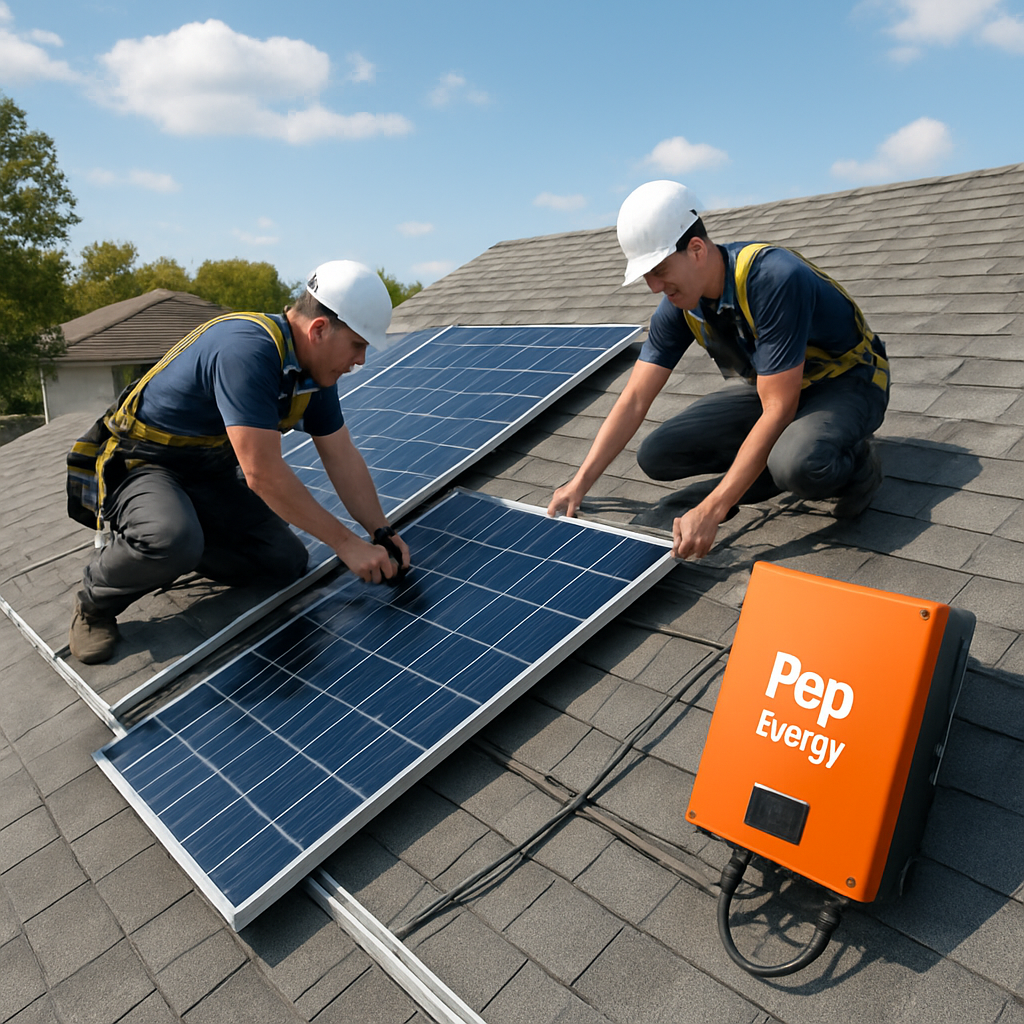
Once permits are approved, the crew installs the mounting rails, attaches the panels, and runs the DC wiring to the inverter. Reviewers often note the “quiet” moment when the first panel clicks into place—if the installer is experienced, you won’t hear a lot of hammering after that.
During this phase, the quality of the inverter wiring matters. A common pitfall highlighted in reviews is using undersized conduit, which can cause overheating. A good reviewer will point out whether the installer used UL‑listed components and followed NEC guidelines.
If you’re a business owner, you might also be juggling a financing agreement at the same time. That’s why it helps to have the paperwork digitized; many solar firms now integrate financing disclosures directly into the installation app.
3️⃣ Commissioning & performance validation
After the hardware is up, the installer powers the system, runs a performance test, and uploads the data to the monitoring portal. This is the moment reviewers either give a high‑five or a sigh of relief. A thorough review will quote the initial kWh output versus the projected number, and note any hiccups like a mis‑wired string.
To keep that data reliable, some companies employ a third‑party commissioning service. It’s a small extra cost that can turn a “good enough” review into a “stellar” one because the numbers are verified by an independent lab.
We also recommend thinking about the long‑term support plan. Does the installer offer a warranty on mounting hardware? Is there a service contract for inverter swaps? Those details often appear in the “what we wish we’d known” sections of honest reviews.
For a deeper dive into every step, check out our Solar installation: A Practical Guide to Planning, Installing, and Maintaining Your System guide. It walks you through the checklist we just summarized, with printable forms you can hand to any contractor.
Now, if you’re wondering how to get more eyes on your own project reviews, consider boosting your online authority with a smart SEO partner. Tools like Rebelgrowth automate content distribution and build high‑quality backlinks, making your solar installation stories rank higher and attract more qualified leads.
Watching that video gives you a visual sense of how the mounting brackets are attached and why spacing matters for snow load in colder climates.
Bottom line: a transparent Solar installation review should map each of these phases, note any deviations from the plan, and give you concrete numbers to compare against. When you’ve got that roadmap, you can walk into any contractor meeting with confidence, ask the right questions, and avoid the surprise‑factor that makes many homeowners regret their first solar leap.
Top Solar Installers Reviewed
When you start scrolling through solar installation reviews, the names on the page can feel like a roll call for a high‑school reunion—some you recognize, some you’ve never heard of, and a few that sound promising but just a little vague. That’s why we break the list down into the things that actually matter on the ground, not just in marketing copy.
Momentum Solar – The “One‑Point‑Contact” Option
Momentum Solar positions itself as a concierge‑style service. In the reviews we’ve collected, homeowners love the fact that you get a single project manager who handles the site visit, design, permits, and even the post‑install monitoring app. One family in Albuquerque said the app sent a push notification the day a roof‑penetration warranty kicked in, saving them a surprise repair bill.
Actionable tip: ask your installer for a written timeline that lists who you’ll be speaking to at each stage. If you can see a name attached to each milestone, you’re less likely to get lost in a maze of “who‑calls‑who.”
Blue Raven Solar – No‑Money‑Down Flexibility
Blue Raven’s biggest draw in the reviews is the 18‑month “no‑cost‑to‑install” plan. A small‑business owner in Austin used that to get the system up and running while the first months of savings covered the eventual payments. The downside? Blue Raven doesn’t offer leases or PPAs, so you’ll need a clear exit strategy if you decide to sell the property early.
Actionable tip: run the numbers on a 12‑month cash‑flow spreadsheet. List your current electric bill, the projected monthly savings, and the deferred payment schedule. If the savings exceed the payment each month, you’re in good shape.
Sunrun – Lease‑Heavy but Strong Monitoring
Sunrun shines in the lease arena. Reviewers repeatedly mention the 24/7 monitoring app that automatically dispatches a tech when production dips. A homeowner in Phoenix praised the fact that the app flagged a micro‑crack in a panel before it turned into a costly failure.
Actionable tip: even if you go with a lease, ask for a copy of the performance guarantee and what it covers. Knowing whether the guarantee includes panel degradation or just outright failure can save you headaches later.
Elevation Solar – The Whole‑Home Energy Partner
Elevation takes a broader approach, bundling solar with insulation upgrades and smart‑home monitoring. In a review from a Dallas family, the combined upgrades knocked their heating bill in half, and the solar system covered the rest. The trade‑off is a slightly higher upfront cost and a more complex contract.
Actionable tip: request a side‑by‑side cost comparison—solar‑only vs. solar‑plus‑energy‑efficiency package. That lets you see whether the additional savings justify the extra spend.
Palmetto Solar – Multi‑Channel Support
If you’re the type who likes to text, email, and call all at once, Palmetto’s app‑centric support gets rave reviews. One reviewer said the live chat resolved a wiring question in under five minutes, avoiding a costly service call.
Actionable tip: test the support channels during the quoting phase. Send a quick question and time the response. Fast, knowledgeable replies are a good predictor of post‑install service quality.
How to Use These Reviews in Your Decision‑Making
First, match your priority. Need cash flow flexibility? Blue Raven’s no‑money‑down model might be your best bet. Want a single point of contact? Momentum’s concierge style could save you stress. If you love data‑driven monitoring, Sunrun’s app is a strong contender.
Second, dig into the numbers. The SolarReviews guide breaks down how panel efficiency and degradation rates translate into real‑world savings—use those figures to sanity‑check any installer’s performance claims.
Third, ask the right questions (see the checklist below). The more specific you are, the easier it is to compare apples‑to‑apples across the different companies.
Quick Installer Checklist
- What is the total system cost, broken down by hardware, labor, and permits?
- Which panel brands will be used, and what are their efficiency and warranty terms?
- Do you offer a single project manager or multiple contacts?
- Is there a performance guarantee, and what does it cover?
- What post‑install monitoring tools are provided?
- How do you handle roof‑penetration warranties?
By taking a few minutes to line up your must‑haves with what each installer actually delivers, you turn a sea of vague reviews into a clear roadmap toward a solar system that works for your home or business.
Cost Breakdown and ROI
Ever stared at a quote and felt like you were reading a foreign language? You’re not alone. Those big numbers can feel intimidating, but they’re the key to knowing whether a solar install will truly pay off for you.
That’s why we always tell our customers to dig into the cost breakdown first. A solid “Solar installation reviews” section will spell out hardware, labor, the little‑but‑important interconnection fees. When you see each line item, you can match it against what the installer actually promises to deliver.
What’s really in the price tag?
Most installers bundle three main buckets: the panels and inverters (hardware), the crew that puts them up (labor), and the paperwork that gets you legal (permits and inspection).
The National Renewable Energy Laboratory (NREL) explains that a bottom‑up cost model walks through each step, assigning direct labor, indirect labor, and overhead to arrive at a total system cost. In other words, they break the price down the way a good review does, so you can see why a $20,000 quote might actually be $23,000 once you factor in local permitting fees. NREL’s solar cost analysis walks through that methodology in plain language.
For a typical 6 kW residential system in the Southwest, you might see something like:
- Hardware (panels, inverter, racking): $12,000
- Labor (design, install, commissioning): $4,500
- Permits & inspection: $1,200
- Interconnection & utility fees: $800
That adds up to $18,500 before any incentives. If a review mentions that the installer covered the permit fee as a “no‑surprise” perk, you instantly know you’re looking at a more transparent quote.
Turning cost into cash flow: the ROI angle
Now that the numbers are on the table, the next question is—how long until the system pays for itself? SolarReviews breaks the payback calculation down into three steps: subtract incentives, estimate annual bill savings, then divide the net cost by those savings. SolarReviews’ payback guide is a handy reference.
Let’s say you qualify for the federal 30 % tax credit, shaving $5,550 off that $18,500 bill. Your net out‑of‑pocket cost is $12,950. If your utility bill drops by $1,400 a year, the simple payback period is about 9.2 years. That’s a realistic horizon for most homeowners.
But payback time is only half the story. The internal rate of return (IRR) looks at the whole 25‑year life of the system, accounting for electricity price inflation (about 2.5 % per year on average) and the 0.5 % annual degradation of panel output. Plug those numbers into a spreadsheet, and many residential projects in high‑rate states like California or New York end up with an IRR in the high teens—well above the 8 % you’d expect from a diversified stock index.
Want a quick visual? Check out the video below; it walks through a real‑world example, from cost breakdown to ROI chart.
After the video, take a moment to compare the figures you just saw with the numbers in the reviews you’ve collected. If a reviewer says “the final bill was $19,200, but the installer covered the $1,200 permit fee for us,” you can map that directly onto the cost buckets we just outlined.
Actionable cost‑checklist
- Ask for a line‑item quote covering hardware, labor, permits, and interconnection.
- Calculate net cost after the 30 % federal tax credit and any state rebates.
- Run a simple payback formula: net cost ÷ annual savings, then adjust for a 2‑3 % utility rate rise.
When the numbers line up, you know it’s time to move forward with confidence.
Customer Experience and Satisfaction
When you skim a handful of solar installation reviews, the numbers are nice, but the feelings behind them are what really stick. Did the installer show up on time? Did they explain the site survey without jargon? Those little moments shape whether you end up recommending them to a neighbor or posting a two‑star rating.
In our experience, a great customer experience isn’t an optional extra—it’s the engine that drives referrals, repeat business, and even the willingness to add a battery later on. Think about the last time a service provider kept you in the loop with a quick text, even if there was “no update.” It felt less like waiting and more like being cared for, right?
Key Metrics That Reveal Real Satisfaction
Metrics give you a concrete way to compare what those gut‑feelings actually mean. Bodhi’s research highlights seven metrics, but the ones that show up most often in solar installation reviews are:
- Average time from contract signing to installation completion.
- Frequency of project‑status communications (ideally at least once a week).
- Net Promoter Score (NPS) – a quick gauge of how likely a homeowner is to refer you.
For example, a family in San Diego reported a 28‑day install window and weekly text updates. Their NPS shot up to 68, well above the industry average of 30‑50. Contrast that with a contractor that took 45 days and only emailed after a month—those same homeowners gave a 3‑star review and said they’d think twice before a second project.
Want the original source? Check out the Bodhi blog on solar customer‑experience metrics for the full list and benchmark numbers.
Real‑World Stories That Illustrate What Works
Take Maria, a residential homeowner in Phoenix. During her site survey, the technician not only measured roof pitch but also took photos of her existing attic insulation. He explained how adding a small amount of insulation would boost panel efficiency by about 3 %. Maria felt the installer was looking at the whole house, not just the panels, and she gave a glowing review that later helped a friend decide to go solar.
On the business side, a small coffee shop in Austin partnered with a local installer who set up a dashboard showing daily kWh production. When a sudden dip appeared, the system automatically sent an alert, and the installer fixed a loose connection within 24 hours. The owner wrote a review that highlighted “instant support” and later upgraded to a battery backup—something that rarely happens without trust.
Actionable Steps to Turn Reviews Into Better Experiences
1. Map the timeline. Pull the dates from each review – contract signed, permit filed, installation day, interconnection – and calculate your average. If it’s over 35 days, ask your project manager where the bottleneck is.
2. Set a communication cadence. Even a “no news today” text lets homeowners know you haven’t forgotten them. Track this metric in a simple spreadsheet and aim for at least one touchpoint per week.
3. Run an NPS pulse survey. After the system is live, ask customers: “On a scale of 0‑10, how likely are you to recommend us?” Use the score to identify brand champions and reach out for referrals.
4. Automate follow‑up surveys. A short 5‑question email after 30 days and another after 90 days captures early‑stage sentiment and uncovers hidden pain points before they turn into negative reviews.
Quick Comparison Table
| Metric | Why It Matters | Target Benchmark |
|---|---|---|
| Installation timeline (days) | Shorter builds reduce anxiety and cost overruns. | ≤30 days for residential projects |
| Weekly communication frequency | Keeps customers in the loop, lowers perceived wait time. | ≥1 touchpoint/week |
| Net Promoter Score (NPS) | Predicts referral likelihood and long‑term loyalty. | ≥50 (industry leaders >60) |
These three numbers give you a quick health check. If you’re lagging on any, dive into the reviews that mention that specific point and see what the homeowner suggested.
Tips From the Field
– Be transparent about delays. If a permit is stuck, tell the homeowner the exact reason and an updated ETA. Reviews praise honesty even when the news isn’t great.
– Show the data. Walk a business owner through the monitoring app during the first week. When they see a real‑time chart, they’re more likely to share a positive review.
– Celebrate the champions. A homeowner who posts a five‑star review is a gold mine. Offer them a small referral gift or a discounted battery upgrade – it turns a happy customer into a brand ambassador.
And remember, the goal isn’t just a perfect star rating; it’s creating an experience that makes people want to tell their friends, “I trusted them and it paid off.” When you align your process with the metrics and stories above, solar installation reviews become a roadmap rather than a mystery.
Maintenance & Warranty Insights
When the first rays hit your new panels, the excitement is real—but the real test comes months later, when you start wondering if the system will keep humming without surprise bills or broken parts.
That’s why we dig into the warranty language that shows up in most solar installation reviews. You’ll hear homeowners brag about a “12‑month performance guarantee” and then later lament a cracked panel that wasn’t covered. The difference? Knowing which clauses actually protect you.
What the fine print really means
Most installers bundle three core guarantees: a product warranty (usually 10‑25 years), a performance warranty (often 25 years guaranteeing at least 80 % output), and a workmanship warranty (typically 1‑2 years). In a review I read, a family in Tucson praised a provider that offered a 25‑year output guarantee, because when their production dipped after a storm, the installer promptly replaced the affected modules.
Tip: ask for the warranty “degradation schedule.” If it says the system will lose no more than 0.5 % per year, you can calculate expected output in year 20 and compare it to the review’s numbers.
Maintenance habits that show up in honest reviews
Good reviews often mention a quick “annual check‑up” call or an app notification that says “clean your panels this week.” That’s not a fluff feature; it’s a proactive maintenance cue that keeps the performance warranty intact. One business owner told us that a missed cleaning reminder led to a 12 % drop in output, and the installer refused to honor the warranty until the panels were cleaned.
So, a simple habit—checking the inverter lights, wiping dust off panels after a windy day—can be the difference between a smooth claim and a drawn‑out fight.
How to verify a warranty’s credibility
Start with the installer’s reputation in solar installation reviews. Do they consistently deliver on promised repairs? Look for phrases like “fast response,” “same‑day service,” or “no‑cost part replacement.” If a review mentions a “30‑day response window” that was honored, that’s a solid indicator.
Next, cross‑check the warranty with an independent source. APS’s guide to solar system warranties breaks down the typical coverage you should expect and warns against vague “lifetime warranty” claims that lack clear definitions. APS’s guide to solar system warranties is a handy reference when you’re comparing offers.
Checklist for your next review
Before you sign on the dotted line, jot down these points and later use them when you read reviews:
- Exact length of product, performance, and workmanship warranties.
- Whether the installer offers free annual inspections or only charges for them.
- What documentation is needed for a claim (photos, service logs, etc.).
- Response time guarantees—24 hours, 48 hours, or “next business day.”
- Any exclusions for weather‑related damage or homeowner‑performed cleaning.
When you revisit a review months after install, see if the homeowner mentions any of these items. If they do, you’ve got a reliable signal that the warranty isn’t just marketing fluff.
And remember, the warranty is only as good as the support team behind it. A reviewer who says “the tech showed up on a Saturday, walked me through the inverter reset, and logged the ticket” is telling you the company has a culture of ownership.
So, what should you do next? Grab the warranty sheet, compare it against the checklist, and then read a handful of recent solar installation reviews. Look for consistency—if three different reviewers praise the same post‑install service, that’s a pattern worth trusting.
Finally, keep all paperwork in one place—digital PDFs, email confirmations, even a photo of the warranty card on your fridge. When a claim pops up, you’ll thank yourself for staying organized.
In the end, a solid warranty plus a maintenance routine turns a solar purchase from a gamble into a long‑term partnership with your energy future.
Future Trends in Solar Installations
When you skim the latest solar installation reviews, you’ll notice a subtle shift – people aren’t just asking if the panels work, they’re asking what the system will be able to do tomorrow.
So, what’s on the horizon? Let’s walk through the trends that are already showing up in real‑world feedback and think about how they might affect your next project.
Emerging panel technologies
Bifacial modules are no longer a niche. Reviewers in Arizona and California are bragging about the extra 5‑10% output they see when the backside of a panel captures reflected light.
And then there’s perovskite‑silicon hybrid cells, which promise higher efficiencies without the hefty price tag. A few early adopters have started to mention “next‑gen panels” in their reviews, noting a smoother performance curve on cloudy days.
In our experience, keeping an eye on these specs helps you ask the right questions during the quote phase – like “are you offering bifacial modules, and how does that affect the warranty?”
Smart monitoring & AI
Gone are the days of a static dashboard. Modern installs now bundle AI‑driven analytics that flag shading issues before they dent your bill.
One homeowner in Denver wrote that the system sent a push notification when a new tree limb started shading the array, and the installer trimmed it within 48 hours. That kind of proactive service is becoming a standard expectation in reviews.
If you’re curious, ask your installer whether their monitoring platform uses machine learning to predict degradation – it’s a quick way to separate a basic system from a future‑ready one.
Integrated storage & grid services
Battery costs keep sliding, and reviewers are increasingly talking about “whole‑home backup” instead of “just a panel.” The trend is toward seamless integration where the inverter, battery, and app act as a single unit.
What’s more, utilities are rolling out demand‑response programs that pay you for shaving peak load. Solar installation reviews are starting to mention “grid‑service credits” as an extra revenue stream.
When you read a review that highlights a smooth transition from solar‑only to solar‑plus‑storage, it usually means the installer handled the interconnection paperwork with the utility – a red flag if it’s missing.
Community and subscription models
Not everyone can put panels on their roof, so community solar is gaining traction. Reviewers are now rating “virtual net‑metering” experiences alongside traditional rooftop installs.
These models often bundle a subscription fee with a guaranteed production share, making the financial math easier for renters or condo owners.
Ask the provider how the subscription is reflected in the solar installation review score – transparency here separates a gimmick from a genuine community solution.
What to watch for in solar installation reviews
Look for language that mentions any of the trends above. Phrases like “bifacial panels,” “AI alerts,” or “battery‑integrated inverter” signal that the installer is keeping pace with industry innovation.
Also, note the timeline. New tech can add a few weeks to permitting, but reviewers who praise clear communication usually get a “next‑step” update every few days.
Finally, consider the support promise. A review that says “the tech showed up the same day my AI alert flagged a drop in output” tells you the company has the staffing and tools to back up the tech claim.
Bottom line: future‑focused trends are already shaping the narrative in solar installation reviews. By tuning into those clues, you can choose a system that not only meets today’s needs but also adapts to tomorrow’s opportunities.
FAQ
What should I look for in solar installation reviews before choosing a provider?
First, scan for concrete details – panel model, system size, and any mention of performance guarantees. Look for reviewers who note communication cadence, like weekly status texts, because that often predicts a smooth rollout. Also, check whether the review talks about post‑install support, such as a quick‑response tech call when output dips. Those nuggets separate a reliable installer from a marketing hype machine.
How reliable are the performance numbers in solar installation reviews?
Most homeowners compare the estimated annual production with what the monitoring app actually shows after a month or two. When a reviewer says “my system is hitting 95 % of the quoted output,” that’s a strong signal the installer’s sizing was accurate. In our experience, reviews that include a before‑and‑after bill comparison are the most trustworthy because they tie numbers to real‑world savings.
Do solar installation reviews cover financing and lease options?
Yes, savvy reviewers often break down the cash flow. They’ll mention the upfront cost, any federal tax credit they claimed, and the monthly payment for a lease or PPA. A good review will also note the total “out‑of‑pocket” amount after incentives, so you can see whether the financing truly eases your budget or just shifts the expense. If the net cost still feels high, ask the installer for a detailed amortization schedule to compare against your current utility bills.
Can I trust reviews that focus only on price?
Price‑only reviews are a red flag. They rarely mention warranty length, workmanship coverage, or how the installer handled permits. If a reviewer says “cheapest quote ever” but never talks about follow‑up service, you’re missing the part that matters most after the panels go live. Look for balanced feedback that weighs cost against quality and support. Ask them to show you the warranty paperwork and a timeline for post‑install check‑ins so you know what to expect beyond the low price.
How do I verify that an installer’s warranty claims are genuine?
Cross‑check the warranty language in the review with the installer’s official paperwork. Reviewers who describe a “30‑day response guarantee” and then confirm a same‑day tech visit have actually tested the promise. Keep a checklist: warranty length, what’s covered (product vs. performance), and required documentation. When multiple reviews echo the same response times, you’ve got a reliable signal. Ask for a copy of the warranty sheet before signing and note any clauses that require cleaning or inspections to keep coverage valid.
What role does monitoring technology play in solar installation reviews?
Modern reviews love to mention the app experience. A reviewer who praises real‑time alerts for shading or inverter errors is highlighting a system that helps you stay on top of performance without guessing. Those AI‑driven notifications often prevent small issues from becoming big money‑savers, so the monitoring platform is a key factor to weigh when you read a review. Check whether the app also offers monthly performance reports; those summaries make it easier to spot trends over time.
Are community solar or virtual net‑metering reviews worth considering?
If you can’t install panels on your roof, community solar reviews give you a glimpse of subscription fees, production shares, and how transparent the provider is with billing. Look for reviewers who break down the monthly subscription versus the actual kWh they receive. Transparency there tells you whether the model is a genuine alternative or just a gimmick. Ask for a recent statement showing the net‑metering credits you earned; that real‑world data helps you compare against a rooftop system’s savings.
How often should I revisit solar installation reviews after my system is live?
It’s wise to check for updates at the one‑year and three‑year marks. Reviewers who post follow‑up comments often discuss warranty claims, inverter replacements, or how the system’s output has held up. If you see several homeowners noting 90 % of original production after five years, that’s a strong sign of durability. Set a reminder to search the installer’s name plus “review” annually so you stay informed.
Conclusion
We’ve walked through everything from cost breakdowns to future tech, and if there’s one thing that keeps popping up in solar installation reviews, it’s that real‑world experience beats marketing fluff.
So, what does that mean for you? It means you can stop guessing and start using the same checklist we rely on at Sean Whitmer to separate the solid installers from the hype.
Look for reviews that actually name the panel model, quote a performance guarantee, and mention how quickly the company responded when something went wrong. Those details are the proof points that turn a five‑star rating into a trustworthy partnership.
When you compare installers, line up their promises side by side—cost, warranty length, communication cadence, and post‑install support. If three different homeowners rave about a weekly status text, you’ve found a team that values transparency.
Don’t forget to revisit the reviews after the first year. A follow‑up comment about a smooth warranty claim or an inverter replacement tells you the company sticks around for the long haul.
In short, treat solar installation reviews as a living roadmap: read, note the specifics, ask the right questions, and keep checking back as your system ages.
Ready to put that roadmap into action? Grab your checklist, reach out to a few vetted installers, and let the data guide your next solar move.