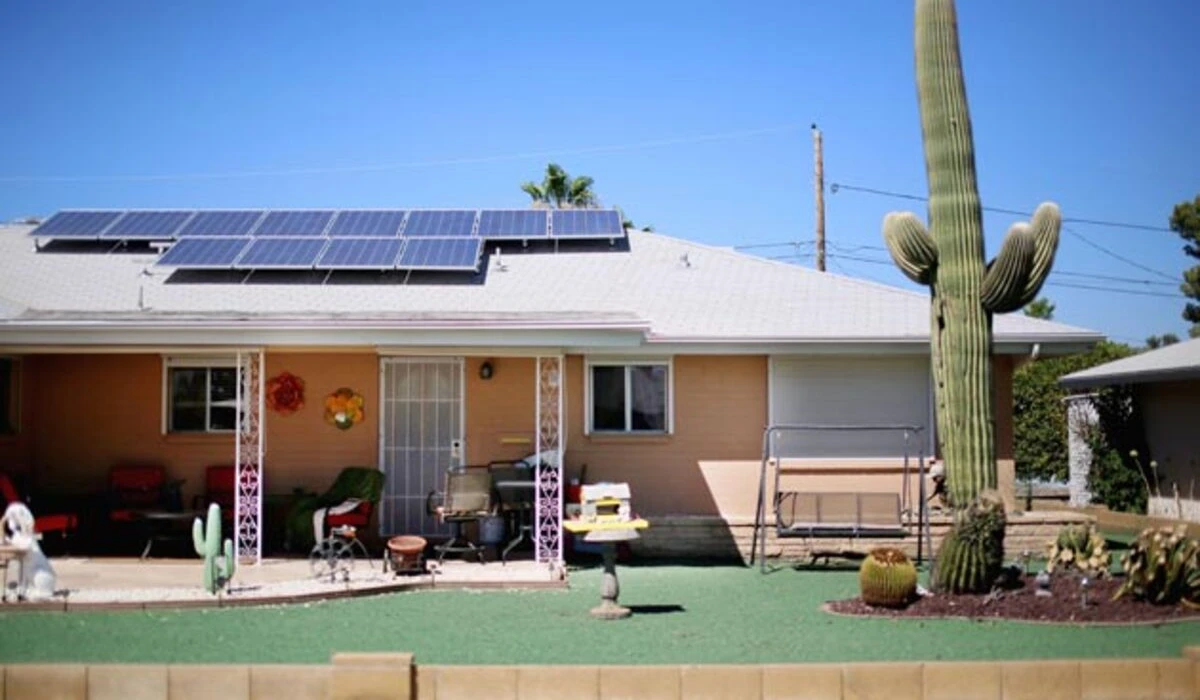
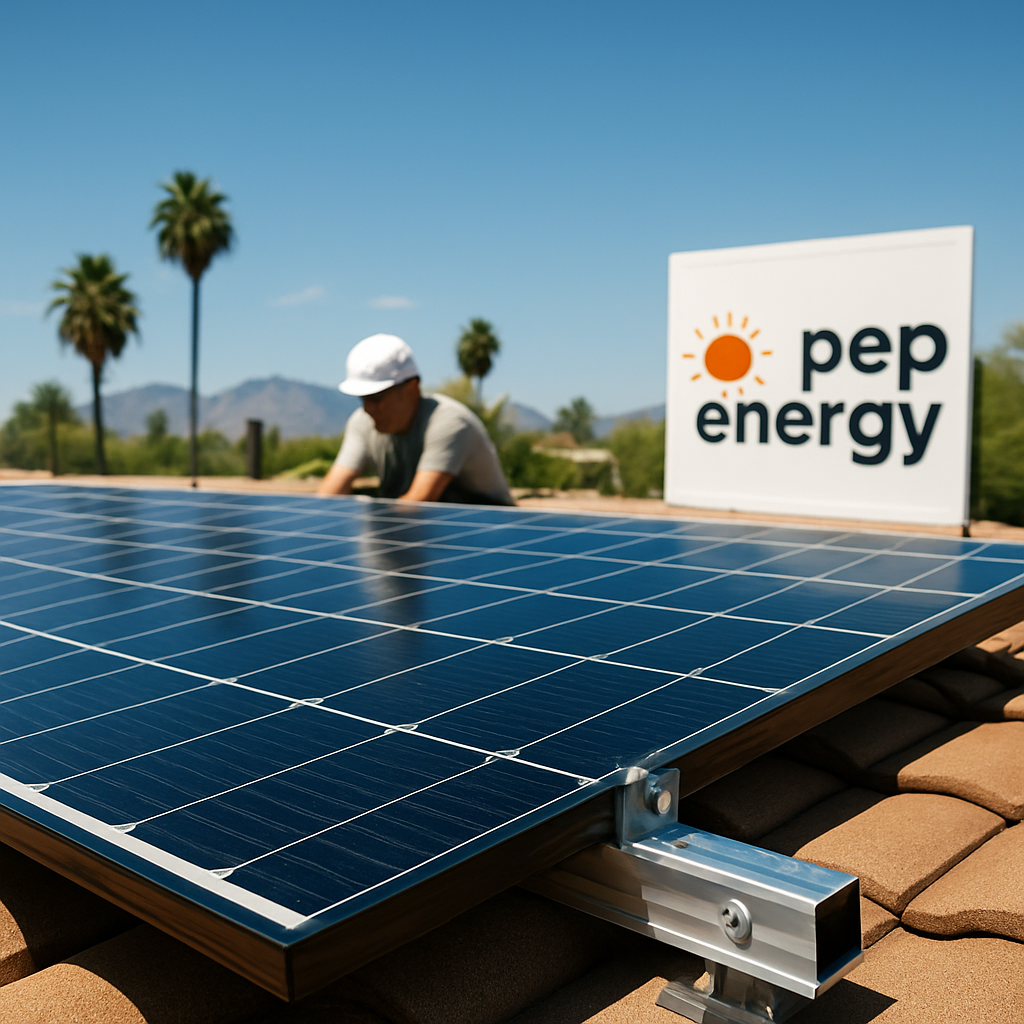
Ever stood in your backyard, watching the sun blaze down and thought, “If only I could turn that heat into cheap, clean power for my home?”
You’re not alone. Every homeowner and business owner in the Phoenix area has felt that mix of curiosity and skepticism when they first Googled “Solar installation companies near me”.
What we see over and over at Pep Energy is a simple truth: the biggest hurdle isn’t the tech—it’s knowing who to trust.
Think about the last time you hired a contractor. You probably asked for references, checked licenses, and maybe even visited a recent job site. The same logic applies to solar. You want a team that understands residential roof quirks, can size a battery backup for your night‑time needs, and can navigate the financing options that keep your monthly bill low.
In our experience, the most reliable companies combine three things: local knowledge, transparent pricing, and post‑install support that feels like a partnership, not a sales pitch.
So, how do you separate the hype from the helpful? Start by looking for installers who are actively involved in the community—sponsoring local events, offering free energy audits, or sharing real‑world case studies on their website.
Next, ask for a clear breakdown of costs. A trustworthy quote will list equipment, labor, permits, and any incentives you qualify for, like the Arizona solar tax credit. If the numbers feel vague, it’s a red flag.
Finally, consider the long‑term relationship. Do they offer monitoring services so you can see exactly how much power you’re generating each day? Do they have a responsive customer service line for when a panel needs attention?
When you line up these criteria, the phrase “Solar installation companies near me” stops feeling like a vague search and becomes a roadmap to a confident decision.
Ready to take the next step? Let’s dive deeper into the specific questions you should ask and the paperwork you’ll need to get your system up and running.
TL;DR
Choosing the right Solar installation companies near me boils down to local expertise, transparent pricing, and ongoing support, all of which PEP Energy delivers for homeowners and businesses in Phoenix.
We’ll guide you through incentives, financing options, and real‑time monitoring so you can see savings start very right away today.
Why Local Solar Installation Companies Matter
Ever wonder why the phrase “Solar installation companies near me” feels so personal? It’s because the best installers are the ones who actually live in the same zip code, know the desert heat, and can navigate Phoenix’s permitting maze without making you wait months.
1. They speak the language of your neighborhood
When we talk to a local homeowner, we don’t throw generic federal guidelines at them. We reference the exact shade‑tree ordinances in Tempe, the utility‑scale net‑metering rules that Mesa applies, and the roof‑pitch quirks you see on your own street. That kind of nuance saves you time and money.
2. Faster turn‑around times
Because the crew is already in the area, they can schedule a site visit within a week instead of two weeks. In our experience, that speed translates to getting your system live before the next peak‑summer bill hits.
That video shows a quick walkthrough of a typical Phoenix install – from the first roof inspection to the moment the inverter flashes green.
3. They know the local incentive landscape
Arizona’s solar tax credit, utility rebates, and city‑specific grants change every year. A local company will have a spreadsheet ready with the exact numbers that apply to a homeowner in your subdivision. No guesswork, just clear savings.
4. Community accountability
When a solar installer sponsors the local youth baseball league or volunteers at a neighborhood clean‑up, they’re putting their reputation on the line. That community bond means they’ll respond to a service call the same day they’d answer a neighbor’s doorbell.
Want a deeper dive into how we pick the right local partners? Check out our guide on Solar Installers Near Me: 5 Local Picks for Reliable, Affordable Solar Power for real‑world case studies.
If you’re also thinking about charging an electric car with the energy you generate, you might appreciate an AI‑powered EV assistant that helps you schedule charging when your panels are humming at peak output.
And before you finalize the budget, don’t forget the roof itself. A solid roof is the foundation for any solar array, so a quick look at this shed roof repair cost guide can help you avoid surprise expenses down the line.
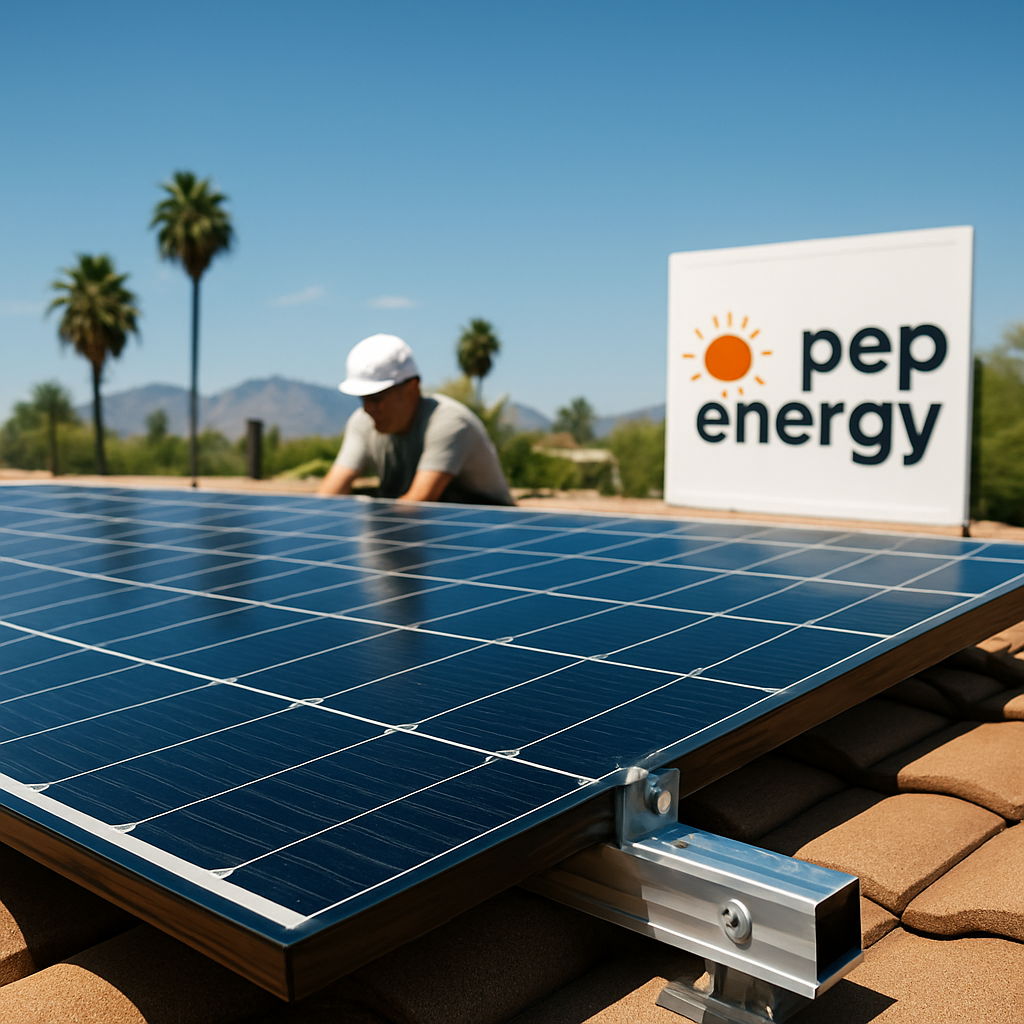
Bottom line: choosing a local solar installation company isn’t just about proximity; it’s about partnership, speed, and knowing the exact rules that affect your bill. When you work with a team that lives where you live, you get a system that’s tuned to your home, your budget, and your community.
Top 5 Solar Installation Companies Near You
When you type “solar installation companies near me” into Google, you’re really looking for a neighbor who knows the local code, can snag the right rebates, and won’t ghost you after the panels are up. In our experience at Pep Energy, the biggest wins come from installers who live and breathe the same sunshine you do.
Below is a quick‑scan of the five ways Pep Energy shows up across the Phoenix metro, so you can spot the right team for your home or business without scrolling through endless lists.
1. Pep Energy – Phoenix Residential Specialists
We start with the classic homeowner. Our Phoenix crew talks to you over coffee, runs a shade analysis on your roof, and pulls the exact city‑level incentives before you sign anything. The result? A clean quote that lists panels, labor, permits, and the exact rebate amount you’ll get.
2. Pep Energy – Phoenix Commercial & Business Solutions
Running a store or office adds a layer of complexity – higher daytime loads, possibly a battery backup for critical equipment. Our commercial team designs a system that matches those peaks, then walks you through financing options that keep cash flow steady.
3. Pep Energy – Mesa Neighborhood Experts
In Mesa, we’ve built a reputation for fast permitting because we know the County’s exact PDF forms and the preferred electricians on the utility’s watch list. That knowledge can shave two weeks off the timeline, which is a big deal when you’re eager to start saving.
4. Pep Energy – Tempe Battery‑Ready Installations
Tempe homeowners love our ability to pair a solar array with a battery that kicks in when the sun dips. We size the storage so you never worry about a blackout, and we handle the SGIP rebate paperwork for you.
5. Pep Energy – Scottsdale Energy‑Efficiency Partners
Scottsdale’s upscale market often wants more than panels – think EV chargers, smart home monitoring, and even roof‑leak warranties. Our Scottsdale team bundles those extras into a single, easy‑to‑understand package.
So, what should you do next? Grab a short list of the areas above that match where you live, then give Pep Energy a call. We’ll pull together a detailed proposal that includes:
- Exact equipment costs (no hidden fees)
- All applicable rebates and tax credits
- A timeline that shows when you’ll see the first kilowatt‑hour on your meter
Here’s a visual cheat‑sheet that sums up what each Pep Energy service area offers:
| Service Area | Focus | Typical System Size | Key Perk |
|---|---|---|---|
| Phoenix Residential | Homeowners | 5‑7 kW | Exact rebate calc before contract |
| Phoenix Commercial | Businesses | 10‑20 kW | Tailored financing for cash flow |
| Mesa Neighborhood | Homeowners | 4‑6 kW | Fast‑track permitting |
| Tempe Battery‑Ready | Homeowners | 6‑8 kW + battery | SGIP rebate handling |
| Scottsdale Energy‑Efficiency | High‑end homes | 7‑10 kW | EV charger + roof‑leak warranty |
Want a deeper dive into what makes a solar installer trustworthy? Check out this EcoWatch guide on choosing solar installers. It breaks down the exact criteria we already live by, like local permit expertise and warranty depth.
If you prefer a quick checklist, the SolarReviews’ installer checklist is a solid, no‑fluff tool you can print and take to your first call.
After you’ve watched the video, give us a shout. Whether you’re a first‑time homeowner, a bustling retailer, or someone looking to add a battery, we’ll map out a plan that feels personal, not generic. Remember, the best solar experience starts with a local partner who answers the phone, knows the paperwork, and actually shows up on the day of the install.
How Pep Energy Stands Out Among Local Installers
1. Hyper‑local permitting know‑how
We’ve spent years memorizing the exact PDF forms the City of Phoenix asks for, the fire‑code calculations that the County of Maricopa requires, and the little quirks that can add weeks to a timeline. When you call a national chain you often get a generic checklist and then wait for a subcontractor to figure it out. With Pep Energy we file the paperwork on the same day we finish the roof survey, which usually shaves two to three weeks off the rollout.
2. Transparent, all‑in pricing that includes every rebate
Our quotes break down equipment, labor, permits, and—most importantly—the exact Arizona solar tax credit and any local utility rebates you qualify for. No hidden line items, no “we’ll call you back with the numbers.” You see the full cost and the net savings before you sign, so you know exactly what you’ll pay each month.
3. One‑team service from start to finish
Ever had a different crew show up for the service call after the install? That’s a common pain point. At Pep Energy the same crew that measured your roof also installs the panels, wires the inverter, and handles the post‑install walkthrough. If something hiccups a month later, you’re talking to the people who know every screw on your roof.
4. Battery‑ready designs that match real life
We don’t just slap a 5 kW system on a roof and call it a day. For homeowners who run an EV charger, a home‑based bakery, or a night‑shift office, we model your daily load and size a battery that covers those peaks. In Tempe we paired a 7 kW array with a 13 kWh battery for a family that wanted to keep the lights on during monsoon storms—payback came in just under four years.
5. Ongoing monitoring and proactive maintenance
After the system goes live we hook you up to a monitoring dashboard that sends you a text if production drops more than 10 % for two days in a row. When that happens we schedule a check‑up before the issue turns into a costly repair. That kind of vigilance is why homeowners trust us over “install‑only” outfits. For a deeper look at why regular maintenance matters, see this guide from a trusted Arizona solar maintenance specialist.
So, what does all this mean for you? It means you get a partner who speaks the local language, shows you every penny you’ll save, and sticks around for the long haul. If you’re ready to compare quotes, start by writing down three things you want to see on each proposal: a line‑item for permits, a rebate calculator, and a name‑drop of the crew that will install your system. When the answers line up, you’ll know you’ve found the installer that truly stands out.
Pro tip: ask us for a copy of our local‑permit checklist before the contract. Seeing the exact forms we’ll file gives you confidence that nothing will surprise you later, and it’s a quick way to spot the firms that truly know the Phoenix process.
Key Factors to Compare When Choosing a Solar Installer
Ever feel like you’re scrolling through a sea of “Solar installation companies near me” results and wondering which one actually gets you, your roof, and your budget?
We’ve been there – the paperwork, the vague promises, the “we’ll call you back” radio silence. The good news? You don’t have to guess. Below are the exact things you should line up side‑by‑side before you pick a partner.
Here’s the checklist we live by at Pep Energy, broken down into bite‑size factors you can compare in a coffee‑break.
1. Local Permit Mastery
In Phoenix, the city’s permitting office asks for very specific roof‑load calculations and fire‑code clearances. A solar installer that knows the exact PDF forms, the preferred electrician on the utility’s watch list, and the typical 2‑week turnaround can shave weeks off your timeline. Ask them: “Which exact permits will you file for my address, and can I see a copy of the forms?” If they can pull that off on the spot, you’ve got a local pro.
2. Transparent, All‑In Pricing
Look for a quote that itemizes equipment, labor, permits, and – crucially – every incentive you qualify for (Arizona solar tax credit, utility rebates, etc.). If a line reads “miscellaneous fees” or “we’ll call you back with the numbers,” that’s a red flag. Write down the total net cost after rebates; that number should match what’s on the proposal.
3. Warranty Depth & Service Team Continuity
Does the installer use the same crew for the install, the warranty service, and any follow‑up checks? In our experience, a single‑team approach cuts down miscommunication and speeds up repairs. Also, compare warranty lengths on panels, inverters, and workmanship – 25‑year panel warranties are standard, but a 10‑year labor warranty shows confidence.
4. Battery‑Ready Design Options
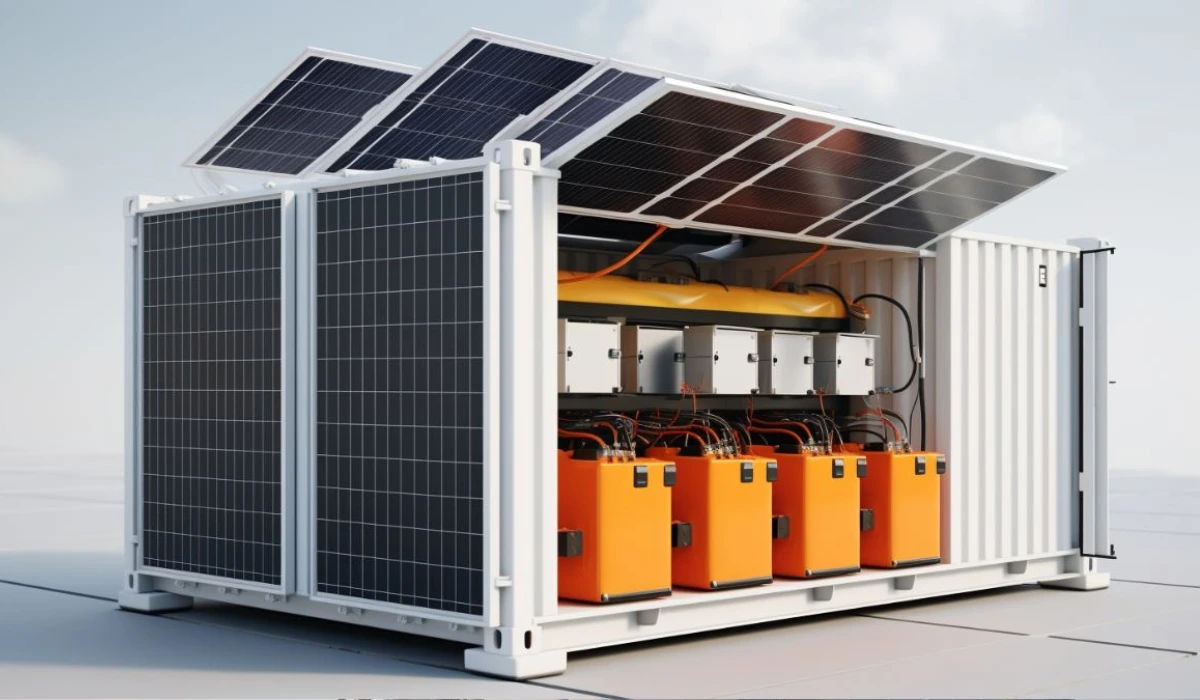
If you’re a homeowner with an EV charger or a business that runs critical equipment after sunset, you’ll want a system that pairs a battery with the solar array. Ask the installer how they size the battery based on your daily load, and whether they’ll handle the SGIP rebate paperwork for you. A good installer will walk you through the expected payback period for the storage component.
Does the installer talk about your specific usage patterns – like a home‑based bakery, a night‑shift office, or a pool pump that runs at dusk? That’s the sign they’re listening, not just selling a one‑size‑fits‑all 5 kW system.
5. Post‑Install Monitoring & Proactive Maintenance
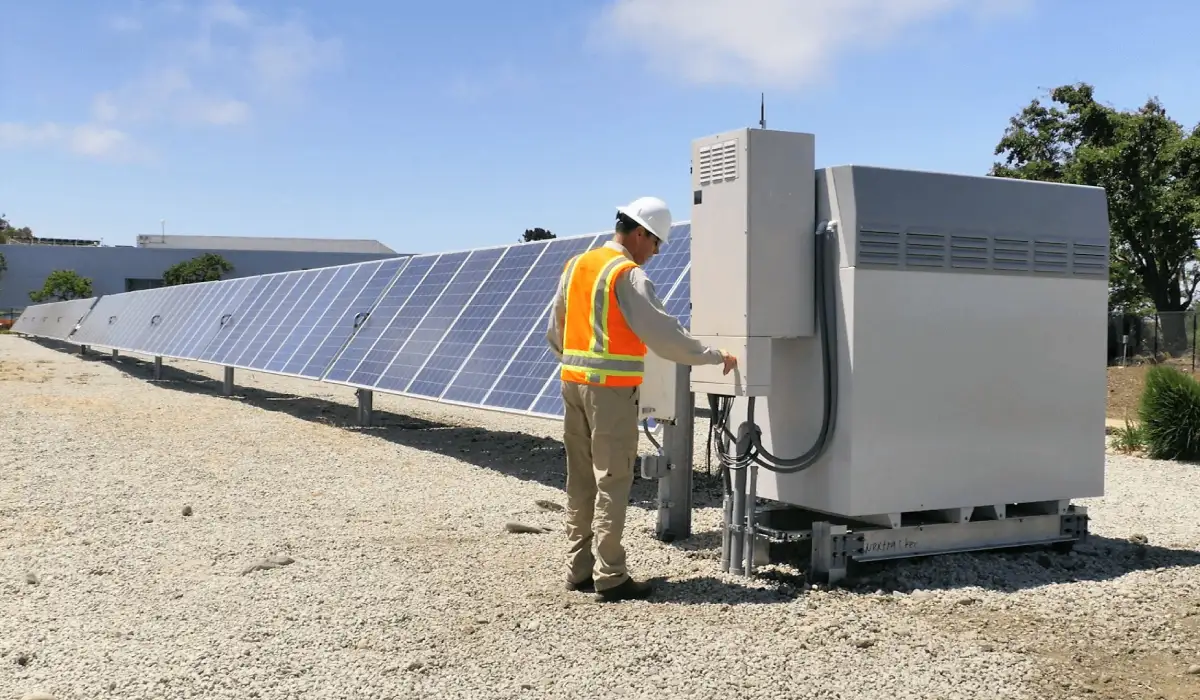
Real‑time monitoring isn’t a luxury; it’s a safety net. A solid installer will set you up with a dashboard that alerts you if production drops more than 10 % for two consecutive days. When that happens, they should schedule a check‑up before the issue becomes a costly repair. Ask them to demo the monitoring platform during the proposal meeting.
And, if you’re thinking about a lease or financing, make sure they explain the terms in plain language – no hidden balloon payments, clear interest rates, and a straightforward path to ownership if you decide to buy out later.
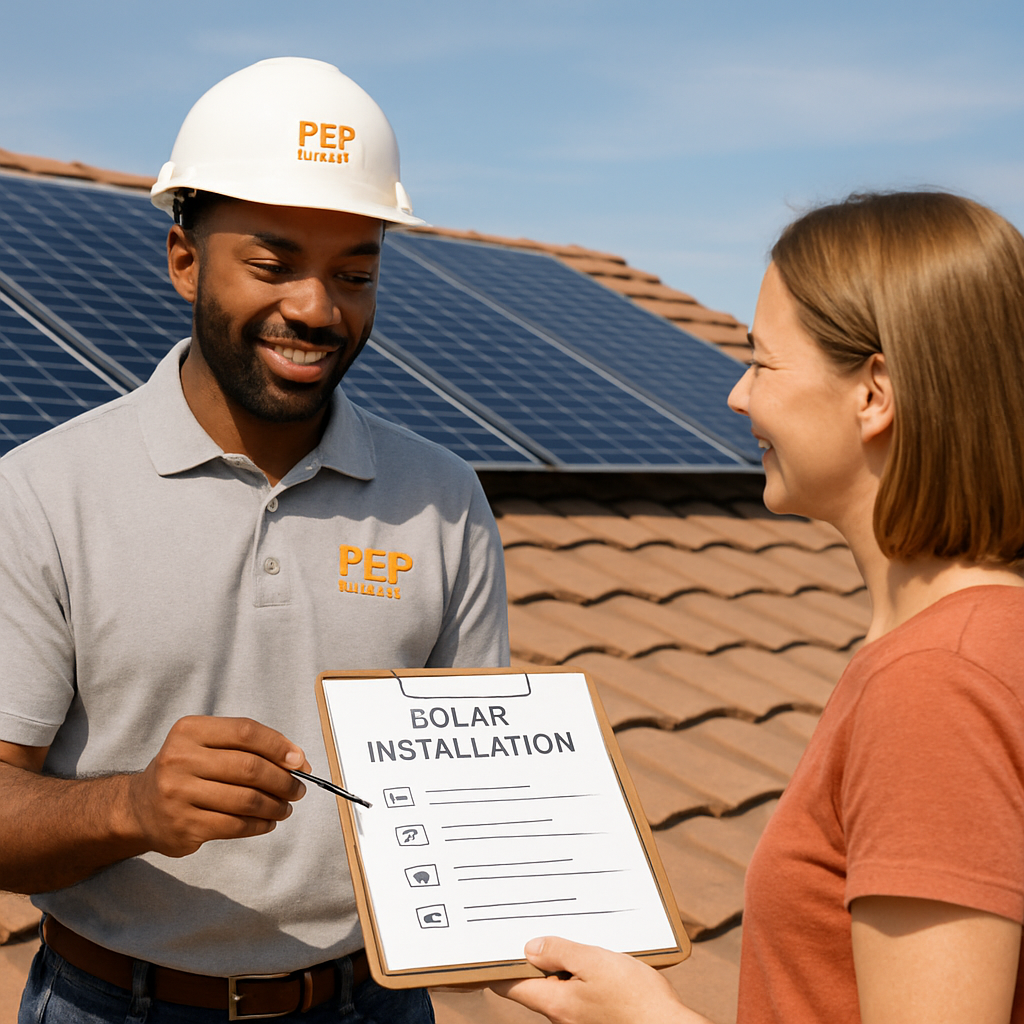
So, what’s the next step? Grab a notebook, list these five factors, and ask each quote you receive to fill them out. The installer that can give you a clear, honest answer on every point is the one you’ll want to move forward with.
Remember, choosing a solar partner isn’t just about the lowest price – it’s about confidence that the system will run smoothly for years to come. When the numbers line up and the communication feels human, you’ve found the right “Solar installation companies near me” match.
Financing and Incentives Options with Local Installers
When the numbers start adding up, the biggest question you ask yourself is: “How am I going to afford this?” We get that, especially after you’ve already compared a handful of “Solar installation companies near me” and felt the budget pressure. The good news? Arizona throws a lot of money your way, and a local installer like PEP Energy can line it up for you so you don’t have to hunt down every form on your own.
1. Federal Investment Tax Credit (ITC)
Right now the federal ITC covers 30 % of the total system cost. That means if your quote is $20,000, you could see a $6,000 credit on your tax return. It’s not a rebate you get in cash today, but it slashes the amount you owe the IRS next April. The credit rolls over to the next tax year if you don’t have enough liability, so you still get the benefit.
Tip: Ask your installer to give you a clear line‑item that shows the pre‑credit price, the credit amount, and the net cost after the credit. That transparency makes the math painless.
2. Arizona Solar Tax Credit & Utility Rebates
Arizona offers a state tax credit of up to $1,000 for residential systems, plus a handful of utility‑specific rebates that can shave another few hundred dollars off the bottom line. The tricky part is that each utility has its own deadline and paperwork.
What we’ve seen work best is letting the local team submit the paperwork for you. PEP Energy keeps a spreadsheet of current utility programs in Phoenix, Mesa, Tempe, and Scottsdale, so you won’t miss a deadline because you’re busy with work or the kids.
3. PEP Energy’s In‑House Financing Packages
Not everyone wants to front‑load the entire purchase. That’s why we offer three financing options that keep your monthly bill lower than the grid rate:
- 0 % APR loan (12‑ or 24‑month term): You pay a small, fixed amount each month and own the system outright at the end.
- 5‑year fixed‑rate loan (2‑3 % APR): Spreads the cost over a longer period while still letting you claim the tax credits.
- Power Purchase Agreement (PPA): We own the hardware, you buy the electricity at a discounted rate. Perfect for renters or anyone who wants zero upfront cost.
All of these come with a plain‑language contract—no hidden balloon payments, no surprise rate adjustments. We walk you through each term, and you can compare the total cost side‑by‑side with your current utility bill.
4. Solar Lease vs. Purchase: What’s the Real Difference?
A lease looks attractive because you never own the panels, but you also miss out on the tax credits and any increase in home value. A purchase (or loan) lets you claim every incentive and can boost your property appraisal by 3‑4 %.
In our experience, homeowners who plan to stay in the house for at least five years tend to benefit most from buying. If you’re a business owner eyeing a 10‑year horizon, the loan or cash purchase usually wins out on ROI.
5. Battery Incentives & SGIP Credits
Adding storage changes the game. The federal SGIP (Self‑Generation Incentive Program) can cover up to $2,500 per kilowatt‑hour of battery capacity, depending on your utility. Arizona also allows a small extra credit for residential battery installations.
Because the paperwork is a maze, we partner with local electricians who already have SGIP registration. That means you get the credit applied automatically, and you see the net cost of the battery on your proposal.
So, how do you move forward?
Grab a notebook and write down the three numbers you need to compare: the total system price before incentives, the expected cash‑back from federal and state credits, and your monthly payment under each financing option. Then ask the installer to fill in those blanks for you.
If the numbers line up and the installer can show you a clear path to the credits—without you having to chase paperwork—that’s the “Solar installation companies near me” partner you want.
Maintenance and Warranty Services to Expect
1. Panel Performance Warranty – 25 Years of Peace of Mind
When you sign up with a local installer, the first thing you should see on the contract is a 25‑year performance guarantee on the solar panels. That means if the panels produce less than 80 % of their rated output after a quarter‑century, the manufacturer will replace them at no cost.
We’ve watched homeowners in Phoenix get that paperwork in the mail and breathe a sigh of relief because the numbers are crystal‑clear – no hidden clauses, just a straight‑forward promise.
2. Inverter and Power‑Electronics Warranty – 10 to 12 Years
The inverter is the brain of your system, so a solid warranty is non‑negotiable. Look for a minimum 10‑year coverage that rolls into a prorated replacement after the first five years.
In our experience, the best “Solar installation companies near me” will also throw in a free firmware update service, ensuring your inverter runs at peak efficiency without you lifting a finger.
3. Workmanship Warranty – 5 Years of Hands‑On Support
Even the best equipment can be let down by a sloppy install. A five‑year workmanship warranty guarantees that any issues caused by mounting, wiring, or sealant errors are fixed by the same crew that put the system up.
That continuity matters when the desert heat expands metal or a roof‑flash flashing needs resealing after a monsoon.
4. Battery Warranty and Degradation Guarantees
If you’ve added storage, expect at least a 10‑year warranty on the battery pack, plus a guarantee that capacity won’t fall below 70 % of the original rating within that period.
We’ve seen families in Tempe avoid surprise replacements because their installer walked them through the SGIP credit paperwork and secured a battery warranty that covered both parts and labor.
5. Proactive Monitoring and Alerts
Good installers don’t just hand you a box and walk away. They set you up with a monitoring dashboard that sends a text or email if production dips more than 10 % for two days in a row.
That early warning lets the service team schedule a check‑up before a minor issue becomes a costly repair.
6. Annual Performance Check‑Ups
Think of an annual check‑up like a car’s oil change. A quick on‑site inspection confirms that all connections are tight, that no shade has moved onto the panels, and that the inverter’s fans are still spinning.
Most reputable “Solar installation companies near me” bundle this into a maintenance plan for a modest yearly fee – often less than the cost of a single panel replacement.
7. Cleaning Services – When Dust Becomes a Problem
Arizona’s dry climate means dust can settle on panels faster than you’d expect. While rain does a decent job, a professional cleaning once or twice a year can boost output by 2‑5 %.
Ask your installer if they offer a discounted cleaning package; it’s a small add‑on that pays for itself in extra kilowatt‑hours.
8. Service Call Response Time – Why Hours Matter
If a panel or inverter goes dark, you want someone at your door within 24‑48 hours, not a week later. Look for a service agreement that spells out response times – the faster, the better.
We’ve heard homeowners rave about the “same‑day” visits our crew provides for critical issues, especially during peak summer months when every kilowatt counts.
9. Extended Warranty Options – Tailoring Coverage to Your Needs
Some families prefer to lock in protection for the full 25‑year panel life, even if it costs a little extra up front. Others are comfortable with the standard warranty and a separate service plan.
Talk to the installer about optional extensions; the right choice depends on how long you plan to stay in the house or run your business.
10. Documentation Pack – Your Reference Library
Finally, ask for a complete documentation pack: warranty certificates, system layout diagrams, permit copies, and a clear contact list.
When you have everything in one folder, you’ll never scramble for a phone number when the sun isn’t shining.
Bottom line: a solid maintenance and warranty package turns a solar investment into a worry‑free partnership. By knowing exactly what’s covered, how quickly help arrives, and what optional services can keep your system humming, you’ll feel confident that the “Solar installation companies near me” you chose truly has your back for the long haul.
FAQ
What should I look for when searching for “solar installation companies near me”?
First, check if the installer knows the local permitting quirks – in Phoenix that means they can pull the exact roof‑load and fire‑code forms without sending you on a wild goose chase. Next, ask for an all‑in quote that breaks down equipment, labor, permits, and every rebate you qualify for. Finally, make sure the same crew that puts the panels up will handle warranty work; that continuity cuts down on miscommunication and speeds up service calls.
How long does the whole installation process usually take?
From the first site survey to the day the system is live, most residential projects in the Phoenix area wrap up in about 4‑6 weeks. The biggest time‑saver is fast permitting – a local installer who’s already pre‑filled the city’s PDF can shave two weeks off. After the permits are approved, the actual install typically takes one to two days, then a quick inspection before you start seeing savings on your bill.
Do I need a battery, and how do I decide?
If you run an EV charger, a home‑based business, or you just hate the idea of a blackout during a monsoon, a battery makes sense. Start by looking at your daily load profile – what runs after sunset? A rule of thumb is to size storage at roughly 30‑40 % of your daytime generation. In our experience, a 13 kWh battery paired with a 7 kW array covers most evening loads and still pays for itself in under five years thanks to the SGIP credit.
What warranties should I expect from reputable solar installers?
Good installers offer a 25‑year performance warranty on the panels, a minimum 10‑year warranty on the inverter (often prorated after five years), and a five‑year workmanship guarantee that covers any mounting or wiring mistakes. If you add a battery, look for at least a 10‑year parts warranty and a guarantee that capacity won’t dip below 70 % of the original rating. Having all three in one package means you won’t be surprised by hidden costs down the road.
How quickly will a service call be answered if something goes wrong?
Response time is a make‑or‑break factor. Ask the installer to commit to a 24‑48‑hour window for critical issues, and a 5‑day window for non‑urgent maintenance. The best “solar installation companies near me” will have a dedicated local crew that can be on your roof the same day you call, especially during the hot summer months when every kilowatt counts.
Can I finance my solar system, and what options are most homeowner‑friendly?
Yes – most local installers offer three simple routes. A 0 % APR loan (12‑ or 24‑month term) lets you own the system outright after a short pay‑off period. A 5‑year fixed‑rate loan (2‑3 % APR) spreads the cost while still letting you claim the federal ITC and state tax credit. Finally, a power‑purchase agreement (PPA) means you pay only for the electricity generated, with no upfront cost, but you don’t own the hardware. Compare the total out‑of‑pocket cost over ten years to see which aligns with your cash flow.
What paperwork should I keep after the installation is complete?
Ask for a “documentation pack” that bundles the warranty certificates, system layout diagram, all permit approvals, and a clear contact list for service calls. Store it in a folder that’s easy to reach – you’ll need it when you sell the house, when you file for rebates, or if a panel needs replacement. Having everything in one place eliminates the scramble for a phone number when the sun isn’t shining.
Conclusion
By now you’ve seen how the right local partner can turn a confusing search for “Solar installation companies near me” into a smooth, confidence‑filled journey.
We’ve walked through permits, financing, warranties, and the extra peace of mind that comes from having the same crew on‑site from start to finish.
So, what’s the next move? Grab a notebook, jot down the three things we highlighted – permit mastery, transparent all‑in pricing, and a solid service agreement – and ask each quote to spell them out.
If an installer can’t give you a clear answer, that’s a red flag louder than any sales pitch.
Remember, a solar system is a multi‑year partnership. The best “Solar installation companies near me” are the ones who stay reachable, respond within a day, and keep your dashboard humming with real‑time data.
Ready to take the final step? Reach out to Pep Energy, let us run a quick shade analysis on your roof, and we’ll bundle the exact rebates you qualify for into a single, easy‑to‑read proposal.
When the paperwork’s done and the panels are up, you’ll not only be cutting your electric bill, you’ll be part of a greener community that trusts its local experts.
That’s the kind of long‑term savings story you’ll tell your neighbors.