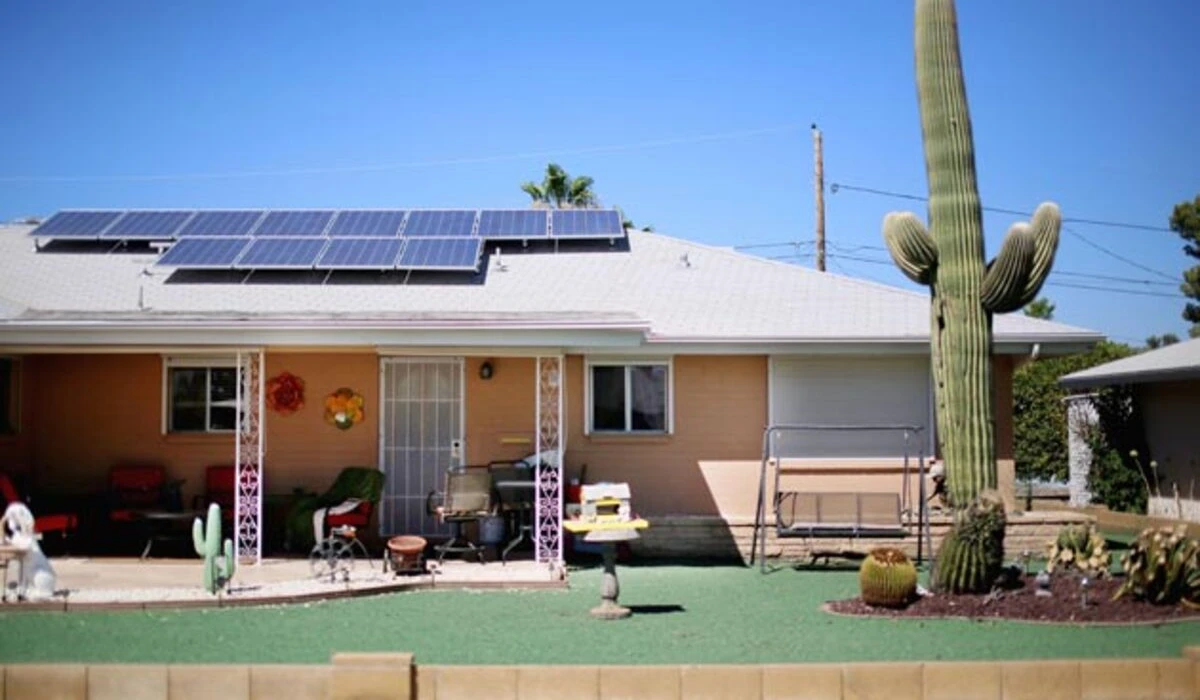
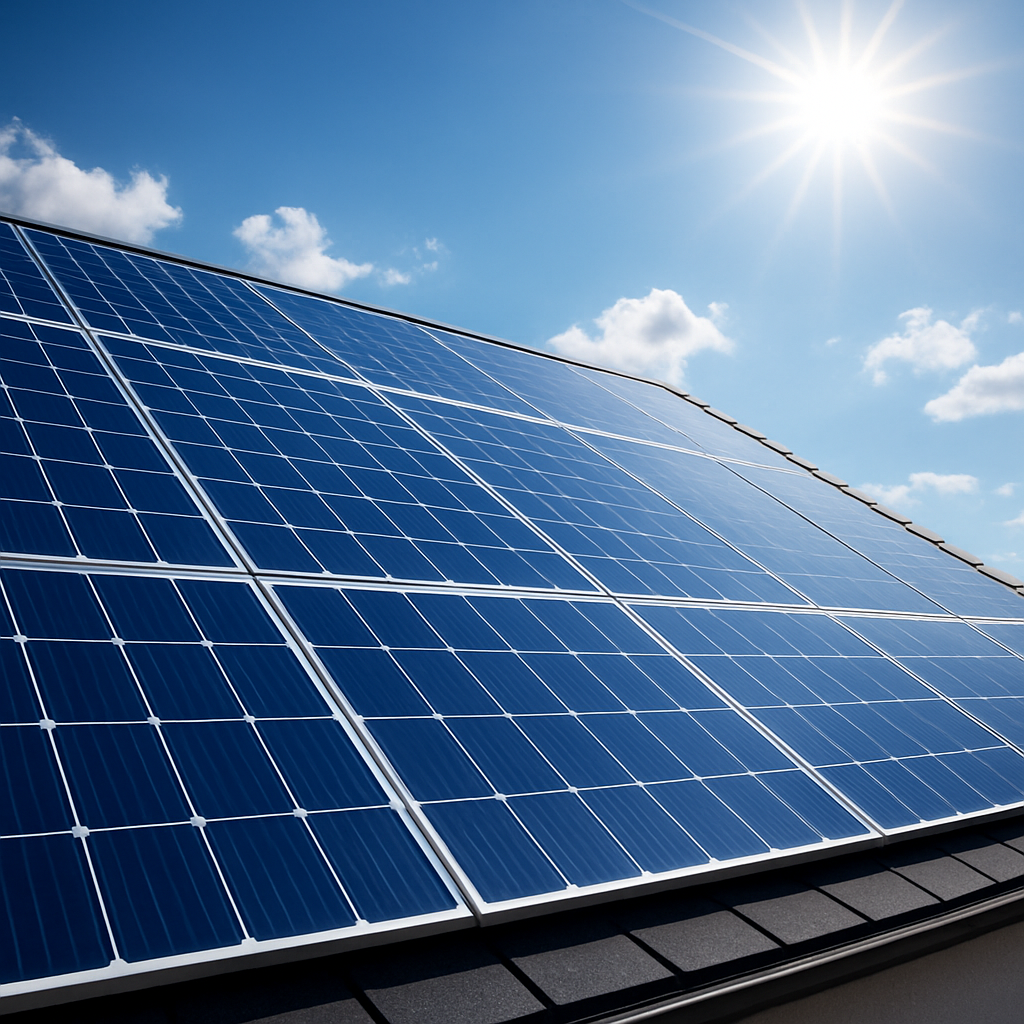
Picture this: you’re sitting on your porch, the sun is spilling over the roof, and the meter on the wall stays stubbornly still.
Sounds like a daydream, right? Yet that quiet hum of a solar energy system doing its thing is something more people are actually experiencing.
We get it—deciding whether to go solar can feel like standing at a crossroads with a million brochures, a handful of numbers, and a lingering worry about “what if it doesn’t work for me?”
But here’s the thing: solar energy systems aren’t just for tech‑savvy early adopters or giant corporations. They’re becoming a practical choice for everyday homeowners and small‑business owners who want to tame rising utility bills and gain a bit more control over their power.
Think about the last time your electric bill jumped unexpectedly. Maybe you were away on vacation and came home to a shocking total. That frustration is what drives many of us to explore alternatives.
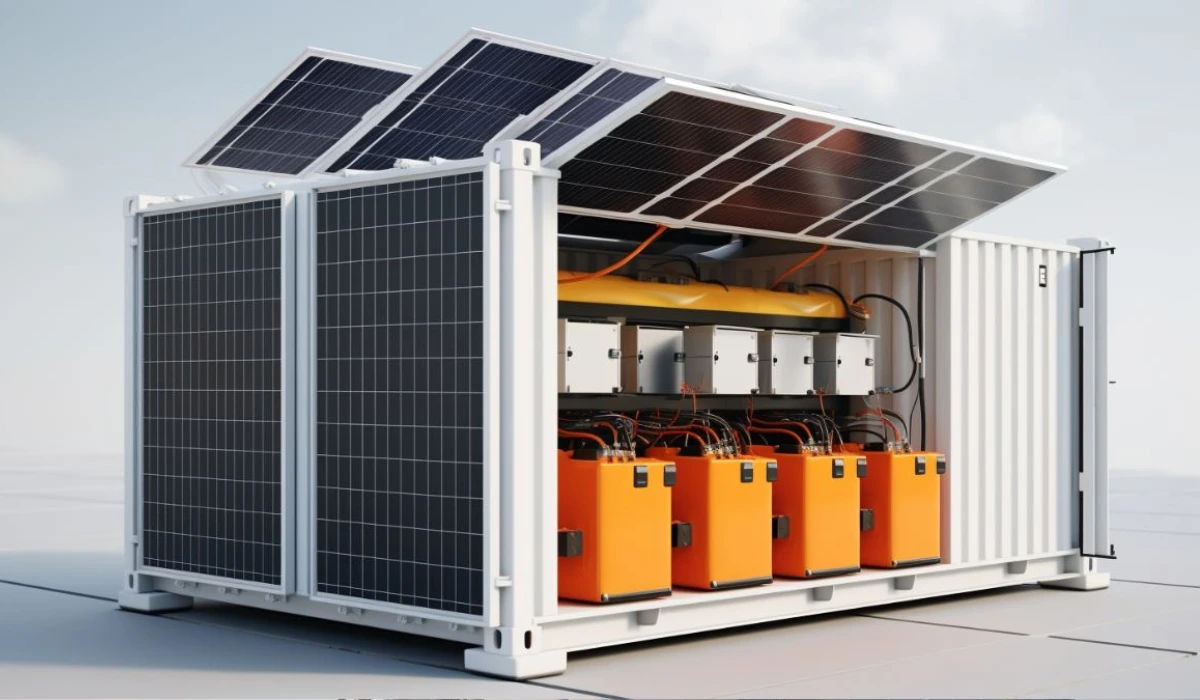
So, what does a solar energy system actually include? In its simplest form, it’s a set of photovoltaic panels that turn sunlight into electricity, an inverter that converts that power into something your home can use, and—if you want backup—one or more batteries that store excess energy for cloudy days or outages.
And you don’t have to build it yourself. Companies like Sean Whitmer specialize in handling the whole process, from the roof survey to the final hookup, so you can focus on the benefits rather than the bureaucracy.
Now, imagine cutting your electricity cost by a sizable chunk while also reducing your carbon footprint. That’s the promise many customers chase, and it’s more reachable than you might think.
Ready to see how solar energy systems could fit into your life? Let’s dive in and unpack the key pieces, the real savings you’ll expect, and the steps you’ll need to take to make the sun work for you.
TL;DR
Solar energy systems let you slash electric bills, store sunshine for outages, and shrink your carbon footprint without the DIY hassle and enjoy reliable power.
Partner with experts like Sean Whitmer for a seamless rooftop survey, professional install, and ongoing support so the sun works for you every single day.
Deep Dive: How Solar Panels Convert Sunlight in Solar Energy Systems
Okay, picture this: the sun’s rays hit your roof and, within a split second, a tiny cascade of electrons gets set in motion. That’s the heart of every solar energy system – the photovoltaic effect.
The photovoltaic effect in plain English
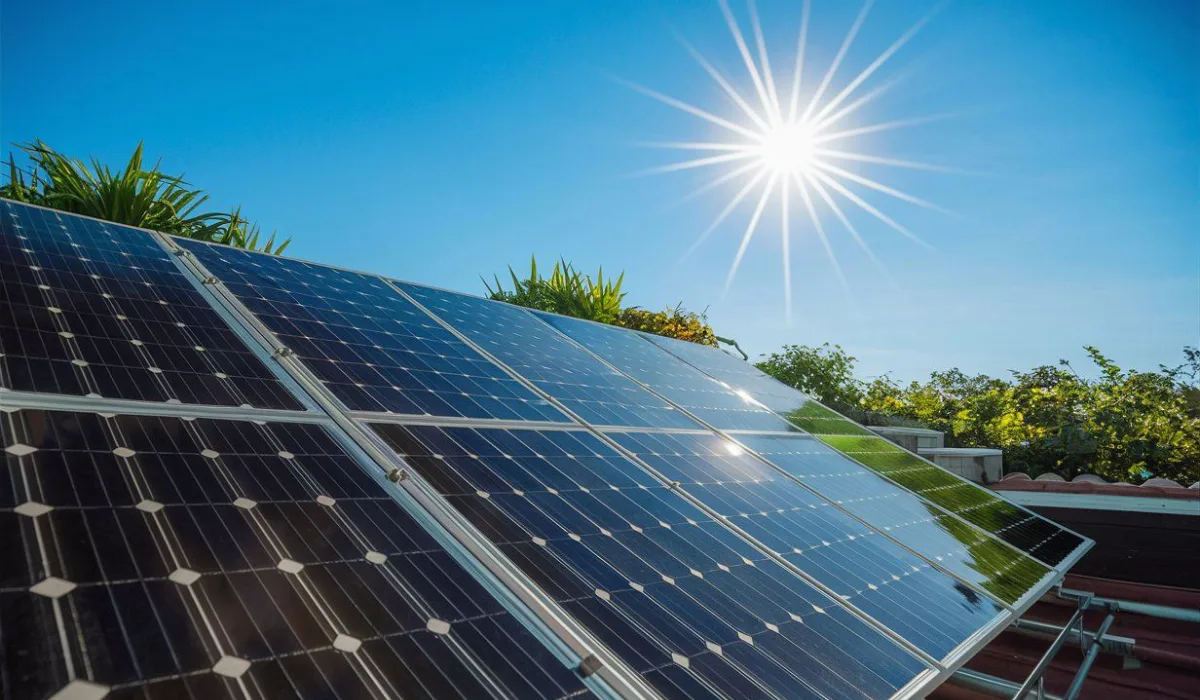
Solar panels are made of silicon cells. When photons from sunlight strike the silicon, they knock electrons loose from their atoms. Those free electrons are then funneled into a circuit, creating a flow of direct current (DC). Think of it like a line of dominoes falling one after another – each photon is the first push.
But it’s not magic; it’s physics. The more sunlight (or “insolation”) you get, the more electrons you generate, which is why orientation and tilt matter so much.
From DC to the power you actually use
Homes and businesses run on alternating current (AC). That’s where the inverter steps in. It takes the DC from the panels and flips it back and forth, syncing it with the grid’s frequency. Modern inverters also act as a watchdog, shutting down the system if the grid goes down to protect utility workers.
Now, you might wonder: “Do I need a separate inverter for each panel?” Most residential setups use a single string inverter, but micro‑inverters or power optimizers can be added for tricky roofs or shading issues.
Series, parallel, and the art of wiring
When you connect panels in series, you add their voltages together while keeping the current the same. In parallel, you add the current but keep the voltage steady. Designers mix both to hit the sweet spot for the inverter’s input range. A common mistake is over‑stringing – too many panels in series can push voltage beyond what the inverter can handle, leading to “clipping” and lost energy.
That’s why a professional survey, like the one Sean Whitmer offers, is crucial. They map sun paths, calculate the ideal string layout, and make sure everything stays within safe limits.
Here’s a quick checklist to sanity‑check your design:
- Check panel orientation (south‑facing is best in the Northern Hemisphere).
- Ensure the inverter’s voltage window matches your string voltage.
- Look for shading hotspots – even a tree branch can shave off 10‑15% of output.
Want a visual walk‑through? Below is a short video that breaks down the process step‑by‑step.
After you’ve got the basics down, you might start thinking about scaling up. Tools like Roadtrip AI can map optimal routes for solar installers, saving time and fuel on large projects. And if you’re managing dozens of rooftops, Scalio’s platform helps coordinate permits, inspections, and performance monitoring all in one dashboard.
So, next time you glance up at those sleek black tiles, remember: each photon is sparking a tiny current, the inverter is turning that into usable power, and the whole system is quietly humming because you (or your installer) got the wiring just right. With a little know‑how, you can watch the sun do the heavy lifting for years to come.
Component Overview: Panels, Inverters, Batteries for Solar Energy Systems
Solar Panels – catching the sun
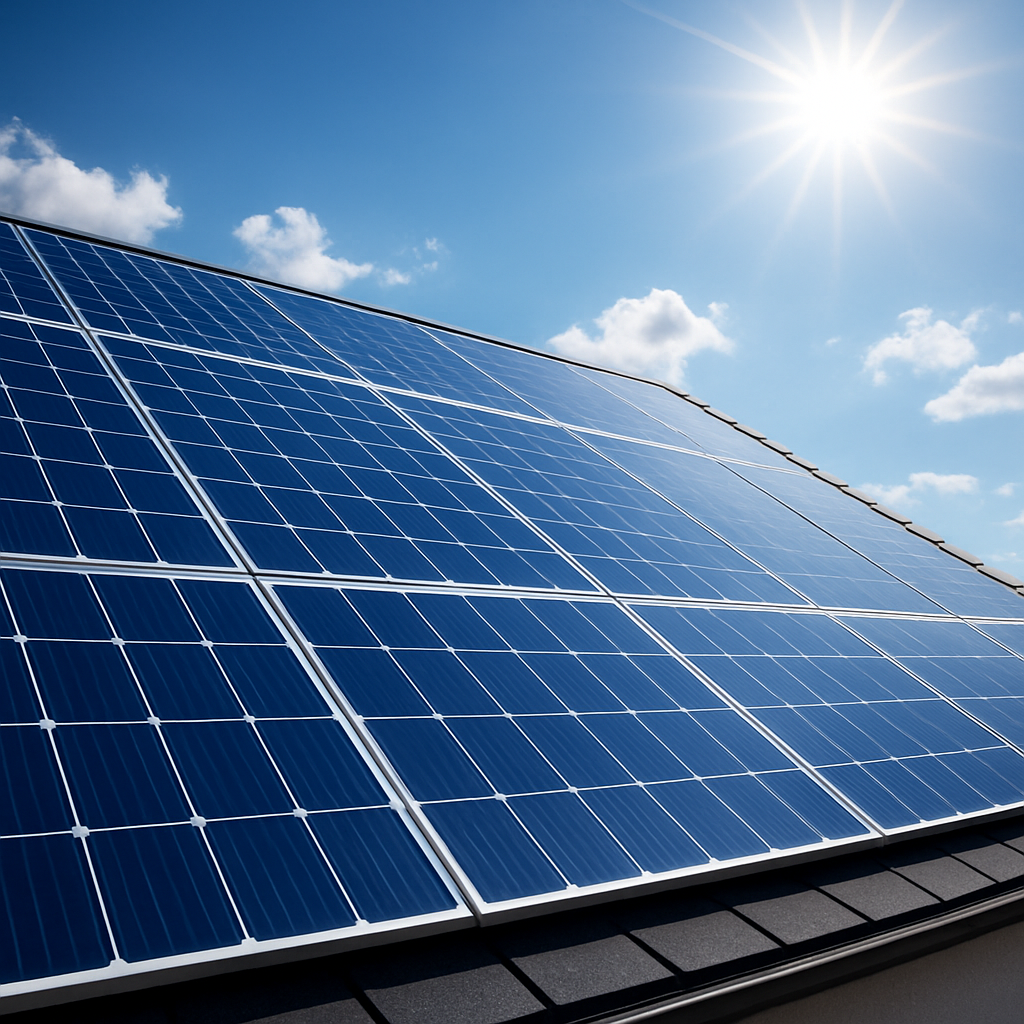
Think of a solar panel as a giant light‑catcher. Each silicon cell turns photons into direct current (DC) electricity, and when you string enough of them together you get the power you need for your home.
Most residential arrays use 300‑400 W panels that produce about 5‑6 amps per panel in full sun. If you live in a sunny desert, a smaller number of panels will do the job; a cloudier climate means you’ll need a little extra capacity to make up for the loss.
According to the U.S. Department of Energy, modern PV modules can reach efficiencies above 22 % and are built to withstand hail, wind, and temperature swings (DOE overview of solar panel performance).
When you’re sizing your system, start by adding up the watt‑hours each appliance uses per day, then divide by the local “panel generation factor” to get the total watt‑peak you’ll need.
Inverters – the AC translators
All our household devices run on alternating current (AC). The inverter’s job is to take the DC coming from the panels (or from a battery bank) and turn it into clean, grid‑compatible AC.
There are two main types: string inverters that handle the whole array, and micro‑inverters mounted on each panel for better performance on shaded roofs. A good rule of thumb is to size the inverter 25‑30 % larger than your total appliance load, and if you have motors or compressors, go three times larger to cover the surge.
Micro‑inverters can boost output by up to 10 % on partially shaded arrays, making them a smart choice for tricky roof layouts (Leonics explains inverter sizing and options).
Modern hybrid inverters also include a built‑in charge controller, so you can run panels, batteries, and even a backup generator from one box.
Batteries – storing the sunshine
When the sun goes down, your battery bank steps in. Deep‑cycle lithium‑ion batteries are the current favorite: they’re lighter, have a longer lifespan (up to 15 years), and can be discharged deeper without damage.
To size a battery, calculate your nightly and cloudy‑day load, factor in a 15 % loss, and then divide by the depth‑of‑discharge you’re comfortable with (usually 80 % for lithium). Multiply that number by the number of days of autonomy you want – three days is a common sweet spot.
Lead‑acid batteries still work for budget‑conscious installs, but you’ll need more of them and they’ll require regular topping‑up.
Want to see how a well‑matched battery bank can keep your lights on during a storm? Check out Selene, the AI‑powered EV assistant – it even suggests the right solar‑charging setup for electric cars, showing how batteries power more than just your fridge.
Thinking about financing? A homeowner might explore mortgage options to bundle solar upgrades; Mortgage Mapper helps you understand how a solar investment fits into your home‑loan strategy.
And if you’re curious about who’s behind the expertise, learn more about our mission to power a cleaner future and how we guide you through panel selection, inverter matching, and battery sizing.
Comparing Solar energy system types
When you start looking at solar, the first fork in the road is the kind of system you actually need. Is a rooftop residential array enough, or does your situation call for a larger commercial‑grade setup? Maybe you’re weighing a grid‑tied design against a fully off‑grid solution. Let’s break it down so you can picture the trade‑offs without getting lost in jargon.
Residential vs. Commercial panels
Residential panels usually measure about 45″ × 70″ and blend into a home’s roofline with an all‑black look. Commercial panels are bigger—around 45″ × 90″—and prioritize raw output over aesthetics. That extra surface area can boost daily kilowatt‑hours, which is why businesses with bigger roofs often go commercial. Paradise Energy explains the size and design differences, and it’s a good place to start if you’re unsure which footprint fits your roof.
But size isn’t the whole story. Commercial systems often use bifacial modules that harvest light from both sides, especially on flat roofs with ballast mounts. Residential installs stick to monofacial panels because they’re cheaper and still deliver plenty of power for a typical household.
Grid‑tied, off‑grid, and hybrid
Grid‑tied is the most common choice: your panels feed excess electricity straight into the utility, earning you credits, while the grid backs you up at night. Off‑grid means you’re completely independent—everything you generate goes into a battery bank, and you need enough storage to survive cloudy days.
Hybrid systems try to give you the best of both worlds. You stay connected to the grid, but you also have a battery that stores surplus solar for emergencies or to shave off peak‑hour rates. It’s a sweet spot for homeowners who want reliability without the full cost of a standalone backup system.
So, which one feels right for you? Think about your budget, the amount of roof space you have, and how much control you want over your power.
Watching that short video can help you visualize how each system wires together, from panels to inverter to battery.
Quick comparison table
| System type | Typical use | Key pros | Key cons |
|---|---|---|---|
| Residential rooftop | Single‑family homes | Low upfront cost, aesthetic-friendly | Limited output, depends on roof orientation |
| Commercial‑grade array | Businesses, large roofs | Higher energy production, can use bifacial panels | Higher cost, larger footprint |
| Hybrid with storage | Homeowners seeking backup | Grid independence during outages, time‑of‑use savings | Additional battery expense, more complex design |
Bottom line: match the system to your energy goals, roof size, and how much you value independence. Start by listing your daily usage, sketching your roof’s layout, and then decide which combination—residential, commercial, or hybrid—delivers the right balance of cost and confidence.
Designing a Residential Solar Energy System
Start with the needs: load and goals
First, get honest about how much power you use and what you want the system to do. Do you want to cut the monthly bill, or keep the lights on during outages?
Pull 12 months of electric bills and calculate average daily kWh. If math feels scary, treat this as a checklist you can hand to your installer.
Step 1 — Calculate daily energy and peak load
List devices, their wattage, and hours of use, then add them up to get Wh/day. For example, two 50 W bulbs (6 hours) plus a 200 W laptop (3 hours) gives 1,200 Wh/day in that room.
Also estimate peak simultaneous load so you can size the inverter. A common rule: size the inverter about 25% above your peak continuous load to avoid overload.
Step 2 — Size panels (array wattage)
Use the simple formula: Total Panel Wattage = Total Daily Energy (Wh/day) ÷ Peak Sun Hours. That converts your daily need into the array size you actually need on the roof.
For a worked example where a home needs 1,790 Wh/day and gets about 5 peak sun hours, the panels needed come out near 358 W total, which then rounds up to standard panel counts and sizes depending on panel wattage and roof space (detailed panel and sizing examples).
Step 3 — Battery and autonomy planning
Decide how many nights or cloudy days you want the house to run without sun. Three days is common for homeowners who want reliable backup.
Use this approach: Battery Ah = (Wh/day × Days of autonomy) ÷ (Battery voltage × DoD). For instance, with a 12 V bank, 1 day autonomy, and 50% DoD, a 1,790 Wh/day load gives ~300 Ah (example courtesy of practical sizing guidance).
Step 4 — Inverter and charge controller
Pick an inverter rated for your peak load (plus surge for motors). If you plan storage, choose a hybrid or solar-plus-storage inverter to simplify integration.
Choose an MPPT charge controller for higher efficiency on larger systems; PWM is only cost-effective on very small installs.
Permits, inspection, and site survey
Don’t skip permits. Contact your local permitting office and utility early — they’ll tell you interconnection and inspection rules so you don’t stall the final hookup (check local permit requirements and interconnection steps).
Quick checklist before you sign
- Daily kWh and peak load documented
- Panel wattage and number calculated, roof shading analysis done
- Battery Ah sized for chosen days of autonomy and DoD
- Inverter sized with headroom for surge
- Permits and utility interconnection plan confirmed
So, what should you do next? Sketch your roof, note orientation and shading, and bring those bills to your installer. That’s where the high‑value decisions get nailed down—practically and legally.
Maintenance Best Practices for Solar Energy Systems
Even though solar panels have no moving parts, treating them like a “set‑and‑forget” gadget can bite you later. A little bit of routine love keeps your solar energy systems humming and protects the investment you made.
Why a maintenance plan matters
Think about the last time you missed a car oil change—suddenly the engine sputters, right? The same principle applies to your roof‑top array. A dirty, loose bolt or a faulty inverter can shave off a noticeable chunk of output, especially when you’re counting on that power to offset a high electric bill.
Cleaning and visual checks
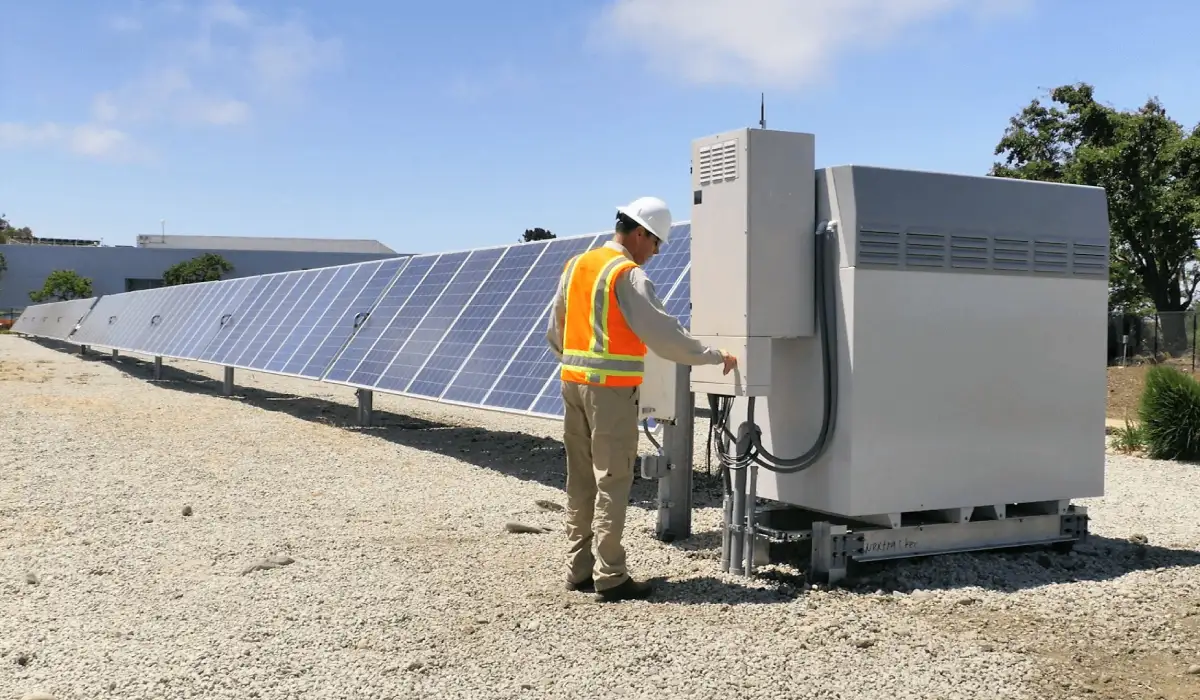
If you live in a dusty suburb or near a pine forest, you’ll see a film of grit or pollen on the glass within months. Most rain does a decent job, but for larger commercial installs an annual cleaning is recommended to squeeze every watt out of the array. A quick visual sweep each season—looking for cracked modules, loose racking, or shading from new growth—goes a long way.
Boston Solar recommends pairing that visual walk‑through with a formal annual inspection that covers torque checks, performance evaluations, and even thermal imaging to spot hot spots before they become costly failures.according to Boston Solar’s maintenance guide

Troubleshooting the common culprits
When output drops unexpectedly, it’s usually a wiring hiccup, a blown fuse, or a dirty connection. Grab a clamp meter—like the Fluke 393 FC—to measure voltage and current at the inverter input, then trace the numbers back through the combiner box. Loose connections will show lower voltage, while a reversed polarity will trigger an audio warning on the meter.
The same tool can verify that each branch circuit is delivering the expected current, helping you pinpoint a single under‑performing module before you call a technician.Fluke explains how to troubleshoot PV systems
Seasonal checklist
- Spring: Remove debris, check for storm damage, tighten racking bolts.
- Summer: Verify inverter cooling, confirm no new shading from growing trees.
- Fall: Clean leaves, inspect for corrosion on connectors.
- Winter: Ensure snow melt pathways are clear, run a low‑load test to confirm the system wakes up.
Bottom line? A 15‑minute walk around your panels twice a year, plus a quick voltage check after a major storm, can save you from a surprise dip in production and keep your solar energy systems delivering clean power for decades.
Conclusion
Let’s take a step back and look at what we’ve covered. Solar energy systems can feel like a big commitment, but the pieces—panels, inverters, batteries, and a solid maintenance plan—fit together more simply than you might think. You’ve seen how a quick visual sweep each season can catch loose bolts before they turn into costly downtime, and how a clamp meter helps you pinpoint a single under‑performing module without calling a tech.
So, what’s the next move? Grab your last year’s electric bills, sketch your roof’s orientation, and run a simple sunlight‑hours calculation. If the numbers line up, reach out to a local installer who can do a free site survey and give you a clear quote. That conversation should leave you with a panel count, inverter size, and storage option that match your budget.
Remember, the goal isn’t just to shave dollars off a bill—it’s to gain energy independence and protect your home from future rate hikes. A well‑designed system pays for itself over time, especially when you keep it clean, tighten the racking twice a year, and run a low‑load test after storms.
Ready to let the sun work for you? Take the checklist we built, schedule that free assessment, and watch your rooftop transform into a reliable power source. The future of your energy is bright—let’s make it happen together.
FAQ
How do I know if solar energy systems are right for my home?
First, grab your last 12 months of electric bills and note the average kilowatt‑hours you use. Then, look at your roof’s orientation—south‑facing roofs soak up the most sun. If you have decent sun exposure and a roof that can support a few hundred pounds, the numbers usually line up for a pay‑back in 5‑7 years. A quick free site survey from a local installer will confirm shading, structural, and budget considerations.
What’s the difference between grid‑tied and hybrid solar energy systems?
A grid‑tied system simply feeds any excess electricity straight back to the utility and draws power when the sun isn’t shining. You get net‑meter credits but no backup if the grid goes down. A hybrid system adds a battery bank, so you store daytime surplus for nighttime use or outages, while still staying connected for extra savings. The trade‑off is a higher upfront cost for the storage hardware.
How much does a typical residential solar energy system cost up front?
In sunny states like Arizona, a 6‑kilowatt rooftop array usually runs between $12,000 and $18,000 before incentives. That price includes panels, an inverter, mounting hardware, and basic labor. After the federal investment tax credit (26 % as of 2024) and any state rebates, many homeowners see the net cost dip below $10,000. Financing options can spread the expense over 10‑20 years, making the monthly payment often lower than the previous electric bill.
Will installing solar panels affect my roof warranty?
Most reputable roof manufacturers won’t void a warranty as long as the installer follows the maker’s mounting guidelines and uses a licensed racking system. Keep documentation of the installation, and ask the installer to provide a “no‑penetration” mounting plan if you have a delicate shingle roof. After the system’s life, you can have the mounts removed without harming the underlying roofing material.
How often should I clean and inspect my solar energy systems?
In dusty or pollen‑heavy areas, a light rinse with a garden hose twice a year keeps the panels humming. After a big storm, do a quick visual walk‑around to check for loose bolts or cracked glass. A more thorough inspection—including torque checks on the racking and a voltage readout at the inverter—should happen once a year, ideally in the spring before the summer peak.
Can I combine solar panels with a battery backup and still get utility rebates?
Yes, many utilities offer separate incentives for storage. The key is to install a hybrid inverter that can manage both the PV array and the battery bank. When you apply for the rebate, you’ll typically need to submit a one‑line diagram and proof of a certified installer. The battery’s capacity often determines the rebate amount, so size it to cover at least one to two days of your typical load for maximum benefit.
What financing options are available for solar energy systems?
You can choose a cash purchase, a solar loan, or a power‑purchase agreement (PPA). Loans let you own the system outright while spreading the cost over 5‑15 years, and the tax credit still belongs to you. A PPA or lease means the installer owns the hardware; you pay a fixed rate per kilowatt‑hour, which is usually lower than the utility rate. Compare the total‑cost‑of‑ownership for each option before signing.