
Let’s start with a moment many homeowners feel: you glance at your electric bill, see those numbers climb, and think, “There’s got to be a better way.”
And then you hear about solar leases – a low‑down‑payment option that promises sunshine without the upfront cost. But is solar lease worth it, or is it just another sales pitch?
Honestly, I was skeptical at first. I remember sitting at my kitchen table, coffee in hand, scrolling through endless articles that sounded like they were written by the same marketing team. The buzz was everywhere: “Zero upfront, fixed monthly payments, instant savings.” Yet, something felt off – like the fine print was hidden under a sunny veneer.
So, let’s unpack that feeling together. Think about it this way: a solar lease lets a third‑party own the panels while you pay a monthly fee that’s usually lower than your current utility rate. In theory, you get clean energy right away, and the installer handles maintenance. On the flip side, you don’t own the system, so you miss out on federal tax credits and the long‑term upside of outright ownership.
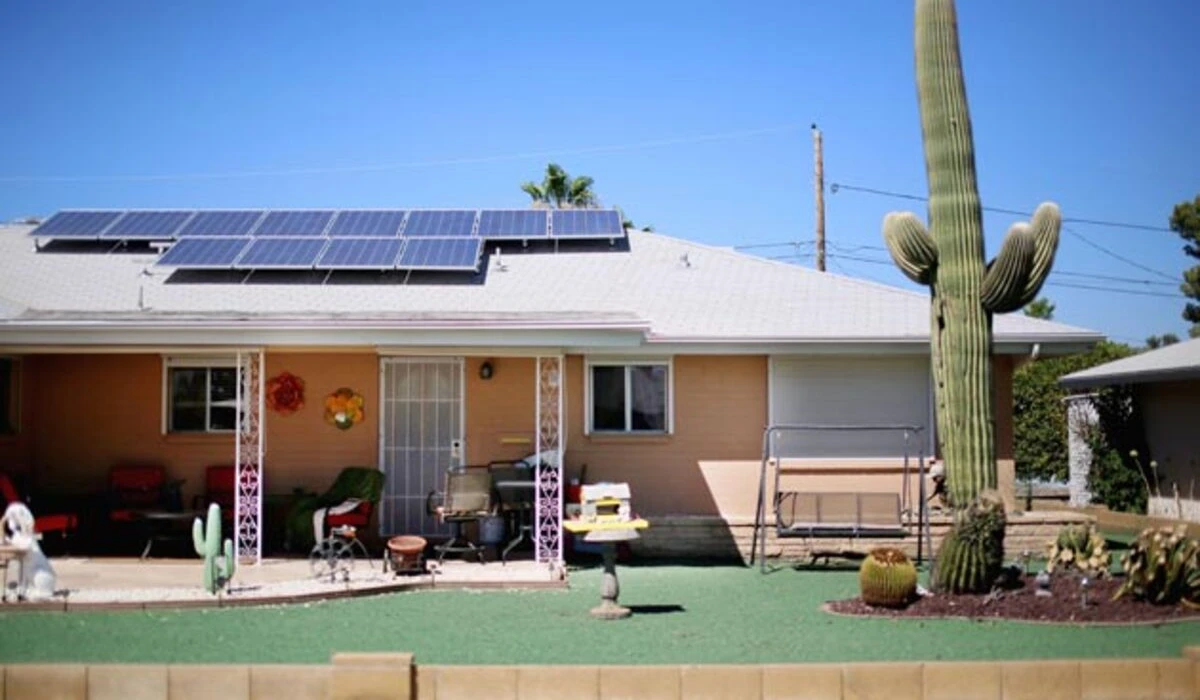
Picture this: a family in Phoenix installs a leased system. Their monthly bill drops from $200 to $80, but after ten years the lease ends and they have to either renew at a higher rate or face a balloon payment. Meanwhile, a neighbor who bought the panels outright enjoys a steadily decreasing bill and can claim the 30% solar tax credit.
Does that mean leasing is always a bad deal? Not necessarily. For renters, or folks who can’t afford the upfront cost, a lease can be a practical bridge to greener living. The key is to match the option to your financial situation and long‑term goals.
In the next sections we’ll dive into the numbers, compare lease versus purchase, and give you a simple checklist to decide if a solar lease is truly worth it for you.
TL;DR
A solar lease can drop your monthly bill fast, but you’ll never own the panels or claim tax credits, so the long‑term savings may evaporate.
Weigh your upfront budget, how long you plan to stay, and compare lease rates to buying to decide if it’s worth it for your home.
Step 1: Understand Solar Lease Basics
Before you decide whether a solar lease is worth it, you need to get clear on the nuts‑and‑bolts of how the model works.
A solar lease is basically a rental agreement: a third‑party installer owns the panels, you pay a fixed monthly fee, and they take care of maintenance and monitoring.
It’s a popular choice for homeowners who want zero upfront cost, or for businesses that prefer predictable energy expenses without tying up capital.
Typical contracts run 15‑20 years, with an early‑termination fee if you move before the term ends. The lease company usually guarantees a certain production level, and you’ll see a single line item on your utility bill for the lease payment.
So, how does that monthly payment stack up against what you’re already paying the electric company?
In many markets the lease rate is lower than the utility’s per‑kilowatt‑hour price, so your bill drops right away. But remember, you’re paying for the privilege of not owning the system.
One big trade‑off is the federal solar tax credit. Because you don’t own the panels, you can’t claim the 30 % credit, which can shave tens of thousands off the purchase price of a bought‑out system.
If you want to see how the numbers play out for your home, check out this solar lease calculator guide – it walks you through the lease cost, expected savings, and break‑even point.
Here’s a quick video that breaks down the lease mechanics in plain English:
After watching, you might wonder how a solar lease fits into a broader clean‑energy lifestyle. If you already drive an electric vehicle, pairing it with a leased solar system can offset charging costs, especially if you use smart‑charging tools like Selene, the AI‑powered EV assistant. That synergy can turn a monthly lease payment into a net‑zero travel budget.
Even if you’re not an EV owner, a solar lease can be part of a larger home‑improvement plan. Imagine renovating your kitchen and upgrading to energy‑efficient appliances while a leased system powers the whole house – the combined savings can make a big dent in your renovation budget. For inspiration, see the farmhouse kitchen renovations guide, which shows how smart upgrades work together.

Key things to check before signing
- Contract length and early‑termination penalties.
- Guaranteed production level and performance monitoring.
- Monthly lease payment vs. current utility rate.
- Who is responsible for insurance and property tax.
- Options for buying out the system at the end of the lease.
Take a few minutes to pull your last three utility bills, run them through the calculator, and jot down any contract clauses that feel vague. That simple audit will give you a realistic sense of whether the lease truly saves you money or just feels good on paper.
Action step: Write down the exact monthly lease amount, the length of the agreement, and the projected savings after year 1. Compare that side‑by‑side with your current bill. If the numbers line up and the contract terms are clear, you’re on solid ground to answer the big question – is a solar lease worth it for you?
Step 2: Calculate Financial Impact
Okay, you’ve got the lease offer in front of you. Now it’s time to turn those numbers into a story you can actually understand.
Gather the basics
First, write down the monthly lease payment the provider quoted. Then pull your most recent electric bill – the total amount you paid last month, not just the usage. That gives you a baseline: how much you’re spending today versus how much you’d pay under the lease.
Tip: If your bill fluctuates seasonally, grab the average of the last six months. A single month can be misleading when the summer sun is blazing.
Factor in escalators
Most leases come with an annual escalator – a little bump of 1‑3% each year. It sounds tiny, but over a 20‑year term it adds up.
Here’s a quick way to see the impact: take your monthly lease amount, multiply it by 12, then increase that yearly total by the escalator percentage. Do the math for each year and add them together. The sum is the total you’ll pay over the life of the lease.
Wondering if a “no‑escalator” deal is better? It might start with a higher monthly fee, so you have to compare the total cost, not just the first‑year price.
Don’t forget the hidden costs
Now, maintenance is usually covered, but what about insurance, permit fees, or a possible buy‑out clause at the end? Those can be a few hundred dollars a year. Write them down as “additional expenses” and add them to your lease total.
And remember: you won’t qualify for the federal solar tax credit or any state rebates because you don’t own the panels. The lease company pockets those incentives.
Run the ownership side of the equation
Now, imagine you bought the system outright. You’d pay an upfront price (or a loan payment), claim the 30% federal tax credit, and possibly qualify for state incentives. Then you’d have a much lower ongoing cost – usually just a small maintenance fee.
Plug those numbers into the same spreadsheet: upfront cost (minus tax credit), plus annual maintenance, versus the lease total you just calculated.
For a concrete example, NerdWallet explains solar leasing pros and cons, pointing out that solar leasing can shave 10‑30% off your utility bill, but you miss out on the tax credit. Use that range to sanity‑check your own figures.
Use a calculator to see the break‑even point
Grab a solar lease calculator – they’re free online – and feed in the lease payment, escalator rate, and any extra fees. Then enter the purchase price, tax credit, and financing terms. The tool will spit out a break‑even year: the point where owning becomes cheaper than leasing.
If that year is farther out than you plan to stay in the house, the lease might still make sense for you. If you’re planning to be in the home for a decade, you’ll want a break‑even well before that.
So, what should you actually do with all this?
Action checklist
- Write down monthly lease payment and your current average electric bill.
- Calculate total lease cost over the term, including escalators and any extra fees.
- Estimate purchase price, subtract the 30% tax credit, and add expected maintenance.
- Use a solar lease calculator to find the break‑even year.
- Compare that year to how long you expect to live in the home.
When the numbers line up, you’ll have a clear answer to the big question: is solar lease worth it for you?
Take a moment to run those figures. The math might look a bit messy, but once you see the total cost side‑by‑side, the decision becomes a lot less fuzzy.
Step 3: Compare Lease vs Purchase Options
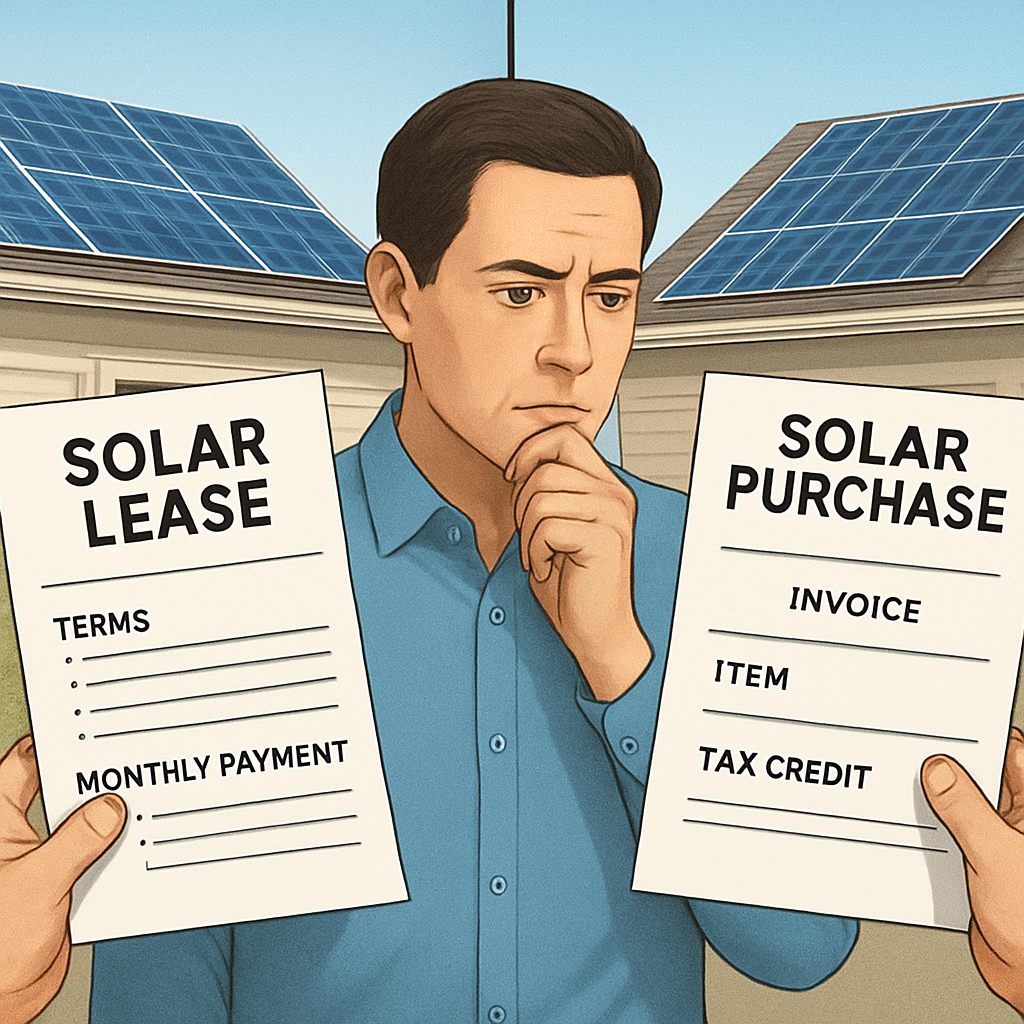
Now that you’ve crunched the numbers, it’s time to stand the two paths side‑by‑side and see which one actually feels right for you. The big question is simple: is solar lease worth it compared to buying outright? Let’s walk through the key factors together, sprinkle in a couple of real‑world stories, and give you a checklist you can act on today.
What the bottom line looks like
Think of a lease as renting a car: you get to drive it now, you pay a predictable monthly fee, and the dealer takes care of maintenance. Buying is like owning that car outright – you front a bigger chunk of cash (or a loan), you claim the tax credit, and after the loan is paid off the car is yours forever.
Both options can shave 10‑30% off your utility bill, but the long‑term picture diverges once the lease term ends or the loan is paid off. Below is a quick snapshot of the most common pros and cons, pulled from industry insights.
| Factor | Solar Lease | Solar Purchase |
|---|---|---|
| Upfront Cost | Zero or very low | Significant (cash or loan) |
| Tax Credit | Captured by installer | Homeowner claims 30% federal credit |
| Long‑term Savings | Reduced, because you keep paying monthly | Higher, after loan payoff you own the electricity |
| Maintenance Responsibility | Installer handles it | Owner responsible (or pays for a service plan) |
| Home‑sale Impact | Lease must be transferred or bought out | Adds property value |
That table gives you a high‑level view, but let’s dig into the details with a couple of stories that might sound familiar.
Real‑world example #1 – The Phoenix family on a lease
Maria and Jorge bought a 7 kW system on a 20‑year lease when they were 32. Their utility bill used to be $250 a month. The lease started at $180/month, and the contract includes a 1.5% annual escalator. After five years the payment rose to $197/month. They’re still saving $53 a month, but the gap is narrowing because utility rates in Arizona have been relatively flat.
Why the lease made sense for them: they didn’t have a big cash reserve, and they liked the “maintenance‑free” promise. The downside? When they decided to sell their home after eight years, the buyer was hesitant to assume the lease, so they paid a $5,000 buy‑out to make the sale smoother.
Real‑world example #2 – The Tucson homeowner who bought
Sam, a 45‑year‑old engineer, financed a 6 kW system with a 10‑year loan. He paid $15,000 up front, claimed the 30% federal tax credit (saving $4,500), and added a modest $150/year maintenance fee. His monthly loan payment was $120, plus $30 for maintenance, so $150 total. Compared to his previous $210 utility bill, Sam saved $60/month right away.
After the loan cleared in year 10, his electricity cost dropped to essentially $0 (minus the tiny maintenance fee). Over a 25‑year horizon, Sam’s net savings are roughly $30,000, far more than the lease scenario could ever achieve.
How to decide for yourself – A step‑by‑step cheat sheet
- Map your timeline. If you plan to stay in the house less than the lease term (or less than the loan payoff period), a lease might be less painful.
- Calculate total lease cost. Take the monthly payment, apply the escalator each year, and add any hidden fees (insurance, permit, buy‑out). This gives you the “all‑in” lease number.
- Estimate purchase cost. Start with the system price, subtract the 30% federal tax credit, add financing interest (if any), and tack on annual maintenance.
- Run a side‑by‑side spreadsheet. Plot both cash‑flow streams year by year. The point where the purchase line dips below the lease line is your break‑even year.
- Factor in home‑sale value. Owning solar can boost your resale price by $10‑$20 per watt, according to industry data. Add that upside to the purchase side.
- Check the fine print. Look for buy‑out clauses, transfer fees, and performance guarantees. A lease that lets you purchase after five years can give you the best of both worlds.
When you finish this quick worksheet, you’ll have a concrete answer to the question that started it all: is solar lease worth it for your situation?
One last tip: if you’re on the fence because the tax credit feels out of reach, remember that many installers bake a portion of that credit into a lower lease rate. It’s not the full 30%, but it can still make a lease competitive, especially in states where electricity prices are climbing fast. Palmetto explains the pros and cons of leasing versus buying and highlights how the credit can affect each option.
Take the next step now: grab a piece of paper or open a spreadsheet, plug in your numbers, and watch the break‑even point appear. That visual cue often turns uncertainty into confidence, and you’ll know exactly which path lines up with your budget, timeline, and desire for ownership.
Step 4: Evaluate Long-Term Savings and Risks
Alright, you’ve crunched the numbers and you’ve got a lease quote in front of you. The next question that keeps popping up is: “is solar lease worth it when I look far down the road?” That’s the heart of this step – we’re going to weigh the long‑term cash flow against the hidden risks so you can see the whole picture.
Look at the big‑picture savings
Solar panels, whether you own them or lease them, lock in a portion of your electricity cost. EnergySage reports that the average U.S. homeowner saves about $57,000 over 25 years by going solar. If you’re on a lease, you still capture a chunk of that saving because your monthly payment is usually lower than the utility bill you’d otherwise pay.
But here’s the catch: the lease payment keeps coming every year, and most contracts have a 1‑3 % escalator. Over a 20‑year term that escalator can eat away at the net benefit. To see if the lease still wins, add up every payment – base amount plus escalator – and compare it to the total amount you’d have paid for electricity without solar. If the lease total is less than the “no‑solar” total, you’re still ahead, even without the tax credit.
Factor in the tax credit you’re missing
Homeowners who buy the system can claim a 30 % federal investment tax credit (ITC). That single credit can shave tens of thousands off the upfront price, which instantly improves the long‑term return. So, when you run your spreadsheet, subtract the credit from the purchase scenario – that’s the real advantage of ownership.
For many households, the credit alone can turn a modest lease into a losing proposition. If the lease saves you $2,000 a year but the tax credit would have saved you $5,000 up front, the ownership path usually ends up with a higher net profit after the loan is paid off.
Risk checklist – what could bite you later
- Escalator surprises – double‑check the percentage and ask for a cap.
- Transfer headaches – if you sell the house, the lease has to be assigned to the buyer, which can stall the sale or force a buy‑out.
- Performance guarantees – some leases guarantee a minimum production level; if the panels under‑perform, you could end up paying for electricity you never get.
- Installer solvency – if the leasing company goes under, you might be left with a system you can’t control. Debexpert analysis flags sponsor/servicer risk as a key concern for lease portfolios.
- End‑of‑term options – does the contract let you purchase the system at a fair price? If not, you could be stuck paying a monthly fee for a system you can’t keep.
Ask yourself: do any of those red flags feel like a deal‑breaker? If you’re comfortable with the answers, the lease may still make sense for cash‑flow reasons.
Run a “break‑even” test
Take a sheet of paper, list the lease payment for each year (remember the escalator), add any hidden fees, and total it up. Then do the same for the purchase side: upfront cost minus the 30 % credit, plus a small annual maintenance fee. Plot both columns side by side – the year where the purchase line dips below the lease line is your break‑even point.
If that year lands before you plan to move, owning is the clear winner. If you expect to move in five or six years, the lease might give you the savings you need without tying up cash.
Bottom line for the “is solar lease worth it” question
Long‑term savings aren’t just a number; they’re a balance between guaranteed monthly cuts and the upside you miss by not owning the asset. When the math shows you’ll stay in the home longer than the break‑even year, the lease usually falls short. When you need zero upfront cash and you’re okay with the escalator and transfer steps, a lease can still be a smart, low‑risk way to start saving now.
Take a moment, run that simple side‑by‑side comparison, and you’ll have a concrete answer to whether a solar lease truly fits your future.
Step 5: Make an Informed Decision and Next Steps
Take a breath, then verify the numbers
You’ve done the math, you’ve seen the break‑even line — now slow down and make the call like you’d sign any other major purchase.
First, confirm assumptions: projected production, the lease escalator, and whether your utility offers net metering or time‑of‑use credits.
Not sure how to validate production? Use a trusted performance estimator to sanity‑check the installer’s production estimate.
Try tools that model system output for your exact address so you’re not taking a guess on how many kilowatt‑hours you’ll actually get.
Ask these contract questions (and get answers in writing)
Is the lease transferable to a buyer, and what does transfer require?
Is there a guaranteed production level and a remedy if panels under‑perform?
What exactly does the buy‑out process look like if you want to own later?
Who handles roof repairs, permits, and insurance for the system during the lease term?
For a focused checklist that highlights lease clauses you don’t want to miss, consult an owner’s leasing checklist crafted for landowners and hosts.
Concrete next steps — a 7‑point checklist you can use right now
1) Get the full, year‑by‑year cashflow from the installer: annual lease payment with escalator, fees, and any end‑of‑term costs.
2) Ask for a production guarantee and the remedy schedule if production falls short.
3) Request the exact transfer/assumption language and a sample lease assignment form.
4) Run the same scenario through an independent estimator so you’re not just trusting the sales model — that gives you a second opinion.
5) Compare the lease total to a purchase scenario that subtracts the federal tax credit and adds realistic maintenance costs.
6) Call your mortgage lender or title company to understand how a lease might affect a future sale.
7) If you’re still unsure, ask for a short‑term option: some leases offer 3–5 year buyout windows that let you start with zero‑down and buy later.
Real examples that help you decide
Imagine two homeowners with the same roof and electric usage. One signs a 20‑year lease that starts low but climbs with a 2% escalator; the other buys with a 10‑year loan and claims the tax credit.
After year 10 the buyer’s loan is paid and electricity costs drop dramatically; the lessee still pays a monthly fee and faces transfer complexity at sale.
Which scenario wins? It depends on how long you plan to stay, and whether you value the immediate cash relief of a lease over long‑term ownership value.
When to call a pro — and who to call
Call an independent solar assessor or a CPA if tax incentives are part of the decision. If real‑estate impact matters, ask an appraiser who understands PV valuation.
And if contract language is dense, have an attorney review transfer clauses and buy‑out formulas before you sign.
Final nudge — a quick decision rubric
If your break‑even year is earlier than your expected length of stay, buying usually wins.
If you need zero upfront cash, you won’t qualify for tax credits, and you’re okay with transfer logistics, a lease can still be a practical path.
So, what should you do next?
Grab your quotes, run the checklist above, and schedule one last call with the installer to confirm the three contract items you care most about. Do that and you’ll know whether “is solar lease worth it” lands as a yes or a no for your home.
Use the Department of Energy’s homeowner guide to validate production and financing basics, and review the Ohio State Farmland Owner’s Solar Leasing Checklist for lease‑specific contract items to inspect before you sign.
FAQ
Is a solar lease actually cheaper than buying the panels?
In most cases a lease starts out with lower monthly payments, so you’ll see an immediate drop in your electric bill. But because you never own the system, you keep paying that fee for 20‑25 years and you miss out on the 30 % federal tax credit. If you plan to stay in the home longer than the break‑even point you calculate, buying usually ends up cheaper. Think of it like renting a car versus buying one – the rent feels easy now, the purchase saves you money later.
What happens to the lease if I sell my house?
When you sell, the lease has to be transferred to the new owner or you’ll need to buy out the contract. Transfer fees can be a few hundred dollars, and some buyers balk at taking on a lease, which can slow the sale. Ask the installer early about the exact transfer process and any caps on fees. If you know you might move in five years, look for a lease that allows a buy‑out after a short period – that gives you an exit strategy without losing all the savings.
Can I still claim any incentives or rebates with a solar lease?
No, the leasing company captures the federal investment tax credit and any state rebates because they own the panels. That’s why the lease payment is usually a little higher than the pure “zero‑up‑front” figure you might hear advertised. Some installers will pass a portion of the credit into a lower lease rate, but you won’t see the full 30 % benefit on your tax return. If incentives are a big part of your budget, ownership is the way to go.
Do I have to worry about maintenance or repairs under a lease?
One of the biggest draws of a lease is that the provider handles all maintenance, monitoring, and warranty claims. If a panel underperforms or a inverter fails, they’ll send a tech at no extra charge. That peace of mind is great if you’re not handy, but it also means you rely on the company’s service quality. Check the contract for a guaranteed response time and make sure the warranty covers both performance and equipment.
How does an annual escalator affect the overall cost?
Most leases include a 1‑3 % yearly increase to keep pace with utility rate hikes. That sounds small, but over a 20‑year term it can add several thousand dollars to the total you pay. To see the impact, multiply your first‑year payment by 12, then apply the escalator each subsequent year and sum it up. If the escalator is higher than the expected utility increase, you could end up paying more than you would have without solar.
Is it possible to buy the system later if I change my mind?
Many leases include a buy‑out clause after a certain number of years, often at a price based on the remaining useful life of the panels. The buy‑out amount can be attractive if the lease rates have risen faster than utility prices. However, the contract may require you to give notice months in advance and pay a fee. If you think you might want ownership down the road, ask for the exact buy‑out formula before you sign.
What are the biggest risks I should watch for before signing?
Watch out for hidden fees (transfer, early termination, insurance), aggressive escalator rates, and unclear performance guarantees. Also, verify the leasing company’s financial stability – if they go out of business you could be left with a system you can’t control. Finally, make sure the lease is transferable; otherwise you might be stuck with a payment that drags down your home’s resale value. A quick checklist of these red flags can save you headaches later.
Conclusion
So, after digging through the numbers, the contracts, and those real‑world stories, you might still wonder: is solar lease worth it for you?
Bottom line: if you need zero upfront cash, love the peace of mind that maintenance is handled, and you expect to stay in the house for only a few years, a lease can give you an immediate bill cut without tying up savings.
But if you’re comfortable putting some money down, want to capture the 30 % federal tax credit, and plan to stay put long enough to see the purchase line dip below the lease line, ownership usually ends up cheaper and even adds resale value.
Here’s a quick mental checklist: write down the total lease cost (including escalators), compare it to the net purchase cost after the credit, factor in how long you’ll stay, and ask yourself if you’re okay with transfer headaches later.
When the math lines up with your lifestyle, the answer becomes crystal clear. If it doesn’t, consider a short‑term lease with a buy‑out option so you can start saving now and switch later.
Ready to take the next step? Grab your quotes, run the side‑by‑side spreadsheet we walked through, and give Sean Whitmer a call to walk you through the best fit for your roof.