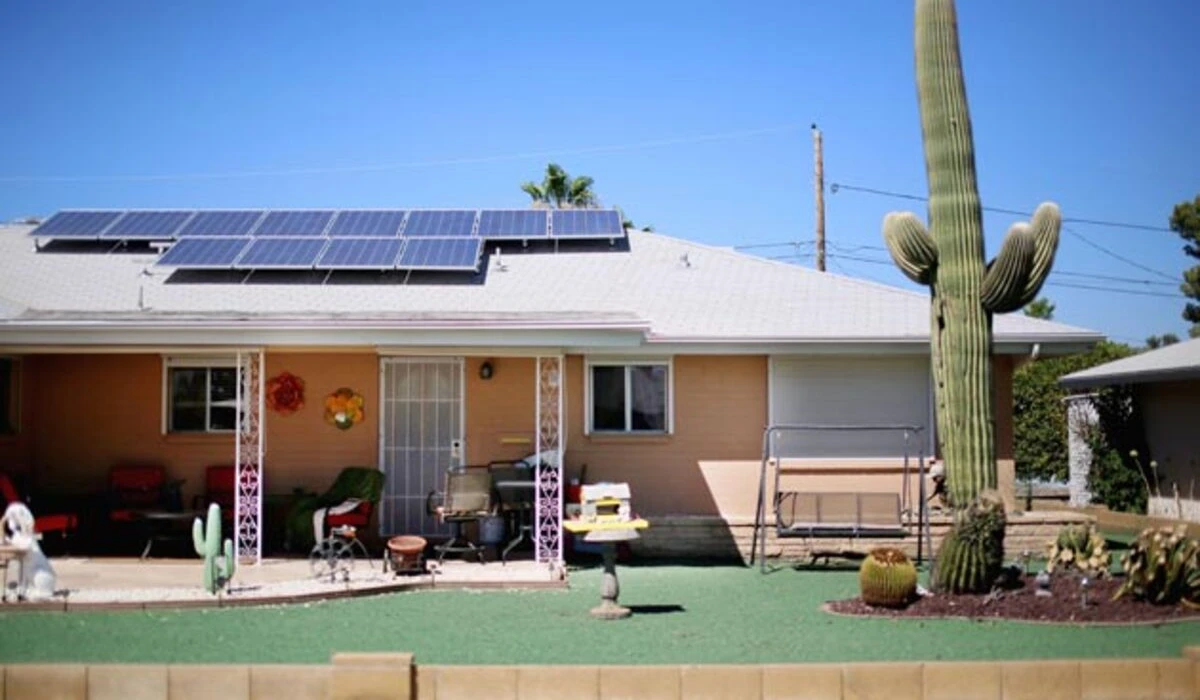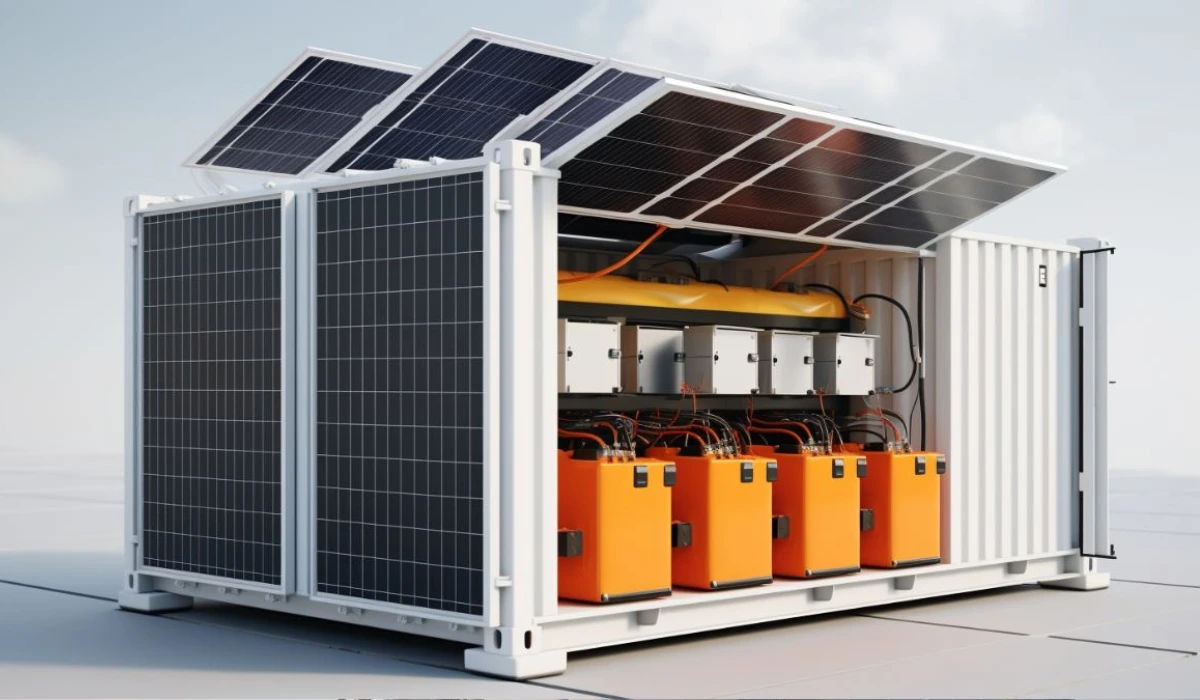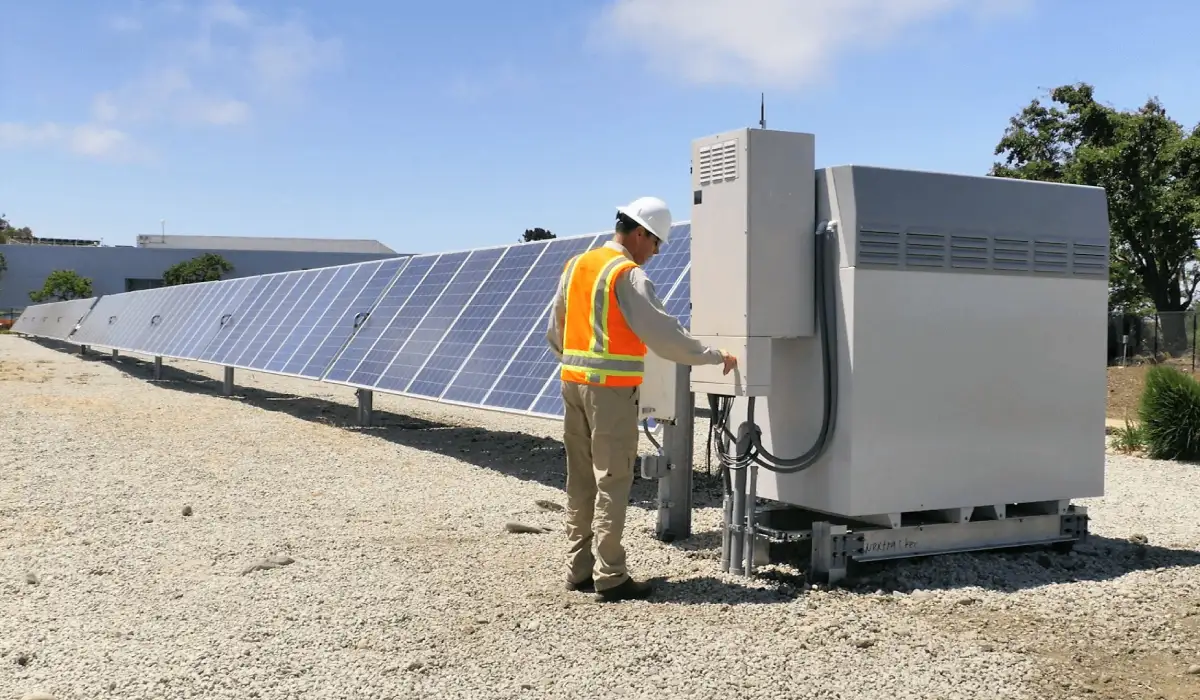
Imagine sitting on your Arizona porch, the desert sun beating down, and the lights inside your home stay on even when the grid goes dark.
That feeling of true independence is what draws many homeowners and business owners to an off grid solar system Arizona can offer. But the reality of going off‑grid isn’t just about slapping panels on a roof – it’s a mix of careful planning, the right equipment, and a bit of local know‑how.
In our experience, the first step is to map your energy use. Pull your electric bills from the past year and tally the average kilowatt‑hours (kWh) you consume each month. For a typical Phoenix family, that number hovers around 900 kWh, while a small shop might run closer to 1,500 kWh. Knowing this baseline tells you how big a battery bank you’ll need to ride through nights and cloudy days.
Next, think about the solar array layout. Arizona’s sun shines over 300 days a year, but the intense heat can reduce panel efficiency. Choosing heat‑tolerant modules – like the ones we recommend in our Pros and Cons of Off‑Grid Solar guide – helps keep output stable. Position the panels at a tilt of about 30 degrees facing south to capture the most sunlight.
Here’s a quick checklist you can run through this weekend:
- Calculate daily kWh usage.
- Size battery storage (aim for at least two days of autonomy).
- Pick panels with a temperature coefficient ≤ ‑0.35 %/°C.
- Verify roof or ground‑mount suitability.
- Check local permitting requirements – most Arizona counties require a permit for off‑grid systems.
One real‑world example: a Scottsdale ranch owner installed a 10 kW off‑grid system paired with a 20 kWh lithium battery. After a summer storm knocked out the utility, his lights, well pump, and refrigeration kept running without a hitch. The upfront cost was offset in just three years thanks to avoided electricity bills and a modest state rebate.
And don’t forget to coordinate with any contractors who’ll be prepping your roof or walls. A smooth surface not only looks better but also ensures panels sit securely for years to come.
So, does an off‑grid solar system in Arizona make sense for you? If you’re ready to take the first step, start with that energy audit and let the numbers guide your next move.
TL;DR
An off‑grid solar system in Arizona can give you reliable power, lower bills, and peace of mind during outages, plus increased resilience.
Start with a quick energy audit, size your battery for at least two days, and choose heat‑tolerant panels tilted about 30° south for maximum sunshine and long‑term efficiency.
Step 1: Assess Your Power Needs and Site Potential
First thing’s first: you need to know how much energy you actually use before you can even think about a solar array. Grab the last 12 months of electric bills, pull out the total kilowatt‑hours (kWh) each month, and jot down an average daily figure. If your numbers look like 30 kWh a day for a family home, that’s the baseline you’ll be designing around.
Why does this matter? Because every extra kilowatt‑hour you underestimate means you either end up with a battery that runs out on a cloudy day, or you over‑pay for panels you’ll never fully use. In our experience, a good rule of thumb for an off‑grid solar system Arizona is to size the battery bank for at least two days of autonomy – that’s roughly your daily usage multiplied by two, plus a little buffer for winter evenings.
Step 1A: Map Your Load Profile
Take a walk through your home or business and note the biggest energy draws: HVAC, water pump, refrigerator, EV charger, lighting. Write them down in watts, then estimate how many hours each runs per day. A quick spreadsheet can turn those rough numbers into a clear daily kWh total.
Feeling overwhelmed? Imagine you’re planning a camping trip and you need to know how many batteries to pack for your stove, lights, and phone charger. The same logic applies, just on a larger scale.
Step 1B: Check Your Site’s Solar Potential
Arizona gets more than 300 sunny days a year, but not every roof gets the same amount of sun. Use a free solar map tool or a handheld sun‑path calculator to see the peak sun hours for your exact address. Look for shade from trees, chimneys, or neighboring structures – even a small shadow can shave off 10‑15% of production.
Orientation matters, too. South‑facing roofs tilted about 30 degrees capture the most year‑round sunshine. If you’re on a flat roof, consider a low‑profile racking system that lets you angle the panels without compromising wind resistance.
And don’t forget ground‑mount options if your roof isn’t suitable. A well‑prepared ground site can be oriented perfectly and may even make future expansions easier.
Step 1C: Soil and Structural Considerations
Before you nail down any mounting system, verify that your roof can handle the extra weight. Most modern roofs can, but older structures might need reinforcement. If you’re planning a ground array, test the soil’s compaction and drainage – a soggy base will corrode mounts faster.
We always recommend a short site‑visit with a professional to catch any hidden issues before you order panels.
Now that you’ve got your load numbers and a clear picture of the sun on your property, you’re ready to move on to sizing the array and the battery bank. But before we get there, let’s watch a quick walkthrough of a typical Arizona off‑grid setup so you can see the pieces come together.
Notice how the installer checks the tilt, runs a voltage test on the battery, and walks the homeowner through the monitoring dashboard. Those little steps save a lot of headaches later.
Once the video’s done, take a moment to double‑check your checklist:
- Daily kWh usage calculated?
- Battery capacity sized for two days plus buffer?
- Roof orientation and tilt verified?
- Shade analysis completed?
- Structural integrity confirmed?
If you can answer “yes” to all of those, you’ve nailed the first step. The numbers you’ve gathered will guide the exact panel wattage and storage you need, and they’ll also help you estimate costs and potential savings.
Remember, an off‑grid solar system Arizona is a long‑term investment. Taking the time now to assess your power needs and site potential means you won’t have to retrofit or replace components down the road.
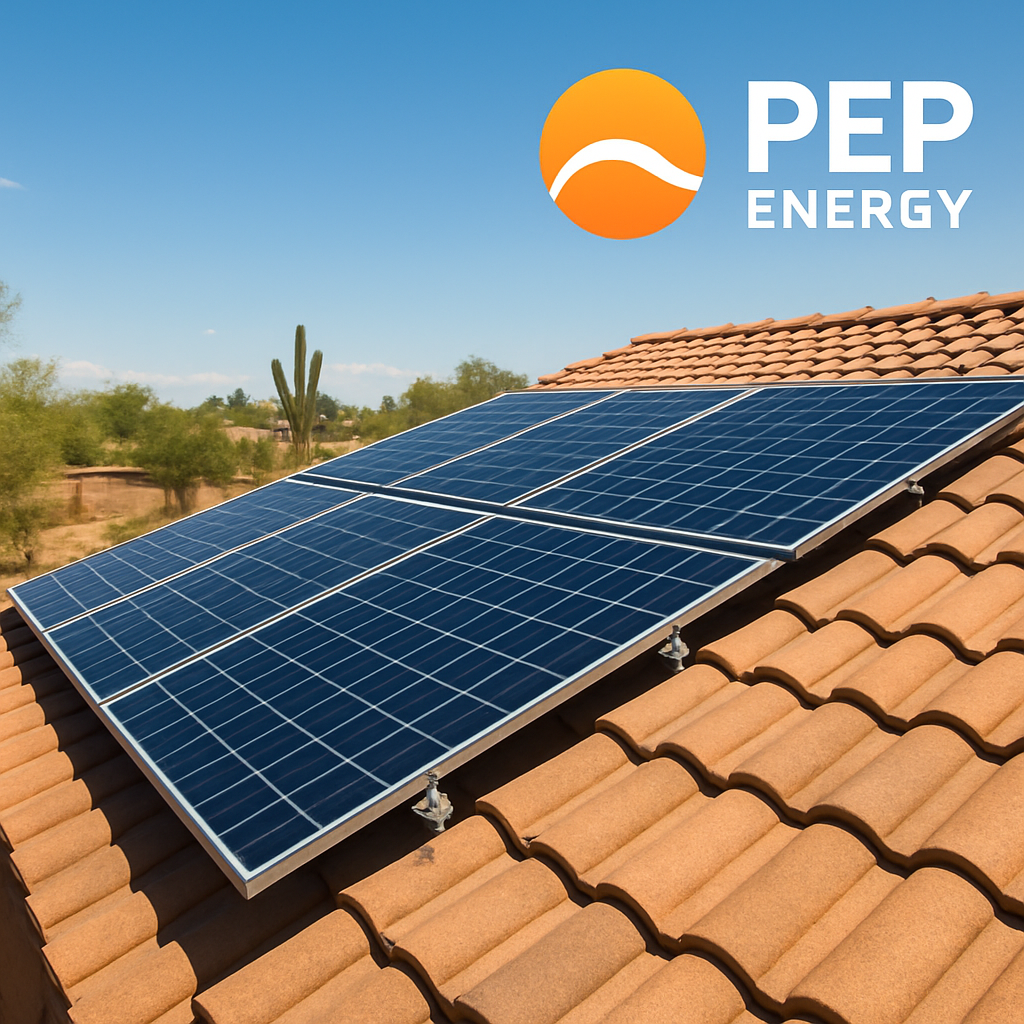
Step 2: Choose the Right Components and Compare Options
Now that you’ve nailed down how much energy you’ll need and how much sun your roof can catch, it’s time to dive into the meat of the system – the actual pieces that will turn daylight into reliable power.
Choosing the right components is a bit like assembling a puzzle; each piece has to fit your budget, your climate, and the way you live. Below is the practical way we walk our residential and commercial clients through the decision‑making process.
Select Solar Panels
First up, the panels themselves. In Arizona the heat is a real performance killer, so you’ll want modules with a low temperature coefficient –‑0.35 %/°C or better. Mono‑PERC or bifacial panels tend to keep their output up when the mercury climbs above 40 °C.
Do you need more power per square foot? Look at the watt‑per‑square‑meter rating. A 410 W panel on a 1.6 m² footprint gives you about 256 W/m², which is a sweet spot for most roof layouts.
And don’t forget durability. Look for a 25‑year product warranty and a 30‑year performance guarantee – that’s the kind of long‑term protection we see homeowners appreciate when they’re thinking about the next 20‑30 years of life on their property.
Pick a Battery Chemistry
Next, the storage. Lithium‑ion batteries dominate the market because they can be discharged to 80 % without hurting their lifespan. For an off‑grid system you’ll typically size the bank for at least two days of autonomy, which means multiplying your daily kWh need by 2 and then dividing by the usable depth‑of‑discharge.
If you’re a business with a higher upfront budget, a modular lithium‑ion system lets you add extra blocks later as your load grows. If cash flow is tighter, a lead‑acid or lithium‑iron‑phosphate (LFP) option can lower the initial price, though you’ll sacrifice some energy density.
Inverter Choices
The inverter is the silent workhorse that converts the DC from panels and batteries into AC for your lights, appliances, and tools. There are three main families you’ll encounter:
- Pure‑sine‑wave string inverters – great for most homes, simple wiring, but they rely on the battery to smooth out fluctuations.
- Hybrid inverters – combine charge‑controller and inverter in one box, which can simplify installation and allow seamless generator backup.
- Micro‑inverters – one per panel, they shine when shading is an issue, but the upfront cost is higher.
For most Arizona roofs with minimal shading, a hybrid inverter gives the best balance of cost, flexibility, and future‑proofing.
Compare Options – A Quick Decision Table
| Component | Option | Key Considerations |
|---|---|---|
| Solar Panels | Mono‑PERC 410 W | Low temp. coeff (‑0.35 %/°C), 25‑yr warranty, high watt density |
| Battery | Lithium‑ion (80 % DOD) | Scalable, 10‑yr warranty, suitable for 2‑day autonomy |
| Inverter | Hybrid 10 kW | Integrated charge controller, supports generator backup, easy expansion |
Use this table as a cheat‑sheet when you’re comparing quotes. If a vendor pushes a cheaper panel with a higher temperature coefficient, you’ll see the efficiency loss on those scorching summer days right away.
So, how do you actually compare vendors? Ask for a side‑by‑side spec sheet that lists:
- Panel wattage, temperature coefficient, and warranty.
- Battery capacity, usable depth‑of‑discharge, and warranty period.
- Inverter type, continuous rating, and any built‑in generator integration.
Then run the numbers through a simple spreadsheet: multiply daily kWh by 2, divide by usable battery % – that gives you the minimum kilowatt‑hours you need. Plug the panel output (kW) and average sun hours (≈7.5 in Phoenix) into the equation and you’ll see whether your proposed array meets the target.
Watching the video above will walk you through a live example of sizing a 12 kW array and a 120 kWh lithium bank for a typical Scottsdale home. Notice how the presenter flips between the solar calculator and the battery spec sheet – that’s the exact workflow we use on every project.
Finally, give yourself a short “compare‑and‑choose” sprint: gather three quotes, line them up against the table, and rank them on price, warranty, and local support. The winner isn’t always the cheapest – it’s the one that ticks the boxes you care about most, whether that’s a longer warranty, a local service team, or the ability to add more batteries later.
Take this checklist with you when you meet a solar installer, and you’ll walk away confident that you’ve chosen components that will keep the lights on, the well pump running, and your peace of mind intact for years to come.
Step 3: Install the Solar Array and Mounting System
Alright, you’ve sized your panels and picked the right battery bank – now it’s time to actually get those panels up where they can drink the Arizona sun.
Pick the right mounting style
Do you have a sturdy roof that faces true south? If yes, a roof‑mount is usually the fastest route. For flat roofs or when you need extra capacity, a ground‑mount gives you flexibility and room to grow.
We’ve seen residential homeowners in Phoenix love the simplicity of a roof‑mount, while a few ranch‑type businesses prefer a low‑profile ground array that can be tilted exactly 30°.
Roof‑mount basics
First, check your roof’s structural rating – you don’t want to turn a beautiful adobe home into a collapsed roof.
Use stainless‑steel L‑brackets or a pre‑engineered rail system. Space the brackets about 4 feet apart, and keep the tilt close to 30° for peak sun hours in the desert.
Seal every penetration with a quality roof‑sealant; a tiny leak can become a big headache later.
Ground‑mount steps (the fun part)
Imagine building a sturdy frame in the middle of your 11‑acre property. That’s what the Tiny Shiny Home crew did, and they walked through every detail in their DIY off‑grid solar guide.
Here’s a quick rundown you can follow:
- Lay out the array footprint with string and stakes. Aim for a 30° tilt and a slight 10° east‑of‑south azimuth to avoid the harsh afternoon heat.
- Mark the pier locations. Most desert soils need 12‑inch‑diameter holes at least 3 feet deep; concrete the footings if the sand is loose.
- Assemble 2‑ or 3‑inch Schedule 40 steel pipe for the vertical supports. Cut each piece to the exact length the design tool gives you – no guesswork.
- Slide the rails (like IronRidge XR1000) onto the pipe, lock them with the top caps, and level everything with a long carpenter’s level.
- Attach the panels to the rails using UFO clips or the universal fit objects that come with most mounting kits. Tighten the torque to the manufacturer’s spec – too loose and wind can lift them, too tight and you risk cracking the glass.
Don’t forget to ground the whole frame. A single copper ground rod driven 8 feet into the earth, tied to the rail’s grounding lug, will keep lightning from turning your array into a fireworks show.
Wiring the array to the charge controller
Group your panels in series to hit a higher voltage (around 150‑200 V is common for a Victron MPPT). That reduces the current in the long run to your charge controller, letting you use smaller gauge wire.
Run MC4 connectors from each string to a combiner box, then feed the combined DC into the MPPT controller. Keep the conduit buried at least 2 feet deep to meet Arizona code.
A quick tip: label every wire and conduit section as you go. When you come back a month later, you’ll thank yourself for not playing “guess which is which.”
Final checklist before you flip the switch
- All brackets and rails are securely bolted and torqued.
- Panel tilt and orientation match the design values.
- Grounding rod is installed and bonded to the frame.
- All MC4 connections are tight, no exposed metal.
- Conduit depth complies with local code (≥ 2 ft).
- Charge controller settings reflect the array voltage and battery bank voltage.
Once you’ve double‑checked everything, turn on the main disconnect, then power up the charge controller. You should see a steady rise in battery State of Charge – that’s the sound of the desert finally working for you.
If you hit any snags, remember that a local solar installer (like Sean Whitmer) can walk you through the tricky bits without breaking the bank.
Step 4: Wire the Battery Storage and Balance‑of‑System
Alright, you’ve got your panels up, your charge controller humming, and the battery bank waiting like a fresh coffee pot. Now it’s time to connect the dots – literally – so the sun can fill those batteries and your inverter can feed clean power to every outlet in the house.
Safety first, then we get to work
Ever tried to fix a leaky faucet with the water still on? It’s messy. Same idea here: turn off the main disconnect, wear insulated gloves, and double‑check that no voltage is present before you touch a single wire. A quick voltage test with a multimeter saves you from a nasty surprise later.
Map your layout before you cut any copper
Picture the battery bank as the heart of your off‑grid solar system Arizona setup. Place it close enough to the inverter to keep voltage drop low, but far enough from direct sunlight to avoid overheating. Sketch a simple diagram: charge controller → DC disconnect → battery bank → inverter → AC disconnect. This visual roadmap will keep you from crossing wires like a spaghetti monster.
Ground it like you mean it
Grounding isn’t optional – it’s the safety net that prevents electric shock and protects your gear from lightning. Drive a copper ground rod at least 8 feet into the desert soil, attach a heavy‑gauge grounding lug to the battery bank’s chassis, and run a continuous grounding conductor to the inverter’s grounding terminal. The NEC guidelines for off‑grid solar wiring spell out the exact sizing, but in practice a 6 AWG copper wire works for most residential systems.
Select the right wire size
We’re dealing with high‑current DC, so undersized wire equals heat, and heat equals trouble. Use the NEC table 310.15(B)(16) as your compass: for a 48 V, 200 A battery bank, 4/0 AWG copper is a safe bet. If you’re running a 24 V bank, bump the gauge up a notch. Remember, the longer the run, the larger the wire you’ll need to keep voltage drop under 3 %.
Install DC disconnects and fuses
Think of a DC disconnect as the emergency stop button on a treadmill – you never want to be stuck mid‑run. Place a rated disconnect between the charge controller and the battery bank, and another one right before the inverter. Pair each disconnect with a fuse or circuit breaker sized to 125 % of the maximum expected current; this gives you a little breathing room without blowing the fuse on a sunny day.
Wire the battery strings
Most lithium‑ion modules come with pre‑wired series connections, but you’ll still need to link the strings to the busbar. Use insulated ring terminals, tighten them to the manufacturer’s torque spec, and double‑check polarity – a reversed connection can melt a battery in seconds. If you’re mixing different battery chemistries, keep each chemistry on its own bus to avoid imbalance.
Connect the charge controller
Run a short, heavy‑gauge DC cable from the controller’s positive output to the positive bus, and the negative to the negative bus. Most MPPT controllers have built‑in over‑voltage protection, but adding a downstream fuse gives you an extra layer of security. Once everything’s snug, power the controller back on and watch the State of Charge climb.
Hook up the inverter
The inverter is the bridge that turns DC into the clean AC you use for lights, appliances, and that old fridge you refuse to replace. Connect the inverter’s positive and negative terminals to the same busbars you used for the batteries, and install a dedicated AC disconnect on the output side. Verify that the inverter’s input voltage range matches your battery bank – a 48 V battery loves a 48 V‑compatible inverter.
Label, test, and certify
- Label every wire with its voltage and current rating.
- Seal all conduit ends with weather‑proof fittings.
- Run a continuity test on every circuit.
- Confirm polarity with a multimeter before you close any enclosures.
- Schedule a final inspection to satisfy Arizona code (the conduit depth, grounding, and disconnect placement all need sign‑off).
And there you have it – a tidy, code‑compliant wiring job that lets your off‑grid solar system Arizona breathe easy. If you hit a snag, remember that a local installer like Sean Whitmer can walk you through the quirks of desert wiring without charging an arm‑and‑a‑leg. Ready to flip that main disconnect and watch the lights come alive?
Step 5: Test, Commission, and Optimize Performance
Okay, you’ve got the wiring done, the inverter is bolted in place, and the battery bank is humming – now it’s time to make sure everything actually works the way you expect.
Run a quick health check
First thing’s first: grab a multimeter and give each circuit a once‑over. Look for continuity, double‑check polarity, and confirm that no stray voltage is lurking where it shouldn’t be.
Did you label every wire earlier? If not, now’s the moment to do it – a clear label saves you from playing “guess which is which” when you troubleshoot later.
- Verify all DC disconnects open and close cleanly.
- Run a continuity test on every conduit run.
- Check that the inverter’s input voltage matches the battery bank (48 V for most Arizona homes).
- Confirm ground rods are solidly bonded.
And remember, a tiny loose terminal can turn a sunny day into a blackout. A quick visual inspection can catch that before you flip the main breaker.
Commission the system
Now you’re ready to power it up. Turn the main disconnect on, then enable the charge controller. Watch the State of Charge (SoC) climb – you should see a steady rise within the first few minutes of sun.
Does the inverter’s display show any error codes? If it does, consult the manual, but most of the time a warning about “over‑voltage” just means you need to adjust the MPPT settings to match your panel string voltage.
Set the battery‑management system (BMS) to the manufacturer’s recommended depth‑of‑discharge (usually 80 %). That protects your lithium bank and extends its life.
Here’s a mini‑checklist you can run while the system is live:
- SoC should rise at least 5 % per hour of strong sun.
- Inverter output voltage stays between 120‑130 V AC (for residential loads).
- No unexpected current spikes on the DC side.
- All protective fuses hold steady under load.
If anything looks off, pause, power down, and re‑measure. It’s easier to fix a loose clamp now than after you’ve installed a high‑watt appliance.
Fine‑tune for Arizona conditions
The desert heat can sap efficiency, so you’ll want to keep your battery bank shaded or housed in a ventilated enclosure. A temperature sensor hooked into the BMS can automatically throttle charge current when the bank climbs above 35 °C.
What about the panels? Use the inverter’s built‑in MPPT dashboard to see the voltage‑to‑current ratio. If the voltage sits near the upper limit of the controller’s window, you might re‑wire the strings for a slightly lower voltage – that reduces stress on the controller and can boost overall yield.
Don’t forget the off‑grid appliances you’ll be running. A recent study of off‑grid appliance performance highlighted how even a modest 5‑W difference in a TV’s power draw can swing your battery sizing calculations dramatically off‑grid appliance performance data. That’s why we recommend measuring the actual draw of your key loads (TV, fan, refrigerator) with a plug‑in power meter before you finalize system sizing.
After a few days of real‑world use, log the daily energy production versus consumption. If you’re consistently drawing more than you’re generating, consider adding a panel or swapping to a higher‑efficiency inverter. Conversely, if you have excess capacity, you might downsize the battery bank to save on upfront cost – just be sure the BMS still respects the 80 % depth‑of‑discharge rule.
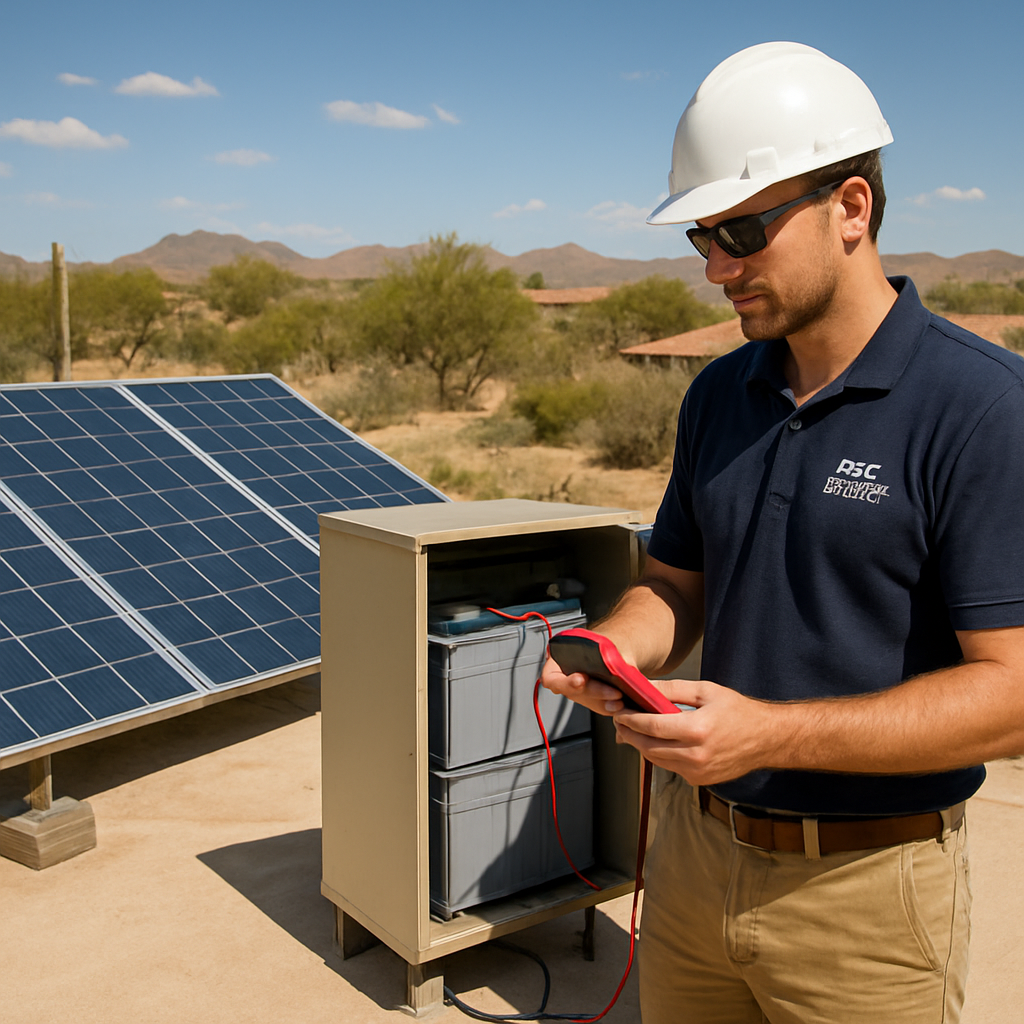
One last tip: schedule a final inspection with your local building authority. In Arizona, the code requires conduit depth, grounding, and disconnect placement to be signed off – getting that stamp of approval now prevents headaches when you later claim a rebate or insurance coverage.
When everything checks out, you can finally flip that main disconnect with confidence, sit back on your porch, and watch the lights stay on even when the utility goes dark. Your off‑grid solar system Arizona is now not just installed, but truly commissioned and optimized for the desert.
Additional Considerations: Permits, Incentives, and Maintenance
Now that your panels are humming and the batteries are holding charge, there’s a less‑glamorous side that can make—or break—your off grid solar system Arizona experience: the paperwork, the money‑back programs, and the day‑to‑day upkeep.
Permits: why they’re more than a red tape headache
Arizona counties generally require a building permit for any electrical work that exceeds 1 kW, and an electrical permit for the inverter and battery wiring. That means you’ll need to submit a one‑line diagram, a site plan showing panel layout, and proof that your installer is a licensed electrician.
What’s the worst that can happen if you skip it? The inspector could order you to take the whole system down, your homeowner’s insurance might refuse a claim, and you could lose eligibility for state rebates.
Here’s a quick checklist you can run through before you call the city:
- Confirm whether your jurisdiction uses the Arizona Construction Code (ACC) or a more restrictive local amendment.
- Gather the solar installer’s electrical permit application, including conduit depth and grounding calculations.
- Schedule the final inspection – most counties require a “rough‑in” visit before the panels are mounted, then a “final” visit after everything’s wired.
Pro tip: In our experience, a local electrician who’s familiar with the county’s online portal can shave a week off the approval timeline. It’s worth the small extra cost.
Incentives: turning sunshine into cash
Arizona isn’t shy about rewarding clean energy. The state’s Solar Energy Credit lets you claim 25 % of the system cost—up to $1,000—on your state income tax return. On top of that, the utility‑scale SRP (Salt River Project) offers a battery rebate that can cover a chunk of your storage expense.
But the devil is in the details. To qualify for the SRP battery rebate, you need a battery that’s 5 kWh or larger, installed by a certified installer, and you must submit the “Proof of Installation” form within 30 days of commissioning.
Don’t forget the federal Investment Tax Credit (ITC) either; it’s still 30 % for systems placed in service before the end of 2024. The ITC stacks on top of the state credit, so the combined savings can be significant.
Actionable tip: Create a spreadsheet that lists each incentive, the deadline, required documentation, and who on your team is responsible. When you see a column titled “Submitted ?” you’ll feel a lot less anxious.
Maintenance: keeping the desert‑proof promise
Even the toughest panels get dusty in the Arizona heat. A quick rinse with a garden hose once a month (avoid pressure washers) will keep the output within 2–3 % of its name‑plate rating.
Battery health is a bit more nuanced. Lithium‑ion banks love a cool, shaded environment. Check the BMS temperature reading every few weeks; if it’s flirting with 40 °C, consider adding a vented enclosure or a small fan.
Inverter fans can collect sand over time. A visual inspection every six months—and a quick brush‑out if you see grit—prevents premature motor wear.
Lastly, schedule a professional “performance audit” after the first year. We usually advise homeowners to compare the actual daily production (logged on the inverter’s app) against the design estimate. If you’re consistently under‑producing by more than 5 %, it could signal shading, module degradation, or a loose connection.
Bottom line: permits keep the legal side clean, incentives boost your ROI, and a light maintenance routine keeps the system humming for decades. Take a few minutes each season to tick those boxes, and you’ll enjoy the peace of mind that comes with true energy independence.
FAQ
How do I know if an off‑grid solar system is right for my Arizona home?
First, look at your electricity bill. If you’re paying 200 kWh or more each month and the grid outages feel like a regular inconvenience, going off‑grid starts to make sense. Next, evaluate your roof orientation – a south‑facing, 30° tilt catches the most sun in Phoenix and Tucson. Finally, think about your lifestyle: do you have a well‑pump, a workshop, or a home office that needs reliable power day and night? If those pieces line up, you’re a good candidate.
What size battery bank should a typical Arizona household install?
We usually recommend at least two days of autonomy for a family that uses 30‑40 kWh per day. That translates to roughly 60‑80 kWh of usable storage. Because most lithium‑ion modules can safely discharge to 80 %, you’d select a bank rated around 75‑100 kWh to stay within the depth‑of‑discharge limits and leave a little headroom for hot summer days when the panels lose a bit of efficiency.
How often should I clean the panels in the desert heat?
Dust settles fast in the Arizona desert, so a quick rinse with a garden hose once a month keeps you within 2–3 % of the panels’ name‑plate output. Skip the pressure washer – the high‑pressure spray can stress the glass and loosen seals. If you notice a visible film after a sandstorm, give them a gentle scrub with a soft brush before you hose them down.
Do I need a special permit for an off‑grid system in Arizona?
Yes. Most counties require a building permit for any electrical work over 1 kW and a separate electrical permit for the inverter and battery wiring. You’ll need to submit a one‑line diagram, a site plan showing panel layout, and proof that the installer is a licensed electrician. Getting the permits early saves you a costly re‑inspection later and keeps your insurance and any rebates intact.
Can I combine solar with a generator for backup?
Absolutely. A hybrid setup lets a small propane or diesel generator kick in when the battery drops below 20 % during an unusually cloudy week. Size the generator to cover your peak load – a 5‑10 kW unit is enough for most homes with lights, refrigerator, and a well pump. The inverter can automatically switch to generator power, so you never have to flip a switch manually.
What’s the best way to monitor performance of my off‑grid system?
Most modern inverters come with a mobile app that shows real‑time production, battery state of charge, and daily energy use. Pair that with a simple spreadsheet: log the day’s kilowatt‑hours generated and compare it to your design estimate. If you see a consistent shortfall of more than 5 %, it’s time to check for shading, loose connections, or panel degradation.
How does shading affect production and what can I do about it?
Even a single branch can cut a panel’s output by 20 % or more. In Arizona, the sun moves quickly, so a tree that looks harmless at 9 am might be a full‑on shade maker by noon. Trim branches, relocate the array if possible, or switch to micro‑inverters that let each panel work independently. A quick visual check at solar noon each season will catch new shading before it hurts your bill.
Conclusion
We’ve walked through everything from sizing your panels to getting the final inspection signed off, so now the big question is: are you ready to make the desert work for you?
If you’re a residential homeowner who’s tired of watching the meter spin, picture the peace of mind that comes with knowing your lights stay on even when a summer storm knocks out the grid. And for business owners, think about the bottom‑line savings when you stop paying peak‑demand charges.
The key takeaways? First, size your battery for at least two days of autonomy and choose low‑temp‑coefficient panels that thrive in Arizona heat. Second, keep shading under control – a quick visual check at solar noon each season prevents surprise losses. Third, stay on top of permits, incentives, and a light maintenance routine; those few minutes a month protect your investment for decades.
So, what’s the next step? Grab the checklist we built earlier, snap a few photos of your roof, and plug the numbers into the simple spreadsheet we mentioned. If anything feels off, reach out to a local installer – Sean Whitmer can walk you through the details without a hard sell.
Remember, an off‑grid solar system Arizona isn’t just a tech project; it’s a lifestyle choice that puts control back in your hands. Take the first bite, and you’ll soon see the sun paying your bills.