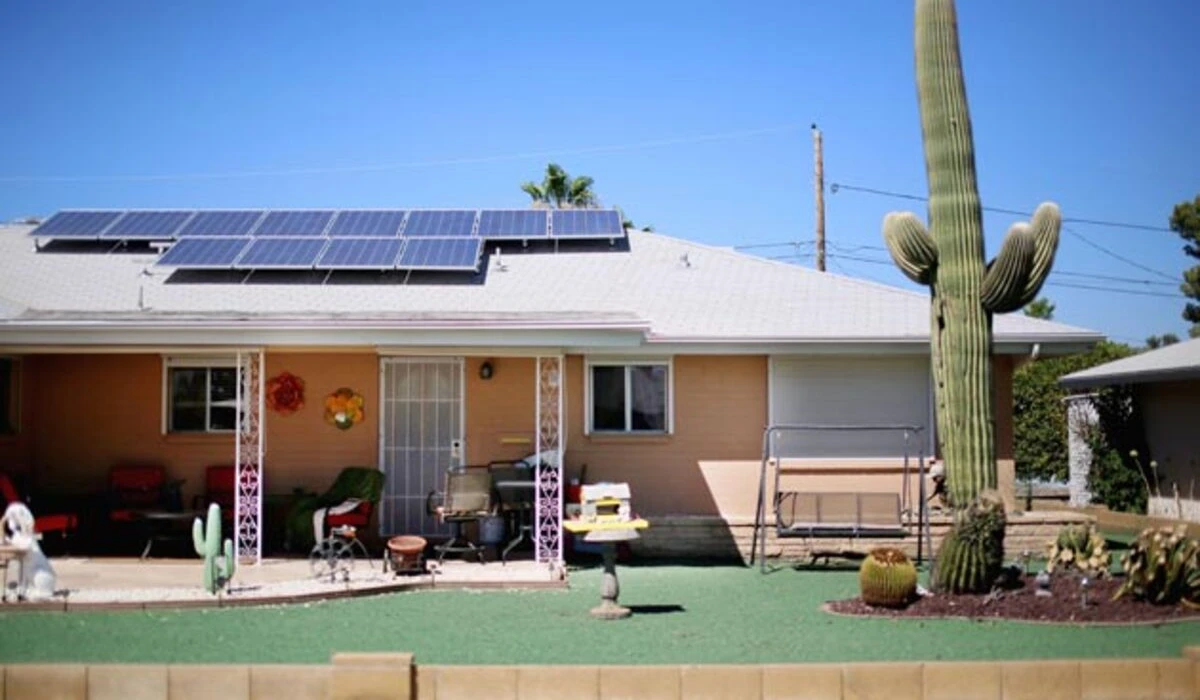
Picture this: you’ve just moved into a sunny Arizona home, the desert light spilling through the windows, and the idea of slashing your electric bill pops into your head. But then you think, “I don’t have any cash to throw at a solar system up front.” That moment of hesitation is more common than you might guess.
That’s exactly why the phrase “no money down solar lease Arizona” has been buzzing around local neighborhoods. It’s not a myth; it’s a real option that lets homeowners and business owners alike tap into solar power without draining their savings. In other words, you can start generating clean energy today while keeping your bank account intact.
So, how does it actually work? Basically, a solar provider installs the panels on your roof at zero upfront cost. You then sign a lease agreement, paying a predictable monthly fee that’s often lower than your current utility bill. The provider handles maintenance, monitoring, and any necessary repairs—so you’re not stuck with surprise expenses.
And here’s a little insider tip: because Arizona’s sun is practically a constant, the savings can add up faster than you’d think. Many of our residential customers see a reduction of 30‑40% on their electricity bills within the first year. For businesses, that translates into lower operating costs and a greener brand image, all without a hefty initial investment.
But you might be wondering, “Is there a catch?” The answer is nuanced. While there’s no down payment, you’re committing to a lease term—often 15 to 20 years. It’s crucial to review the contract details, especially any escalation clauses that could raise the monthly fee over time. That’s why we always encourage our clients to run the numbers with a solar lease calculator before signing.
What’s the next step if you’re curious? Start by assessing your roof’s sun exposure and energy usage. Then, reach out to a reputable local installer—someone who can walk you through the lease options, answer your questions, and help you decide if a no‑money‑down lease fits your lifestyle.
In the sections that follow, we’ll break down the eligibility criteria, walk you through the paperwork, and share real‑world examples of Arizona families who’ve made the switch. By the end, you’ll have a clear roadmap to decide whether a no‑money‑down solar lease is right for you.
TL;DR
A no‑money‑down solar lease in Arizona lets you start generating clean power now while cutting your electric bill by 30‑40 % without any upfront cost.
Just evaluate your roof’s sun exposure, run the numbers with a lease calculator, and choose an installer to secure savings and a greener home or business.
Step 1: Determine Your Eligibility for a No Money Down Solar Lease in Arizona
First thing’s first – before you picture a shiny array of panels on your roof, you’ve got to know if you actually qualify. It sounds bureaucratic, but think of it as a quick health check for your home’s solar potential. The good news? Most Arizona households clear the basics without a hassle.
Check Your Roof’s Sun Exposure
Arizona’s desert sun is generous, but not every roof gets the same love. Use a free online sun‑mapping tool or simply walk around your house at noon and see where the light hits for the longest stretch of the day. If you have major shade from trees, a chimney, or a neighboring structure, that could trim the amount of electricity you can generate.
Tip: Even a partial‑shade roof can still be eligible if the panels are mounted on a ground‑mount system or a tilt that avoids the shadow.
Review Your Credit Profile
Solar leasing companies usually look for a credit score in the mid‑600 range or higher. It’s not a hard‑and‑fast rule – some providers are flexible, especially if you have a stable payment history with your utility. Grab a copy of your credit report, spot any errors, and consider a quick “credit‑boost” move like paying down a high‑balance credit card before you apply.
Confirm Property Ownership & HOA Rules
If you own the property, you’re already ahead. Renters can sometimes qualify if the landlord signs off, but that adds a layer of paperwork. Next, check your homeowners association (HOA) guidelines. Most Arizona HOAs have become solar‑friendly, but a few still require a review board approval. A quick call to your HOA board can save you weeks of back‑and‑forth.
Gather Utility Usage Data
Pull your last 12 months of electric bills. Lease agreements are typically sized to cover a portion of your current usage, so the provider can match the system size to your actual demand. Knowing your average kWh consumption helps you avoid over‑paying for a system that’s too big (or too small).
And here’s a little insider tip: if you’ve recently added an electric vehicle charger or upgraded to energy‑efficient appliances, factor that into your future usage. It could push you into a higher‑tier lease that still pays for itself.
Run a Quick Eligibility Check
Now that you’ve got the basics, it’s time for the easiest part: plug your details into a solar lease calculator. Look for a tool that asks for roof orientation, credit range, and monthly bill. The calculator will spit out a rough estimate of the monthly lease payment and whether you meet the provider’s eligibility thresholds.
While we’re on calculators, you’ll find one on our site that walks you through the numbers step‑by‑step. It’s free, no‑strings‑attached, and gives you a clear picture before you even pick up the phone.
So, does it sound doable? Most homeowners in Phoenix, Tucson, and surrounding suburbs check all these boxes within a single weekend. If you hit a snag – say, a lower credit score – don’t panic. Many providers offer a “co‑signer” option or a short‑term credit‑building plan that can get you over the line.
After you’ve run the numbers and feel confident, the next step is to reach out for a free, no‑obligation site survey. That’s when a technician will confirm roof dimensions, structural integrity, and any shading concerns you might have missed.
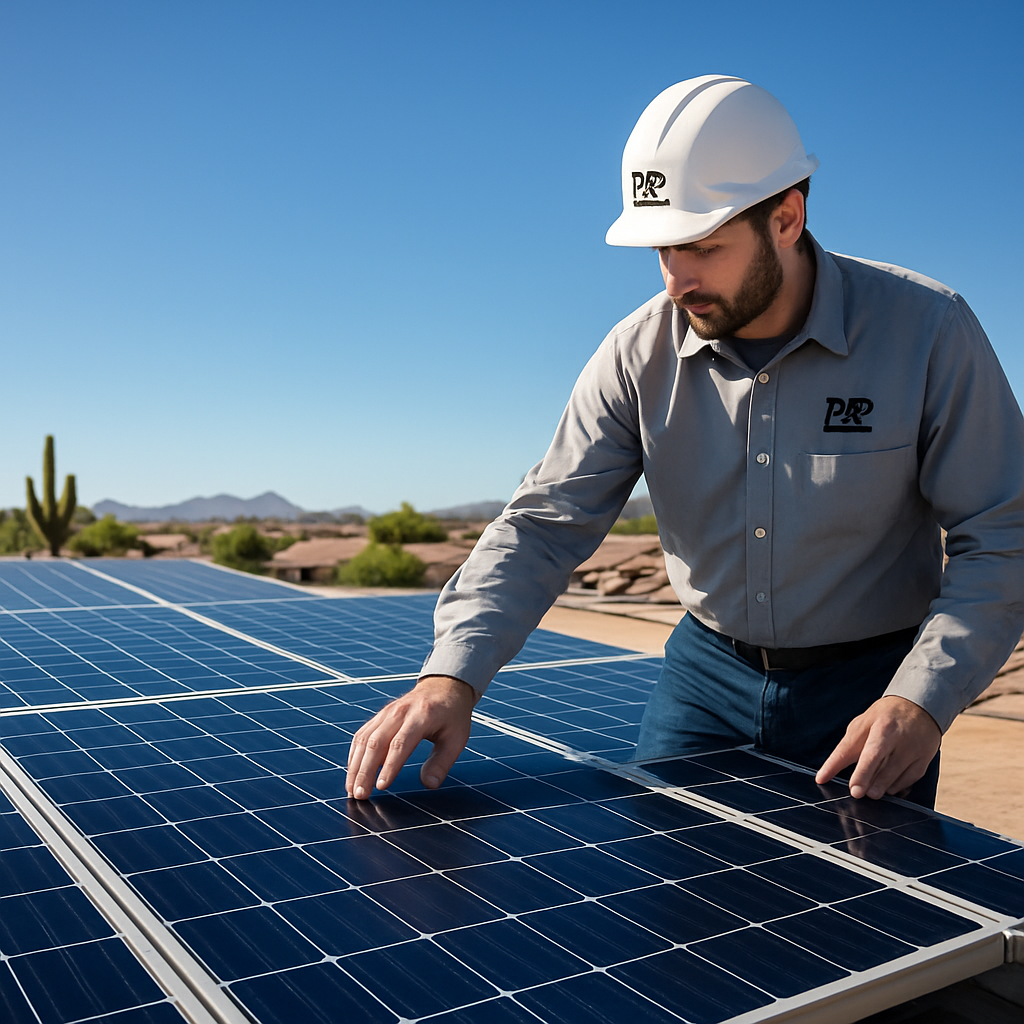
When the survey is done, you’ll receive a detailed eligibility report that outlines the lease terms, expected savings, and any potential escalators in the contract. Review it carefully – look for things like annual payment increases, early‑termination fees, and who owns the system at the end of the lease.
Remember, the goal isn’t just to sign a lease; it’s to lock in a predictable, lower‑cost energy future without draining your savings today. If everything lines up, you’re ready to move on to the paperwork stage, where we’ll walk you through the contract line by line.
Step 2: Compare Solar Lease Providers Offering No Money Down Options
Okay, you’ve got your paperwork together and the eligibility box is ticked. Now the real fun begins: figuring out which company actually gives you the best no‑money‑down solar lease in Arizona. It can feel a bit like shopping for a car – you want the lowest monthly payment, solid warranty, and a company that won’t ghost you when the sun’s up.
1️⃣ Gather the basics before you start comparing
Grab a spreadsheet or a simple notebook and write down three things for every quote you receive:
- Monthly lease payment (including any escalator rate)
- Length of the contract – most leases run 15‑20 years, but some providers offer 25‑year terms.
- What’s covered: maintenance, monitoring, insurance, and removal at the end of the term.
Having these numbers side‑by‑side makes the “who’s the cheapest?” question a lot less vague.
2️⃣ Look beyond the headline price
Here’s the thing: a low monthly payment can hide a steep escalation clause. A 2 % annual increase might sound tiny, but over 20 years it adds up to roughly 50 % more than the starting payment.
Ask the provider: “What’s the escalator rate, and can I lock it in after the first five years?” If they can’t give you a clear answer, that’s a red flag.
3️⃣ Check the ownership and tax‑credit situation
When you lease, the solar company keeps the federal Investment Tax Credit (ITC). That’s fine for many homeowners, but if you’re a savvy buyer who wants to claim that 26 % credit, you’ll need to purchase or finance instead.
Still, for a no‑money‑down scenario the lease can be a win‑win, especially if the provider passes some of that credit into a lower lease rate. In our experience, the firms that are transparent about where the tax credit goes tend to be the most trustworthy.
4️⃣ Compare service and warranty packages
Every reputable Arizona installer offers a performance guarantee – usually 80‑90 % output after 20 years. But the depth of that guarantee varies. Some companies will replace under‑performing panels at no cost; others will just give you a credit on your monthly bill.
Ask for a written copy of the warranty and note who is responsible for what. A good rule of thumb: the installer should handle all maintenance, while the lease holder (you) only pays the fixed monthly fee.
5️⃣ Use a calculator to put the numbers in perspective
Plug the lease payment, escalator, and your current utility rate into a Solar Lease Calculator Guide: How to Estimate Costs and Savings. The tool will show you the break‑even point and total savings over the contract term.
If the calculator shows you’ll still be paying more than you’d save after a few years, walk away – there are better options out there.
6️⃣ Real‑world examples from Arizona homes
Take the Martinez family in Mesa. They got a $0 down lease with a $70 monthly payment, 1.5 % escalator, and a 20‑year performance guarantee. After five years, their utility bill dropped from $180 to $95, and the total cash‑out‑of‑pocket was just $460 – well under the $1,200 they would have spent on a cash purchase.
Contrast that with a Phoenix condo owner who accepted a $55 monthly lease with a 3 % escalator and no clear maintenance clause. By year eight, the payment had ballooned to $85, and a panel failure meant a $300 out‑of‑pocket repair because the lease didn’t cover it. The lesson? Low headline price ≠ best deal.
7️⃣ Quick checklist before you sign
- Confirm monthly payment, escalator, and total projected cost.
- Read the performance guarantee – is it 80 % or 90 %?
- Verify who handles maintenance and removal.
- Make sure the lease term matches your home‑ownership plans.
- Ask for a copy of the contract and read the fine print on early‑termination fees.
Once you’ve crossed every item off, you’ll feel a lot more confident that the lease you choose truly fits your budget and lifestyle.
So, what’s the next move? Gather at least three quotes, run them through the calculator, and pick the provider that offers the lowest total cost‑of‑ownership while keeping the warranty solid. That’s how you turn the “no money down” promise into real, lasting savings.
Step 3: Understand the No Money Down Lease Terms and Contracts
Alright, you’ve got a few quotes on the table. Before you sign anything, take a breath and dig into the fine print – that’s where the real savings (or hidden costs) hide.
First off, look for the lease term. Most Arizona deals run 15‑20 years, but some providers stretch to 25. Ask yourself: “Do I plan to stay in this house that long?” If you’re thinking of moving in five years, a shorter term or a buy‑out clause can save you from a nasty early‑termination fee.
What the escalator really means
That tiny “1‑3 % annual increase” you see isn’t just a footnote. Over a 20‑year span, a 2 % escalator can boost your monthly payment by about 50 %. Use a calculator (like the one we mentioned earlier) to project year‑10 and year‑20 costs. If the projected payment still undercuts your utility bill, you’re probably in good shape.
EnergySage notes that a low escalator is a key indicator of a competitive lease — look for 0‑1 % if you can learn more about solar lease escalators.
Who’s responsible for what?
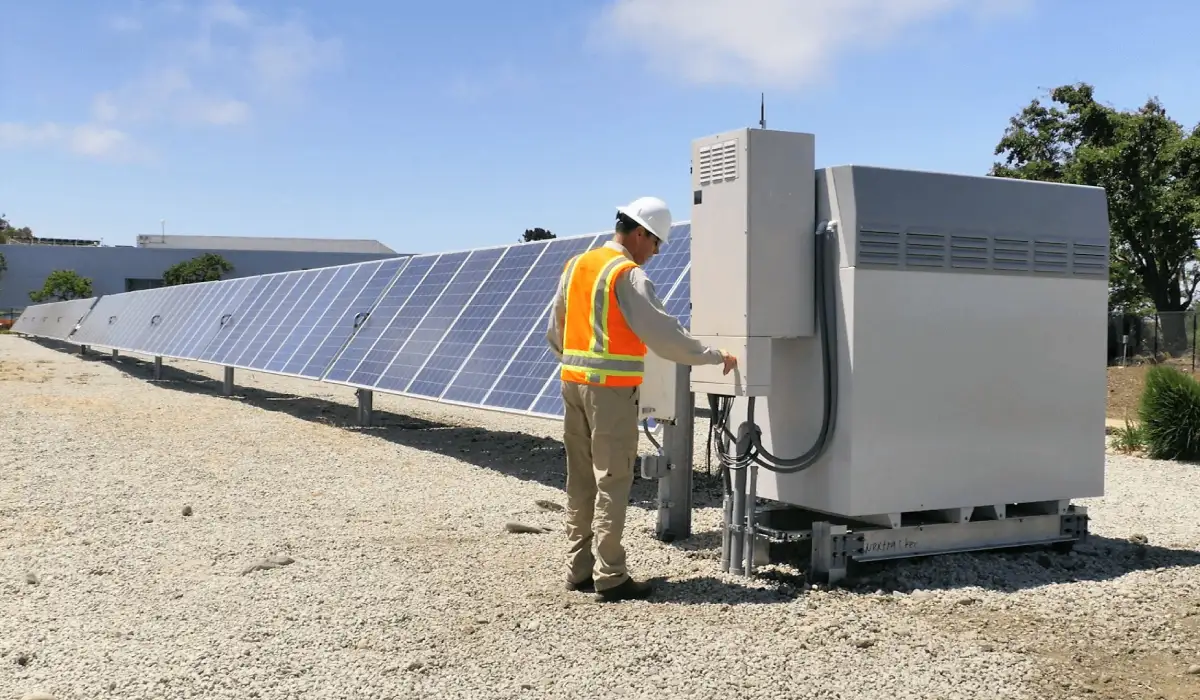
Under a no‑money‑down lease, the solar company owns the system, so they should handle maintenance, monitoring, and any repairs. Grab a copy of the maintenance schedule and ask: “What’s covered, and what’s my out‑of‑pocket risk?” If the contract lists “maintenance included” but then adds “excluding inverter replacements,” you’ve just uncovered a potential surprise.
SolarTopps warns that many homeowners miss a clause that lets the installer swap out equipment without consent. Make sure the agreement spells out that any substitutions must be approved by you read the lease agreement details.
Performance guarantees and production clauses
A solid lease will guarantee at least 80 % of the system’s rated output after 20 years. Ask for a written performance guarantee and a “production credit” clause – if the panels under‑perform, the provider should credit you on your monthly bill.
Tip: ask for a power production chart. Seeing year‑by‑year output helps you verify that the guarantee is realistic and not just marketing fluff.
Early‑termination and buy‑out options
If life throws you a curveball—job change, divorce, or simply a desire to own the system—you’ll need a clear exit path. Look for:
- Buy‑out price formula (usually the current market value of the system).
- Early‑termination fee structure (some charge a flat $500, others a percentage of remaining payments).
- Whether the lease can be transferred to a new homeowner.
Having these numbers up front lets you compare offers side‑by‑side without hidden surprises later.
Step‑by‑step checklist
- Print the full contract and highlight every monetary figure.
- Verify lease length matches your home‑ownership horizon.
- Confirm escalator rate and calculate total cost over the term.
- Check maintenance responsibilities and warranty coverage.
- Make sure there’s a clear performance guarantee and buy‑out clause.
- Ask for a written explanation of how the 30 % federal tax credit is reflected in your rate.
- Run the numbers in a solar lease calculator to see the break‑even point.
When you’ve ticked every box, you’ll feel far more confident that the “no money down” promise isn’t a mirage.
And remember, you’re not alone in this. If a term feels fuzzy, give your installer a call, ask for clarification, or even bring a trusted friend who’s good with contracts. The goal is to walk away knowing exactly what you’ll pay each month for the next two decades.
Take a moment after watching the video to jot down any questions. Then, compare the three quotes you’ve gathered, run them through the calculator, and pick the lease that gives you the lowest total cost‑of‑ownership while keeping the performance guarantee solid.
Step 4: Sign the Lease and Schedule Installation
You’ve done the homework, compared numbers, and felt that familiar mix of excitement and nerves. Now it’s time to put pen to paper—and later, to schedule the crew that will bring those panels to life on your roof.
Double‑check the final contract
Before you even sign, open the document on a table where you can spread out your notes. Highlight the monthly payment, the escalator rate, and the lease length. Does the total cost over 20 years still look better than your utility bill?
Take a moment to verify the sections we talked about earlier: maintenance responsibilities, performance guarantee, and any early‑termination fees. Does something feel vague, ask your installer to write a short clarification in plain English. A few minutes now saves a headache later.
And remember, you’re not just a customer—you’re a partner in a 15‑ to 20‑year relationship. The installer should treat you like a neighbor, not a transaction.
Ask the right questions at signing
When the representative walks you through the paperwork, keep these questions handy:
- When does the first payment kick in?
- What’s the exact schedule for the annual escalator?
- Who contacts me if a panel or inverter needs replacement?
- Can I request a copy of the performance guarantee in writing?
Even if the answer sounds obvious, getting it in writing makes it enforceable.
Set the installation date
Once the lease is signed, the installer will propose a few windows for the install crew. Pick a day when you’ll be home, or arrange for a trusted friend to let the team in. Most Arizona installers finish a residential job in one full day, but a small buffer for weather is wise.
Ask for a written schedule that includes:
- Site survey confirmation (if not already done)
- Delivery date for the panels and inverter
- Installation start‑time and estimated finish‑time
- Post‑install inspection and system activation
This checklist keeps everyone on the same page and prevents surprise delays.
Prepare your home for the crew
Clear any items that might block the roof—garden hoses, satellite dishes, or holiday decorations. If you have pets, let them know the crew will be around; a quick “stay inside” note can keep both parties calm.
Think about where the inverter will live. A shaded garage corner or utility closet works well, and the installer should confirm that the space meets ventilation requirements.
Do you have a spare outlet for a future battery? Mention it now; adding a battery later is far easier when the installer knows you’re planning ahead.
Final walkthrough and activation
After the panels are up, the team will run a system test, connect you to the monitoring portal, and walk you through how to read your production data. Ask them to show you where to find the monthly production report and how to set up alerts for any performance dip.
Take a photo of the completed roof, note the serial numbers on the panels, and store the paperwork in a safe place. You’ll need those details if you ever sell the house or want to claim a warranty repair.
Does that feel like a lot? It’s actually a simple sequence: sign, schedule, prep, and confirm. By treating each step as a mini‑project, you keep the process transparent and stress‑free.
What’s next?
Now that the system is humming, you’ll start seeing lower electric bills within weeks. Keep an eye on the monthly statements and compare them to your pre‑install baseline. If something looks off, give us a call—our team at Pep Energy loves troubleshooting real‑world issues.
Enjoy the sunshine, watch the meter spin backwards, and know you’ve locked in a no‑money‑down solar lease in Arizona without the usual guesswork.
Step 5: Maximize Savings with Incentives and Net Metering
Okay, the panels are up, the meter is spinning backwards, and you’re already feeling that first taste of lower bills. But there’s still untapped cash hiding in the system – the incentives and net‑metering credits that Arizona offers.
Know the incentive landscape
First, pull together any federal, state, and utility rebates that apply to a no‑money‑down solar lease. The federal Investment Tax Credit (ITC) is already baked into the lease rate, but Arizona still runs a handful of seasonal rebates for residential installs. Check the Arizona Public Service (APS) and Salt River Project (SRP) websites for any lingering “solar rebate” promotions – they pop up a few times a year.
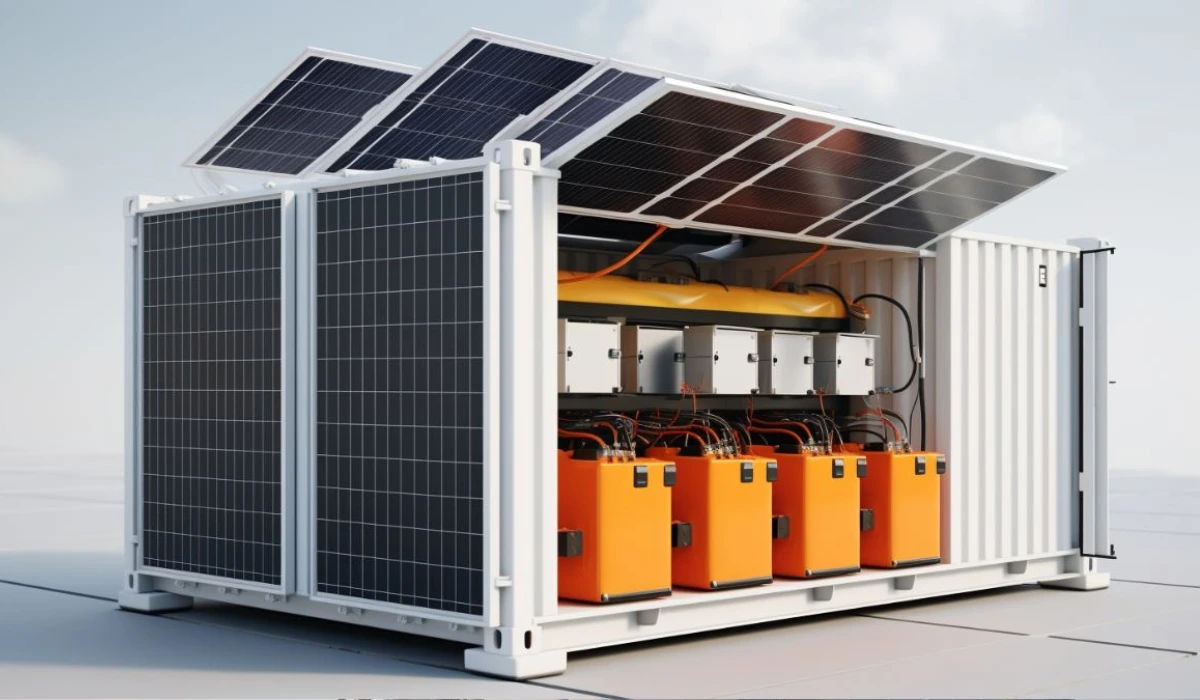
And don’t forget the utility‑level programs that reward you for adding storage later. A battery can boost your net‑metering credits by storing excess sunshine for evenings, which becomes especially valuable when the utility’s fixed‑charge fee nudges the bill upward.
How net metering actually works in Arizona
In simple terms, every kilowatt‑hour (kWh) your panels feed back to the grid earns you a credit at your utility’s retail rate. Those credits roll over month‑to‑month, effectively turning your electric meter into a two‑way street.
There is a modest $0.70 per kilowatt fixed charge that APS added back in 2014 – about a five‑dollar bump on a typical lease. The good news? That charge is far smaller than the value you capture from the credits, and the policy survived a heated debate because regulators recognized the broader benefits of rooftop solar Arizona net metering policy still favors solar owners.
Step‑by‑step: lock in every credit
1️⃣ Confirm your utility’s enrollment form. Most providers, including us at Pep Energy, will submit the paperwork for you, but double‑check the date you sign up. Some utilities have enrollment windows that close each quarter.
2️⃣ Track production daily. Log into the monitoring portal after installation and note the daily kWh you export. If you see a dip, it could be a shading issue or a system glitch – catch it early before it erodes your credits.
3️⃣ Set up automatic bill payment. When the utility sees a steady flow of credits, they’ll automatically apply them to your next statement. Missing a payment can reset the credit balance, so a scheduled payment eliminates that risk.
4️⃣ Review the annual statement. Once a year the utility sends a summary of credits earned vs. charges paid. Compare that to your own monitoring data; any discrepancy could signal a billing error.
5️⃣ Consider adding a battery. If you plan to store excess energy, ask your installer about a battery lease or purchase. The stored power can be dispatched during peak‑rate hours, boosting the monetary value of your net‑metering credits.
Tips for residential homeowners
If you’re a homeowner, you’ll likely see the biggest bang from the “roll‑over” feature. Let those credits accumulate during summer, then watch them offset your winter usage when the sun is shy.
Also, keep an eye on any changes to the fixed‑charge fee. It’s modest now, but staying informed means you can adjust your usage habits or negotiate a new lease term if the fee climbs.
Tips for business owners
Commercial leases often have higher baseline loads, so the net‑metering credits can shave off a sizable chunk of your operating expenses. Pair the lease with a demand‑response program – some utilities reward businesses that reduce load during peak events, adding another layer of savings.
Don’t forget to claim any available “energy efficiency” rebates that your business qualifies for; they can be stacked on top of the lease incentives.
Quick checklist before you move on
- Verify enrollment with your utility.
- Monitor daily export kWh.
- Set up automatic bill payment.
- Review the annual credit summary.
- Explore battery options for added value.
When you tick these boxes, you’re not just riding the sun – you’re turning every ray into dollars that stay in your pocket.
Ready to squeeze the most out of your no‑money‑down solar lease Arizona? Grab your monitoring dashboard, mark the dates for your utility’s enrollment windows, and start logging those credits. The more diligent you are now, the less you’ll have to chase later.

Comparison: No Money Down Solar Lease vs Buying Solar Panels in Arizona
Alright, you’ve weighed the eligibility checklist and you’ve gathered a few quotes. Now the real decision point is staring you in the face: do you roll with a no‑money‑down solar lease, or do you buy the panels outright?
Both paths promise sunshine and lower bills, but the trade‑offs feel a lot like choosing between renting a condo and buying a house. One gives you flexibility with almost no cash upfront, the other asks for a hefty down payment but hands you the title.
What you get right away
With a lease, the provider foots the bill for the hardware, the installation, and even the ongoing maintenance. You simply sign a contract and start paying a predictable monthly fee that’s usually lower than your current utility charge. No surprise repair costs, no need to schedule a service call – the lease company takes care of it.
If you buy, you’re the owner from day one. That means you claim the federal Investment Tax Credit (currently 26 %), you can potentially sell any excess power, and you have full control over system upgrades. The catch? You need to cough up the full price – often $15,000‑$25,000 for a typical Arizona home – before the sun even starts generating savings.
Long‑term cost outlook
Leases usually come with an escalator clause – a modest 1‑2 % increase each year. Over a 20‑year term that can add up, but the monthly number stays predictable. Buying means you have a larger upfront hit, then the electricity from the panels is essentially free for the rest of the system’s life, which can be 25‑30 years.
Think about it this way: if your lease is $80 per month with a 1.5 % escalator, you’ll pay roughly $23,000 over 20 years. If you bought a $20,000 system and claimed the ITC, your net cost drops to about $14,800, and after the loan (if you financed) is paid off, the panel output is yours for free.
Ownership perks and pitfalls
When you own the system, you can add a battery later, upgrade to higher‑efficiency panels, or even move the system if you relocate (with the right permits). The lease locks you into the provider’s equipment – you can’t swap out a failing inverter without their approval, and you may be stuck with their warranty terms.
On the flip side, ownership boosts your home’s resale value. A buyer in Phoenix or Tucson will see a solar‑equipped roof as a money‑saving feature. A lease can be transferred, but the paperwork is a hassle and the new owner may not want to inherit the escalator.
Risk and responsibility
Maintenance is a big differentiator. With a lease, the provider handles everything from cleaning to inverter replacements. Buying means you either take on that work yourself or pay a third‑party service contract, which can run $150‑$300 a year.
If the system under‑performs, a lease usually includes a production guarantee – the provider credits you if output falls below a set threshold. As an owner, you’re on the hook to monitor performance and chase the warranty yourself.
Flexibility if life changes
Plans change. Maybe you’re thinking of moving in five years, or you want to add a battery later. Leases can be transferred, but there’s often a fee, and the new homeowner might negotiate a different payment schedule. Buying ties the system to the property, which can be a selling point, but you’ll need to factor the system into any sale negotiation.
So, which road feels right for you? If you crave zero upfront cost, love having maintenance handled, and are comfortable with a predictable (though slowly rising) payment, the lease is a solid choice. If you have cash or financing options, want to claim the tax credit, and see solar as a long‑term asset that adds value to your home, buying makes more sense.
Below is a quick side‑by‑side snapshot to help you line up the pros and cons.
| Factor | No Money Down Solar Lease | Buying Solar Panels |
|---|---|---|
| Up‑front cost | $0 down, monthly lease payment | Full purchase price (often $15‑$25k) |
| Ownership & tax credit | Provider owns system, keeps ITC | You own system, claim 26% federal tax credit |
| Maintenance responsibility | Provider handles maintenance, repairs | You’re responsible (or pay service contract) |
| Long‑term savings | Predictable monthly fee, may increase with escalator | Higher upfront, lower ongoing cost, eventual free electricity |
| Flexibility if you move | Lease may be transferred or require buy‑out | System stays with home, adds resale value |
Bottom line: there’s no one‑size‑fits‑all answer. Take a look at your budget, how long you plan to stay in the house, and whether you want to handle maintenance yourself. Run the numbers in a solar lease calculator (the one we recommend on our blog) and compare it to a purchase amortization schedule. Once the math lines up with your comfort level, you’ll know which option lets you enjoy the Arizona sun without the stress.
FAQ
What is a “no money down solar lease” and how does it work in Arizona?
A no‑money‑down solar lease lets you get a full solar system installed on your roof without paying anything upfront. The provider purchases, installs, and owns the equipment, and you agree to a monthly lease payment that’s usually lower than your current electric bill. In Arizona the lease runs 15‑20 years, and the provider takes care of maintenance while you enjoy the sun‑powered savings.
Can I qualify for a no‑money‑down lease if I have a moderate credit score?
Even if your credit isn’t perfect, you can often still qualify for a no‑money‑down lease in Arizona. Most providers look for a FICO score around 620, and they’ll verify income to make sure the lease payment fits comfortably under 30 % of your household earnings. If you fall a few points short, consider a small down‑payment or a co‑signer to boost your approval odds.
How does the monthly payment compare to my current utility bill?
Take a look at your last three electric bills and add up the average monthly charge. Then compare that number to the lease payment the installer quoted – most Arizona offers land you at 10‑20 % less than your utility cost. Keep in mind the escalator: a 1‑2 % increase each year means the payment will creep up, but for the first 5‑7 years you’ll see a clear drop in your out‑of‑pocket expenses.
What happens to the solar panels if I move or sell my home?
If you decide to move, the lease can usually be transferred to the new homeowner, but the process isn’t always automatic. You’ll need the provider’s approval and there may be a transfer fee, typically a few hundred dollars. Some owners simply buy out the lease early – the buy‑out price is based on the remaining value of the system, which can be a smart way to keep the panels when you sell your house.
Are there hidden fees or escalator rates I should watch out for?
The biggest surprise for many Arizona renters is the escalator clause – a small percentage added to your payment each year. Look for a rate of 0‑1 % if you can; anything higher will erode your savings over a 20‑year term. Also double‑check for hidden fees like early‑termination penalties, installation surcharges, or utility interconnection fees. Ask the provider to spell out every charge in plain English before you sign.
How do I know the lease provider will handle maintenance and repairs?
One of the perks of a lease is that the provider handles routine upkeep, but you still want proof that they’ll actually show up. Ask for a written maintenance schedule and confirm who covers parts like inverters or batteries. In our experience, reputable Arizona firms respond within 48‑hours to a service call and include a 24‑/7 monitoring portal so you can see system performance in real time.
Conclusion
So, after wading through eligibility, quotes, contracts, and the installation checklist, the big question is: does a no money down solar lease in Arizona actually work for you?
In our experience, the answer is yes—provided you lock in a low escalator, confirm who handles maintenance, and run the numbers with a lease calculator before you sign.
Remember the three things that mattered most: a clear monthly payment, a transparent performance guarantee, and an exit path that won’t trap you if you move or want to buy the system later.
If those boxes are ticked, you’ll likely see lower bills from day one, enjoy hassle‑free upkeep, and keep your cash free for other home projects or business upgrades.
But don’t forget to revisit the lease every few years. Rates, utility fees, and incentive programs can shift, and a quick review can help you decide whether to stay, negotiate, or even buy out the system.
Ready to take the next step? Grab the three quotes you’ve collected, plug them into our Solar Lease Calculator Guide, and pick the offer that delivers the lowest total cost‑of‑ownership while protecting your roof and peace of mind.
Enjoy the Arizona sunshine—and let your roof pay you back, not the other way around.