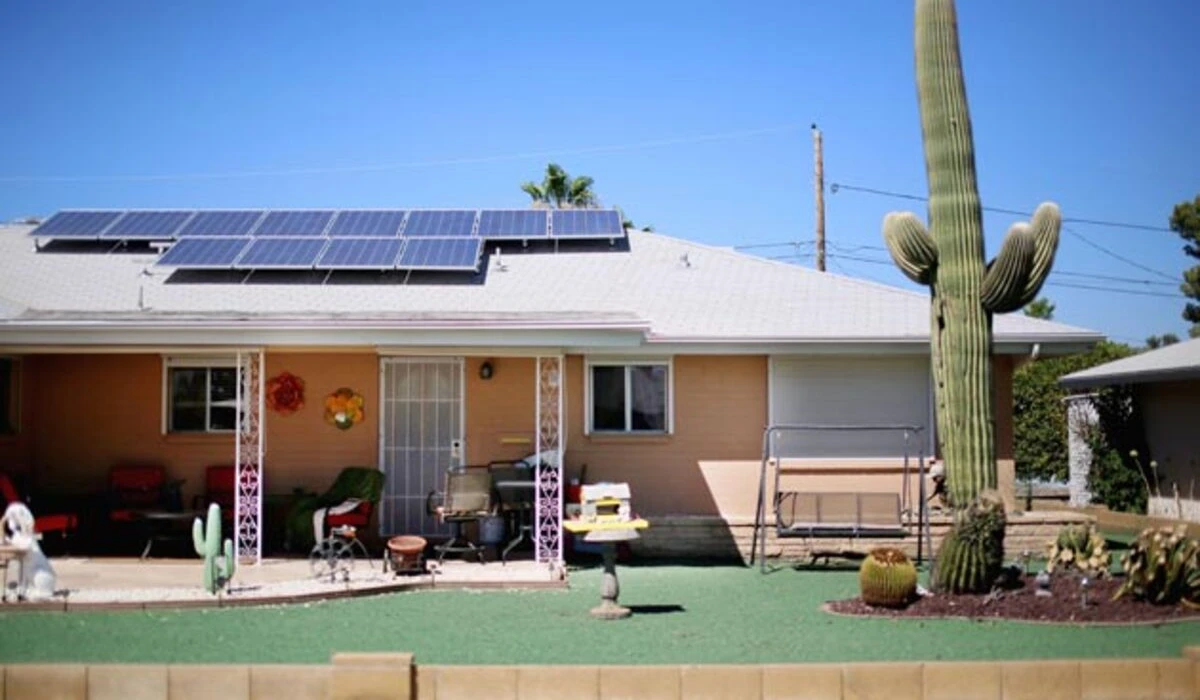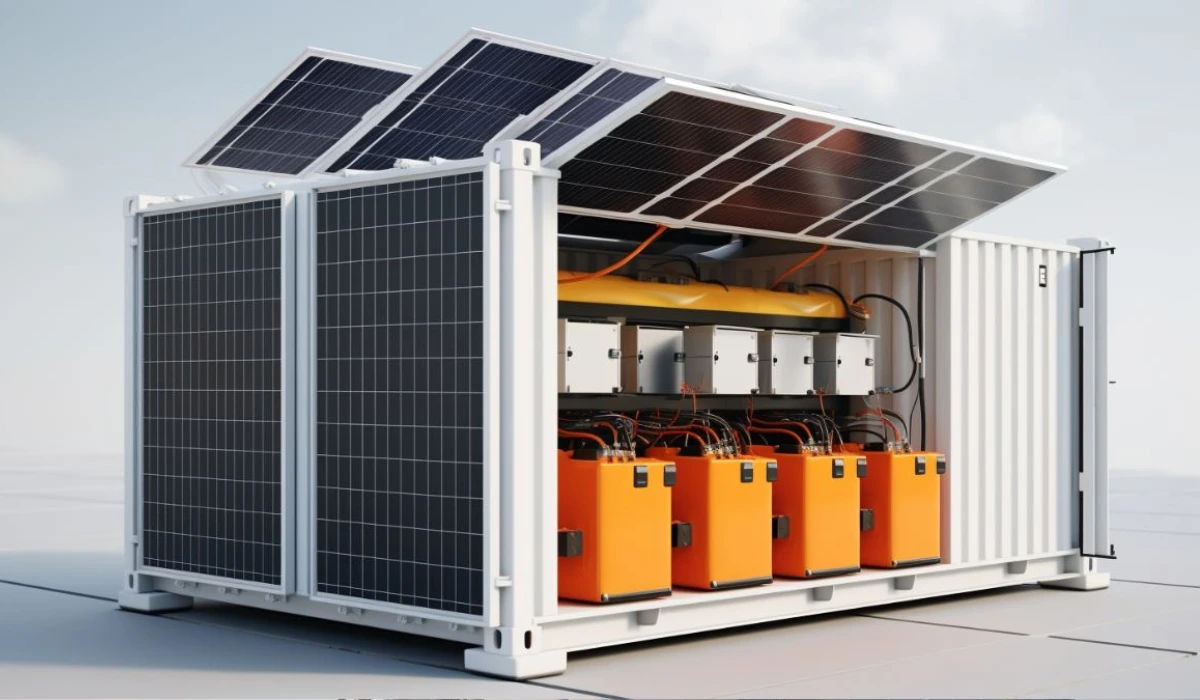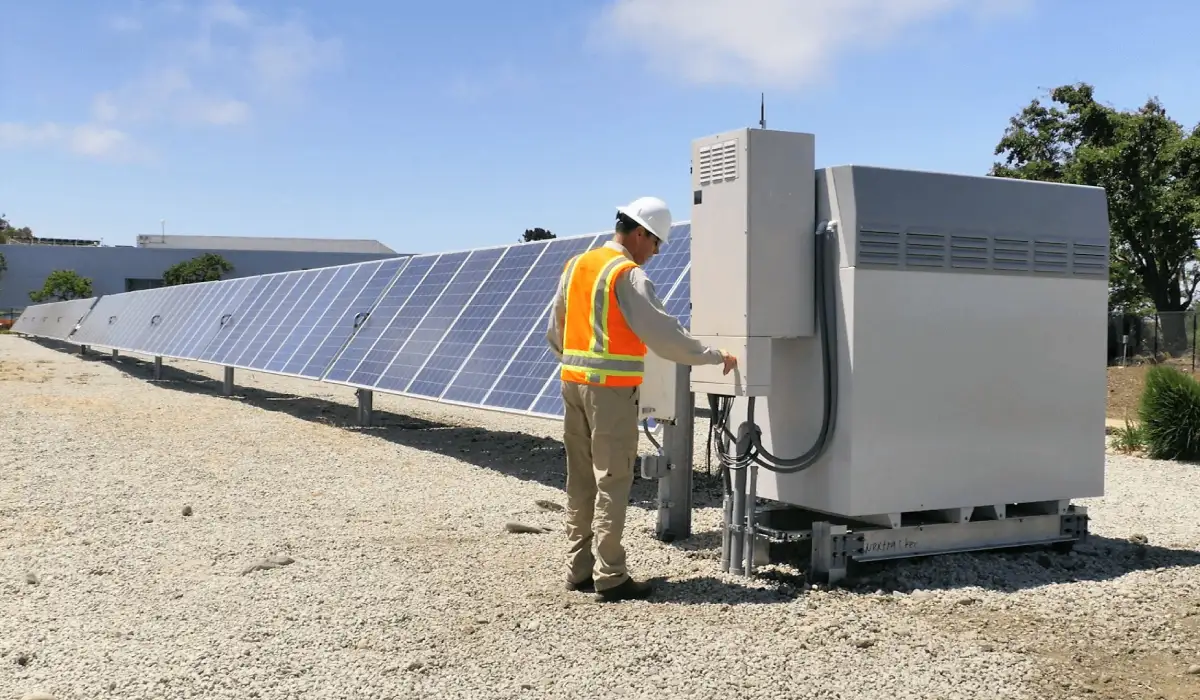
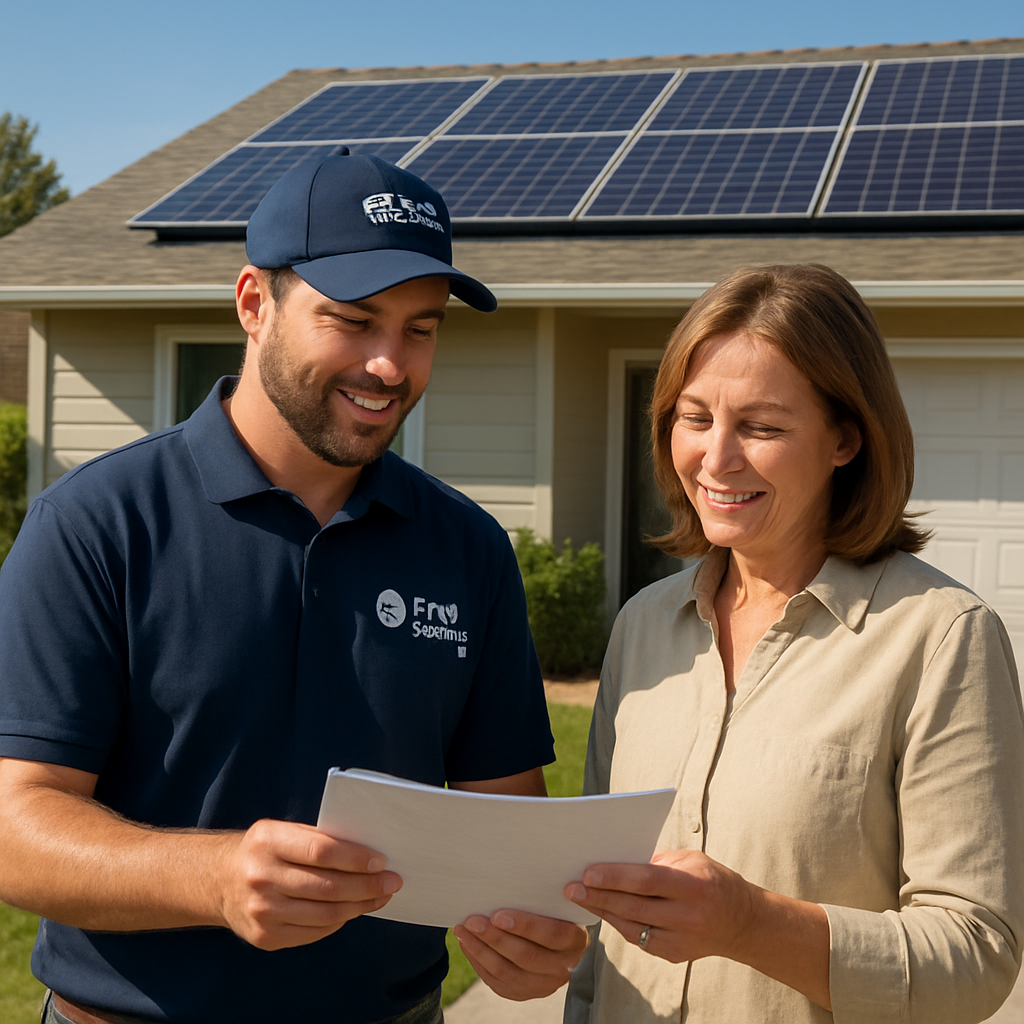
Picture this: you’ve just bought a new home, the sun is already spilling through the windows, and you’re thinking, “If only I could turn all that light into cheap electricity.”
That moment of “what if” is exactly why most homeowners start typing “solar installer near me” into Google, hoping to find a local expert who can make the dream a reality without the headache.
But let’s be honest—search results can feel like a maze. One link promises the lowest price, another boasts the fastest installation, and a third is full of technical jargon that makes you wonder if you’re even reading the same language.
In our experience at Pep Energy, we’ve seen that the biggest roadblock isn’t the technology; it’s knowing which questions to ask and what red flags to watch for before you sign a contract.
So, what should you be looking for? First, a installer that actually serves your community, not just a national franchise with a one‑size‑fits‑all approach. Second, clear transparency around financing options—whether you’re eyeing a solar lease, a purchase, or a battery‑plus‑solar package. And finally, proof that they stand behind their work, like solid warranties and real‑world case studies from neighbors.
Think about the last time you hired a plumber or an electrician. You probably chose someone who was recommended, who explained the job in plain English, and who gave you a fair estimate before any work began.
Here’s the good news: you don’t have to navigate this alone. By focusing on a handful of criteria—local presence, transparent pricing, and reputable service—you can cut through the noise and find a partner who actually helps you save money and reduce your carbon footprint.
Ready to take the first step? Let’s dive deeper into the essential factors that turn a vague search for a “solar installer near me” into a confident, informed decision you’ll feel good about for years to come.
TL;DR
Finding the right solar installer near me means focusing on local expertise, transparent pricing, and solid warranties—so you avoid hidden fees and get reliable performance. Follow our quick checklist to compare installers, verify credentials, and choose a partner that truly saves you money and energy for your home and business.
List Item 1: How to Find a Reliable Solar Installer Near You
Ever stared at your electric bill and thought, “There’s got to be a better way?” You’re not alone. The first step toward that brighter, cheaper future is finding a solar installer you can actually trust.
Here’s a down‑to‑earth, list‑style checklist that walks you through the exact process we use with our residential and business clients. Grab a pen – you’ll want to copy these notes.
1. Verify Local Licensing and Insurance
Start by confirming the installer holds the proper state license. In Minnesota, for example, a solar company must be licensed as a residential building contractor or remodeler, and the actual wiring has to be done by a licensed electrician according to state law. This isn’t just bureaucracy; it protects you if the company folds and lets you claim against the Contractor Recovery Fund.
Ask for a copy of their insurance certificate and make sure it covers both general liability and workers’ comp. If they’re hesitant, walk away – a reputable pro knows that transparency builds trust.
2. Check Experience and Customer Satisfaction
Look for installers with a track record in your neighborhood. Local, family‑owned firms consistently out‑perform national chains in satisfaction scores, according to tens of thousands of reviews on SolarReviews. A solid portfolio of completed projects nearby means they’re around to honor those 25‑year warranties.
Ask for at least three recent references and actually call them. A homeowner who can tell you how the installer handled a tricky roof angle or a last‑minute permitting snag gives you priceless insight.
3. Compare Quotes, Not Just Price
Don’t fall for the lowest‑price trap. A cheap quote often hides extra fees for permits, extra panels, or a sub‑par inverter. Use a solar‑cost calculator (many are free online) to estimate the system size you need based on your bill history.
When you have a baseline, ask each installer to break down their proposal: equipment cost, labor, permits, and any financing options. The most transparent companies will give you a line‑item spreadsheet you can actually read.
4. Look for Certifications and Partnerships
North American Board of Certified Energy Practitioners (NABCEP) certification is the gold standard. It tells you the installer’s technicians have passed rigorous exams and stay up‑to‑date on code changes.
Also, check if they partner with reputable panel manufacturers like LG or SunPower. Those partnerships often come with extended warranties and better performance guarantees.
5. Evaluate Financing Flexibility
Whether you’re eyeing a cash purchase, a solar lease, or a loan, the installer should walk you through every option. Many homeowners save an average of $2,800 by shopping smartly online before they even start the quote process – a figure cited by the National Renewable Energy Laboratory (NREL).
Ask about any hidden fees, early‑termination penalties, or performance guarantees tied to financing. The best deals are clear from day one.
6. Trust Your Gut – and the Details
When the installer shows up, notice how they communicate. Do they explain the system in plain language? Do they listen to your concerns about roof access or future expansions? Those “soft” cues often predict how smooth the whole project will be.
And if something feels off – a vague answer, rushed timeline, or unwillingness to provide written references – trust that instinct. You’ll thank yourself later.
For a quick reference, check out our curated list of top local installers: Solar Installers Near Me: 5 Local Picks. It’s a handy starting point that saves you hours of scrolling.
Ready to take the next step? Grab a notebook, run through this checklist, and you’ll be well on your way to a confident, stress‑free solar partnership.
List Item 2: Top 5 Factors to Evaluate When Choosing a Solar Installer
1. Local Licensing, Insurance, and Permits
First thing’s first – make sure the company is actually allowed to work in your state. A proper contractor’s license, plus liability and workers’ comp insurance, protect you if something goes sideways. If they hesitate to show you the paperwork, that’s a red flag.
And don’t forget the permits. A good installer will handle the paperwork with the utility and the city, sparing you the headache of back‑and‑forth calls.
2. Experience With Your Roof Type
Not every roof is a perfect canvas for solar. South‑facing roofs with a 15‑40° pitch usually get the most sun, while heavy‑shading roofs need special mounting solutions. The Kentucky Energy website walks through these roof‑orientation basics, so you can ask the installer how they’ll tackle yours.roof orientation and shading considerations.
Ask for a site‑specific sun‑path analysis. If they can point to a recent project on a similar roof, you’ll feel more confident that they understand the nuances.
3. Panel Efficiency, Degradation, and Warranty
Efficiency tells you how much power you’ll squeeze out of the space you have. Higher‑efficiency panels mean fewer modules, lower mounting costs, and often a cleaner look on your roof. But efficiency isn’t the whole story – you also need to know how fast the panels will degrade.
Most panels lose about 0.8%‑0.9% per year after the first‑year dip. Over 25 years that adds up, so compare the long‑term output guarantees. A solid warranty (typically 10‑year product + 25‑year performance) is a safety net.
Colite Technologies breaks down exactly what to look for in efficiency, degradation rates, and warranty language – a handy reference when you’re weighing options.panel efficiency and degradation rates.
Now, a quick visual break:
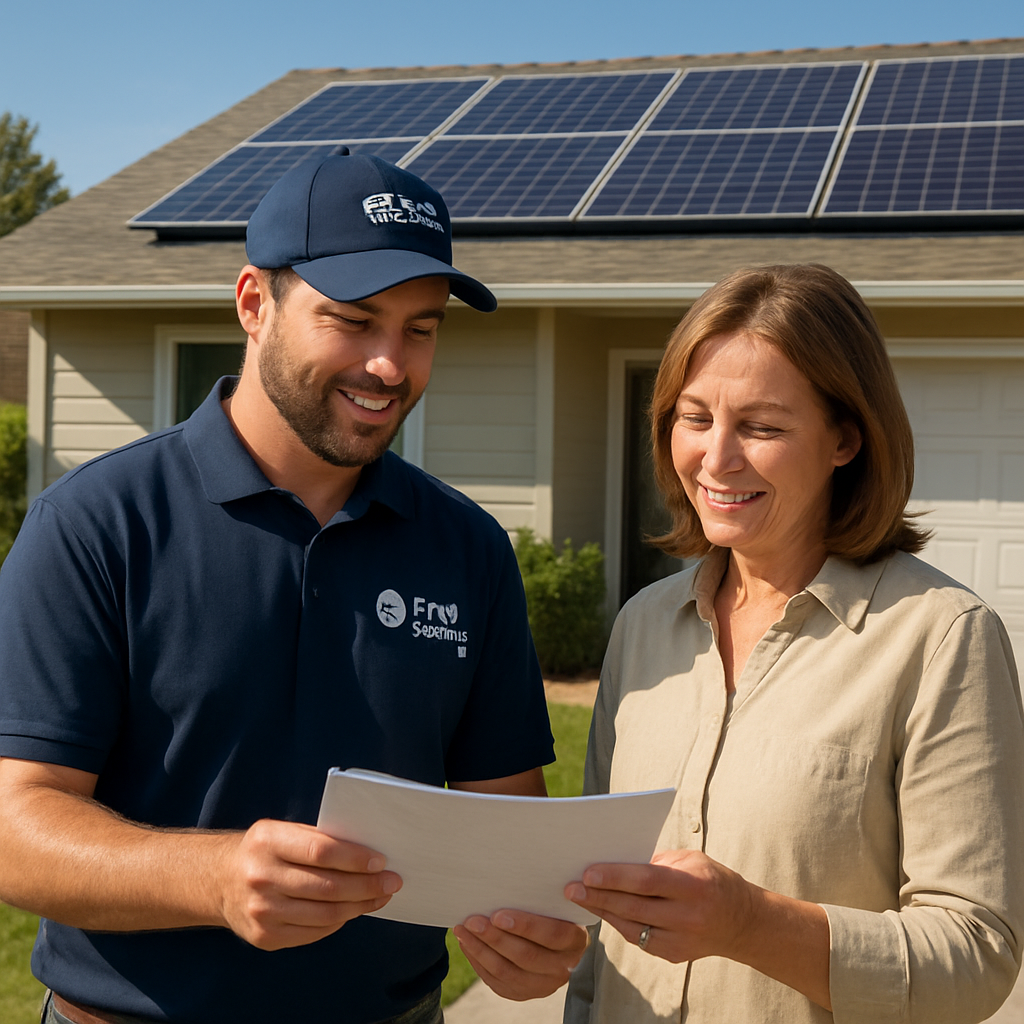
That video shows a real‑world walk‑through of a homeowner meeting their installer, pointing out the exact questions you should be asking.
4. Financing Flexibility and Transparency
Whether you’re eyeing a cash purchase, a solar lease, or a loan, the installer should lay out every option in plain language. Look for line‑item quotes that separate equipment, labor, permits, and any financing fees. Hidden fees pop up later and can turn a great deal sour.
In our experience, the installers who are upfront about early‑termination penalties and performance guarantees tend to stick around for the 25‑year warranty period, which is exactly what you want.
5. Reputation, Reviews, and After‑Sales Support
Finally, dig into the installer’s track record. Look for multiple recent references, read independent reviews, and ask how they handle warranty claims. A company that responds quickly to a warranty request shows they stand behind their work.
Even if you’re a residential homeowner or a business owner, the same principle applies: you want a partner who will be there when the panels age or when you want to add a battery or expand the system.
Take these five factors, jot them down, and use them as a checklist the next time you type “solar installer near me” into Google. You’ll walk away with a partner who’s qualified, transparent, and genuinely invested in your energy future.
List Item 3: Compare Local Solar Installers – Pricing, Services, Reviews
Start with the numbers you actually pay
When you type solar installer near me into Google, the first thing you’ll see are price ranges.
Don’t get distracted by flashy headlines – ask for a line‑item quote that separates equipment, labor, permits, and any financing fees.
That way you can spot hidden mark‑ups before they become a surprise on your bill.
So, what does a realistic price look like?
In Australia, a typical 6 kW residential system runs about $4,500 – $6,000 after rebates, while a 10 kW system lands in the $7,500 – $10,500 band.
Those figures give you a baseline; any quote that jumps far above the upper end deserves a second look.
Ask the right questions about the scope of work
Ask: “What exactly is included in this price?” A solid installer will break down the cost of panels, inverters, mounting hardware, and the wiring you’ll need.
Also request the warranty language in writing – you want to see a 10‑year product warranty and a 25‑year performance guarantee spelled out clearly.
Does the installer handle all permits and utility interconnection paperwork? If they say “yes,” ask for a copy of the permit application they’ll file.
When you compare three quotes side‑by‑side, you’ll instantly see who’s bundling extras (like a monitoring portal) and who’s charging for the same thing twice.
Look beyond price: service packages that matter to you
Do you need a battery now, or are you planning to add one later? Some installers sell a “future‑proof” package that includes a battery‑ready inverter and extra conduit.
If you’re a homeowner with a busy schedule, see whether they offer a full‑service install day – they’ll bring the crew, handle the roof work, and clean up after themselves.
For businesses, ask about performance monitoring dashboards that let you track daily output and spot any dips before they affect your bottom line.
And don’t forget financing: a reputable installer will lay out any loan, lease, or power‑purchase‑agreement terms in plain language, with clear early‑termination penalties.
What reviews really reveal
Scrolling through five‑star reviews feels good, but the devil is in the details.
Look for comments about post‑install support – “they came back within 24 hours to fix a wiring issue” is worth its weight in gold.
Also check how the installer handles warranty claims. A reviewer who says “the company honored the 25‑year performance guarantee without hassle” tells you the paperwork won’t be a nightmare.
Pay attention to the timeline. If multiple customers note “installed on schedule” you’re likely to avoid costly delays.
And beware of a pattern: if many reviewers mention “price was higher than the quote” you might be dealing with hidden fees.
Quick checklist to compare three installers
- Request a detailed, line‑item quote (equipment, labor, permits, financing).
- Verify licensing, insurance, and local electrical contractor status.
- Confirm warranty terms: 10‑year product, 25‑year performance.
- Ask about service scope – battery readiness, monitoring, cleanup.
- Check financing disclosures and any early‑termination fees.
- Read at least five recent reviews, focusing on after‑sales support and timeline adherence.
- Put all of the above into a simple spreadsheet; rank each installer on price, warranty, service, and reviews.
When the spreadsheet is done, the installer with the highest combined score usually offers the best overall value – not just the lowest upfront price.
Does that feel like a lot? Not really. It’s the same routine you’d use to compare a plumber, a roofer, or any contractor you bring into your home or business.
Take a moment now, open a new sheet, and start filling in the columns. You’ll be surprised how quickly the “right” solar installer near you emerges from the data.
And when you finally pick a partner, you’ll have the confidence that you didn’t just chase the lowest price, you chose the installer who backs their work with transparent pricing, solid service, and real customer satisfaction.
List Item 4: Benefits of Hiring a Certified Installer from Pep Energy
When you finally type “solar installer near me” into the search bar, the flood of options can feel overwhelming. That’s why putting a certified pro from Pep Energy on your shortlist changes the game – you get more than just a crew with a ladder, you get a partner who’s been vetted, trained, and held to a higher standard.
1. Rock‑solid warranty backing
We’re not talking about the usual “10‑year product” promise that every flyer throws out. A certified installer from Pep Energy is authorized to register your system for the REC ProTrust Warranty, a 25‑year coverage that spans product, performance, and even labor in many cases. That kind of safety net means you won’t be left scrambling if a panel hiccups a decade down the road.
Because the installer is REC‑certified, the warranty stays intact even if the installer ever closes shop – the manufacturer still backs you.
2. Safety that’s not optional
Solar isn’t just a rooftop hobby; it’s high‑voltage DC electricity that can turn a simple mistake into a dangerous incident.
Our certified techs have NABCEP training, the same credential that separates a qualified solar electrician from a general contractor. That training includes strict DC‑system protocols, lock‑out/tag‑out procedures, and code‑compliant mounting practices.
Sunny Energy RX stresses that only professionals with the right certifications should touch the wiring, and we live by that rule every day.
3. Faster, smoother installs
Because Pep Energy’s installers are local, they know the permitting quirks of your municipality, the preferred utility interconnection forms, and the best times of year to avoid weather delays. That insider knowledge usually shaves a week or more off the schedule, so you start seeing savings on your bill sooner.
Because the crew lives nearby, they can swing by for a quick post‑install walkthrough the same day you sign off. That kind of “just‑in‑time” support is rare when you hire a distant franchise that’s juggling dozens of jobs across state lines.

4. Ongoing monitoring and maintenance included
Installation is just the first chapter. Certified installers set up system monitoring that alerts you (and us) to any dip in production before it becomes a costly problem. We also offer annual tune‑ups—cleaning, inverter checks, and performance verification—so your panels stay close to their original output for years.
5. Transparent financing that scales with you
Whether you’re eyeing a straight purchase, a solar lease, or a battery‑plus‑solar loan, our certified team breaks down every line‑item so you know exactly where your dollars go. Because we’re upfront about any early‑termination fees or performance guarantees, you can plan your cash flow without surprise invoices.
Imagine you’re a homeowner who just upgraded to a battery backup. The certified installer not only fits the battery‑ready inverter correctly, but also programs the system to prioritize essential loads during an outage. A few months later, a storm knocks out the grid – you flip a switch and the house stays lit, while a non‑certified crew might have missed that crucial configuration.
So, if you’re still debating between a “cheap” installer and a certified Pep Energy partner, remember the hidden costs of warranty gaps, safety slips, and delayed timelines. Choosing a certified installer isn’t a premium you pay—it’s a premium you keep, in the form of peace of mind and reliable energy for decades.
List Item 5: Quick Checklist to Verify Installer Credentials
When you type “solar installer near me” into Google, the first thing you want to know is whether the company you’re eye‑balling actually has the chops to do the job right. A quick credential audit can save you weeks of headaches and thousands of dollars.
1. Confirm State Licensing & Insurance
Ask for a copy of the contractor’s state license and a current insurance binder. In most states the license number is public – a simple online lookup will tell you if the company is in good standing. If they can’t produce proof of general liability or workers’ comp, walk away. Those policies protect you if a roof leak or a wiring mishap occurs during the install.
2. Look for Industry‑Recognized Certifications
Beyond the basic license, reputable installers often carry third‑party marks. In the UK, the MCS certified installer directory is the go‑to list for solar and heat‑pump pros. In the U.S., the NABCEP (North American Board of Certified Energy Practitioners) badge works the same way – it tells you the technicians have passed a rigorous exam and stay current on code changes.
Why it matters: certifications are audited annually, so they’re a reliable shortcut for “this crew knows the code and the safety rules.”
3. Verify Electrical Contractor Status
Solar isn’t just panels on a roof; it’s a high‑voltage DC system that must be wired by a licensed electrician. Ask the installer to show you their electrical contractor registration. If the paperwork is vague, flag it – a mis‑wired inverter can void warranties and even start a fire.
4. Check Warranty Backing & Manufacturer Partnerships
A solid installer will register your system with the panel maker’s warranty program (like REC’s 25‑year ProTrust warranty). Ask for the warranty registration receipt and confirm the installer is an authorized partner. That way, if a panel fails after a decade, the manufacturer steps in, not the installer.
5. Review Permit & Inspection History
Most municipalities require a permit before any work begins. In places like Chino Hills, the city’s online portal walks you through the plan‑check process and lets you see whether the installer filed the correct paperwork (see the city’s permit guide). A legitimate installer will have a copy of the approved permit and can point you to the inspection report after the job is done.
6. Ask for References & Real‑World Case Studies
Pick three recent residential or commercial projects within a 30‑mile radius. Call the owners and ask specific questions: “Did the crew finish on schedule?” “Was the system performing as promised after the first month?” The answers give you a feel for post‑install support – the part most homeowners forget to check.
7. Evaluate Ongoing Support Options
Does the installer offer a monitoring portal, annual tune‑ups, or a quick‑response warranty service? Those “soft” services are often the difference between a system that runs flawlessly for 25 years and one that sputters after the first storm.
Quick Decision Table
| Credential | Why It Matters | How to Verify |
|---|---|---|
| State License & Insurance | Legal protection & liability coverage | Request license number, check state portal; ask for insurance COI |
| Industry Certification (NABCEP, MCS) | Shows adherence to industry standards | Look for badge on website, cross‑check with certifying body directory |
| Electrical Contractor Registration | Ensures safe DC wiring | Ask for electrician license, verify with state board |
So, what’s the next step? Grab a notebook, run through this checklist, and tick each box before you sign any contract. The extra few minutes now will pay off in peace of mind for the next 25 years of sunshine.
FAQ
What should I look for when I search for a “solar installer near me”?
First, narrow it down to companies that actually work in your state and zip code. Check that they have a current contractor’s license and workers’ comp – that protects you if something goes wrong on the roof.
Next, skim their website for certifications (NABCEP, MCS) and read a handful of recent reviews. Real homeowners will mention things like on‑time installs or how quickly the crew fixed a wiring hiccup.
Finally, make sure they offer a clear, line‑item quote that breaks out panels, inverters, labor, permits and any financing fees.
How do I verify that a local installer is licensed and insured?
Ask them for the exact license number and look it up on your state’s contractor portal – most sites let you type the number and see if the license is active and in good standing.
Then request a Certificate of Insurance that shows general liability and workers’ compensation coverage. Verify the policy dates and make sure the insurer is reputable; a quick phone call to the carrier can confirm it’s not a fake document.
If the installer hesitates or can’t produce the paperwork on the spot, treat that as a warning sign and move on.
Are certifications like NABCEP or MCS really important?
Yes – they’re more than just marketing badges. NABCEP means the technician has passed a rigorous exam and stays current on national electrical code changes, which reduces the risk of a poorly wired inverter.
MCS (Microgeneration Certification Scheme) plays a similar role in the UK and other markets, proving the installer follows a vetted quality‑assurance process. When a certified installer registers your system, the manufacturer’s warranty usually stays intact even if the installer goes out of business.
In practice, you’ll notice fewer post‑install hiccups and a smoother claims process when the installer holds one of these credentials.
What questions should I ask about warranties and performance guarantees?
Start with the basics: “What’s the product warranty on the panels and inverter, and how long does the performance guarantee last?” Most reputable brands offer a 10‑year product warranty plus a 25‑year output guarantee.
Next, ask who registers the warranty – you want the installer to file it with the manufacturer so the warranty follows the equipment, not the company. Also, confirm if there’s a “no‑lemon” clause that covers early failures without a costly service call.
Finally, get the warranty in writing, signed by both parties, and ask for a copy of the inspection report once the system is commissioned.
Can I get financing or a lease through the installer I find locally?
Absolutely. Many local installers partner with banks, credit unions or specialized solar lenders to offer zero‑down loans, PPA (power‑purchase‑agreement) leases, or even solar‑only financing.
Ask for a side‑by‑side comparison of the total cost of ownership for each option – include interest, any early‑termination fees, and how the monthly payment compares to your current electric bill.
Keep an eye on hidden fees like “admin” charges or “system activation” costs; a transparent installer will spell those out before you sign.
How important is post‑installation support and monitoring?
Think of your solar system like a new car – you need regular check‑ups and a dashboard that tells you if something’s off. A good installer will set up a monitoring portal that alerts you to drops in production.
Ask whether they include annual cleaning, inverter health checks, and a “quick‑response” warranty service. Those soft services often save you money down the line because you catch a failing panel before it drags down the whole array.
In our experience, homeowners who have that ongoing support report fewer surprise outages and higher overall savings.
What red flags tell me to walk away from a solar installer near me?
If the installer can’t give you a written, itemized quote or refuses to share license numbers, that’s an immediate warning sign. Vague answers about “we’ll handle permits later” usually hide extra fees.
Another red flag is a push to sign a contract on the spot without a chance to review it. Reputable companies understand that you need time to compare three or more proposals.
Finally, be wary of anyone who guarantees the lowest price without explaining the equipment brand or warranty terms – cheap panels and missing warranties end up costing you far more in the long run.
Conclusion
After digging through licensing, warranties, financing and that all‑important gut feeling, you’ve got a solid roadmap for finding a trustworthy solar installer near me.
Remember, the best partner isn’t the one who shouts the lowest price, but the one who backs every panel with a clear, written warranty and a monitoring plan that lets you spot a dip before it hurts your bill.
In our experience at Pep Energy, homeowners who walked through the checklist we share end up with smoother installs, fewer surprise fees, and peace of mind when the sun goes down.
So, what’s the next move? Grab a notebook, line up three local quotes, and cross‑check each against the licensing, insurance and certification items we highlighted. If something feels fuzzy, ask for proof – a hesitant installer is a red flag.
Think of this process like buying a car: you wouldn’t drive off without a test drive, a warranty sheet and a trusted mechanic’s recommendation. Your solar system deserves the same care.
When you finally sign with a vetted solar installer near me, you’ll not only start saving on electricity, you’ll also be investing in a cleaner future for your home or business. Ready to make the switch? Let’s get those panels up and running.