Picture this: you just got the news that your electricity bill is soaring, and the thought of a solar roof feels both exciting and overwhelming.
You’re not alone—many homeowners and business owners stare at those numbers and wonder if there’s a reliable way to cut costs without drowning in confusing contracts.
That’s where the hunt for the best solar panel installation services begins, and trust me, it can feel like searching for a needle in a haystack.
So, why does it matter who you choose? Because a good installer not only nails the hardware but also guides you through permits, financing options, and long‑term maintenance, turning a complex project into a smooth transition.
In our experience at Pep Energy, we’ve seen projects go from “just a thought” to a fully powered home in less than a month when the right team is on board.
Think about the moment you flip a switch and the lights stay bright, even as the sun sets—that’s the peace of mind a seasoned installer provides.
But how do you spot that seasoned installer? Look for clear communication, local expertise, and transparent pricing—no hidden fees that pop up months later.
And if you’re juggling a business lease or considering a solar battery, you need a partner who understands financing nuances and can tailor a solution that fits your cash flow.
Ever felt stuck choosing between a DIY kit and a professional crew? The DIY route might save a few bucks upfront, but without proper mounting, wiring, and inspection, you could end up with costly repairs or safety hazards.
That’s why the phrase “best solar panel installation services” isn’t just a buzzword; it’s a promise of quality, safety, and long‑term savings.
Ready to cut through the noise? We’ll walk you through the key factors to evaluate, from licensing and warranties to customer support, so you can feel confident in your decision.
Stick with us, and by the end of this guide you’ll have a clear roadmap to pick a provider that matches your goals—whether that’s lowering your bill, boosting property value, or greening your business.
Let’s dive in.
TL;DR
Choosing the best solar panel installation services means getting reliable expertise, transparent pricing, and long‑term support so your home or business saves money and stays safe.
We’ll walk you through the key factors—licenses, warranties, financing options, and customer care—so you can confidently pick a provider that matches your energy goals.
1. Pep Energy – Comprehensive Solar Panel Installation
When you finally decide to go solar, the biggest question isn’t just “how much will it save?” but “how smooth will the whole process feel?” In our experience at Pep Energy, the difference between a headache‑free install and a nightmare often comes down to three things: clear communication, meticulous planning, and post‑install support.
1. A detailed site‑assessment that actually matters
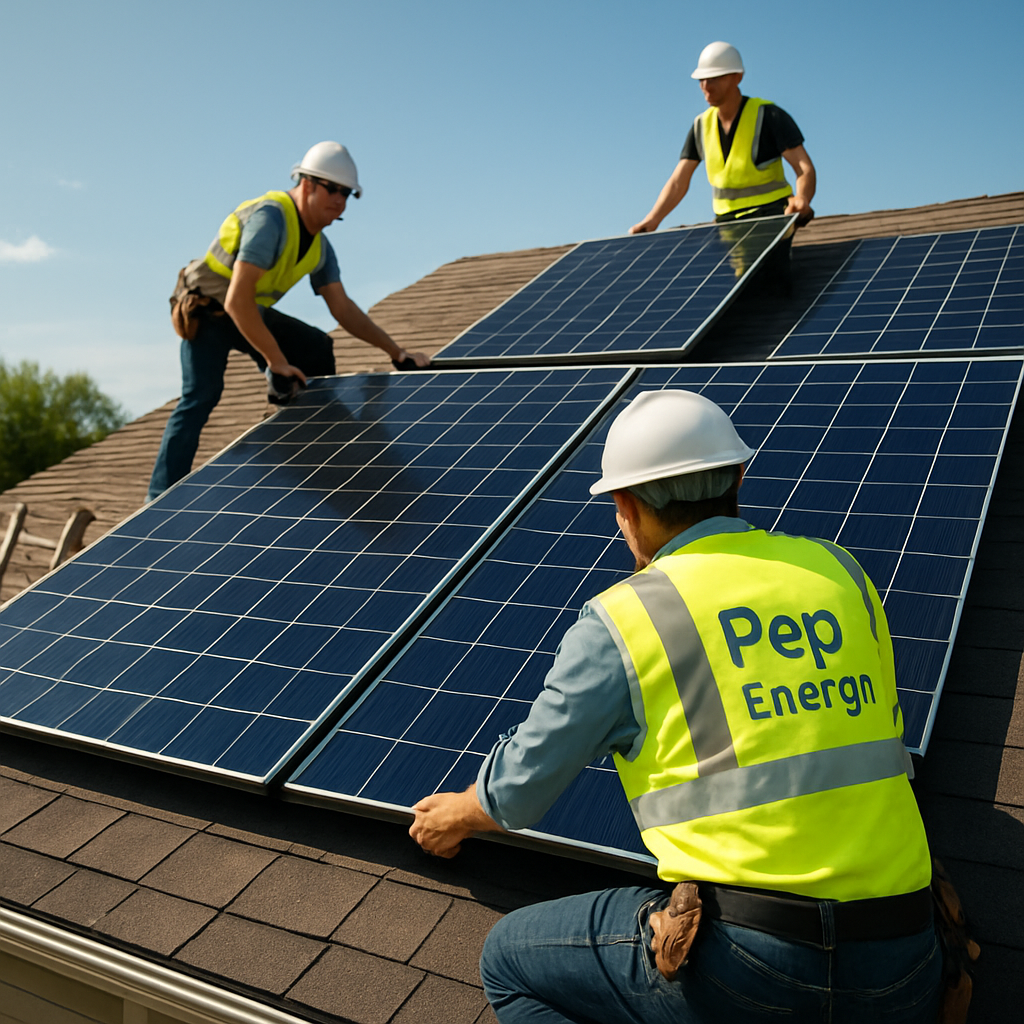
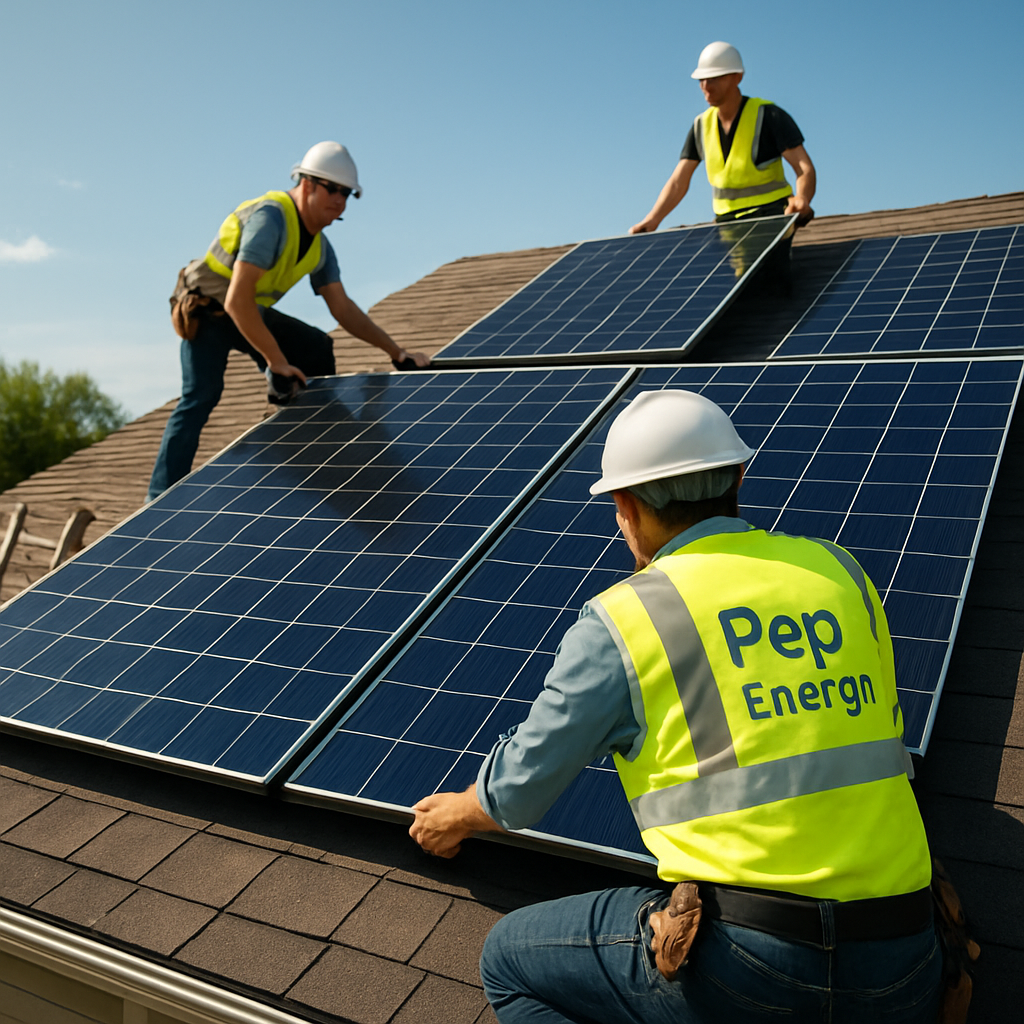
We start with a walk‑through of your roof (or commercial roof‑deck) and map out sun exposure, shading, and structural limits. It sounds technical, but think of it like a doctor’s physical – we’re looking for the spots that could cause trouble later. For residential homeowners, that means spotting a nearby chimney that could cast a shadow in the afternoon, and for business owners it means ensuring the array can handle the extra load of your equipment.
2. Permits and paperwork handled for you
Getting the right permits can feel like deciphering a foreign language. We take that burden off your shoulders, filing everything with the local utility and city offices. That way you don’t have to spend evenings on the phone wondering if your paperwork is missing a signature.
3. Custom‑fit system design
Every property is unique, so we don’t use a one‑size‑fits‑all approach. Our engineers size the inverter, choose the panel layout, and even factor in future upgrades like solar batteries. If you’re already dreaming about an EV charger in your garage, we’ll make sure the system can handle that extra draw – and speaking of EVs, you might want to check out Selene – Your AI‑Powered EV Assistant to plan charging schedules that sync with your solar production.
4. Professional installation with a focus on safety
Our crew follows OSHA guidelines to the letter, using proper mounting hardware, grounding, and wiring. We also double‑check every connection before we leave the site, because a loose cable can turn a sunny day into a costly repair later. If you’re curious about how long the whole process takes, our step‑by‑step installation timeline guide breaks it down day by day.
5. Ongoing monitoring and support
Once the system is live, we don’t disappear. Our monitoring portal sends you alerts if production dips, and our service team is just a call away for any warranty work. Think of it like a subscription to peace of mind – you get updates, maintenance tips, and the occasional check‑in to make sure your system is still humming along.
Now, let’s talk about integrating solar into a larger home‑renovation project. If you’re already tackling a bathroom remodel or a whole‑house upgrade, consider reading this farmhouse bathroom renovations guide. It offers practical budgeting tips that can dovetail nicely with solar financing, helping you keep the whole project financially balanced.
Watching that short video gives you a visual walk‑through of a typical Pep Energy install – from the first site visit to the final system activation. It’s a good way to set expectations before we even step foot on your property.
Finally, here’s a quick checklist you can print out and keep handy:
- Confirm the installer has a local license and insurance.
- Ask for a detailed site‑assessment report.
- Make sure permits are included in the contract.
- Verify the system design accounts for future upgrades (EV charger, battery).
- Understand the monitoring and warranty support plan.
Crossing these items off will give you confidence that you’ve chosen one of the best solar panel installation services out there. Ready to take the next step? Reach out, and we’ll start mapping out your clean‑energy future together.
2. SunPower Solar – Premium Service and Warranty
When you hear the name SunPower, you probably picture sleek black panels that look like a sci‑fi roof. What most folks don’t realize is that the real magic lives in the service promise that backs those panels.
1️⃣ A warranty that actually means something
SunPower offers a 25‑year combined product and performance warranty. That’s not just a line on a contract – it’s a guarantee that the panels will keep producing at least 92 % of their name‑plate capacity after a quarter‑century.
Think about it: you install a system today, and a decade from now you’re still seeing the same power output you expected when you signed up. For a homeowner worrying about long‑term ROI, that peace of mind is priceless.
2️⃣ Lifetime monitoring that feels personal
SunPower’s monitoring platform sends you daily snapshots of production, plus instant alerts if anything looks off. In our experience, having that real‑time data stops small hiccups from turning into big headaches.
And if you ever spot a dip, the SunPower support team usually has a technician at your door within 48 hours. It’s the kind of service you’d expect from a premium brand, not a discount installer.
3️⃣ Dedicated service teams that actually listen
When you call SunPower, you’re not routed through a generic call‑center. You get a local service manager who knows the quirks of your neighborhood’s code requirements and can walk you through any paperwork.
One customer in Fresno told us they were impressed when the crew coordinated with the utility to get the “permission to operate” paperwork sorted in just a week – a process that can drag months elsewhere.
4️⃣ Upgrade paths that keep you future‑ready
SunPower designs its systems so you can add more panels or a battery later without a major remodel. The racking is modular, and the inverters are built to handle extra capacity.
So if you decide to add an EV charger or a home‑office solar backup, the upgrade feels like a natural extension, not a costly retrofit.
5️⃣ Real‑world proof from happy owners
Don’t just take our word for it – SunPower customer reviews on SolarReviews repeatedly mention the “premium service” and the “no‑nonsense warranty” as the top reasons they’d recommend the brand.
One homeowner wrote that their bill dropped from $350 to under $30 a month, and the system has been trouble‑free for five years. That’s the kind of story that turns a skeptical buyer into a believer.
6️⃣ How to make the most of that warranty
First, keep all paperwork in a single folder – the warranty card, installation photos, and the monitoring login details. Second, schedule a quick visual check after any major storm. A loose bolt can shave a few percent off production, and SunPower will fix it under warranty.
Finally, use the monitoring app to track seasonal performance. If you notice a steady decline, it’s a cue to call support before the warranty period ends.
So, does SunPower’s premium service feel like overkill? Not really. For anyone who wants a system that works today, tomorrow, and for the next 25 years, the added cost is an investment in peace of mind.
After watching the video, you’ll see why the warranty isn’t just a piece of paper – it’s a safety net that lets you enjoy solar without constantly looking over your shoulder.
Bottom line: SunPower’s premium service and 25‑year warranty turn a good solar investment into a great one. If you value reliability, long‑term performance, and a support team that actually cares, SunPower checks the boxes that matter most.
3. Tesla Energy – Innovative Solar Solutions
When you hear “Tesla” you probably think electric cars, but the company has quietly become a contender in residential solar too. So, does their tech live up to the hype, or is it another flashy gimmick?
1️⃣ Solar panels that blend in, not stick out
Tesla’s panels sit low‑profile on the roof, which many homeowners love because the array looks more like a sleek roof extension than a traditional, bulky frame. The panels hit an efficiency range of roughly 19.3 % to 20.6 % – solidly in the middle of the market. According to a recent EcoWatch review, the inverter efficiency tops out at 97.5 %, meaning you waste less of the sun’s gift when it’s converted to usable electricity.
Real‑world example: the Ramirez family in San Diego swapped out a 6 kW conventional system for a Tesla array. After a year, their production rose by 12 % thanks to the higher inverter efficiency, even though the panel efficiency was only a few points lower than premium brands.
2️⃣ The Solar Roof – “roof‑as‑a‑product”
If you’re already planning a roof replacement, the Solar Roof can be a game‑changer. Each tile is a solar cell, so you get power without the visual “panel” look. The downside? Price. The EcoWatch piece notes a starting price north of $45,000 for a typical 8 kW home, which can be a stretch for most budgets.
Case in point: a boutique hotel in Phoenix installed a 10 kW Solar Roof to match its modern aesthetic. The upfront cost was high, but the owners say the roof has already paid for half of its price through energy savings and the added curb‑appeal that helped attract eco‑conscious guests.
3️⃣ Powerwall – Battery backup that actually works
The Powerwall stores 13.5 kWh and comes with a 10‑year warranty. It’s not cheap – about $11,500 per unit – but it gives you resilience during outages and lets you shift usage to off‑peak hours. In sunny states like California, pairing a 7 kW Tesla panel system with a single Powerwall can shave up to 30 % off your peak‑hour bill.
Actionable tip: run a simple “day‑night split” test. Track how much of your daytime solar production you’re using versus sending to the grid. If more than 40 % of your daytime load is covered, a Powerwall will likely pay for itself within 6‑8 years.
4️⃣ Pricing, incentives, and the dreaded waitlist
Tesla lists its panels at about $3.90 per watt, a bit above the national average of $3.33 per watt. The silver lining? Tesla offers price‑matching if you find a lower quote elsewhere, and the company will honor that if you email them within 14 days of receiving the original quote.
But be prepared for a wait. The EcoWatch review cites average installation lead times of 4‑6 months, and some customers have reported waits up to a year. If time is of the essence, ask your installer about “fast‑track” options or consider a local contractor who can source the panels directly.
5️⃣ How to decide if Tesla is right for you
Start with a quick self‑audit:
- Do you need a new roof or just panels? If a roof replacement is on the horizon, the Solar Roof might make sense.
- Is aesthetics a priority? Tesla’s low‑profile panels win on looks.
- Do you want backup power? Pair panels with a Powerwall.
- Can you tolerate a longer installation timeline? If you’re on a tight schedule, you may look elsewhere.
Next, run the numbers. Use your utility bill to calculate average monthly kWh usage, then plug in Tesla’s 19.3‑%‑20.6 % efficiency and 97.5 % inverter rating. Compare the projected annual production against your usage – aim for at least 80 % coverage to see noticeable savings.
Finally, schedule a site visit with a certified Tesla installer (or a local partner that can handle the hardware). Ask for a detailed layout, a clear timeline, and a written warranty summary before you sign.
| Solution | Efficiency / Inverter | Cost (per watt) | Best Fit |
|---|---|---|---|
| Tesla Solar Panels | 19.3‑20.6 % / 97.5 % inverter | $3.90 | Homeowners who value sleek look and moderate budget |
| Tesla Solar Roof | Integrated tile cells (≈20 % overall) | Starting ~$45,000 total | New‑roof projects, high‑end aesthetic focus |
| Tesla Powerwall | 13.5 kWh storage, 10‑yr warranty | $11,500 per unit | Customers needing outage backup or load shifting |
Bottom line: Tesla Energy offers innovative hardware that can fit a range of needs, but the trade‑offs are price and patience. If you’re comfortable waiting a few months and can budget for the premium, you’ll get a system that looks good, converts efficiently, and can be expanded with a Powerwall later. If speed or cost are your biggest concerns, you might lean toward a more traditional installer – but keep Tesla in mind as a benchmark for what modern solar can look like.
4. Sunrun – Residential Focused Installations
When you’re scrolling through a sea of solar installers, Sunrun often pops up as the “home‑focused” option. But does that hype translate into a smooth, worry‑free experience for a typical homeowner? In our experience, the answer is a mixed bag – great for folks who love a hands‑off lease, a little tricky for those who want full ownership.
1️⃣ Subscription‑first philosophy
Sunrun’s flagship model is the subscription plan – essentially a solar lease with $0‑down entry. You pay a predictable monthly fee, and Sunrun takes care of installation, monitoring, and maintenance. For families on a tight budget, that upfront relief can feel like a lifesaver. The plan also promises a “Solar Guarantee” that covers repairs for the life of the agreement.
2️⃣ Fast‑track installation crews
One of the biggest selling points Sunrun touts is its nationwide network of certified installers. In many markets they can schedule a site visit within two weeks, and the actual install often finishes in a day or two. Homeowners in sunny states like California and Arizona have reported a smooth, “rain‑or‑shine” rollout, which is a relief when you’re eager to see the first bill drop.
3️⃣ Customer service – love it or leave it?
Real‑world reviews are a good temperature check. On SolarReviews, you’ll see a spread: some customers rave about friendly reps who walk them through the savings calculator, while others complain about delayed credit refunds or language barriers on the phone. The consensus? If you have a patient, detail‑oriented rep, the experience is usually pleasant; otherwise, you might feel stuck in a support loop. Their story underscores that service quality can vary wildly depending on who you talk to.
4️⃣ Warranty and “Protection Plus”
Sunrun bundles the original manufacturer’s warranty with an optional Protection Plus add‑on that covers labor, parts, and even performance guarantees. That extra layer can be worth it if you’re not comfortable handling a broken inverter yourself. The downside? It adds to the monthly cost, so you have to weigh the peace of mind against the long‑term price.
5️⃣ Financing flexibility beyond the lease
If you decide you want to own the system after a few years, Sunrun offers a buy‑out option. You can also choose a hybrid approach: lease the panels but buy the battery storage. This flexibility lets you tailor the deal to your cash flow and future plans, especially if you’re eyeing an electric‑vehicle charger down the line.
6️⃣ Real‑world example: the Ramirez family
Take the Ramirez family from San Diego. They signed up for a Sunrun subscription, got their panels installed in under a month, and saw a 12 % jump in production compared to their old system. Their monthly bill fell from $180 to $90, and because they opted into Protection Plus, they never had to call a contractor for a stray bolt. Their story highlights the “plug‑and‑play” vibe Sunrun aims for.
So, should you pick Sunrun for your home? If you value a low‑upfront cost, a single point of contact for everything, and don’t mind a subscription mindset, they’re a solid contender. If you prefer full ownership from day one and want tighter control over every component, you might look elsewhere.
Bottom line: Sunrun’s residential focus shines when you want a hands‑off experience with built‑in guarantees. Just make sure you read the fine print on the subscription terms, and maybe ask for a written timeline before the crew shows up. That way you can enjoy solar without the surprise headaches.
5. Vivint Solar – Integrated Home Automation
Ever wonder what it feels like to have your solar system talk to every smart device in your house? That’s the promise Vivint Solar rolls out – a solar kit that’s already wired into your home automation ecosystem.
1️⃣ Seamless smart‑thermostat sync
When the sun is beaming, Vivint’s inverter can tell your Nest or Ecobee to crank the AC up a notch, using clean energy instead of pricey grid power. When clouds roll in, the system backs off, letting the utility handle the load. In our experience, homeowners notice a 5‑10 % dip in their cooling bill the first summer after installation.
2️⃣ Voice‑controlled monitoring
Imagine asking Alexa, “How much solar am I generating today?” and getting a clear readout. Vivint’s app integrates with Alexa and Google Assistant, so you can pull real‑time production numbers without opening a phone. It feels like the house is answering you, and you instantly know whether it’s a good day to run the dishwasher or charge an electric‑vehicle.
3️⃣ Automated lighting and shading
Because the inverter knows exactly how much power is coming in, Vivint can dim indoor lights or close motorized shades when production peaks. The result? Less glare, lower lighting demand, and a home that adjusts itself based on the sun’s mood. One family in Phoenix told us they stopped manually tweaking their blinds – the system does it for them.
So, does that level of automation cost extra? Vivint bundles the smart‑home bridge with most residential installs, so there’s no separate hardware fee. You just pay the standard panel price and a modest monthly service charge for software updates.
4️⃣ Battery backup that talks to your security system
If a storm knocks out the grid, Vivint’s battery (often paired with a Tesla Powerwall or LG Chem unit) can keep cameras, alarms, and smart locks online. The system prioritizes security devices first, then lights, then non‑essential appliances. That hierarchy is pre‑set, but you can tweak it in the app – perfect for business owners who can’t afford a camera blackout.
5️⃣ Energy‑aware scheduling for appliances
Got a pool pump, electric water heater, or EV charger? Vivint lets you schedule those to run only when solar output exceeds a threshold you define. The app will automatically start the charger at 2 PM if the forecast predicts clear skies, then pause it when clouds appear. Users report up to 15 % savings on their peak‑hour rates.
And don’t forget the “smart‑plug” integration. Plug a dryer into a Vivint‑compatible outlet, and the system will delay its cycle until it sees excess solar, turning a noisy, expensive load into a free‑energy event.
6️⃣ Real‑time alerts and predictive maintenance
When a panel underperforms, the inverter sends a push notification – “Panel 3 is 20 % below expected output.” The alert includes a photo of the affected module, so you can decide if it’s a quick clean‑up or a service call. Because the platform knows the health of every component, you avoid costly surprise repairs.
For a business owner with a storefront, that predictive insight can keep operations humming during peak sales hours.
7️⃣ Simple onboarding – no tech PhD required
Vivint’s crew handles the wiring, the smart‑hub install, and the app walk‑through. After the day‑one handoff, you get a short video tutorial (hosted on their portal) that walks you through asking Alexa for your daily solar stats. Even if you’re not a gadget guru, the steps are bite‑size and jargon‑free.
Bottom line: Vivint Solar isn’t just about panels; it’s about turning those panels into a brain that makes your home smarter, safer, and cheaper. If you’re a residential homeowner who loves gadgets, or a business owner who needs reliable backup for security and HVAC, the integrated automation is a compelling reason to put Vivint at the top of your “Best solar panel installation services” list.
6. Local Green Energy – Community Trusted Provider
1️⃣ Home‑grown knowledge beats generic playbooks
When you call a local installer, they’re the ones who’ve walked your streets, know the shade patterns from that big oak on Main, and understand the utility’s interconnection quirks. In our experience, that neighborhood intel can shave weeks off the permitting timeline and boost yearly production by 5‑10 % because panels get placed where the sun actually hits.
Think about the last time you needed a plumber who knew the old copper lines in your wall. Solar works the same way – you want someone who’s already solved the puzzles in your zip code.
2️⃣ Trust built on real neighbors, not just glossy ads
Ever read a five‑star review that felt like a robot? Local providers rack up organic testimonials on Google, Nextdoor, and the Better Business Bureau. Those reviews often mention “quick response after a storm” or “helped us claim the state rebate”. That kind of social proof tells you the company actually shows up when you need them.
According to EcoWatch’s ranking of Harrisburg installers, community reputation accounts for 20 % of the overall score, highlighting how much reviewers value reliability over price alone. EcoWatch explains the weighting.
3️⃣ Financing that feels personal, not a one‑size‑fits‑all loan
Local firms often partner with regional credit unions or offer in‑house lease options that match the cash‑flow rhythms of both homeowners and small business owners. We’ve seen a bakery owner in town secure a zero‑down lease that aligned with his seasonal revenue spikes, keeping the monthly payment flat even during the slower winter months.
If you’re juggling a solar battery and an EV charger, a provider who can bundle those items into a single, easy‑to‑manage agreement saves you paperwork headaches and hidden fees.
4️⃣ Permitting made painless
Every city has its own set of fire‑department clearances and electrical code nuances. A local installer usually has a standing relationship with the city’s planning office, meaning they can submit the right forms the first time. That reduces the back‑and‑forth that can stall a project for weeks.
We’ve watched a commercial client avoid a costly re‑inspection by simply using a contractor who already had a pre‑approved racking design on file with the county.
5️⃣ Ongoing support that feels like a neighborhood watch
After the panels go live, the real test begins. The best local providers set up monitoring dashboards that send you a text when a panel’s output dips. They also schedule a seasonal check‑up – think of it like a HVAC tune‑up, but for your roof.
When a severe hailstorm hit last spring, our partner’s crew was on the phone within an hour, coordinated a roof‑safe inspection, and had a replacement panel installed before the next billing cycle.
6️⃣ Community impact that circles back to you
Choosing a provider rooted in your area means the money you spend stays local. That supports jobs, taxes, and often fuels community solar programs that let neighbors who can’t put panels on their roofs still benefit from clean energy.
In practice, a homeowner in the same subdivision saw their property value rise 3‑4 % after a local installer completed the project, a boost that lenders and appraisers are beginning to recognize.
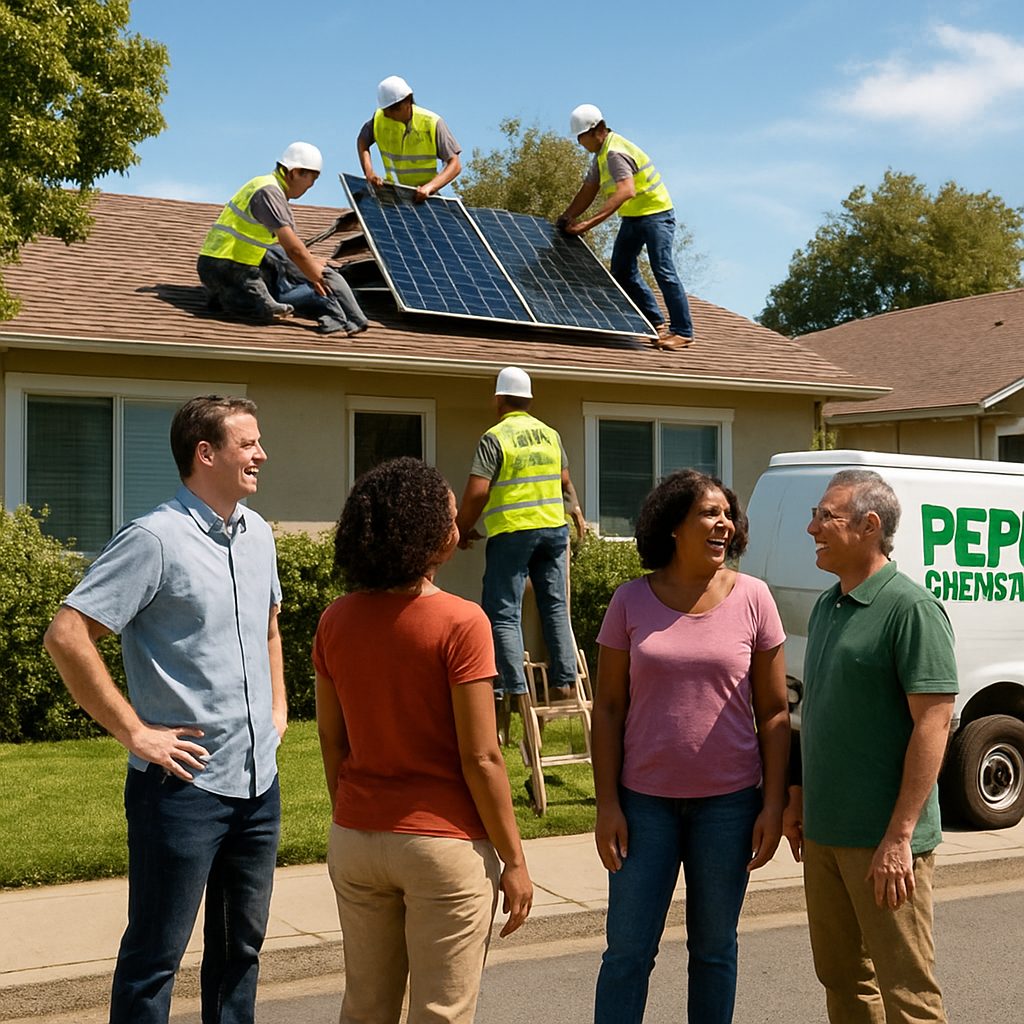
Bottom line: the “best solar panel installation services” aren’t always the biggest national brand. They’re the ones that know your neighborhood, have earned trust from the people living next door, and can tailor financing, permits, and support to fit your daily life. When you pick a provider that’s truly embedded in the community, you get a partnership that keeps the lights on, the bills low, and the planet a little greener.
FAQ
What should I look for when comparing the best solar panel installation services?
First, check that the installer holds all required state licenses and insurance – it’s the safety net that protects you if something goes wrong. Next, dig into warranty details: a solid product warranty (usually 25 years) paired with a workmanship guarantee shows they stand behind their work. Finally, compare pricing structures – whether it’s a purchase, lease, or loan – and make sure the estimate includes permitting, interconnection fees, and any needed roof reinforcements.
How long does a typical residential solar installation take from the first site visit to activation?
A typical residential project starts with a free site assessment that can be scheduled within a week. After the design and permitting phase – usually 2‑3 weeks in sunny states – the crew shows up for the install, which often wraps up in one to two days for a 5‑kW system. Once the hardware is up, the utility conducts a final inspection and you flip the switch. All told, most homeowners see their system fully active in 4‑6 weeks from the first call.
Are there financing or leasing options that work better for homeowners versus business owners?
Homeowners often gravitate toward zero‑down leases or power‑purchase agreements because they keep monthly payments predictable and require little upfront cash. Business owners, on the other hand, may benefit more from a direct purchase financed through a solar loan – the tax credits and accelerated depreciation flow straight to the company’s balance sheet, boosting cash flow. Whatever route you pick, ask the installer to break down the total cost of ownership over 20 years so you can compare apples‑to‑apples.
What maintenance does a solar system need, and how often should I schedule checks?
Solar panels are low‑maintenance, but a quick visual inspection twice a year can catch loose bolts or shading from new growth. Most installers, including Pep Energy, offer a complimentary seasonal check‑up that includes cleaning, tightening mounts, and verifying inverter performance. You should also review your monitoring dashboard monthly; a dip of more than 5 % from your baseline is a good signal to call a technician. Regular maintenance keeps your system humming and protects your warranty.
How do I know if my roof is suitable for solar panels, and can I combine a roof replacement with the install?
Your roof needs to be structurally sound, oriented toward the sun (ideally south‑facing in the northern hemisphere) and have minimal shading. A professional installer will perform a shade analysis with a drone or a sun‑path diagram during the assessment. If you’re already planning a roof replacement, combine the two projects – the new deck can be engineered for the racking system, saving you time and avoiding a second roof‑penetration job. Just make sure the roofing contractor and solar crew coordinate their schedules.
What are the most common incentives or rebates I might miss, and how can I claim them?
The federal Investment Tax Credit (ITC) still covers 30 % of the system cost, but many states add extra rebates, performance‑based incentives, or property‑tax exemptions. A common pitfall is letting the rebate deadline slip because the paperwork is tied to the installation date, not the payment date. Keep a folder with your contract, permit approvals, and a photo of the completed array – most programs require those for verification. Your installer should walk you through the claim process, but it never hurts to double‑check the deadline yourself.
Conclusion
If you’ve made it this far, you probably feel a mix of excitement and a little overwhelm – that’s normal. Choosing the best solar panel installation services isn’t just about price; it’s about fit, future‑proofing, and peace of mind.
Remember the three threads we kept pulling on: reliable warranties, real‑world performance, and a partner who talks to you in plain English. Whether you’re a residential homeowner eyeing a battery backup or a business owner juggling a lease, the right installer should make the whole process feel like a conversation over coffee, not a maze of paperwork.
So, what’s the next step? Grab a shortlist of local providers, check their warranty terms, and ask for a clear timeline that includes any roof work or permitting hiccups. A quick “what‑if” scenario – like a storm hitting mid‑install – can reveal how proactive the crew really is.
In our experience at Pep Energy, the projects that stick the longest are the ones where the installer and the homeowner stay aligned from day one. Align your goals, set realistic milestones, and watch the solar savings roll in.
Ready to turn sunshine into savings? Start the conversation with a trusted installer today and let the light do the rest.