Ever looked at your electric bill and felt like it’s a secret code you can’t crack?
You’re not alone—most homeowners wonder if there’s a way to keep the lights on without watching every penny disappear.
That’s where affordable solar installation comes in, turning that frustration into a tangible solution you can actually see on your roof.
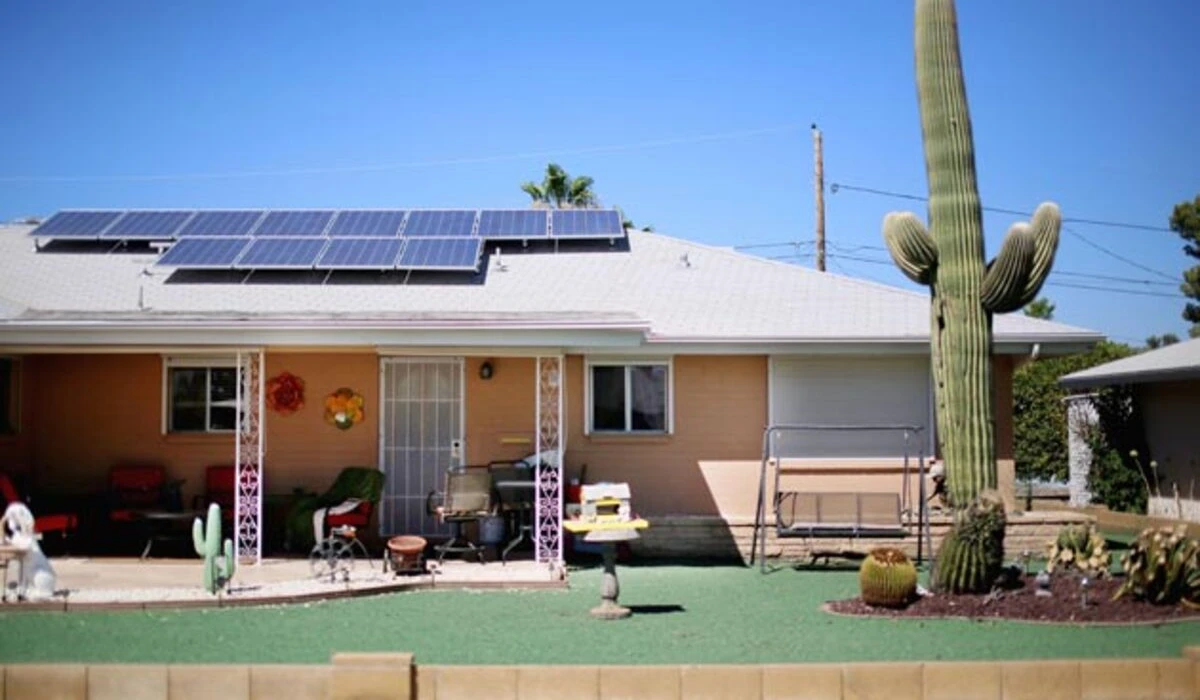
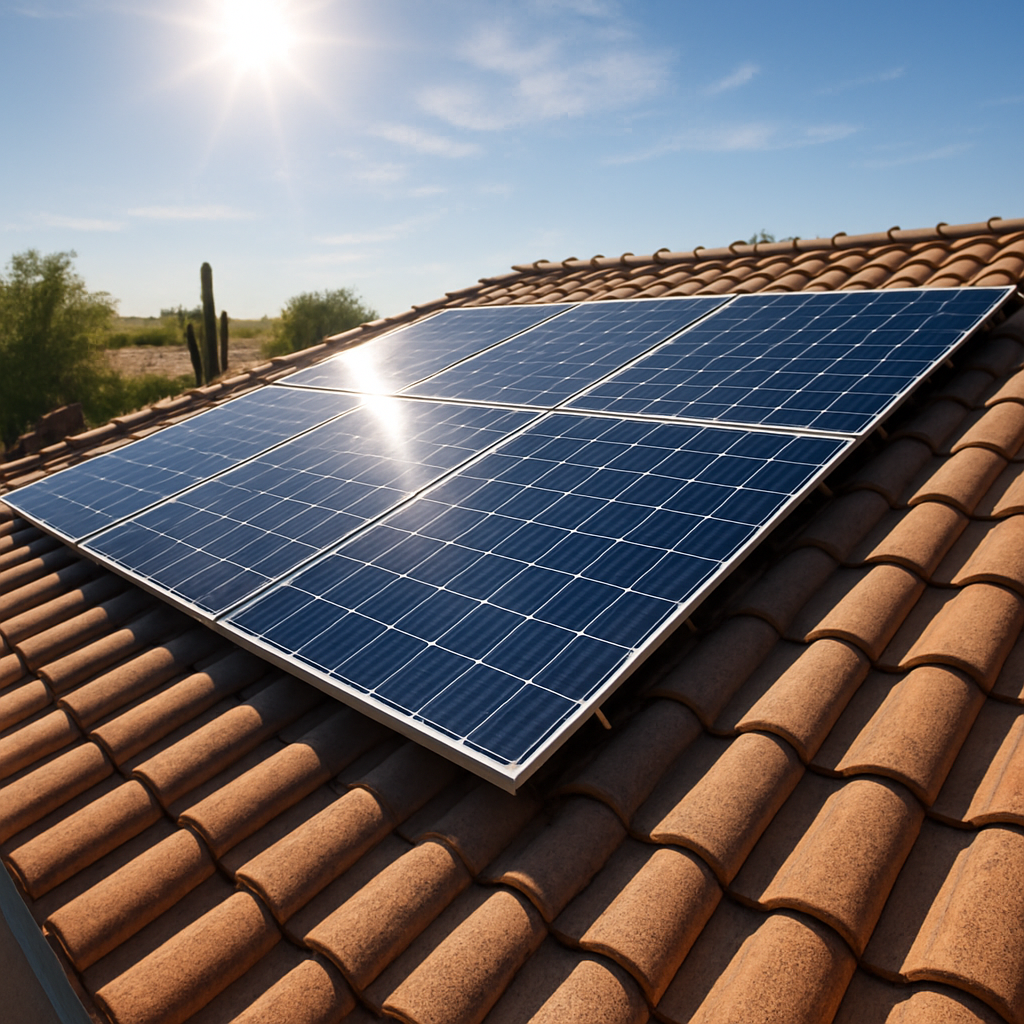
Imagine stepping outside on a sunny Arizona afternoon, the panels glinting like tiny mirrors, and knowing they’re not just pretty—they’re cutting your energy costs day by day.
But how do you make that vision real without breaking the bank?
First, you get to choose a financing path that fits your budget, whether it’s a low‑interest loan, a power purchase agreement, or a lease that lets you start saving from day one.
Second, you tap into federal and state tax credits that can shave thousands off the sticker price, making the upfront spend feel more like an investment.
And don’t forget the local incentives that some Arizona municipalities throw in for good measure.
We’ve seen families go from a $200 monthly bill to under $50 after the first year, simply because they took the plunge with a smart, affordable solar installation.
Does that sound too good to be true? It isn’t—it’s the result of smart planning and the right partner who knows the ins and outs of the market.
So, what should you look for when you start the conversation?
Ask about the total installed cost after incentives, the expected payback period, and how maintenance is handled.
Look for a company that offers transparent quotes, real‑time monitoring, and a warranty that covers both the panels and the inverter.
When you compare apples to apples, the numbers often reveal that going solar is not a luxury—it’s a practical, affordable choice for most households.
Ready to turn that curiosity into a concrete plan? Let’s dive in and explore the steps that will get you from dreaming about solar to actually installing it without the sticker shock.
TL;DR
Affordable solar installation lets Arizona homeowners slash monthly electric bills, tap tax credits, and avoid huge upfront costs with flexible financing options.
Start by comparing total installed price after incentives, checking warranty details, and choosing a partner who offers transparent quotes and real‑time monitoring for peace of mind right now.
1. Choose Cost-Effective Solar Panels
When you start hunting for panels, the first thing that pops into your head is usually the price tag. And that’s totally fair—no one wants to blow their budget on shiny roof tiles that might not pay off.
Here’s a quick way to keep the cost low without sacrificing quality: focus on the price per watt rather than the headline price of the whole system. A modest‑priced panel that delivers a high wattage will usually give you a better return on investment.
1️⃣ Compare efficiency ratings
Higher efficiency means you need fewer panels to hit the same output, which can shave off both material costs and mounting hardware. Look for a panel that hits at least 18‑20% efficiency for Arizona’s abundant sun.
Think about it this way: two 300‑watt panels at 19% efficiency will cover the same roof space as three 250‑watt panels at 15% efficiency—less roof penetrations, less labor.
2️⃣ Check the warranty length
Warranty isn’t just a nice‑to‑have; it’s a safety net that protects your cash flow. A solid 25‑year performance warranty paired with a 10‑year product warranty is the sweet spot.
When you’re weighing offers, ask the installer to spell out what’s covered. If the warranty feels vague, that’s a red flag.
3️⃣ Look for reputable manufacturers
Big names aren’t always the cheapest, but they tend to have proven track records and better service networks. A little research on How Much Does It Cost To Install Solar Panels in Arizona? can show you which brands consistently rank high for durability and performance.
Don’t forget to ask your installer about the specific model numbers—they’ll have the data sheets you can double‑check.
4️⃣ Factor in local incentives
Arizona offers a handful of rebates and tax credits that can instantly lower the sticker price. Some utilities even throw in a small cash rebate for installing panels that meet certain efficiency thresholds.
Combine those incentives with a smart panel choice, and you might see the net cost drop by 20% or more.
5️⃣ Evaluate the installer’s pricing structure
Some companies quote a flat “all‑in” price, while others break it down into equipment, labor, and permits. The latter can hide fees, so request a detailed line‑item estimate.
And if you see a big gap between quotes, ask why. Often the cheaper offer skips a necessary permit or uses a lower‑grade inverter.
So, what’s the next step?
Take a moment to write down the three most important criteria for you—whether it’s upfront cost, warranty length, or brand reputation. Then use that list as a filter when you talk to installers.
By narrowing the field early, you’ll avoid endless back‑and‑forth and land on a solution that feels both affordable and reliable.
Speaking of affordable upgrades, many solar owners eventually add an electric vehicle to their clean‑energy ecosystem. A handy tool for that transition is the AI‑powered EV assistant Selene, which helps you plan charging schedules and find incentives for EVs.
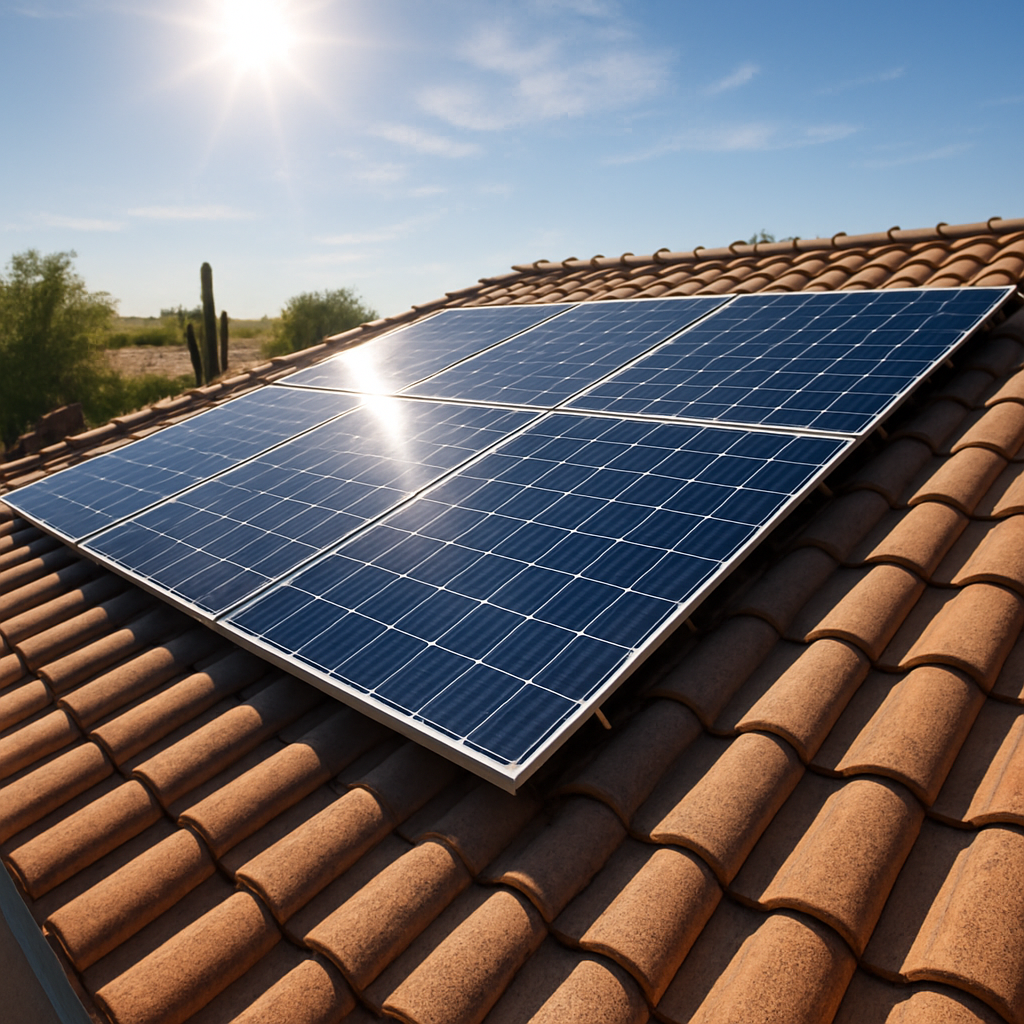
Watching this short video gives you a visual sense of how panel placement can affect both aesthetics and performance.
If you’re looking to boost your online presence while you’re at it, consider partnering with an automated SEO and backlink platform. It can help your solar business get found by more homeowners without adding extra workload.
Bottom line: pick panels that give you the most watts for your dollars, double‑check warranties, and make sure every line on the quote is crystal clear. That’s the recipe for truly affordable solar installation.
2. Find Local Incentives and Rebates
Okay, you’ve picked the panels and the financing—now comes the part that can actually shave a few thousand dollars off the final bill: hunting down the local incentives that your city or utility might be handing out.
1️⃣ Check the federal Solar Investment Tax Credit (ITC)
The ITC is the biggest national “rebate” you’ll see on paper. Even though it’s technically a tax credit, it works like a cash‑back check when you file your taxes. Right now it’s sitting at 26 % for systems installed before the end of 2023, and it’s slated to step down in the coming years. That means every $1,000 you spend on hardware could translate into a $260 reduction on your federal tax bill. If you’re not sure how to claim it, ask your installer to walk you through the paperwork—most will include the paperwork as part of their service.
2️⃣ Scan your utility’s Net Energy Metering (NEM) program
Many Arizona utilities still offer NEM, which credits you for every kilowatt‑hour you send back to the grid. In practice, that credit shows up as a line‑item reduction on your monthly bill, sometimes even turning a negative balance into a payment from the utility. The Department of Energy notes that “net metering is an important element of the policy framework supporting direct customer investment” in its homeowner’s guide. Look up your utility’s NEM rates, and ask whether there’s a cap on how much you can export.
3️⃣ Dig into city‑level rebates or grant programs
Even if Arizona doesn’t have a statewide cash‑rebate like California’s old Solar Initiative, many municipalities run their own “solar rebate” contests or grant pools. For example, a handful of Phoenix neighborhoods have partnered with local nonprofits to award $500‑$1,000 rebates for homes that meet certain efficiency criteria. The exact amount varies, but the application is usually a short form plus a copy of your installer’s quote.
That video walks through a typical city rebate application—watch it, then pause and jot down the deadlines. Missing a deadline is the fastest way to lose out on free money.
4️⃣ Explore community solar or solar co‑ops
If your roof isn’t ideal—or if your HOA puts up roadblocks—community solar lets you buy a “share” of a larger array located elsewhere. The Energy Department’s guide explains that “multiple people can benefit from a single, shared solar array… costs are divided among participants” as described in its homeowner’s guide. In Arizona, a few utility‑scale projects let you subscribe for as little as $50 a month, and the savings show up as a credit on your bill.
5️⃣ Keep an eye on seasonal or “flash” incentives
Sometimes installers get a one‑time rebate from a manufacturer or a local bank that’s only good for the next 30 days. Those flash offers can knock $500‑$1,500 off the total cost, but they disappear as fast as summer heat. A good rule of thumb: when you get a quote, ask “Are there any limited‑time promotions I should know about?” and write down the expiration date before you sign.
So, what’s the quick‑start checklist?
- Confirm your eligibility for the federal ITC and note the filing deadline.
- Log into your utility’s portal and pull the latest NEM rate schedule.
- Search your city’s official website for “solar rebate” or “energy efficiency grant”.
- Ask your installer about community solar options if your roof is compromised.
- Document any flash promotions and set a calendar reminder.
By ticking those boxes, you’re not just cutting costs—you’re turning “affordable solar installation” into a reality that feels almost too good to be true. And the best part? Most of these incentives are free money, so the only thing you really have to invest is a few minutes of research.
3. Watch How to Assess Your Home’s Solar Potential
Okay, you’ve got the financing and the incentives sorted – now comes the part that feels a little like detective work. How do you know if your roof can actually harvest enough sun to make the whole “affordable solar installation” promise worthwhile? The good news is you don’t need a Ph.D. in engineering; a quick, structured walk‑through can give you a reliable answer.
1️⃣ Sketch a Rough Sun Map of Your Roof
Grab a piece of paper or open a note app and outline your roof’s shape. Then, shade in anything that blocks the sun – chimneys, skylights, overhanging trees, even that giant satellite dish your neighbor installed. In Arizona, you’ll want a clear view of the sky for most of the day, especially between 9 am and 4 pm. If more than 20 % of the surface is shaded during those hours, you might need to trim trees or consider a smaller system.
2️⃣ Use a Free Online Solar‑Potential Tool
There are a handful of web apps that let you drop a pin, draw your roof outline, and instantly see an estimate of how many kilowatt‑hours you could generate. IRENA’s rooftop solar guide even points to a simulator that maps potential in dozens of cities worldwide. It’s a great way to turn a vague “my roof looks sunny” feeling into a concrete number you can plug into a cost calculator.
3️⃣ Check Roof Age and Structure
Solar panels sit on your roof for 25‑30 years, so you don’t want to install them right before a major roof replacement. Look at the last time shingles were replaced – if it’s been less than five years, you’re probably good. If the roof is older or has noticeable wear, ask your installer to do a “foundation assessment.” That’s the fancy term for confirming the deck can support the extra weight without flexing, and it saves you from future leaks.
4️⃣ Factor in Orientation and Tilt
South‑facing roofs capture the most sun in the Northern Hemisphere, but east‑ and west‑facing sections can still be viable, especially if you have a larger lot. A quick tilt test – a level and a protractor app on your phone – tells you the angle of your roof. Aim for 20‑30 degrees; anything steeper might need special mounting hardware, which can add a few hundred dollars to the “affordable” equation.
5️⃣ Get a Pro‑Level Site Survey
Even if you’ve done the DIY steps, a short visit from a qualified installer can catch hidden issues: roof penetrations, wiring constraints, or local code quirks. professional solar installation services typically include a grid‑connection check and permit acquisition, so you walk away with a complete picture and a clear path forward.
Once you have those five pieces – sun map, online estimate, roof condition, orientation, and a pro survey – you can compare the projected production to your monthly bill and see exactly how many dollars you’ll save. If the numbers line up, you’ve just turned a vague idea into a concrete, affordable plan.
So, what’s the next move? Grab that pen, pull up the solar‑potential simulator, and start sketching. In just a half‑hour you’ll know whether your roof is a goldmine or if you need to rethink the layout. Either way, you’re one step closer to turning “maybe someday” into “my roof is already generating clean, cheap power.”
4. Compare Installation Quotes with a Quick Cost Table
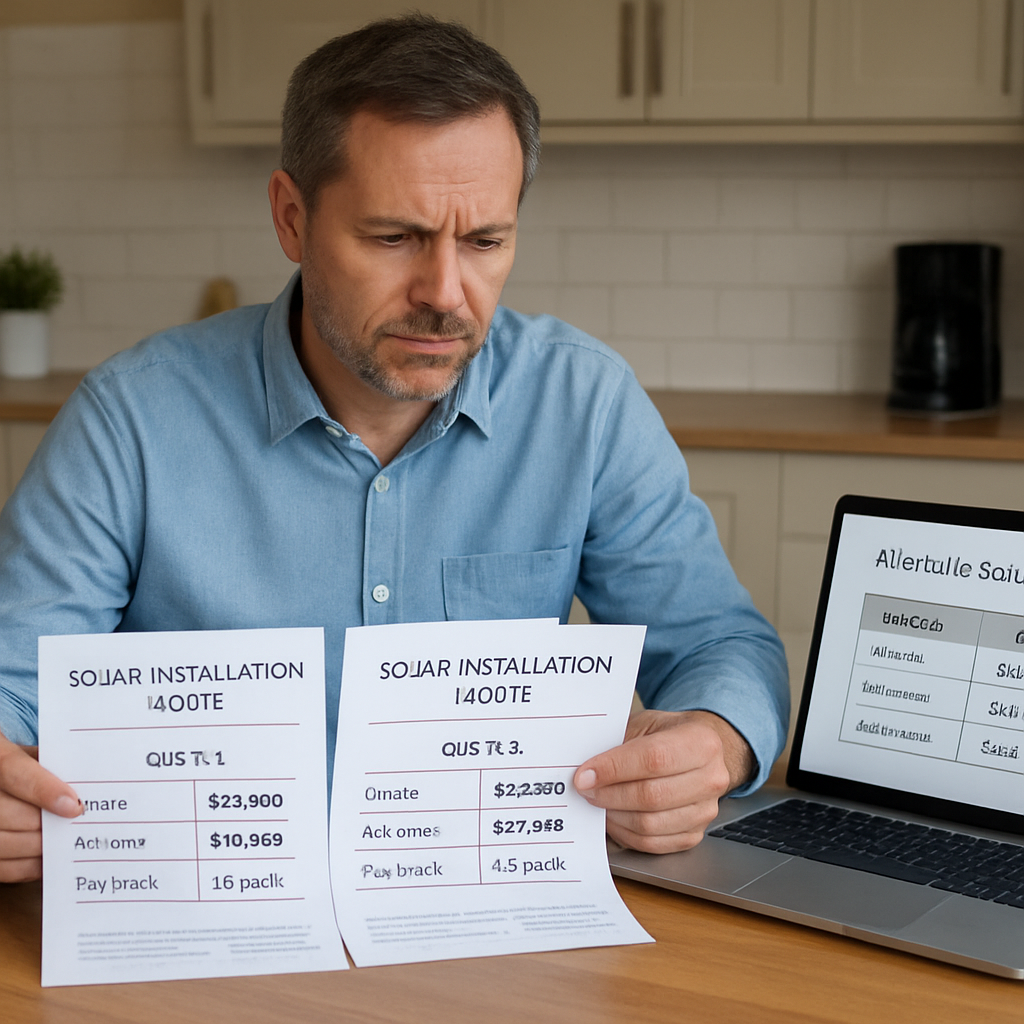
Alright, you’ve got a handful of quotes on your desk and you’re wondering which one actually reflects an affordable solar installation for your home. Spoiler: the numbers alone can be deceiving. Let’s break it down into bite‑size pieces so you can see the real value without getting lost in jargon.
1️⃣ Separate the “sticker price” from the “per‑watt” rate
Most installers will hand you a total cost that looks big—think $28,000 for a 12 kW system in Arizona. That number sounds scary until you flip it into dollars per watt. EnergySage reports that Arizona’s average sits around $2.07/W before incentives, which is the lowest in the nation (Arizona average solar installation cost per watt).
When you do the math, $2.07/W for 12 kW translates to roughly $24,800. If a quote shows $30,000, you know you’re paying about $2.50/W—maybe extra labor, premium panels, or hidden fees.
2️⃣ Flag the “soft costs” that don’t show up in the $/W
Things like permits, interconnection fees, and electrical panel upgrades often get bundled into “miscellaneous.” Those items usually add 5‑10 % to the total. In a $28,000 job, that’s $1,400‑$2,800 you could negotiate or ask to be itemized.
Tip: ask the installer for a line‑item breakdown. If “permits” are listed as $0, double‑check they’re really covered.
3️⃣ Compare warranties and after‑sales support
A cheap quote might shave $1,000 off the hardware but could come with a two‑year product warranty instead of the industry‑standard 12‑year. The long‑term savings from a solid warranty often outweigh a lower upfront price.
Ask: “What does the warranty cover—panels, inverter, labor? And how long does it last?” Write the answers down next to each quote.
4️⃣ Build a quick cost table to visualize the differences
Grab a piece of paper or open a spreadsheet and pop in the three columns below. This simple table lets you see at a glance where each quote adds value (or extra cost).
| Quote # | $/W (incl. incentives) | Key Soft Costs |
|---|---|---|
| 1 | $2.05 | Permits $600, Panel Upgrade $800 |
| 2 | $2.12 | Interconnection $500, Wiring $700 |
| 3 | $2.08 | Permit $0, Extra Labor $1,200 |
Notice how Quote 2 looks higher per watt, but its soft costs are lower. That could mean a better overall deal once you factor in the $500 savings on interconnection fees.
5️⃣ Run the “payback sanity check”
Take the net cost after incentives and divide by your estimated annual electricity savings. If the result is under 10 years, you’re in the sweet spot for an affordable solar installation. Most Arizona homes see a 7‑9 year payback when the $/W stays below $2.10.
Even if a quote looks cheap, a 12‑year payback might signal you’re under‑estimating hidden costs.
Here’s a cheat‑sheet you can copy into your phone notes:
- Calculate $/W = total price ÷ system size (aim ≤ $2.10/W in Arizona).
- List all soft costs – permits, interconnection, panel upgrades – and confirm they’re included.
- Verify warranty length for panels, inverter, and labor; write down any “no‑cost” service promises.
- Run a payback test: net cost ÷ annual savings ≈ years; keep it under 9.
And there you have it—a quick, human‑friendly way to compare quotes without needing a spreadsheet wizard. You’ll walk into the next conversation with installers feeling confident, armed with numbers, and ready to negotiate.
5. Maximize Savings with DIY Maintenance Tips
You’ve got the system on the roof, the financing sorted, and the incentives in the bank. Now the real money‑saving magic happens when you actually take care of what you already own. Think of your solar array like a car: you wouldn’t let the oil go dirty for years and still expect top mileage, right?
1️⃣ Keep the panels spotless (but don’t over‑do it)
Dust, bird droppings, and pollen act like a tiny blanket that blocks sunlight. A quick rinse with a hose and a soft brush once a month can boost output by up to 5 % in dusty Arizona neighborhoods. Skip abrasive scrubbers – they can scratch the glass and void warranties.
Pro tip: do your cleaning early in the morning or late afternoon when panels are cool. That way you avoid thermal shock and protect the sealant.
2️⃣ Trim trees and watch shadows
Even a single overhanging branch can shave off a noticeable chunk of your production during peak hours. Walk around the house after a sunny day and note any shadows that creep onto the array. If a limb is within a foot of the panels, give it a trim.
And remember, trees grow – what looks fine now might be a problem next summer. Set a calendar reminder to check foliage each spring.
3️⃣ Monitor performance with a simple app
Most inverters come with a free monitoring portal. Log in weekly and compare the daily kWh number to your average. A sudden dip of more than 10 % usually signals something needs attention – maybe a dirty panel or an inverter glitch.
If your system doesn’t have a built‑in monitor, inexpensive plug‑in meters are available that report real‑time output to your phone.
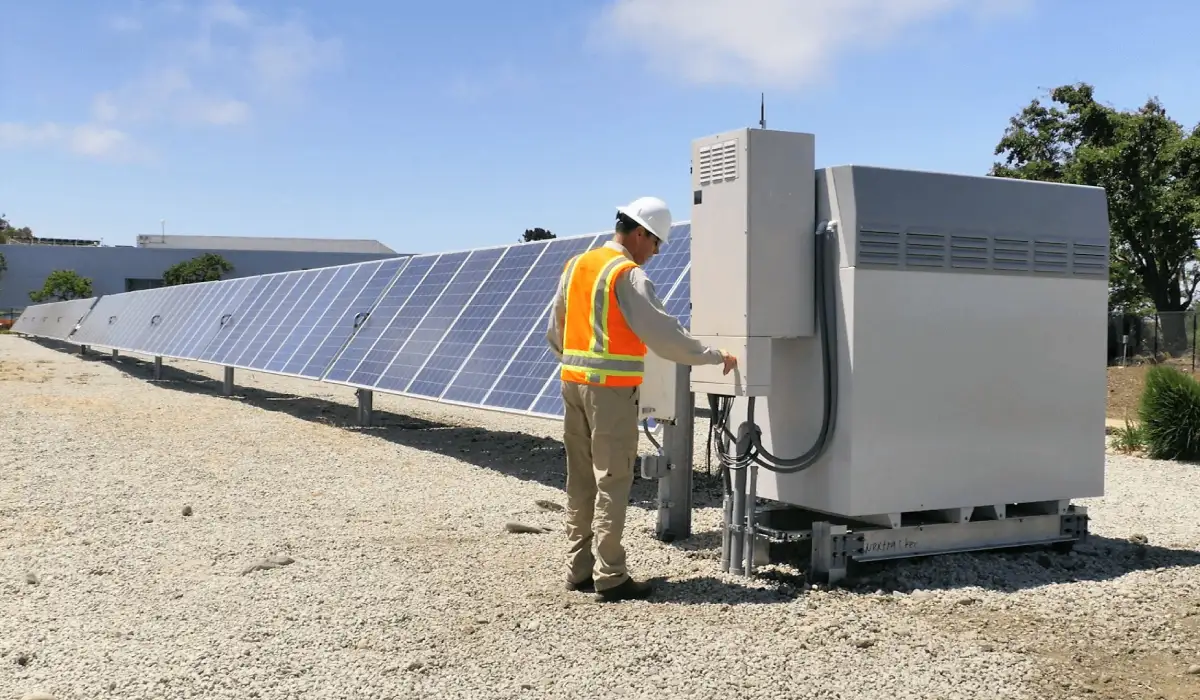
4️⃣ Inspect the inverter and wiring
The inverter is the brain of the system, and it runs hotter than a summer sidewalk. Make sure the ventilation space stays clear of debris. Check the connections for looseness or corrosion – a quick tighten with a screwdriver can prevent a costly shutdown.
Look for any exposed wires or cracked conduit. If you spot damage, seal it with UV‑resistant silicone and note the spot for a professional follow‑up.
5️⃣ Seal roof penetrations
Every bolt or mount point is a potential leak. Every year, especially after a monsoon season, walk the roof and run a finger around the sealant. If it feels dry or cracked, re‑apply a bead of roof‑compatible silicone.
It’s a small step, but preventing water intrusion saves you from expensive roof repairs and protects the panels’ lifespan.
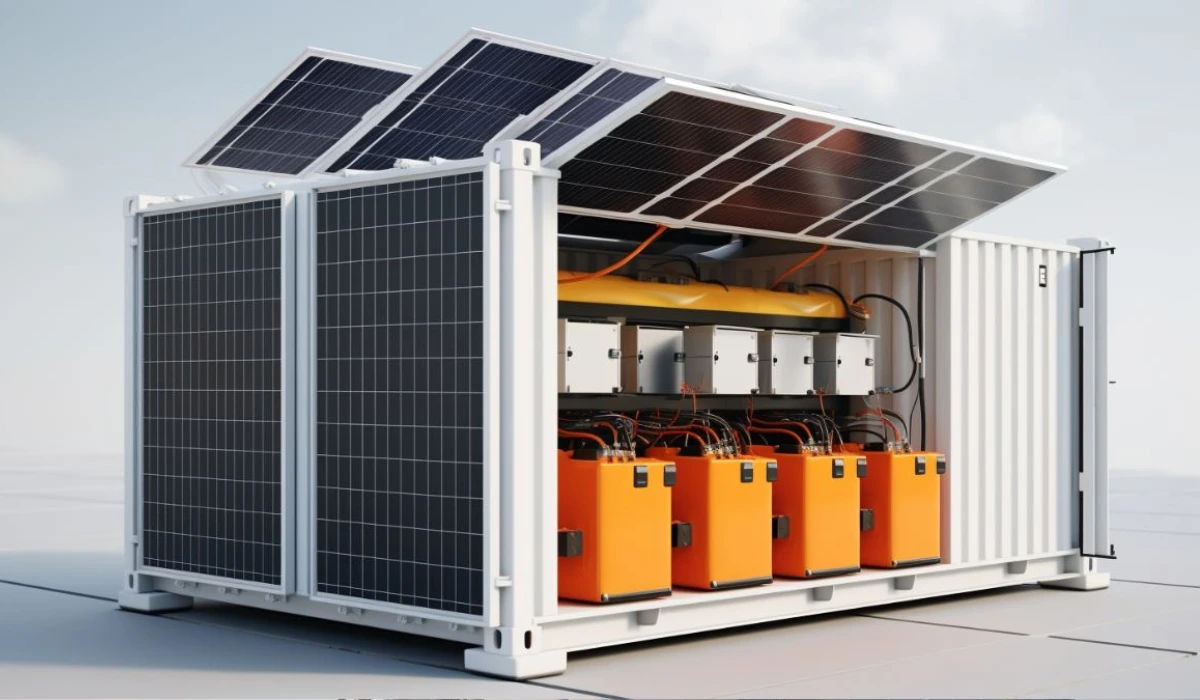
6️⃣ Battery care (if you have storage)
For homes with a solar battery, keep the temperature in the manufacturer’s sweet spot – usually between 20 °C and 30 °C. If the battery sits in a hot garage, consider a small ventilation fan.
Most modern batteries have built‑in management systems that alert you to capacity loss. Treat those alerts like a check engine light and schedule a check‑up.
7️⃣ DIY vs. professional check‑ups
While you can handle the visual stuff, a licensed technician should give the system a once‑a‑year deep dive. They’ll test voltage, verify grounding, and ensure the warranty stays intact. Think of it as an oil change for your solar – you can do the easy stuff, but the pro keeps the engine humming.
And here’s a quick decision tree: if you notice a performance drop, check panels, then inverter, then wiring. If nothing obvious shows up, call a pro.
8️⃣ Leverage financing options for maintenance
Some solar leases or Power Purchase Agreements include routine maintenance at no extra cost. If you own the system outright, ask your installer about a maintenance add‑on – it often pays for itself within the first few years of saved energy.
Learn more about solar leases and ownership options in this guide. Knowing whether you’re leasing or buying helps you plan who’s responsible for upkeep.
9️⃣ Take advantage of local assistance programs
In some states, low‑income solar programs cover not just installation but also ongoing maintenance for qualifying households. If you think you might qualify, check out the California Public Utilities Commission’s resources for eligible solar assistance. Even if you’re outside California, the model shows how utilities can help keep your system humming without extra out‑of‑pocket costs.
So, what’s the next move? Grab a bucket, a soft brush, and a calendar. Schedule those quick monthly checks, mark tree‑trim dates, and set a reminder for a yearly professional visit. By staying hands‑on, you’ll squeeze every possible dollar out of your affordable solar installation and watch those utility bills keep shrinking.
Conclusion
We’ve walked through everything you need to make an affordable solar installation feel like a no‑brainer.
From picking the right $/W panel, hunting down local rebates, sketching a sun map, comparing quotes, to DIY upkeep, each step cuts cost and boosts confidence.
Remember, a quick visual check every month—wipe dust, spot shadows, glance at the inverter—keeps your system humming and your bill shrinking.
If something looks off, the simple hierarchy we shared—panels first, then inverter, then wiring—lets you pinpoint the issue before calling a pro.
The biggest payoff comes from staying hands‑on: set a calendar reminder for quarterly clean‑ups, mark tree‑trim dates, and schedule an annual professional inspection.
Now that you’ve got the roadmap, the next move is simple—reach out to a trusted local installer, like Sean Whitmer, to lock in your quote and get that roof working for you.
Ready to turn sunshine into savings? Grab your phone, set that first reminder, and let affordable solar installation start paying for itself this year.
Got questions or want a free, no‑obligation assessment? Drop us a line and we’ll walk you through the exact numbers for your home, so you can feel confident before you sign. Let’s make solar easy and affordable together.
FAQ
What is an “affordable solar installation” and how do I know if it’s right for my home?
In plain terms, an affordable solar installation is a system that pays for itself within a reasonable time—usually under 9 years—without draining your cash flow. You start by calculating your current electric bill, then compare the projected annual savings after incentives. If the net cost after tax credits and rebates is less than the total amount you’d spend on electricity over the next eight to ten years, you’re looking at a truly affordable option.
How much can I expect to save on my monthly bill after going solar?
Most Arizona homeowners see a 60‑80 % drop in their utility bill once the system is up and running. The exact number depends on system size, orientation, and how much sun your roof catches. A typical 6 kW residential array can shave off $150‑$250 each month, especially when you pair it with time‑of‑use rates and a modest battery. Track your inverter’s daily production for the first few weeks to verify the savings.
What financing options make solar installation more affordable?
You’ve got three main paths: a low‑interest loan, a solar lease, or a power purchase agreement (PPA). A loan lets you own the system outright, so you capture every tax credit and can claim the depreciation. A lease or PPA requires little to no upfront cash, and you pay a fixed monthly fee that’s usually lower than your old bill. Compare the total cost‑per‑watt and the length of the agreement before deciding.
Are there any hidden costs I should watch out for?
Yes—soft costs can sneak in. Permits, interconnection fees, and any necessary upgrades to your electrical panel often appear as line‑item extras. They typically add 5‑10 % to the base price. Ask your installer for a detailed breakdown and verify that warranties cover both panels and inverter. If something looks like “miscellaneous,” request a clear explanation; it’s easier to negotiate before you sign.
How do incentives and tax credits affect the overall price?
The federal Solar Investment Tax Credit (ITC) still knocks about 30 % off the pre‑incentive price, and many Arizona municipalities offer rebates that range from $500 to $1,500. Combine those with any utility‑level net‑metering credits, and the effective cost per watt can drop below $2.00. Make sure you capture the ITC on your tax return—most installers will hand you the paperwork, but you’re the one who files it.
What maintenance is required to keep my solar system affordable?
Maintenance is mostly DIY. A quick visual check each month—wipe dust, trim any new shadows, and glance at the inverter’s display—keeps output high. Clean the panels with a hose and soft brush a few times a year, and inspect roof penetrations for sealant cracks after heavy rain. Schedule a professional inspection once a year to verify wiring and grounding; that small cost prevents expensive downtime later.
How long will my solar panels last, and does that impact affordability?
Most reputable panels come with a 25‑year performance warranty that guarantees about 80‑90 % of their original output at the end of that period. Since the system typically pays for itself within a decade, you’ll enjoy roughly a decade and a half of “free” electricity after the payback. That long lifespan is a key reason why a well‑chosen, affordable installation continues to add value to your home for decades.