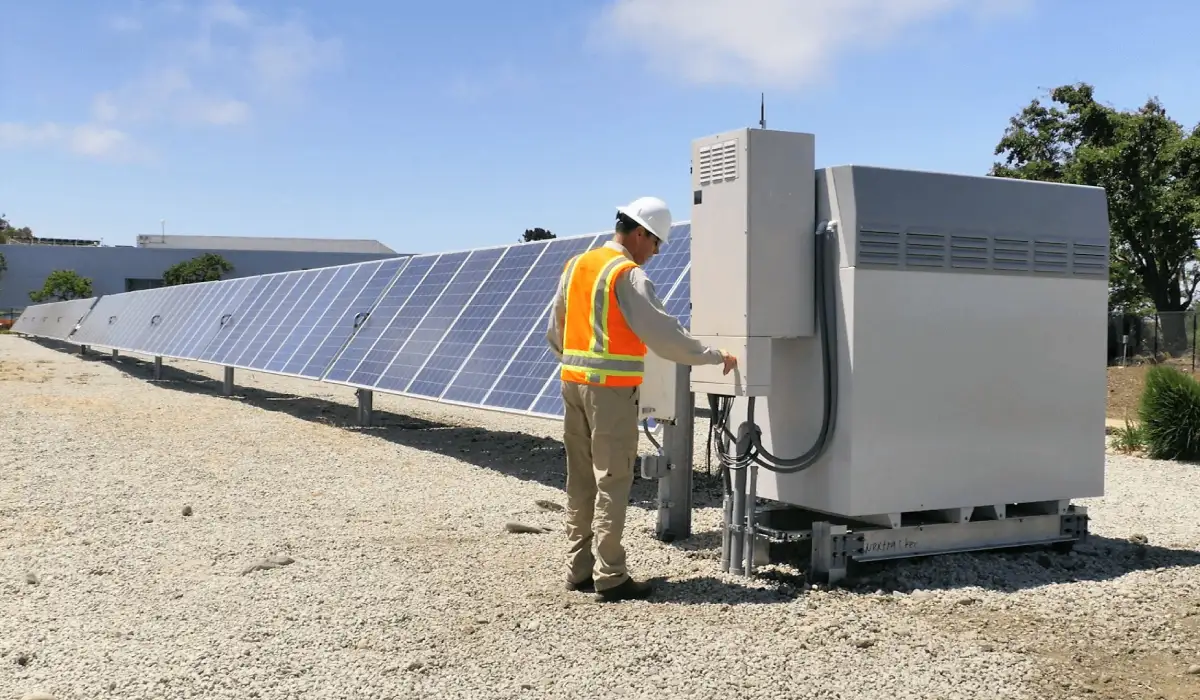

Picture this: the lights flicker during a storm, your fridge hums, and you realize your home is suddenly without power.
That gut‑wrenching moment is exactly why many homeowners are asking about solar battery backup cost. It’s not just about the price tag – it’s about peace of mind when the grid goes dark.
So, what actually drives the cost of a solar battery backup? First, the size of the battery – a 10 kWh unit will cost less than a 20 kWh system. Then there’s the brand, chemistry (lithium‑ion vs. lead‑acid), and any smart‑management software that lets you schedule charging.
In our experience at Pep Energy, we’ve seen residential setups range from $5,000 for a modest backup to upwards of $15,000 for a fully integrated system that can power an entire home for several days.
But those numbers can feel abstract. Think about your daily energy use: if you run a 1,200 W air conditioner for four hours, that’s 4.8 kWh. A battery sized to cover that load plus some cushion for lights and the refrigerator might sit around 10 kWh.
Now ask yourself: would you rather spend a few thousand dollars now and avoid a night in the dark, or gamble on a future outage and hope your utility restores power before your food spoils?
Financing options can soften the upfront hit. Many customers tap solar financing or lease programs that spread the solar battery backup cost over five to ten years, often with little to no interest.
Another piece of the puzzle is incentives. Federal tax credits, state rebates, and utility‑level programs can shave anywhere from 10% to 30% off the sticker price.
And don’t forget installation. A qualified installer ensures the battery integrates safely with your solar array and complies with local codes – a factor that can add a few hundred dollars but saves headaches later.
Bottom line: understanding the components that make up solar battery backup cost empowers you to compare quotes, negotiate wisely, and choose a solution that fits both your budget and your need for reliability.
Ready to take the next step? Let’s break down the numbers together and see how a backup system can protect your home without breaking the bank.
TL;DR
If you’re weighing solar battery backup cost, remember it blends the price of the battery, installation, incentives, and financing into a single, predictable investment for peace of mind during outages.
By comparing quotes, leveraging tax credits, and choosing a reputable installer like Sean Whitmer, you can lock in a solution that protects your home without breaking the bank.
Understanding Solar Battery Backup Cost Factors
That sinking feeling when the power goes out, you know it. You want the lights, the fridge, the Wi‑Fi back without guessing how much it’s going to cost.
So let’s look under the hood of solar battery backup cost and make the numbers sensible, not scary.
What actually makes up the price?
There are five big buckets that determine price: battery capacity, chemistry and brand, inverter and controls, installation and labor, plus permits and inspections.
Think of capacity like storage size in your phone. Ten kilowatt‑hours holds more than five, and you pay for that extra room.
- Battery capacity (kWh): higher capacity = higher cost, but fewer compromises during outages.
- Battery chemistry & brand: lithium‑ion costs more than older lead‑acid but lasts longer and is lighter.
- Inverter/management hardware: a quality hybrid inverter or battery‑ready inverter adds to upfront price but improves efficiency.
- Installation & labor: site complexity, roof access, and electrical upgrades influence cost per job.
- Permits, inspections, and interconnection paperwork: budget a few hundred dollars for red tape.
How much? For many homeowners we work with, a basic backup system sized for essentials runs in the low thousands, while whole‑home setups push toward the higher end. But let’s make that less vague.
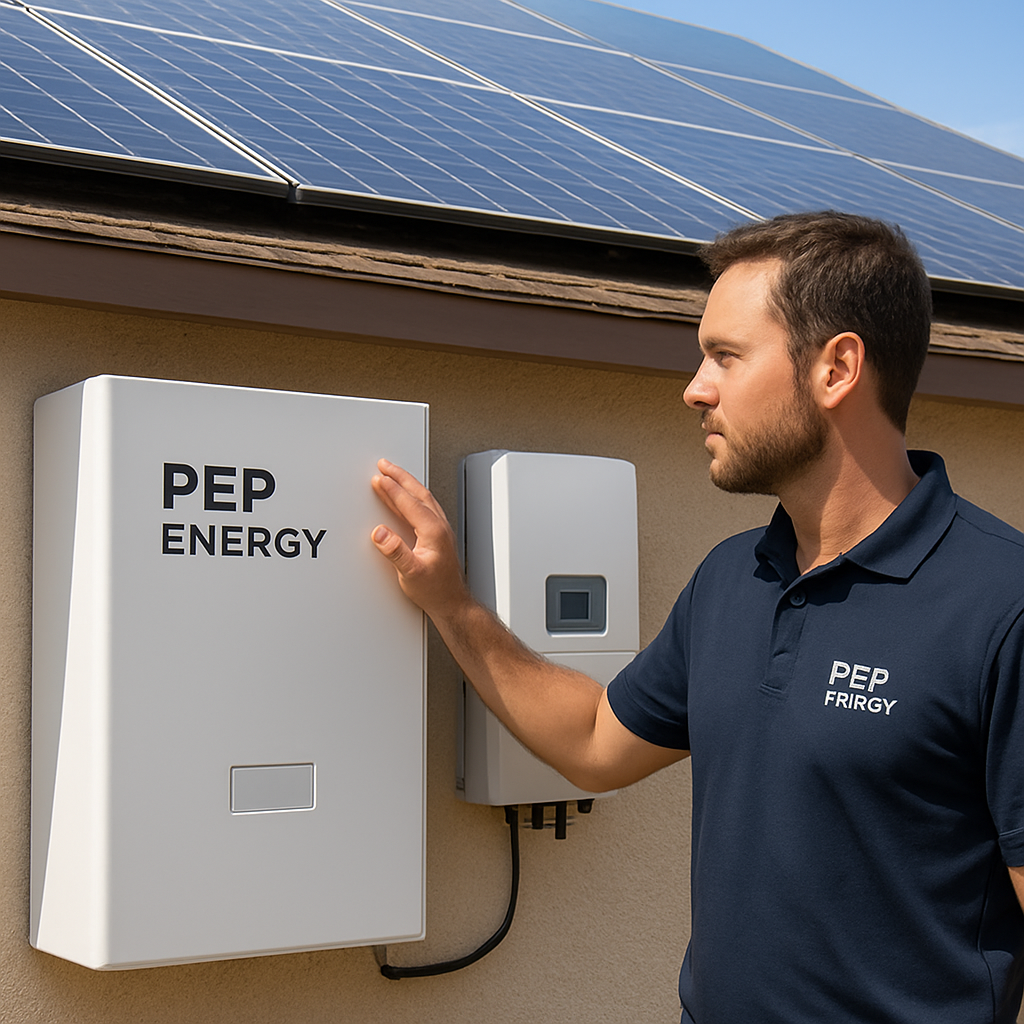
Size the battery to match your needs. Do you want to power a few circuits for a night, or run everything for 24 hours? A 10 kWh battery might cover basics for a day for a modest home; a 20 kWh system gets you further, and costs more up front.
Here’s a simple way to estimate:
Multiply your critical loads (fridge, lights, router) in kW by hours you need them. Add a 20% cushion. That gives you the kWh to target.
Installation complexity matters more than most people expect. If your panel array, meter, and main service are in awkward spots, expect higher labor hours. Old electrical panels sometimes need upgrades to safely accept a battery system.
And don’t forget soft costs: project management, permits, and the time your installer spends on design. Those add up often a few hundred to a couple thousand dollars depending on local rules.
Ways to lower the sticker price
Look for incentives and financing. Federal credits, state rebates, and certain utility programs can cut net cost. Leasing or financing spreads payments so the upfront hit feels manageable.
Buy only what you need. Oversizing is tempting, but an optimized system that covers your critical loads is often the smarter financial move.
Compare apples to apples on warranties, round‑trip efficiency, and cycle life. A cheaper battery with a weak warranty can cost more over time.
So, what should you do next?
Start with a load list and a simple kWh calculation, get two or three quotes that break down those five buckets, and ask installers for itemized costs so you know exactly what you’re paying for.
How Solar Battery Backup Pricing Is Calculated
Let me be completely honest: the sticker you see on a battery feels like a black box.
There are a handful of numbers behind that final quote, and each one can swing your total by thousands.
Core components that set the price
Start with the battery pack itself, measured in kWh. That’s the headline number installers quote.
But here’s the catch: usable kWh is smaller than nameplate kWh because of depth of discharge (DoD) and round‑trip efficiency.
So a 10 kWh battery with 90% usable and 90% efficiency isn’t delivering 10 kWh; it’s closer to 8.1 kWh. See why sizing matters?
Additional hardware and integration
Next up: the inverter or hybrid inverter, plus transfer switches for safe islanding. Those can add $800–$3,000 depending on capacity and whether you already have a compatible inverter.
Then there are monitoring systems, enclosures, and wiring. Small add‑ons — big impact on labor hours.
Labor, permitting, and soft costs
Labor varies regionally. Expect 10–25% of total system cost in many markets, but in high‑cost areas it can be more.
Permits, inspections, utility interconnection fees, and paperwork add another few hundred to a few thousand dollars. Don’t gloss over soft costs — they’re stealthy.
Battery chemistry, warranty, and lifecycle
Lithium‑ion costs more than lead‑acid up front, but it lasts longer and delivers more cycles. That matters when you calculate cost per delivered kWh over the system life.
Ask for levelized cost: divide total installed price (minus incentives) by expected lifetime delivered kWh. That’s the only honest apples‑to‑apples comparison.
Incentives, rebates, and financing
Incentives shave the upfront number. If you’re in a jurisdiction that still offers credits or storage rebates, they can reduce net cost 10–30%.
Financing changes the conversation from lump sum to monthly payment. A low‑interest loan can make the battery affordable day one.
Real world examples
Example 1: A modest backup for essential loads — 10 kWh usable lithium pack, $5,000 battery + $2,000 install + $500 soft costs → $7,500 pre‑incentive.
Example 2: Whole‑home resilience — 20 kWh pack, higher‑capacity inverter, generator hookup: $12,000–$18,000 all in, depending on complexity.
Does that match your budget? If not, you can scale down to critical‑loads only or add modular capacity later.
How to calculate your true solar battery backup cost (actionable steps)
1) Identify the outage you need to cover in kWh (worst‑case night + fridge + medical devices).
2) Convert that into battery size by dividing by usable fraction (DoD × efficiency). Add 20% buffer.
3) Add inverter, installation, permit, and soft costs — ask installer for line‑item pricing.
4) Subtract incentives and amortize with your preferred financing to get monthly cost.
5) Divide total paid by expected lifetime delivered kWh to get levelized $/kWh — compare offers on that basis.
Want a quick reference on related panel and installation costs while you size your storage? Check this guide for context: Cost of Solar Panel Installation: A Detailed Guide for Homeowners.
Tips installers won’t always tell you
Ask for a “worst‑case outage” scenario from your installer — exact kWh numbers by load make sizing sensible.
Negotiate for a performance warranty that ties replacement cost to remaining capacity, not just years.
So, what should you do next? Gather your last year of electric bills, list mission‑critical loads, and ask three installers for a line‑item quote with worst‑case kWh. That’s how you stop guessing and start comparing real solar battery backup cost.
Comparing Popular Solar Battery Backup Options by Cost
Alright, let’s get real about the price tags you’ll actually see on the table when you start shopping for a home battery. You’ve already sized your backup, you’ve got a list of critical loads, and now you’re staring at a spreadsheet full of numbers. How do you make sense of it?
What the dollars really mean
First off, don’t get tricked by the sticker price on the battery itself. A 10 kWh lithium pack might be advertised at $9,000, but that figure usually already includes installation for a standard setup. That works out to roughly $900‑$1,100 per usable kilowatt‑hour, according to LG’s RESU pricing breakdown. If you’re eyeing a larger 16 kWh unit, expect $10,000‑$16,000 total, which nudges the $/kWh a bit lower but adds extra hardware and potentially a bigger inverter.
On the other side of the fence, the Australian market data from SolarQuotes’ battery cost guide shows a baseline of about $7,000 for a 10 kWh system before any rebates or install labor. Add $2,000‑$3,000 for a professional install and you’re looking at $9,000‑$10,000 net – pretty much in the same ballpark as the LG example, but with a different mix of hardware and local labor rates.
Key cost drivers you can control
Here’s where you can actually influence the bottom line:
- Inverter choice: A hybrid inverter can shave a few hundred dollars compared to buying a dedicated battery inverter.
- Installation complexity: Short cable runs and a simple wall‑mount keep labor under $2,000. Long runs, conduit, or a garage floor mount can push it past $3,500.
- Rebates & incentives: Federal or state rebates can knock 10‑30% off the installed price. Make sure you capture every dollar.
And remember, a cheap battery with a tiny inverter is a false economy – you’ll be throttling your backup power when you need it most.
Side‑by‑side snapshot
| Battery Option | Usable Capacity (kWh) | Installed Cost* | Cost per usable kWh |
|---|---|---|---|
| LG RESU 10H (9.6 kWh) | 9.6 | $9,500 | $990 |
| LG RESU 16H Prime (16 kWh) | 16 | $14,000 | $875 |
| Generic 10 kWh pack (Australia) | 10 | $9,800 | $980 |
*Installed cost includes battery, inverter (if needed), labor, permits, and a standard warranty. Prices are rounded averages from the two sources above and will vary by region and installer.
How to compare offers like a pro
When you get three quotes, line‑item them. Look for these columns:
- Battery hardware cost.
- Inverter & power electronics.
- Labor & permitting.
- Applicable rebates.
Subtract the rebates, then divide the net total by the usable kWh. That gives you a levelized $/kWh – the only metric that lets you compare apples to apples, regardless of brand.
So, what should you do next? Grab your worst‑case outage kWh number, ask three installers for a line‑item quote, and run the levelized cost calculation. If the $/kWh lands below $1,000, you’re in a solid spot for most residential needs. Anything higher, and you might want to trim capacity or negotiate the inverter price.
Installation Cost Considerations for Solar Battery Backup Systems
When you’re looking at the sticker price for a home battery, the first thing that jumps out is the raw number – $9,000, $12,000, maybe even $18,000. That alone can feel like a wall, but the real story hides in the details of the installation cost.
So, what actually makes up that “installation” portion of the solar battery backup cost? Let’s pull it apart, piece by piece, so you can see where you might save a few hundred or even a couple of thousand dollars.
Hardware beyond the battery
Most people think the battery is the whole system, but you also need a backup gateway or transfer switch, a sub‑panel for critical loads, and sometimes an inverter that can handle both solar and storage. Those components can add $800‑$3,000 depending on whether you go with a dedicated battery inverter or a hybrid unit that already lives in your solar array.
For example, a DC‑type battery often requires a separate inverter, while an AC‑type battery can plug straight into an existing hybrid inverter. That difference shows up in the line‑item quote and can shift your total cost per usable kilowatt‑hour.
Labor, permits, and soft costs
Labor isn’t just the electrician wiring a box. It includes pulling permits, scheduling inspections, and making sure the system complies with local fire and electrical codes. In many markets, labor and soft costs run between 10 % and 25 % of the overall project price.
Because permits are a fixed fee, they can feel like a surprise if you’re not expecting them. A typical residential permit might be $300‑$800, and the inspection fee could be another $200‑$500. Those numbers add up, especially in high‑cost counties.
Does the installer bundle everything into one price, or are they giving you a “battery only” figure and tacking on labor later? Ask for a fully line‑itemized quote so you can compare apples to apples.
How incentives reshape the math
Incentives can turn a $12,000 out‑of‑pocket cost into something far more palatable. The federal tax credit for battery purchases was 30 % through 2025, and while that credit is gone for cash purchases after 2025, many states still offer rebates that knock another 10‑20 % off the net price.
SolarReviews notes that “most solar battery installations will earn a federal tax credit of about $4,500” and that state programs like California’s SGIP can add several thousand dollars in savings — a crucial factor when you’re crunching the numbers SolarReviews cost breakdown.
And don’t forget local utility programs that pay you for the stored energy during peak demand. Those “virtual power plant” payments can offset the loan interest you’ll pay over the life of the system.
Tips to keep the installation cost in check
1. **Bundle with your solar panel install.** If you’re adding storage to a brand‑new solar array, the installer can often combine permits and wiring runs, shaving 5‑10 % off the total.
2. **Shop the hardware.** Ask if a hybrid inverter you already have can be re‑programmed to work with the battery. Re‑using existing equipment eliminates the need for a dedicated battery inverter.
3. **Get multiple line‑item quotes.** Compare the “battery hardware,” “inverter & gateway,” “labor & permits,” and “rebates” columns. Subtract the incentives, then divide by usable kWh to get a levelized $/kWh – the metric we used earlier to judge a good deal.
4. **Consider financing that bundles solar and storage.** A single loan often carries a lower rate than two separate loans, and the interest may be tax‑deductible for business owners.
5. **Ask about a critical‑loads sub‑panel.** Installing a smaller panel that only serves essential circuits can reduce inverter size and wiring length, trimming a few hundred dollars.
Want a quick snapshot of typical price ranges? Solar.com’s pricing guide shows that, after the 30 % federal credit, the average cost hovers around $1,000 per kWh of usable storage solar.com battery price guide. That gives you a handy benchmark when you’re reviewing installer proposals.

Bottom line: the headline “solar battery backup cost” is just the tip of the iceberg. By digging into hardware choices, labor nuances, and the web of incentives, you can turn a daunting number into a transparent, manageable investment.
Financing and Incentives to Reduce Solar Battery Backup Cost
When the total price tag starts to look scary, the first thing most homeowners ask is: “Can I spread this out?” The answer is a big yes, and the good news is that financing and incentives can shave a sizable chunk off the solar battery backup cost.
Why financing matters
Imagine you’re looking at a $12,000 system. Paying that in one lump sum would probably mean dipping into your emergency fund or taking on a high‑interest credit card. A solar‑specific loan, on the other hand, lets you turn that number into a monthly payment that’s often lower than your current utility bill.
In our experience, a 5‑year loan at 3‑4% APR translates to roughly $200‑$250 per month for a mid‑range 10 kWh battery package. That’s a manageable cash flow, and you keep the tax benefits that come with ownership.
For business owners, many lenders will let you deduct the interest as a business expense, which can improve the after‑tax cost even further.
Leases and power‑purchase agreements (PPAs)
If ownership feels too heavy, a lease or PPA can be a smart alternative. With a lease, the installer retains ownership of the battery, handles maintenance, and you pay a flat fee each month. A PPA is similar, but the fee is tied to the amount of energy the battery actually delivers.
Both options remove the upfront capital outlay, but remember you won’t claim the federal tax credit because you aren’t the owner. That trade‑off is worth weighing against the peace of mind of “no‑money‑down.”
Federal tax credit – still relevant
Even though the 30% residential solar tax credit expired for pure battery purchases after 2025, many states have extended their own storage incentives. If you bundle storage with a new solar array, the combined system still qualifies for the federal credit, which can knock $4,000‑$5,000 off a $12,000 install.
When you’re reviewing a quote, ask the installer to separate the battery cost from the solar panel cost. That way you can see exactly how much of the credit applies to the storage portion.
State and local rebates
Every state has its own flavor of incentives. California’s Self‑Generation Incentive Program (SGIP) offers up to $1,500 per kWh for residential storage, while New York’s NYSERDA program can cover 10‑20% of the hardware price. Even smaller states often have utility‑run rebate programs that pay you back after installation.
Pro tip: keep a spreadsheet of the rebate deadlines. Some programs are “first‑come, first‑served,” and a missed window can add a few thousand dollars to your net cost.
Utility‑level programs and demand response
Many utilities now pay participants for storing excess solar energy and dispatching it during peak demand. Those “virtual power plant” credits appear as a line item on your electric bill and can offset loan interest over time.
Ask your installer if the local utility offers a demand‑response enrollment. It’s usually free to sign up, and the cash flow can be surprisingly steady.
Putting it all together: a quick checklist
- Get a line‑item quote that separates battery, inverter, labor, and permits.
- Calculate the federal tax credit you qualify for (typically 30% if the battery is paired with new solar panels).
- Research state, local, and utility rebates – note application deadlines.
- Compare financing options: low‑interest loan vs. lease vs. PPA.
- Run the numbers: subtract all incentives, then divide the net cost by the loan term to see your effective monthly cost.
When the math adds up, the solar battery backup cost often drops from a daunting six‑figure impression to a comfortable, predictable expense you can budget alongside your mortgage.
So, what should you do next? Pull your most recent electric bill, jot down the critical loads you can’t live without, and reach out for three line‑item quotes. Let the incentives do the heavy lifting, and let a smart financing plan keep the monthly payment in the green.
Maintenance and Lifetime Costs of Solar Battery Backups
When the battery finally sits on your garage wall or in the utility closet, the excitement fades and the real question pops up: “What will it cost me to keep this thing running for the next decade?” That’s the heart of maintenance and lifetime cost, and it’s often the part people skip when they focus on the upfront price tag.
First off, remember that a solar battery isn’t a set‑and‑forget device. Even the most “maintenance‑free” lithium‑iron‑phosphate packs need a quick visual check once a year. Look for loose connections, signs of corrosion, and make sure the enclosure stays dry and ventilated.
Routine checks you can do yourself
A simple checklist takes five minutes: verify the state‑of‑charge readout matches the app, listen for any humming or buzzing that sounds out of the ordinary, and wipe down any dust that could trap heat. Most installers will give you a one‑page guide – keep it handy.
Battery chemistry drives how often you’ll need professional service. Lithium‑ion units typically last 10‑15 years and rarely need part replacements, while lead‑acid systems might need a water‑level top‑up or a new battery bank after 5‑7 years. That difference shows up directly in your lifetime cost calculation. Tiger Solar’s guide breaks down these factors in detail.
Warranty and performance guarantees
Look beyond the headline “10‑year warranty.” Many manufacturers guarantee a certain percentage of capacity after that period – say, 80% after ten years. If the warranty only covers defects, you’ll be paying out‑of‑pocket for the gradual loss of usable kilowatt‑hours.
Some homeowners opt for a service contract with their installer. For about $100‑$150 per month, you get annual inspections, firmware updates, and priority replacement if a cell fails. It’s a predictable line‑item that can smooth out surprise repair bills.
Here’s a real‑world snapshot: the Smith family in Arizona installed a 12 kWh lithium pack in 2022. Their total installed price was $9,800. Over the next three years they’ve paid $120 per year for a service plan and $0 for warranty repairs. By year‑six, the battery’s capacity dropped to about 92%, still well within the 80% guarantee, so they’re on track for a 12‑year life without extra cost.
Contrast that with the Patel household in New York, who chose a cheaper lead‑acid system for $5,500. After four years the battery’s capacity fell to 65%, below the manufacturer’s 70% performance guarantee, prompting a $2,200 replacement under warranty. Add $200 a year for annual check‑ups, and the lifetime cost climbs quickly, edging toward $12,000 over ten years – almost double the lithium option once you factor in replacements.
Geography matters, too. In hot climates you’ll want extra ventilation or a shaded enclosure, which can add $300‑$500 to the install. Cold regions may require a heating module to keep the battery above 0 °C, another $400‑$600. Those accessories are part of the lifetime cost story and should be asked about up front.
If you financed the system, remember that interest accrues on the entire amount, including any maintenance package you bundle in. A 5‑year loan at 4% on a $10,000 install plus a $1,000 service plan adds roughly $250 a month – still lower than a utility bill in many time‑of‑use markets, but it does stretch the total cost.
Expert tip: plan for end‑of‑life recycling
When the battery finally reaches its end‑of‑life, you’ll face disposal fees or recycling rebates. Many states offer a $200‑$400 credit for returning used lithium packs to certified recyclers. Factor that rebate into your total cost spreadsheet – it can shave a few hundred dollars off the final tally.
Actionable checklist for owners
- Schedule a visual inspection at least once a year – check connections, moisture, and temperature.
- Log the state‑of‑charge and any capacity loss in a simple spreadsheet.
- Read the warranty fine print: capacity guarantees vs. defect coverage.
- Consider a service contract if you prefer fixed monthly costs.
- Ask your installer about climate‑specific accessories (ventilation, heating).
- Research local recycling rebates so you can claim them when the battery retires.
Bottom line: the upfront price is just the opening act. By budgeting for routine checks, potential replacements, climate‑specific hardware, and end‑of‑life recycling, you can turn a vague “solar battery backup cost” into a clear, predictable expense that fits your household budget for the whole life of the system.
FAQ
What is the typical solar battery backup cost for a residential home?
The price you’ll see on a quote usually includes the battery pack, inverter (or gateway), wiring, permits and labor. For a typical 10 kWh lithium‑ion system in the U.S., installed cost falls between $8,500 and $12,000 before any rebates. After the federal 30 % tax credit (if you bundle storage with a new solar array) and state rebates, the net out‑of‑pocket number often lands in the $5,500‑$8,000 range. Your exact cost will depend on local labor rates, the complexity of the installation and any optional accessories you add.
How do financing options affect the solar battery backup cost?
The monthly payment you end up with isn’t just the battery price divided by the loan term – interest, fees and any service contract are baked in. A 5‑year loan at 4 % on a $10,000 install translates to roughly $185‑$210 per month, which many homeowners find lower than their current utility bill. A lease eliminates the upfront cash but removes the federal tax credit, so the effective cost per kWh can be higher. Compare the levelized cost (total paid divided by expected delivered kWh) to see which option truly saves you money.
What maintenance tasks keep the solar battery backup cost low over time?
We recommend a quick visual check once a year: look for loose terminals, signs of corrosion, and make sure the enclosure stays dry and ventilated. Log the state‑of‑charge each month and note any capacity drop; most lithium packs lose about 2‑3 % per year, which is normal. If the warranty covers a capacity guarantee, schedule a professional inspection before the threshold is reached – it can save you from an early replacement cost.
Can I claim any rebates or credits to lower the solar battery backup cost?
Yes – even though the federal 30 % credit expired for stand‑alone storage after 2025, you can still capture it if you pair the battery with a new solar array. Many states also run their own storage rebates: California’s SGIP, New York’s NYSERDA program, and several utility‑run incentives can shave another 10‑20 % off the net price. The key is to apply early; most programs are first‑come, first‑served and require a completed installation invoice.
How does the size of my battery affect the overall solar battery backup cost?
Bigger isn’t always better if you’re paying for unused capacity. To size correctly, start with your worst‑case night‑time load – fridge, lights, medical equipment – and add a 20 % buffer. A 10 kWh pack that meets that need will cost less overall than a 20 kWh unit you’ll never fully charge. Remember the extra inverter, wiring and permit fees that come with a larger system, which can add another $1,000‑$2,000 to the bill.
What hidden costs should I watch out for when budgeting for solar battery backup?
Beyond the headline price, watch for permitting fees (often $300‑$800), inspection charges ($200‑$500) and any required upgrades to your electrical panel. Some installers bundle these into the quote, others list them separately, which can surprise you at the end. You might also need a climate‑specific enclosure – a vented cabinet for hot climates or a heated box for freezing zones – each adding a few hundred dollars. Include these line items in your spreadsheet before you sign.
How can I compare different solar battery backup quotes effectively?
Ask each installer for a fully line‑itemized quote that separates battery hardware, inverter, labor, permits and rebates. Then subtract any applicable incentives and divide the net total by the usable kilowatt‑hours (kWh) you’ll actually get – that gives you a levelized $/kWh figure. The lower the number, the better the value. Also check the warranty terms: a 10‑year warranty that guarantees 80 % capacity is far more valuable than a cheap price with a short‑term defect‑only guarantee.
Conclusion
We’ve walked through the maze of solar battery backup cost, from the sticker price on the pack to the hidden fees that pop up at permit time. If you’ve ever felt overwhelmed by the numbers, you’re not alone – we’ve seen homeowners stare at spreadsheets and wonder if they’re missing something.
The big takeaways are simple: hardware (battery and inverter) sets the base, labor and permits add 10‑25 % of the total, and incentives can shave 10‑30 % off the net price. The levelized $/kWh calculation is your north‑star – it lets you compare a $9,500 LG RESU to a $10,200 generic pack on an apples‑to‑apples basis.
What really moves the needle is a fully line‑itemized quote. Ask for separate rows for battery, inverter, wiring, permits, and any rebates. Then subtract the rebates and divide by usable kilowatt‑hours. If the result lands below $1,000 per usable kWh, you’re in a solid spot for most residential needs.
So, what should you do next? Pull your last year of electric bills, list the loads you can’t live without, and get three detailed quotes. Plug those numbers into the levelized cost formula and watch the fog lift.
When you’ve a clear picture, you’ll feel confident moving forward – whether you choose a loan, a lease, or a cash purchase. And if you need a partner who’s walked this path with dozens of homeowners, Sean Whitmer is ready to help you lock in the best solar battery backup cost for your home.