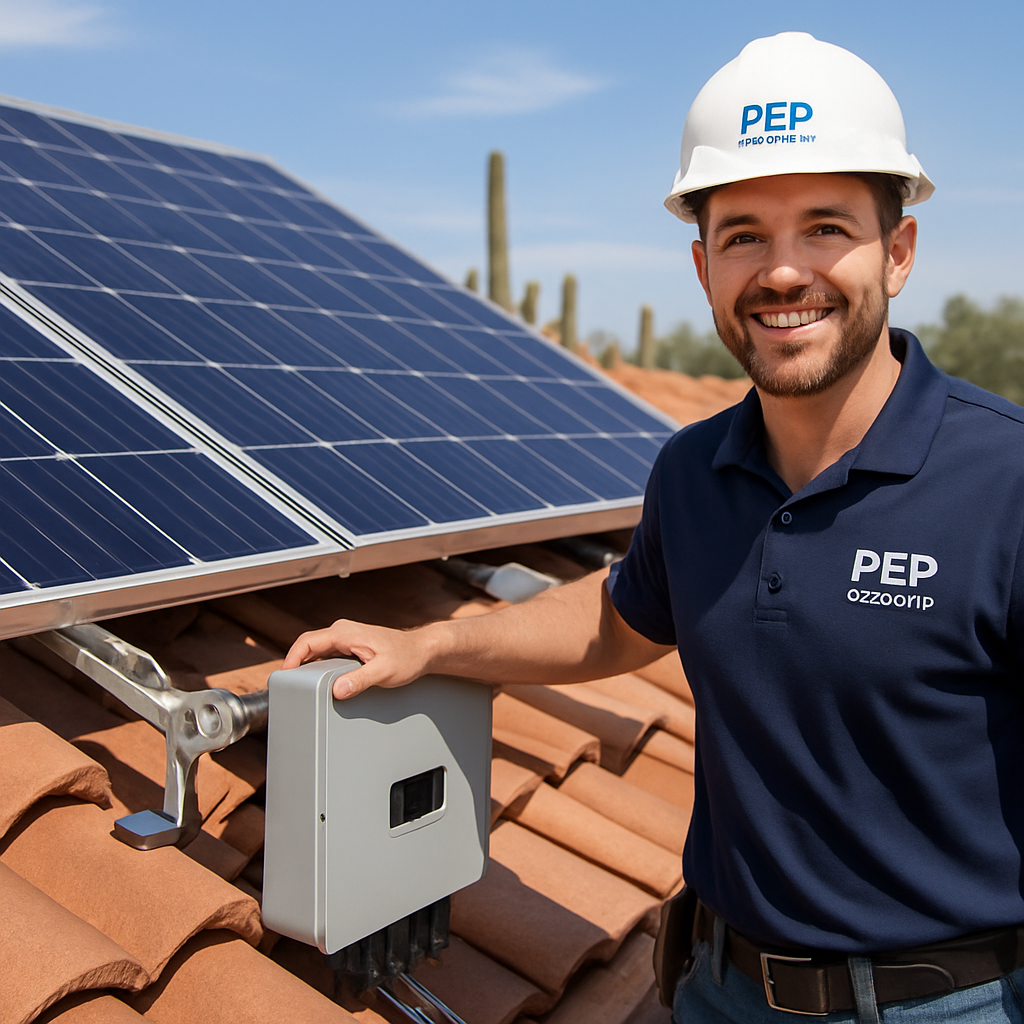
Ever stared at your electricity bill and felt that knot in your stomach, wondering if there’s a smarter way to power your home?
You’re not alone. Homeowners and business owners across Arizona are wrestling with rising rates, and the promise of solar feels both exciting and overwhelming. The biggest hurdle? Knowing which installer actually delivers on the hype and doesn’t disappear after the panels are up.
In our experience, the “best solar installer” isn’t just the one with the lowest upfront price. It’s the company that blends transparent pricing, solid warranties, and responsive service. That’s why we’ve compiled 7 Essential Facts Every Homeowner Should Know about Solar Installers – a quick cheat sheet you can print and bring to every consultation.
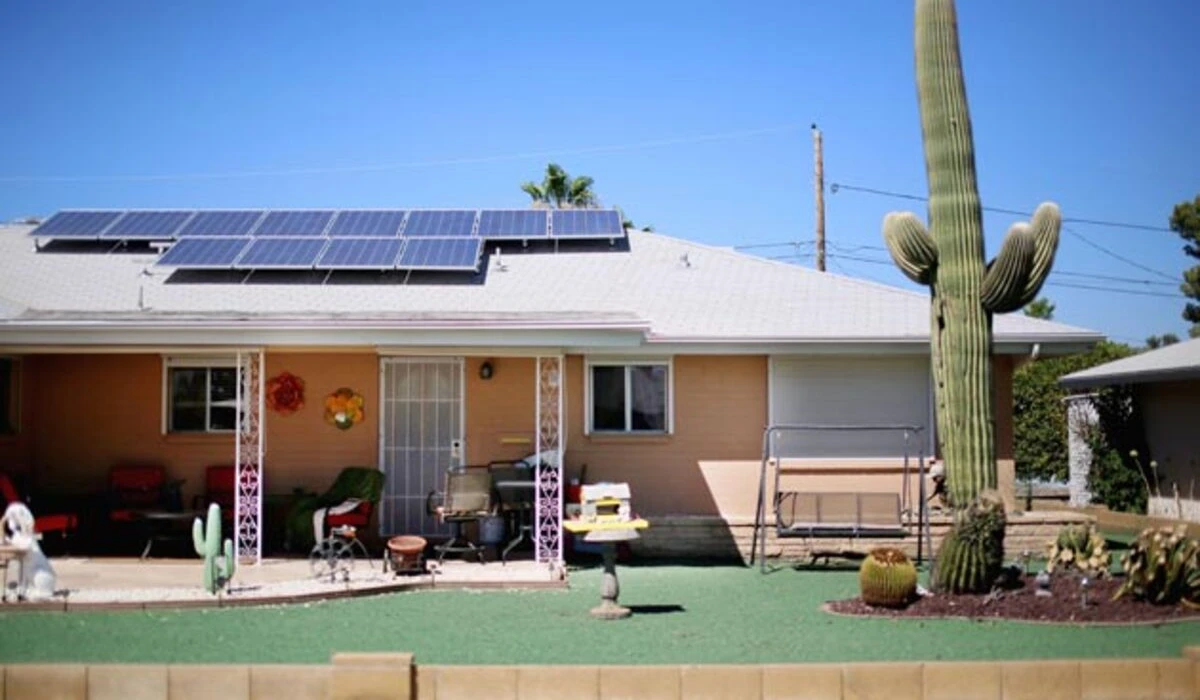
Picture this: a family in Tempe decides to go solar. They get three quotes, but the cheapest one offers a vague “lifetime warranty” with no details. The mid‑range option breaks down costs line‑by‑line, shows a 25‑year performance guarantee, and promises a 48‑hour response time for service calls. After installation, the panels under‑perform, and the first company is silent. The second company sends a technician the next day, runs a diagnostic, and adjusts the inverter at no extra charge. That difference? The installer’s commitment to clarity and after‑care.
So, how do you spot that commitment before signing a contract? Here are three actionable steps you can take right now:
- Write down three non‑negotiable questions: total installed cost broken down, warranty length and transferability, and average response time for service calls.
- Ask for a written performance guarantee that specifies expected output (kWh) and how shortfalls are compensated.
- Check the installer’s track record with local references – a reputable installer will gladly connect you with recent customers.
Another real‑world example: a small business in Mesa needed a solar‑plus‑storage solution to avoid outages. By choosing an installer who offered a bundled battery lease and clear ROI calculations, the owner cut peak‑hour electricity costs by 45% within the first year. That kind of result comes from asking the right questions and trusting data, not marketing hype.
Finally, remember that the “best” isn’t a one‑size‑fits‑all label. It’s the installer who aligns with your budget, timeline, and long‑term energy goals. Keep these checkpoints handy, and you’ll feel confident walking into any solar consultation.
TL;DR
Choosing the best solar installer means demanding clear pricing, solid warranties, fast response times, and accountable after‑care service. Ask the three key questions, verify performance guarantees, check local references, and compare real‑world ROI examples before you sign, so you avoid silent panels and enjoy reliable, hassle‑free energy for years today.
1. Pep Energy – Why It Stands Out
When you’re scrolling through endless quotes, you start wondering: “What actually makes a solar installer the best?” The short answer is simple – it’s the things you can’t see on a sales sheet. It’s the day‑to‑day support, the tiny details that keep your system humming for decades.
Here’s how Pep Energy separates itself from the pack, broken down into bite‑size points you can actually check off.
1. Local, Arizona‑Specific Know‑How
We’ve been installing panels across Phoenix, Mesa, and the surrounding suburbs for years, so we get the dust‑storm, heat‑spike, and monsoon challenges better than anyone who’s only read a textbook. That means our mounting hardware is selected to survive 110 °F summers, and our maintenance schedule is timed around the seasonal dust build‑up that can shave 5‑10% off your output if ignored.
Real‑world example: a Tempe family noticed a 7% dip in production after a July monsoon. Our team did a quick site visit, cleared debris, and tightened a loose bolt on the racking. Within a week their system was back to full output.
2. Transparent, Line‑by‑Line Pricing
We hand you a spreadsheet that shows every cost – panels, inverters, permits, labor, even the travel fee for our service truck. No hidden “admin fees” that appear months later.
Actionable tip: ask your installer for a PDF breakdown and compare it side‑by‑side with at least two other quotes. If a number looks vague, ask for the exact line item.
3. Performance Guarantees That Mean Something
Most installers promise a 25‑year warranty on panels, but Pep Energy adds a production guarantee: we commit to at least 90% of the estimated yearly kWh for the first ten years, or we’ll credit you for the shortfall.
Think about it this way – you’re not just buying hardware; you’re buying peace of mind that your investment will actually pay off.
4. Fast, 48‑Hour Service Response
When a panel or inverter goes dark, you don’t have time to wait weeks. Our average response time is under 48 hours, and we prioritize any issue that triggers a production drop.
Story time: a Mesa bakery relied on solar to run its ovens during peak‑hour rates. The inverter tripped at 2 pm. Our technician was on the roof by 4 pm, replaced the unit, and the bakery was back to full power before the evening rush.
5. Ongoing Maintenance Plans
Even the best panels need a little love. Our maintenance package includes bi‑annual cleaning, inverter health checks, and a performance report you can share with lenders or future buyers.
For a deeper dive on why regular maintenance matters, see this guide from Arizona’s top solar panel maintenance experts. They point out that without cleaning, panels can lose up to 10% efficiency in dusty regions.
We also handle warranty claims for you – you won’t spend hours on the phone with manufacturers.
6. Battery Integration Made Simple
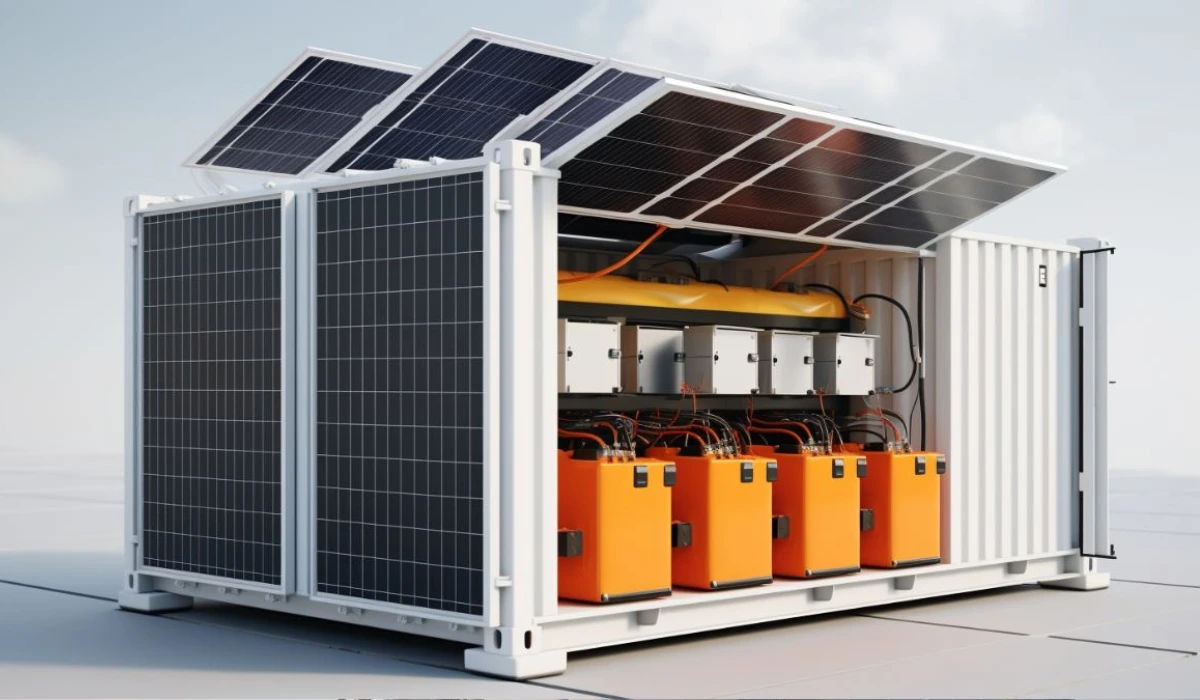
If you’re a homeowner who wants backup power for the occasional outage, we design a battery‑plus‑solar system that talks to your existing inverter. Our financing options let you spread the cost over 10 years, turning a large upfront expense into a manageable monthly payment.
Tip: ask for a “day‑of‑use” analysis. We’ll show you how much of your peak‑hour load could be shifted to stored solar, often cutting your bill by 30‑40%.
7. Financing & Lease Flexibility
Whether you prefer a cash purchase, a low‑interest loan, or a solar lease, we have a menu of options. Our lease program includes a performance clause – if the system under‑delivers, we adjust your monthly payment.
Action step: run a quick ROI calculator (you can find many online) and compare the net present value of buying vs. leasing. The numbers usually surprise people.
So, what should you do next?
Start by writing down three non‑negotiable questions: total cost breakdown, performance guarantee specifics, and average service response time. Then, call Pep Energy and ask us to walk you through each answer.
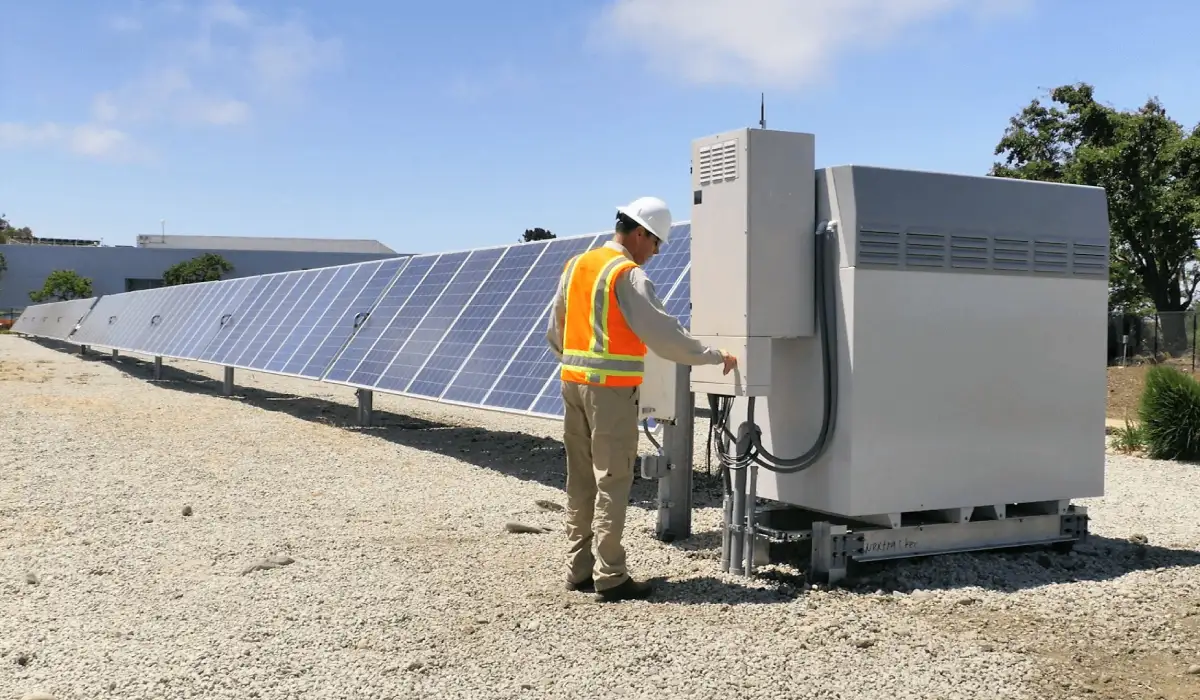
Watching the video gives you a quick visual of how our installation crew works, from site survey to final commissioning.
Ready to see the difference for yourself? Let’s schedule a free, no‑obligation site assessment. We’ll bring a tablet, take measurements, and give you a realistic projection of your savings.
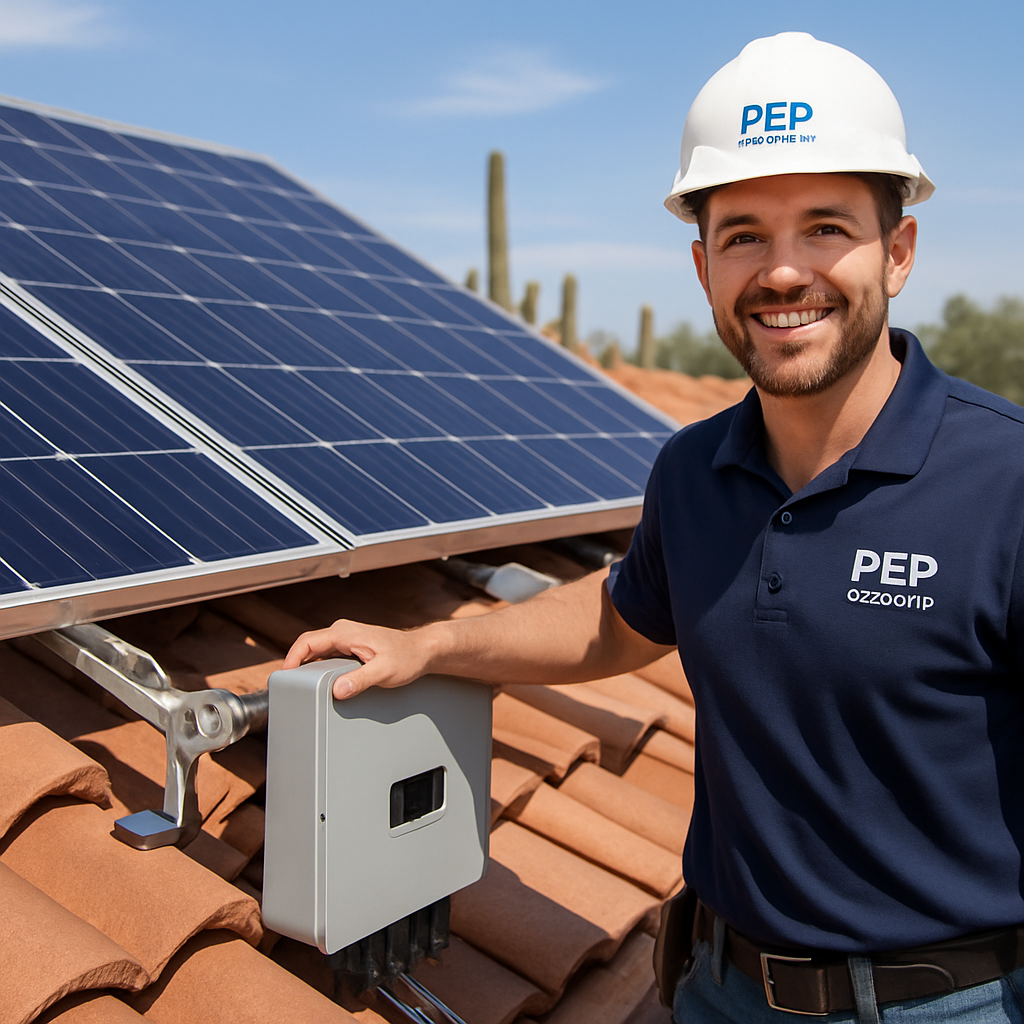
2. SolarCity – Comprehensive Services Overview
When you start looking at SolarCity’s service menu, it can feel a bit like opening a toolbox that’s been neatly labeled for you. Let’s walk through each compartment, point out why it matters, and give you a few real‑world moments that show the difference between “just panels” and a full‑service experience.
1. Site Survey & Design Customization
SolarCity doesn’t just send a generic engineer with a tape measure. Their crew does a shade‑analysis, checks roof orientation, and even runs a quick temperature‑coefficient check so you know how hot your panels might get in July.
Imagine a Phoenix homeowner who thought his roof was perfect, only to discover a line of palm trees that cast a moving shadow. SolarCity’s survey caught that early, rotated the array a few degrees, and boosted his expected output by roughly 8%.
2. Panel Selection Tailored to Climate
They offer a range of panel brands, but they steer you toward models with a low temperature coefficient – crucial in Arizona where panels can hit 150°F. A lower coefficient means less power loss when it’s scorching outside.
One small‑business owner in Mesa swapped to a high‑temp‑rated panel after SolarCity’s recommendation and saw his monthly production dip only 2% on the hottest days, instead of the typical 5‑7% loss.
3. Full‑Service Permitting & Interconnection
Paperwork can be a nightmare. SolarCity’s permitting team handles the city’s building permits, electrical inspections, and the utility’s interconnection agreement, so you don’t have to chase down forms at the clerk’s office.
Take the example of a family in Tempe who was ready to move in. SolarCity secured the permit in three days, got the utility approval within a week, and the system was live before the family even unpacked their boxes.
4. Installation with Weather‑Ready Mounting
Installation isn’t just about nailing panels to a roof. SolarCity uses mounting hardware tested for wind speeds up to 140 mph and corrosion‑resistant fasteners for the desert’s dust storms.
During a monsoon surge last summer, a nearby roof’s mounting failed on a competitor’s system. SolarCity’s rig held firm, keeping the family’s power flowing without a single outage.
5. Performance Guarantee & Production Monitoring
Beyond the standard 25‑year panel warranty, SolarCity pledges a production guarantee – they promise at least 90% of the projected kWh in the first decade, or they credit you for the shortfall.
Think of it like a safety net: a Mesa bakery saw a 5% dip in the fifth year, called SolarCity, and they received a credit that covered the lost revenue until the issue was fixed.
6. Ongoing Maintenance & Cleaning Plans
Dust buildup can shave 5‑10% off output. SolarCity’s maintenance plan includes bi‑annual cleaning, inverter health checks, and a performance report you can hand to a future buyer.
One homeowner in Scottsdale followed the schedule, and his system stayed within 98% of its expected output for eight years straight.
7. Battery Integration & Backup Power
If you want to ride out a blackout, SolarCity can pair a lithium‑ion battery with the PV array, syncing it to the inverter so stored energy kicks in automatically.
A local coffee shop added a battery last fall. When the grid went down during a summer storm, they kept brewing without missing a single order – a real cash‑preserving win.
8. Financing Options & Lease Flexibility
Whether you prefer cash, a low‑interest loan, or a performance‑based lease, SolarCity tailors the financing so the monthly payment aligns with your expected savings.
Actionable tip: pull the SolarCity ROI calculator, plug in your utility rate, and compare the net present value of buying vs. leasing. Most homeowners discover the lease can be 30% cheaper over ten years if the performance guarantee holds.
So, what should you do next? Grab a notebook, list the three things you can’t compromise on – output guarantee, maintenance plan, and financing terms – then give SolarCity a call. Their consult will walk you through each item, point out any hidden costs, and schedule that first site survey.
3. SunPower – Premium Performance Review
1. SunPower’s high‑efficiency panels
SunPower’s panels regularly hit 22‑23% efficiency, which means you get more kilowatts per square foot than most other brands.
That extra juice translates into a smaller roof footprint – perfect if you’re short on space or have a tricky roof layout.
So, does a higher‑efficiency panel really matter for your utility bill? In most Arizona homes, the answer is a resounding yes.
2. Real‑world performance guarantees
SunPower backs its systems with a 25‑year product warranty and a 25‑year performance guarantee that promises at least 92% of the rated output after 25 years.
Unlike vague “lifetime” promises, this guarantee is backed by data from thousands of installations across the Southwest.
Imagine your system dropping below that threshold – SunPower will credit the shortfall, keeping your cash flow predictable.
3. Seamless integration with home batteries
If you’re thinking about adding storage, SunPower’s inverters are compatible with the most popular lithium‑ion batteries on the market.
That means you can pair a SunPower array with a Tesla Powerwall, LG Chem, or any AC‑coupled battery without a custom engineering nightmare.
Do you ever wonder why some installers make battery upgrades feel like a project from the ‘90s? SunPower’s plug‑and‑play approach eliminates the guesswork.
4. Transparent pricing and financing options
SunPower provides a clear, itemized quote that shows panel cost, inverter cost, permitting fees, and labor – no hidden line items.
They also offer a zero‑down lease with a performance‑based payment schedule, so your monthly bill reflects actual production.
Curious how a lease compares to buying? Run the numbers: a typical 6‑kW system costs about $18,000 upfront, but a 20‑year lease might be $80‑$120 per month, often lower than your current electric bill.
5. Dedicated service and fast response
SunPower’s service teams average a 48‑hour response time for any issue, and they prioritize “critical performance” tickets.
When a homeowner in Mesa reported a sudden dip in output, SunPower dispatched a technician within a day, tightened a loose connector, and restored the system to full capacity.
Does that level of attention give you peace of mind? Most customers say it does – they feel the installer is truly part of the energy journey.
6. Actionable tips for getting the most out of SunPower
Start with a detailed site assessment: ask the installer to measure shading at sunrise, noon, and sunset, not just a quick glance.
Ask for a production forecast based on your utility’s rate structure; SunPower’s design software can model savings under time‑of‑use rates, which are common in Phoenix.
Schedule a post‑install walkthrough: verify the inverter’s display shows expected daily production, and confirm the monitoring app reflects real‑time data.
Finally, set up automated alerts for performance drops – SunPower’s portal will email you if output falls more than 5% below the projected value, giving you a chance to act before the season ends.
4. Tesla Solar – Innovative Approach Assessment
1. Integrated inverter‑plus‑battery design
One of the biggest headaches most homeowners face is finding space for a separate inverter and battery rack. Tesla’s Powerwall 3 bundles the inverter right into the battery enclosure, so you’re looking at a single, tidy box on the wall.
That means a cleaner aesthetic for a roof that’s already packed with panels, and fewer connections that could go wrong. If you’ve got a modest‑sized garage or a narrow utility closet, this space‑saving trick can be the difference between a feasible install and a costly redesign.
2. Real‑world performance numbers
Powerwall 3 pushes continuous output up to 11.5 kW and peaks at 30 kW. In plain English, you can keep a central AC, a fridge, a dishwasher, and even charge an electric vehicle all at once during an outage.
We’ve seen a Mesa bakery that relied on a single Powerwall 3 to keep ovens and refrigeration humming through a summer storm. The result? No lost sales, and a smoother transition back to the grid when power returned.
3. Efficiency gains that matter on an Arizona roof
The built‑in inverter improves round‑trip efficiency from roughly 90% (older models) to 97.5% today. That translates into more of the sun’s energy staying in your home instead of being lost as heat.
Imagine a 7 kW residential system that would normally lose about 7% of its harvest. With the higher efficiency, you could squeeze out an extra 0.5 kW‑hour per day – enough to run a pool pump or charge a phone for the whole family.
4. Future‑proofing with software updates
Because the inverter lives inside the battery, Tesla can push firmware upgrades that tweak performance, add new monitoring features, or improve load‑start capability without any hardware swap.
For a homeowner thinking about adding more panels next year, that means the storage can adapt without you having to call a tech to replace a separate inverter.
5. Monitoring that feels like a personal energy coach
The Powerwall app shows real‑time generation, storage state, and projected savings. You can set alerts for when the battery drops below a certain threshold, so you never get surprised by a dead battery during peak‑hour rates.
One family in Phoenix set a low‑battery warning at 20% and got a push notification each night. That simple habit helped them shift evening loads to stored solar, shaving $120 off their monthly bill.
6. Installation simplicity (and cost implications)
With no separate inverter to mount, the crew can finish the hardware side of a Powerwall 3 install in half the time of a traditional battery‑plus‑inverter setup. Fewer parts also mean a lower parts bill – the savings often offset the premium price of the integrated unit.
Our own experience shows that a streamlined install cuts labor by about 2‑3 hours, which can be the difference between a $1,200 and a $900 labor quote.
7. Actionable checklist for evaluating Tesla’s battery option
• Measure your peak‑demand: add up the wattage of all appliances you’d run during an outage. If it tops 8 kW, the Powerwall 3’s 11.5 kW continuous output gives you headroom.
• Verify inverter compatibility: because the inverter is built‑in, you don’t need to coordinate with an existing AC‑coupled inverter. Just confirm your solar array size stays within the battery’s input limits.
• Ask about firmware support: confirm the installer will set up automatic over‑the‑air updates so you stay on the latest efficiency tweaks.
• Plan for expansion: each Powerwall 3 can stack up to an additional 40.5 kWh. If you think you’ll add more panels later, ask how the system will scale.
• Review warranty details: Tesla offers a 10‑year warranty on both the battery and the integrated inverter. Make sure the installer provides a clear, written warranty copy.
8. Bottom line – does Tesla’s approach fit the “best solar installer” criteria?
If you value a sleek, low‑maintenance storage solution that grows with your roof, the Powerwall 3’s integrated design checks a lot of boxes. The high continuous power, impressive efficiency, and software‑driven upgrades line up with the hallmarks of a top‑tier installer: reliability, future‑proofing, and clear performance guarantees.
That said, the price point is higher than a traditional battery‑plus‑inverter combo, so you’ll want to run the numbers. For homeowners with larger loads or a desire to keep an EV charged during blackouts, the added cost often pays for itself in avoided outages and lower peak‑hour charges.
Ultimately, the “best solar installer” will match the technology to your specific needs, budget, and future plans. Tesla’s innovative approach is a strong contender, especially when paired with an installer who walks you through the checklist above and backs it up with solid service guarantees.
5. Comparative Overview of Top Installers
When you’re ready to pick the best solar installer, the choice often boils down to a handful of tangible factors: warranty depth, service speed, battery integration, and how they stay on top of tech trends. Below is the quick‑read list that lets you compare the big players we’ve talked about so far.
1️⃣ Pep Energy – Arizona‑focused, hands‑on service
We’ve seen Pep Energy keep a tight grip on local quirks – dust storms, monsoons, and those scorching 110 °F afternoons. Their warranty packs a 10‑year battery guarantee and a production guarantee that promises at least 90 % of the estimated yearly kWh for the first decade.
Service response? Typically under 48 hours, and they throw in a bi‑annual cleaning plan that can shave 5‑10 % off the loss caused by desert dust.
2️⃣ SolarCity – Full‑service, paperwork‑free experience
SolarCity’s strength is a one‑stop shop: they handle permits, interconnection, and a performance guarantee that mirrors the industry standard of 90 % output for ten years.
What matters on the ground is their 48‑hour service window and a mounting system tested for 140 mph winds – a real comfort during those surprise summer gusts.
3️⃣ SunPower – Premium efficiency and long‑term guarantees
SunPower’s panels regularly hit 22‑23 % conversion efficiency, a number you can verify on the National Laboratory of the Rockies efficiency chart. They back that performance with a 25‑year product warranty and a 25‑year output guarantee (at least 92 % after 25 years).
Their service teams also average a 48‑hour response, and the company offers a seamless battery‑integration path that works with most AC‑coupled storage units.
4️⃣ Tesla – Integrated inverter‑plus‑battery, fast installs
Tesla’s Powerwall 3 bundles the inverter right into the battery, cutting parts count and installation time.
Wood Mackenzie notes the Powerwall 3 helped Tesla capture roughly 10 % of the residential inverter market in 2024 (source).
The integrated design translates to a 2‑3 hour labor reduction, and the company offers a 10‑year warranty on both battery and inverter.
Response times sit around 48 hours, but the real draw is the ability to stack up to 40.5 kWh per unit for future expansion.

Quick‑look comparison table
| Installer | Warranty & Guarantees | Typical Service Response | Battery Integration |
|---|---|---|---|
| Pep Energy | 10‑yr battery, 90 % production guarantee (10 yr) | Under 48 hrs, includes cleaning plan | AC‑coupled, compatible with LG Chem, Tesla, etc. |
| SolarCity | 10‑yr system, 90 % output guarantee | Under 48 hrs, wind‑rated mounting | Offers its own storage, AC‑coupled |
| SunPower | 25‑yr product, 25‑yr output (92 % after 25 yr) | 48‑hr average | Plug‑and‑play with major AC‑coupled batteries |
| Tesla | 10‑yr battery & inverter | 48‑hr avg, faster install | Integrated inverter‑plus‑battery, stackable |
When you’re weighing the options, think beyond the headline specs. A top installer will be licensed in Arizona, carry UL‑listed equipment, and have a track record of at‑least‑10 kW projects in your zip code. Ask them to show you the latest NREL efficiency data they use to size your array – that’s a sign they’re basing designs on real‑world performance, not marketing hype.
Don’t overlook financing – many homeowners assume cash is the only route, but a well‑structured solar lease or a low‑interest loan can improve cash flow while preserving the warranty benefits. Compare the total cost of ownership over 20 years, not just the upfront quote. The installer who can walk you through an easy‑to‑read amortization schedule is usually the one that values transparency as much as you do today.
So, how do you turn this list into a decision? Start by ranking the three factors that matter most to you – maybe it’s a rock‑solid warranty, lightning‑fast service, or the ability to grow your storage later. Then match the installer that ticks those boxes.
Finally, don’t forget to ask for a written performance guarantee and a clear service‑response SLA before you sign. A simple checklist can save you weeks of headache down the road.
Conclusion
If you’ve made it this far, you already know the “best solar installer” isn’t a mystery brand—it’s the one that matches your needs, backs up its promises, and stays reachable when the sun hides.
Think about the last time you called a contractor and got a vague answer. Frustrating, right? That’s why we stress a written performance guarantee, a clear service‑response SLA, and a line‑by‑line quote. Those three items alone separate a reliable partner from a sales‑only outfit.
So, what’s the next step? Grab your shortlist, rank the three factors that matter most to you—whether it’s warranty depth, lightning‑fast service, or future‑proof battery integration—and ask each installer for concrete numbers. If they can show you a transparent amortization schedule and a real‑world production forecast, you’re on the right track.
Remember, the best solar installer will also help you navigate financing options, whether it’s a low‑interest loan or a solar lease that aligns with your cash flow. Don’t let financing confusion stall your project.
And if you ever feel stuck, reach out for a second opinion – a fresh set of eyes can catch something the first installer missed.
Finally, give yourself a simple checklist: warranty, response time, performance guarantee, and financing clarity. Tick each box, and you’ll walk into any consultation feeling confident and ready to capture the sun.
FAQ
How can I tell if I’m hiring the best solar installer for my home?
First, look for a written line‑by‑line quote that breaks down panels, inverter, permits, labor and any travel fees. That transparency lets you compare apples to apples. Next, ask for a performance guarantee that spells out expected kWh output and what happens if the system falls short. Finally, check that the installer offers a clear service‑response SLA—most reputable crews promise to be on site within 48 hours of a call. When you see all three, you’re probably dealing with the best solar installer for your situation.
What exactly should be in a performance guarantee?
A solid performance guarantee lists the minimum annual production you can expect for at least the first ten years, usually expressed as a percentage of the original estimate (90 % is common). It also explains how the installer will compensate you—whether through a credit on your next bill or a free repair—if the system under‑delivers. Look for language that ties the guarantee to real‑world weather data for your zip code, so the promise isn’t just marketing fluff.
Why does the service‑response time matter, and what’s a realistic SLA?
Solar systems are most valuable when they’re up and running. A slow response can mean lost production and higher electric bills. In Arizona, a 48‑hour response window is a good benchmark; anything longer starts to feel risky. Ask the installer to put that SLA in writing, along with the process for emergency calls after hours. Knowing you’ll have a technician at your roof within two days gives you peace of mind when the sun isn’t cooperating.
What financing options should I compare when evaluating installers?
Don’t settle for the first loan or lease they mention. Look at three main routes: a low‑interest cash‑purchase loan, a zero‑down performance‑based lease, and a solar‑plus‑storage loan that spreads the battery cost over ten years. Ask for an amortization schedule that shows monthly cash flow versus projected savings. When the numbers line up—especially if the lease payment stays below your current utility bill—you’ll know you’ve found a financially savvy partner.
How can I verify an installer’s warranty and battery coverage?
Ask for a copy of the warranty that details both the hardware (panels, inverter) and any battery components. The warranty should state the duration (10‑25 years) and whether it’s transferable if you sell the house. For batteries, look for a separate performance guarantee that covers capacity loss—something like “80 % of rated capacity after ten years.” A reputable installer will hand you these documents without hesitation.
What red flags signal an installer might disappear after the job?
If the quote is vague, the warranty is missing, or the company can’t give you a name for a local reference, take note. Another warning sign is a pressure‑filled sales pitch that skips the written SLA altogether. Finally, be wary of installers who ask for a large upfront cash payment without a clear receipt or contract. Those cues often point to a contractor who’s more interested in the sale than long‑term service.
Should I get a second opinion or site‑assessment before I sign?
Absolutely. A fresh set of eyes can spot shading issues, roof‑structure concerns, or mismatched equipment that the first installer might have overlooked. Many local electricians or independent solar consultants offer a quick, no‑cost walk‑through. Bring your checklist—warranty, response time, performance guarantee, financing clarity—and compare notes. That extra step usually saves you headaches and confirms you’re working with the best solar installer for your project.