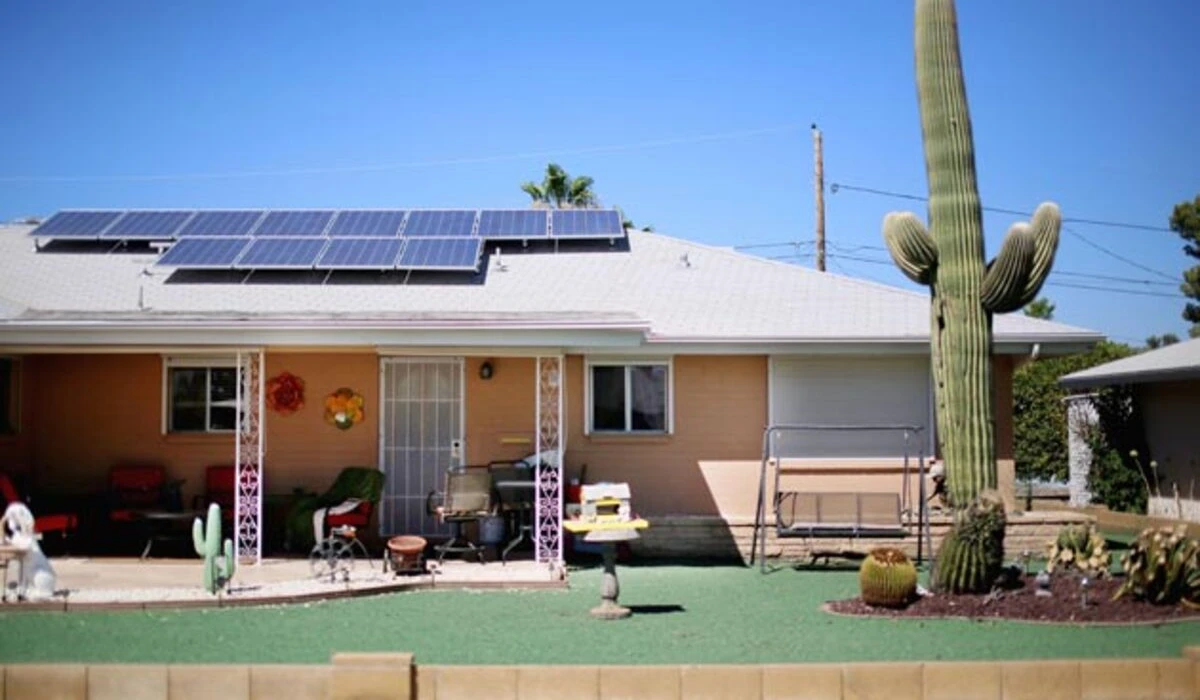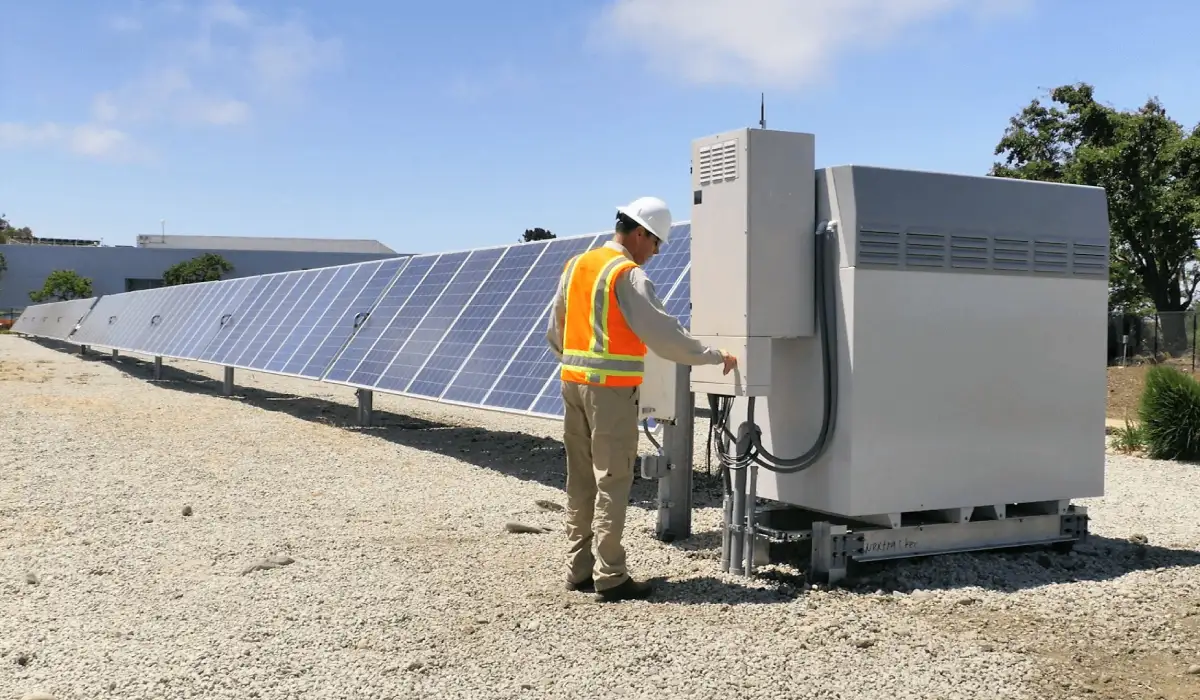

Ever glanced at your monthly electricity statement and felt that sting, wondering if there’s a smarter way to power the place you call home?
You’re not alone. Hundreds of homeowners in neighborhoods just like yours stare at the same numbers, and the truth is—there’s a sun‑powered solution that’s become way more affordable in recent years.
But diving into residential solar can feel overwhelming. Where do you start? How do you know if your roof gets enough sun? What about the upfront cost, permits, or the dreaded “will it break my warranty?” These questions keep many in the dark, and that’s exactly why we wrote this guide.
In the next few minutes we’ll walk through the biggest myths, break down the cost‑benefit math, and show you the step‑by‑step path from a curious homeowner to a confident solar owner. We’ll share real‑world tips we’ve learned installing panels for families across the state, and we’ll point you to the resources you need to make an informed decision.
If you’re ready to see how much sunshine your home can actually harvest, start with our Residential solar installation guide: step‑by‑step to power your home. It walks you through site assessment, financing options, and what to expect during installation—without any jargon.
One of the biggest wins for homeowners is the stackable savings you can capture—federal tax credits, state rebates, and the ability to finance the system with little to no upfront cash. Pairing panels with a solar battery lets you store excess sunshine for night‑time use, further shaving your bill and giving you a backup when the grid goes down.
So, does the idea of clean, lower‑cost energy feel a little less scary now? Stick with us, and by the end you’ll have a clear roadmap and the confidence to take the next step toward a brighter, cheaper power bill.
TL;DR
Residential solar can slash your electricity bill, boost your home’s value, and give you energy independence—all without the jargon we’ve stripped out for you. In the next few minutes we’ll demystify myths, walk you through financing and installation, and hand you a clear, step‑by‑step roadmap so you can confidently decide if residential solar is right for your roof.
1. Top Benefits of Residential Solar
1. Slash Your Electricity Bill
Picture your monthly utility statement finally looking like a friendly note instead of a gut‑punch. With a well‑sized solar array, many homeowners see 30‑70% lower bills, because the sun does the heavy lifting.
And the best part? Those savings keep growing as electricity rates creep up. It’s like locking in a low‑cost power plan for the next 25‑30 years without signing a contract.
2. Boost Your Home’s Value
We’ve watched dozens of clients watch their property appraisals jump after installing solar. Studies show homes with solar sell for 3‑4% more on average – a nice cushion if you ever decide to move.
Buyers love the idea of stepping into a house that already pays for part of its own energy. It’s a win‑win you can point to during negotiations.
3. Federal Residential Clean Energy Tax Credit
Here’s a tangible perk that most people overlook: the federal clean‑energy tax credit. Right now it covers 30% of the total cost of a new residential solar system, and it stays in place through 2032.
That means if you spend $20,000 on panels and installation, you could knock $6,000 off your tax bill. The credit is non‑refundable, but you can carry any unused portion forward to future years. Learn more about the credit details on the IRS site.
We see homeowners pair this credit with state rebates and financing options, turning a seemingly big upfront spend into a manageable, even profitable, investment.
4. Reduce Your Carbon Footprint
Beyond the dollars, there’s a feel‑good factor that’s hard to quantify. A typical 9 kW residential system in Massachusetts offsets roughly 8,460 lb of CO₂ each year – that’s like taking 25 cars off the road.
Over a 30‑year lifespan you’re looking at more than 250,000 lb of CO₂ avoided. Boston Solar breaks down the environmental math, and the numbers speak for themselves.
When you hear the whirr of an inverter, think of it as a tiny, silent factory turning sunlight into clean power for your family.
That video walks through how a residential system actually hooks up to your home’s electrical panel – no jargon, just plain‑English visuals.

5. Energy Independence & Grid Resilience
Imagine a summer thunderstorm knocking out the grid. With solar plus a battery, your lights stay on, your fridge stays cold, and you’re not scrambling for a generator.
Even without storage, generating your own power reduces the amount you draw from the utility, giving you a buffer against rate spikes and outages.
6. Low Maintenance, Long‑Term Savings
Once the panels are up, they require almost no upkeep – a quick rinse after a heavy dust storm and you’re good. Most manufacturers back their products with 20‑30 year warranties.
That translates to years of predictable, low‑cost electricity, freeing you to focus on the things that truly matter – family, hobbies, or that new backyard project.
2. Key Factors When Selecting Residential Solar Panels
1. Roof shape, age, and shade
First thing we ask ourselves: does your roof even want solar? South‑facing roofs with a 15‑40° tilt usually give the best bang for the buck, but east or west roofs can work too. If your roof is aging or covered in stubborn shade from tall trees, you might need a quick remodel or consider trimming those branches before you go full‑tilt.
We’ve seen homeowners skip the shade‑check and end up with panels that under‑perform – a classic “oops” moment. The U.S. Department of Energy’s homeowner guide walks you through the key roof questions to ask before signing a contract.
2. Panel efficiency matters (but doesn’t tell the whole story)
Efficiency is the percentage of sunlight a panel turns into electricity. Today’s top panels sit above 22% efficiency, meaning they squeeze more power out of the same roof space. If you’re tight on square footage or have a lot of shading, those high‑efficiency cells can make a real difference.
On the flip side, they usually carry a higher price tag. In many cases, a slightly less efficient, more affordable panel will still pay for itself over 25 years, especially if your roof is generous in size. For a quick look at the most efficient models on the market, check out this EnergySage efficiency roundup.
3. Monocrystalline vs. polycrystalline vs. thin‑film
Monocrystalline cells are the gold standard – they’re made from a single silicon crystal and generally hit the highest efficiencies. Polycrystalline panels use multiple crystals, which drops efficiency a notch but also drops cost. Thin‑film is lightweight and flexible, perfect for non‑roof applications, but it’s the least efficient.
Think of it like choosing between a sports car, a reliable sedan, and a budget hatchback. All will get you where you need to go, but the ride feels different.
4. Temperature coefficient and climate fit
Panels lose a little power when they get hot. The temperature coefficient tells you how much output drops per degree above 25 °C (77 °F). A lower (more negative) number means the panel handles heat better. If you live in a sunny, warm climate, prioritize a low temperature coefficient; if you’re in New England’s cooler zones, it’s less critical.
5. Warranty and durability
Most reputable manufacturers back their modules with 20‑30‑year performance warranties and a 10‑year product warranty. That’s a promise that the panels will still produce a certain percentage of their original power after decades. Look for clear, easy‑to‑understand terms – we’ve seen contracts with hidden clauses that bite later.
6. Certification and installer quality
Don’t just chase the cheapest quote. A certified installer with NABCEP credentials ensures the system meets local building, fire, and electrical codes. In our experience, a qualified pro can spot roof issues you’d miss and fine‑tune the layout for maximum sun exposure.
7. Net metering and local incentives
Your utility’s net‑metering policy determines how you get credited for excess power you send back to the grid. Some states offer full retail rate credits, while others only a fraction. Check your utility’s website or give your installer a heads‑up – that credit can shave another few hundred dollars off your annual bill.
8. Financing vs. ownership
Buying outright lets you claim the federal tax credit and any state rebates. Loans spread the cost and often have monthly payments smaller than a typical electric bill. Leases and PPAs require little or no money down, but you miss out on tax benefits. Figure out which route aligns with your cash flow and long‑term plans.
9. Future‑proofing with storage
If you’re eyeing a battery, pick panels that pair well with your inverter and storage system. High‑efficiency modules can reduce the size (and cost) of the battery you’ll need to cover night‑time use or outages.
Bottom line: the “best” panel isn’t a one‑size‑fits‑all. It’s the one that matches your roof’s quirks, your climate, your budget, and your long‑term energy goals. Take a moment to run a quick shade analysis, compare efficiency numbers, and talk to a certified installer. That way, you’ll walk away with a solar system that feels like it was built just for your home.
3. How Residential Solar Systems Work
1. Sunlight hits the photovoltaic cells
First, the panels on your roof are more than just glass. Inside each module lives a thin wafer of silicon split into a positive and a negative layer. When photons from the sun strike the wafer, they shake electrons loose and set up a tiny electric field. That’s the core of the photovoltaic effect – the science that turns sunshine into a flow of direct‑current (DC) electricity. If you want a deeper dive, check out how panels absorb light.
2. The DC power travels through the array
All the individual panels are wired together into an “array.” The DC current from each panel adds up, traveling through a conduit to the inverter box, usually mounted on the side of your house or on the roof itself. The longer the run, the more you’ll want a well‑sized conduit to keep losses low.
3. Inverter converts DC to usable AC
Homes run on alternating current (AC). The inverter’s job is to flip the DC coming from the panels into the AC wave that powers your lights, fridge, and Wi‑Fi router. Modern string inverters handle the whole system, while micro‑inverters sit behind each panel for maximum output on shaded roofs. The National Grid guide breaks down why that conversion matters for everyday use.
4. Power flows into your breaker panel
Once the electricity is AC, it feeds straight into your main electrical panel. From there, it’s distributed just like any other utility power – you don’t have to rewire your house. If the sun’s shining hard and your home isn’t using all the energy, the excess heads back out through a smart meter.
5. Net metering measures the two‑way flow
The smart meter watches both directions: how much solar you consume and how much you send back to the grid. Many utilities credit you for that surplus, effectively turning your roof into a tiny power plant. That credit shows up on your monthly bill and can shave hundreds of dollars off the cost.
6. Batteries store what you can’t use right away (optional)
If you add a storage system, the inverter can divert surplus energy into a battery instead of sending it out. Later, when clouds roll in or the grid goes down, the battery discharges, keeping lights on without a generator. We often see homeowners pair high‑efficiency panels with a battery to smooth out the daily peaks.
7. Monitoring lets you see the story in real time
Most installers hook your system up to a web portal or smartphone app. You can watch current production, lifetime savings, and even spot a panel that’s underperforming. It’s a handy way to make sure everything stays humming along for the next 25 years.

Don’t forget regular check‑ups. A quick visual of the panels each season and a yearly inverter inspection keep performance high. Most warranties require that kind of care, and it’s cheap insurance for your investment.
Bottom line: residential solar is a straightforward chain – sun hits cells, cells create DC, inverter flips it to AC, and your home uses it. The only moving parts are the inverter and, if you choose, a battery. Understanding each step helps you ask the right questions when you meet with an installer, and gives you confidence that the system will keep delivering clean, cheap power for decades.
4. Cost Breakdown & Savings Comparison
Alright, let’s pull back the curtain on what you actually pay for when you go residential solar, and more importantly, how those dollars turn into savings over time.
1. Up‑front equipment cost
Panels, inverters, mounting hardware, and wiring usually make up the biggest chunk – roughly 45‑55% of the total price tag. A typical 7‑kW system for a New England home lands in the $18,000‑$22,000 range before incentives.
2. Installation labor
That’s the crew climbing on your roof, wiring everything, and getting the permits sorted. Labor tends to be 15‑20% of the overall cost, but a good installer can shave a few hundred dollars by optimizing layout.
3. Soft costs
Permits, design engineering, and interconnection fees fall here. They’re the sneaky little items that can add $1,000‑$2,000 if you’re not careful. Asking your installer for a line‑item breakdown helps keep them transparent.
4. Federal & state incentives
The 30% federal clean‑energy tax credit alone can knock $5,400‑$6,600 off a $18,000 system. Many states toss in extra rebates of $0.50‑$1.00 per watt, shaving another $3,500‑$7,000. Those numbers are why the headline price feels less scary.
5. Financing vs. cash purchase
If you take a solar loan, your monthly payment often stays below your current electric bill. That means you start saving from day one, while still reaping the tax credit because you own the system.
6. Ongoing maintenance
Solar is famously low‑maintenance. Most owners only need an annual visual check and a quick inverter inspection. Inverters are the only part that typically need replacement after 10‑15 years, costing $1,000‑$2,000.
7. Real‑world savings snapshot
Based on data from a large installer network, residential solar owners see an average annual electricity bill reduction of 70% – that’s roughly $1,200‑$1,500 saved each year in the Northeast.
Combine that with the tax credit, and the payback period often lands between 6‑9 years. After that, it’s pure profit for the life of the system.
8. How residential ROI stacks up
While our focus is home owners, the same math applies to small businesses. For context, commercial projects report an average ROI of 15.87% and a payback of about 9 years (source). Residential numbers tend to be even sweeter because the tax credit hits a larger share of the total cost.
9. Quick decision checklist
- Calculate your pre‑tax system cost.
- Apply the 30% federal credit.
- Check for state rebates or utility incentives.
- Estimate annual savings (use your current bill as a baseline).
- Divide net cost by annual savings to get a rough payback years.
If that number is under 10, you’re in good shape.
Cost vs. Savings Table
| Item | Typical Cost Range | Potential Savings Impact |
|---|---|---|
| Solar panels & inverter | $12,000‑$15,000 | Primary driver of 70% bill reduction |
| Installation labor | $3,000‑$4,500 | Lower labor = faster ROI |
| Inverter replacement (10‑yr) | $1,000‑$2,000 | Minor bump, still <10% of total lifetime cost |
Bottom line: the biggest savings come from the federal credit and the ongoing reduction in your electric bill. Once the system is paid off, you’re essentially generating free power for the next 20‑30 years.
So, grab a calculator, plug in your numbers, and you’ll see why residential solar feels less like a gamble and more like a smart, predictable investment.
5. Maintenance Tips for Residential Solar
Even the best residential solar system can lose a few percent of its output if you ignore the simple upkeep that keeps it humming.
1. Schedule a seasonal visual walk‑through
Twice a year—once after winter snow melt and once after the summer heat—you can do a quick stroll around your roof. Look for loose brackets, cracked glass, or debris that might be shading the panels. It only takes five minutes, and spotting a loose bolt early can save you a costly repair later.
2. Keep the panels clean, but don’t over‑do it
In dusty climates, a thin layer of dirt can shave off 5‑10 % of energy production. A gentle rinse with a garden hose or a soft‑bristle brush does the trick. If you’re uncomfortable on the ladder, many homeowners hire a pro—like the team at The Solar Store, which offers cleaning services for residential systems.
Remember, high‑pressure washers can damage the sealant, so stick to low pressure and avoid abrasive cleaners.
3. Trim trees and manage shade
Even a handful of leaves drifting over a panel for weeks can reduce its output. Check the canopy around your home each spring and prune branches that creep into the sun path. In our experience, a 20‑foot tree can cut a single panel’s production by half during peak hours.
4. Use monitoring software to catch dips early
Most modern inverters ship with a web portal that shows daily kWh numbers. If you see a sudden 15 % drop, it’s a red flag—maybe a micro‑crack, an inverter glitch, or a shading issue. The Solar Store’s technicians run weekly checks and will call you if the data looks off.
5. Inspect the inverter’s health
The inverter is the heart of your residential solar system. Open the front panel and glance at the display; any blinking lights or error codes deserve a call to your installer. Inverters typically need replacement around year 10‑15, and budgeting $1,200‑$2,000 now can prevent surprise expenses later.
6. Check wiring connections annually
Vibration from wind or thermal expansion can loosen conduit clamps. A quick visual check of the junction box for corrosion or burnt marks can catch problems before they cascade into a system shutdown.
7. Verify your roof’s integrity
Solar panels add weight, but they also shield the roof from UV and rain. Still, it’s wise to have a roofer inspect the membrane every 5‑7 years, especially if you notice water stains inside your attic.
8. Keep an eye on performance metrics after major weather events
After a hailstorm or a windy day, walk the perimeter and look for cracked glass or dented frames. Even tiny chips can become entry points for moisture, which can corrode cells over time.
9. Schedule a professional solar health check
Every 2‑3 years, book a certified technician to run a diagnostic. They’ll test voltage, check for micro‑inverter balance, and clean hard‑to‑reach spots. The cost is usually a few hundred dollars, but it pays off by preserving the 20‑30 year warranty.
10. Document everything
Keep a simple spreadsheet: date of cleaning, any repairs, inverter firmware updates, and warranty paperwork. When you sell the house, a well‑kept log shows buyers that the system was cared for, often boosting resale value.
Bottom line: residential solar isn’t a set‑and‑forget gadget; a little routine maintenance keeps it delivering the savings you counted on. By following these ten tips, you’ll extend the life of your system, protect your investment, and enjoy clean power year after year. Need a quick visual guide? Check out this short video walk‑through for extra peace of mind.
FAQ
What is residential solar and how does it work for a typical home?
Residential solar is simply a set of photovoltaic panels that turn sunlight into electricity for your house. The panels generate DC power, an inverter converts it to AC, and the energy feeds straight into your breaker panel. Any excess goes back to the grid and shows up as a credit on your bill. In short, it lets you harvest free sunshine and slice your electric costs.
How much does a residential solar system cost after tax credits and rebates?
After the 30 % federal clean‑energy tax credit and any state rebates, a typical 7‑kW residential system in the Northeast lands around $12,000 to $15,000 out‑of‑pocket. Add a modest financing fee if you choose a loan, and you’ll likely see a monthly payment lower than your current electric bill. Most homeowners recoup the net cost in 6‑9 years, then enjoy essentially free power for the remainder of the 25‑30‑year warranty.
Can I install residential solar on a roof with shading or an older roof?
If your roof has some shade or is a few years old, you can still go solar – you just need to plan wisely. A quick shade analysis can tell you which spots lose the most sun, and you might offset them with higher‑efficiency panels or micro‑inverters. For an older roof, we usually recommend a roof inspection before installation; reinforcing the decking costs far less than replacing the whole roof later.
What maintenance does residential solar actually need?
Residential solar isn’t a set‑and‑forget gadget, but the upkeep is minimal. Twice a year give the panels a gentle rinse with a hose and clear any debris. Keep an eye on the inverter’s display for error lights, and use the monitoring app to spot sudden drops in production. After a big storm, walk the roof for cracked glass or loose brackets. A quick annual visual check and a professional health check every 2‑3 years keep the system humming.
How long will my residential solar panels last and what about the warranty?
Most quality panels come with a 25‑ to 30‑year performance warranty and a 10‑year product warranty, meaning they’ll still produce at least 80 % of their rated output after three decades. Inverters typically need replacement around year 10‑15, which is the biggest cost you’ll face later. As long as you keep the panels clean and the roof watertight, the system should outlive the home itself, delivering clean power long after the warranty expires.
Is financing or leasing better for a homeowner who wants residential solar?
Financing lets you own the system from day one, so you capture the federal tax credit and any state rebates, while your monthly loan payment is usually lower than the current electric bill. Leasing or a PPA requires little or no upfront cash, but you give up the tax credit and the electricity stays billed to the installer. For most homeowners who want long‑term savings, buying or financing wins; leasing works if cash flow is the biggest hurdle.
What should I look for when choosing a solar installer?
When you’re hunting for a solar installer, start with certifications – look for NABCEP‑qualified pros and a solid track record in your state. Ask for references from recent residential projects and verify that the installer handles permits, inspections, and the warranty paperwork for you. A good company will also provide a clear performance guarantee and a monitoring platform so you can see your production in real time. Trust your gut, but let the paperwork confirm the expertise.
Conclusion
After walking through the benefits, panel choices, system basics, costs, and maintenance, you probably feel the excitement building—maybe even a little nervous about the next step.
Here’s the short version: residential solar can slash your bill, boost your home’s value, and give you a reliable backup when the grid flickers. If you keep the panels clean and the roof solid, the system will outlast the house itself.
So, what’s the easiest way to move forward? Start with a quick shade analysis on your own, then reach out to a certified installer who can pull together the numbers, handle permits, and walk you through financing options. In our experience, a clear, written quote that breaks down equipment, labor, and incentives is the best compass.
Don’t let “too expensive” or “too complicated” hold you back. The 30 % federal tax credit alone can shave thousands off the price, and many lenders offer loans that are lower than today’s electric bill.
Take one action today—whether it’s downloading our step‑by‑step guide or scheduling a free site visit. That small step puts you on the path to clean, cheap power for decades to come.
Remember, solar isn’t a one‑time purchase; it’s an investment that keeps paying you back year after year, so the sooner you start, the sooner the savings roll in.