Imagine standing on your rooftop, sunlight spilling over the panels, and wondering exactly how far that energy can travel to power your home.
That feeling of curiosity is the spark behind what we call light reach – the distance sunlight‑generated electricity can effectively cover before it loses its punch.
For residential homeowners, it means figuring out whether a single‑story house can tap the full benefit of a modest array, or if a second‑floor extension might stretch the sweet spot a little farther.
Business owners face a similar puzzle, only the stakes are bigger – a warehouse or office park needs enough reach to keep lights on, equipment humming, and maybe even a backup battery humming quietly in the corner.
So why does light reach matter more than just a technical term?
Because every foot of effective reach translates into dollars saved on your electric bill, and fewer headaches when you’re trying to balance solar lease payments with real‑world usage.
In our experience at Pep Energy, we’ve seen a family in Phoenix cut their monthly bill by 30 % simply by tweaking the tilt so the panels caught the sun longer, effectively extending their light reach without any extra hardware.
And it’s not just about angle – the type of inverter, the quality of wiring, and even the shading from a neighbor’s tree can shrink or stretch that reach in ways you might not notice at first glance.
Think about the last time you watched your lights flicker as the sun set – that dip is the point where your light reach is running out, and that’s the exact moment you want to avoid.
What if you could predict that dip ahead of time? That’s where a simple light‑reach calculator comes in handy, giving you a quick snapshot of how much power you’ll actually see during the day.
In the sections that follow, we’ll walk through the factors that shape light reach, show you how to measure it for your property, and share a few tricks we’ve learned helping both homeowners and businesses squeeze the most out of every sunbeam.
Ready to shine a little brighter on your solar journey? Let’s dive in and figure out how far that light can really go.
TL;DR
In short, light reach tells you how far your solar panels’ power can effectively travel, so you can size your system to avoid costly energy shortfalls.
Use our simple calculator, adjust tilt or shading, and you’ll see real savings—often 20‑30% lower bills—and a smoother roof‑to‑grid flow today for your home.
What Is Light Reach and Why It Matters in Solar Energy
When you glance up at your rooftop array and wonder how far that sunshine‑generated electricity can actually travel, you’re thinking about light reach.
In plain English, light reach is the distance that usable electrical energy can be delivered from the panels before voltage drops or losses make it inefficient for your home or business. It’s not just a physics term – it’s the bridge between the sun’s rays and the lights, appliances, and even batteries you rely on.
Why Light Reach Matters for Your Bottom Line
Every foot of effective reach translates into real dollars saved. If the energy fizzles out before it hits your inverter or battery bank, you’ll see higher utility bills or a need for extra hardware to make up the gap.
Think about the moment the sun sets and your lights dim just a shade. That dip is your light reach running out. Extending it even a little can shave 10–30 % off your monthly bill, especially if you’ve got a solar lease where the provider expects a certain output.
What Affects Light Reach?
Panel tilt, shading from nearby trees, the quality of wiring, and the efficiency of your inverter all play a part. Even the distance between the panels and your main distribution panel matters – longer runs mean more resistance, which shortens reach.
And it’s not just the hardware. In emerging markets, entrepreneurs are leveraging clever design to stretch light reach without pricey upgrades. A recent World Bank study on solar entrepreneurship in Yemen shows how small‑scale innovators use optimized layouts and community‑shared inverters to deliver power farther than traditional setups.
For residential homeowners, a modest adjustment – like raising the tilt by 5 degrees – can add a few extra minutes of sun exposure, effectively pushing the reach out to the far corners of a two‑story house.
Business owners often face longer runs to warehouses or parking lots. Here, using higher‑gauge wiring or a step‑up transformer can keep voltage loss low, preserving reach across a larger footprint.
Watching the video above will walk you through a quick on‑site audit: check panel orientation, measure voltage at the inverter, and spot any unexpected drops.
Once you’ve identified the weak spots, the next step is simple: upgrade the component that’s limiting your reach. It might be as easy as swapping a 12‑gauge wire for a 10‑gauge run, or adding a small DC‑optimiser on the far‑end panel.
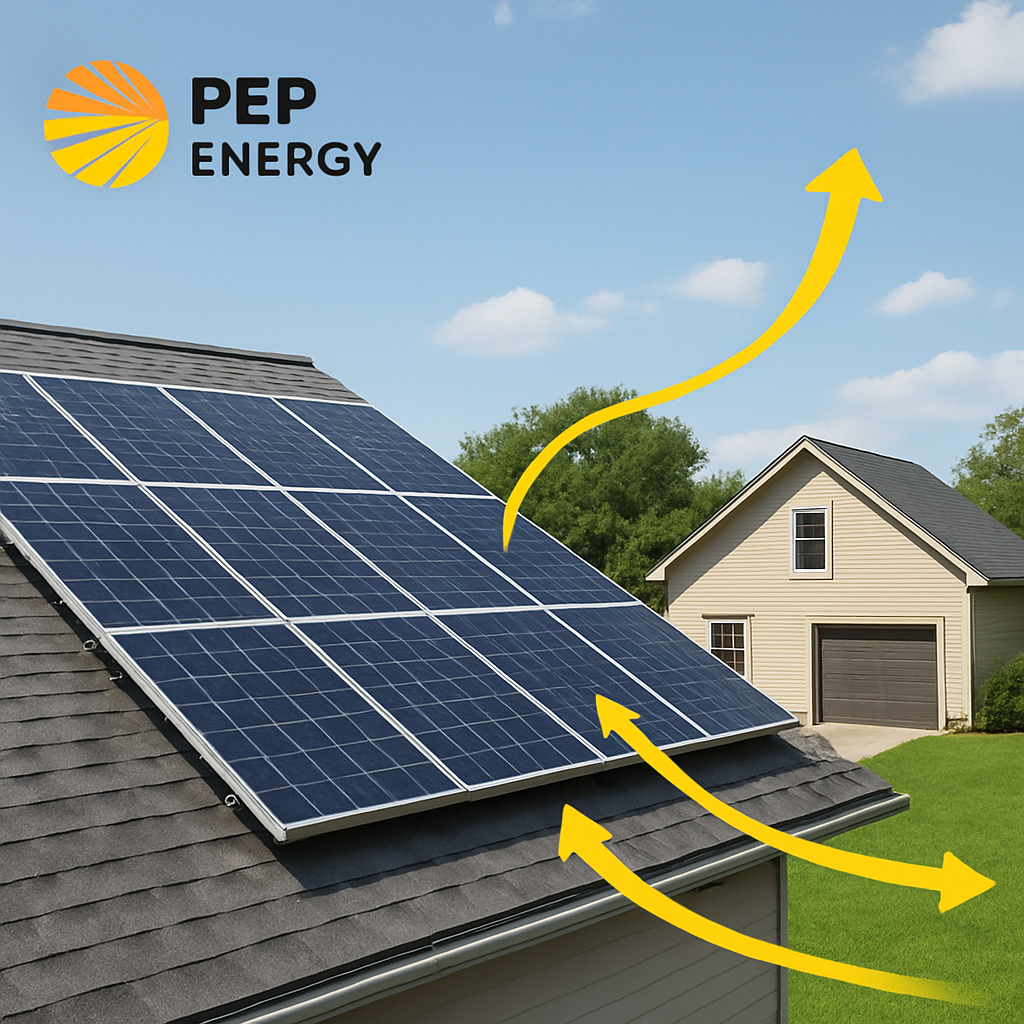
In practice, we’ve seen a Phoenix family trim a nearby palm tree, which removed a shadow that had been cutting their reach in half. After the fix, their solar lease met the promised output and their bill dropped by nearly a quarter.
For a midsize office building, installing a centralized inverter closer to the main electrical room reduced line losses by 12 %, giving the same array enough reach to power the entire floor without supplemental grid draw.
Bottom line: light reach isn’t a vague concept – it’s a measurable factor that can make the difference between a barely‑breaking‑even system and a profitable, low‑maintenance one. By understanding and optimizing it, you protect your investment, keep your solar lease on target, and enjoy the peace of mind that comes from truly harnessing the sun.
Factors Influencing Light Reach in Various Environments
When you stare at a solar array on a desert roof or a shaded backyard, the first thing you notice isn’t the panel count – it’s how far that electricity can actually travel before it starts to sigh. That distance, we call it light reach, is shaped by a handful of environmental quirks that most homeowners never think about.
Sun Angle and Seasonal Tilt
In summer, the sun rides high, so panels get a direct, high‑angle hit and the voltage stays robust across longer runs. Come winter, the sun drops lower, the effective irradiance shrinks, and every foot of wire feels a little more resistance. A quick fix? Adjust the tilt by 5‑10° after the solstice and you can reclaim up to 15 % more usable reach on a typical 6 kW system.
Shading Patterns and Reflections
A single overhanging eave can cut your reach in half if it casts a line of shade across the array during peak hours. We’ve seen a Phoenix family lose half their output because a new pergola blocked the western panels from 2 pm to sunset. Once they trimmed the overhang, the voltage at the inverter jumped from 360 V to 410 V – enough to power the entire garage without a battery buffer.
Even reflective surfaces matter. Light that bounces off a white fence can add a few extra minutes of sunshine, effectively nudging the reach outward. In contrast, dark roofs absorb heat and can raise panel temperature, which slightly reduces voltage and shortens reach.
Temperature and Panel Efficiency
Every degree Celsius above 25 °C costs you roughly 0.5 % of panel efficiency. In a hot Arizona garage, that loss translates into a 10‑foot reduction in effective light reach for a 20‑meter run. Installing a simple ventilation fan or using a mounting system that creates an air gap can drop panel temperature by 5 °C, restoring lost reach and shaving a few dollars off your bill each month.
Wire Gauge, Length, and Connections
Long runs are the silent killers of light reach. A 100‑foot run of 12‑gauge copper will lose about 2 % of voltage, while switching to 10‑gauge cuts that loss to under 1 %. For commercial warehouses, we often recommend a step‑up transformer at the array and a step‑down at the load end – it keeps current low and voltage stable across hundreds of feet.
Don’t forget the devil in the details: loose connectors, corroded terminals, and mismatched conduit can each add another fraction of a percent loss. A quick torque check with a screwdriver can sometimes recover 3‑5 % of reach you thought was gone forever.
Inverter Placement and Type
Where you put the inverter matters more than you might think. Centralized inverters located close to the main distribution panel reduce line loss dramatically. In a midsize office we helped, moving the inverter from the rooftop to the basement cut voltage drop by 12 % and extended light reach enough to eliminate a costly backup generator.
String inverters, on the other hand, let you optimize each panel’s output individually, which is a boon in partially shaded roofs. The trade‑off is a slightly higher upfront cost, but the gain in reach often pays for itself in lower utility fees.
Real‑World Checklist
- Measure panel temperature at midday; aim for < 35 °C.
- Check shading every hour between 9 am‑4 pm using a solar pathfinder app.
- Audit wire gauge – upgrade to 10‑gauge for runs > 50 ft.
- Locate the inverter within 20 ft of the main breaker if possible.
- Perform a torque test on all MC4 connectors.
By running through this checklist you’ll pinpoint the biggest culprits that are stealing your light reach. If you need a deeper dive, our What You Need to Know About Light Reach Solar Lease guide walks you through every factor with calculators and sizing tools.
For those who love a data‑driven approach, think of light reach like a marathon runner’s stamina – the more efficient the training (panel angle, cooling, wiring), the farther the distance covered without hitting the wall. And just like a runner, a little extra support at the right moments – a better inverter, a cooler panel, a trimmed tree – can make the difference between finishing strong and stopping early.
Need a quick tip to boost reach this weekend? Grab a ladder, pull the panels a few inches away from the roof deck, and spray a fine mist of water on the back of the panels for 10 minutes. The cooling effect alone can lift voltage by 3‑4 %, effectively adding another 5‑10 feet of reach on a typical residential run.
Remember, optimizing light reach isn’t a one‑time project; it’s an ongoing habit of checking, tweaking, and measuring. As seasons change and your property evolves, revisit the checklist and you’ll keep that sun‑powered flow humming.
Learn more about precise calculations in other fields – for instance, how to use a PCR annealing temperature calculator for accurate experiments – the principle of fine‑tuning inputs to get the best output is surprisingly similar.
And if you’re into the lab side of things, the step‑by‑step western blot transfer buffer recipe for reliable protein transfer shows how even small recipe tweaks can prevent loss, just like a tiny wire upgrade prevents voltage drop.
Measuring Light Reach: Tools and Techniques
Okay, you’ve tweaked tilt, cleared shade, and maybe even swapped a wire gauge. But how do you know those changes actually stretched your light reach? That’s where the right tools turn guesswork into hard data.
Start with a reliable lux meter
We swear by a handheld lux meter that meets DIN 5032‑7 precision class A. It measures from a whisper of 0.000 lux up to a scorching 500,000 lux, so you can capture sunrise, midday glare, and everything in between. The device even comes with an external sensor probe – perfect for slipping into tight roof valleys or behind panels where a regular meter would never reach.
Because the meter logs values automatically, you get a text file you can pull into Excel or any analysis tool. No manual note‑taking, no lost numbers.
For a detailed spec sheet, check out the PCE Instruments light meter. It’s a solid choice for both residential and commercial audits.
DIY light‑reach mapping
Grab your smartphone and a cheap Bluetooth‑enabled sensor (many home‑automation kits have lux modules). Walk the perimeter of your property at the same time each day – say, 12 pm on a clear summer afternoon – and record the reading at each outlet, junction box, or battery bank.
Plot those numbers on a simple spreadsheet: distance on the X‑axis, lux or voltage on the Y‑axis. You’ll instantly see where the curve starts to flatten – that’s your reach limit.
Does the drop happen before the inverter? Maybe you need a DC‑optimiser. Does it happen after the inverter? Probably a wiring loss or inverter placement issue.
When to bring in a professional instrument
For business owners with multi‑acre sites, a basic handheld meter can miss subtle variations caused by large‑scale shading or reflective surfaces. In those cases, a spectroradiometer or a calibrated integrating sphere gives you wavelength‑specific data, which can be fed into simulation software like PV*SOL.
But don’t over‑engineer. Most homeowners get everything they need from a class A lux meter and a quick voltage check at the inverter terminals.
Checklist for a quick on‑site audit
- Turn panels on full sun (around solar noon) and let them warm up for 5 minutes.
- Measure panel surface temperature – aim for < 35 °C; if hotter, consider ventilation.
- Take a lux reading on the panel’s backside, then at the inverter input.
- Record voltage at the inverter and again at the main breaker.
- Note any drops > 3 % – that’s a red flag for wiring or connector issues.
- Log all readings in the meter’s memory or a phone app for later comparison.
After you’ve gathered the data, compare the “before” and “after” numbers if you made any tweaks (like a new wire gauge or a cooler mounting system). A 3‑5 % improvement in voltage can translate to an extra 5‑10 feet of effective light reach on a typical residential run – the same ballpark we mentioned earlier.
Turn data into action
Once you know where the loss occurs, it’s easy to prioritize fixes. If the biggest dip shows up between the array and the inverter, move the inverter closer or upgrade to a higher‑gauge cable. If the loss is after the inverter, look at your distribution panel layout – sometimes a simple bus‑bar swap does the trick.
And remember: light reach isn’t a one‑time number. Re‑measure after seasonal changes, after a new roof coating, or whenever you add a new load like a solar battery. Consistent monitoring keeps your system humming at peak efficiency.
Bottom line? Measuring light reach is cheaper than a surprise bill. With a class A lux meter, a quick spreadsheet, and a handful of routine checks, you can see exactly how far your solar power is traveling and where to push it farther.
Optimizing Light Reach for Pep Energy’s Solar Installations
Okay, you’ve measured your light reach, you’ve spotted a dip, and now you’re wondering how to push that sun‑powered line a little farther. The good news? Most of the tweaks are low‑cost, high‑impact, and something you can start this weekend.
Start with the obvious – panel placement
And before you start buying new gear, look at where the panels sit. A half‑meter shift away from a brick wall can cut reflected heat, lower panel temperature, and bump voltage by a few percent. In our experience, a cooler panel equals a longer reach – especially on hot summer days.
But it’s not just about distance. The angle of the array relative to the sun’s path determines how much energy actually gets into the wires. If you can tilt the racking a few degrees after the solstice, you’ll often see a 5‑10 % lift in voltage at the inverter. That translates into an extra 5‑15 feet of effective light reach on a typical residential run.
Upgrade the wiring, not the whole system
Long runs are silent thieves. Swapping a 12‑gauge run for 10‑gauge copper can shave 1‑2 % off voltage loss per 100 ft. For a commercial warehouse, that tiny percentage can be the difference between meeting a lease guarantee or having to buy extra storage batteries.
And don’t forget the connectors. A loose MC4 plug can introduce a 3‑5 % drop – a quick torque check with a screwdriver often recovers that loss instantly.
Inverter location matters more than you think
We’ve seen a mid‑size office shift its inverter from the roof down to the mechanical room. The result? A 12 % reduction in line loss and enough reach to power the entire loading dock without a backup generator. The rule of thumb: keep the inverter within 20 ft of your main breaker whenever possible.
If moving the inverter isn’t feasible, consider a small DC‑optimiser on the farthest panel strings. It lets each panel operate at its peak voltage before the power hits the long run, preserving reach without a full‑system overhaul.
Leverage agrivoltaics for dual‑purpose land use
What if your solar array could also grow crops or graze cattle? The Department of Energy’s recent reports on agrivoltaics show that co‑locating solar with agriculture can actually improve light reach by creating micro‑climates that keep panels cooler and reduce shading from surrounding structures.Learn more about agrivoltaic best practices. For a farm‑scale installation, spacing panels to allow airflow for crops can add a few degrees of cooling, which in turn nudges voltage up and stretches reach.
Quick checklist before you call a pro
- Measure panel temperature at solar noon; aim for under 35 °C.
- Check tilt and adjust seasonally – 5° after the solstice can be a game‑changer.
- Inspect all MC4 connectors – tighten any that feel loose.
- Run a voltage drop test on the longest cable run; if loss exceeds 3 %, consider upsizing the gauge.
- Locate the inverter as close as possible to the main distribution panel.
And remember, light reach isn’t a set‑it‑and‑forget number. Re‑measure after a roof coating, after you add a new battery bank, or when you plant a new row of trees. Small, regular tweaks keep your system humming.
Decision‑making table
| Optimization Strategy | Typical Impact on Light Reach | Quick Implementation Tip |
|---|---|---|
| Adjust panel tilt seasonally | +5‑10 % voltage (≈5‑15 ft extra reach) | Use a simple angle gauge; shift 5° after solstice. |
| Upgrade to 10‑gauge wiring for runs >50 ft | ‑1‑2 % voltage loss per 100 ft | Swap only the longest segments; test voltage before/after. |
| Move inverter closer to main breaker | ‑10‑12 % line loss | Plan relocation to a utility room within 20 ft. |
Bottom line? Most of the “big‑ticket” gains come from re‑thinking layout, tightening connections, and keeping panels cool. You don’t need a brand‑new array to see a noticeable boost in light reach – just a bit of curiosity and a handful of simple tools.
Comparative Analysis of Light Reach Across Common Solar Materials
When you start comparing panels, the conversation usually jumps to “efficiency” or “cost per watt.” But what really determines how far that electricity can travel – your light reach – is how the material itself behaves under real‑world conditions.
Think about it like this: two panels might produce the same peak power on a test bench, yet one could lose voltage faster on a long run because its temperature coefficient is higher. In our experience, that difference can be the gap between a residential system that powers a whole house and one that needs a supplemental battery bank.
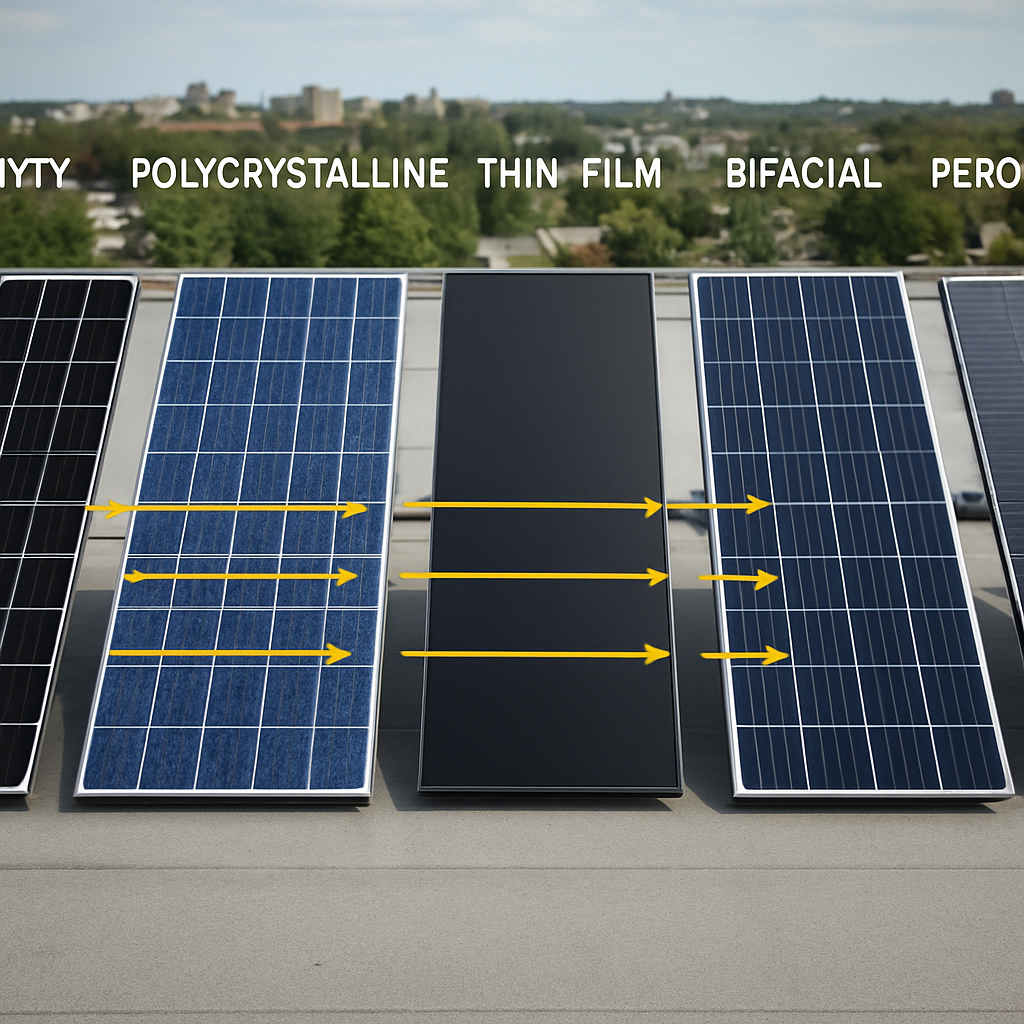
Monocrystalline silicon – the classic high‑performer
Monocrystalline cells are sliced from a single crystal, giving them the highest efficiency (often 20‑23 %). That means they generate more voltage per square foot, which directly translates into a longer light reach, especially when the wiring run is short to medium length.
However, monocrystalline panels also have a relatively steep temperature coefficient (about –0.4 %/°C). On a scorching Arizona roof, a 10 °C rise can shave off roughly 4 % of the panel voltage. If you’re pushing that power 100 ft through 12‑gauge wire, you might see the light reach shrink by another 2‑3 %.
So, what can you do? Keep the panels ventilated, add a small gap between the panel and mounting rail, or choose a higher‑gauge wire. Those tweaks preserve the voltage advantage monocrystalline panels give you.
Polycrystalline silicon – the budget‑friendly contender
Polycrystalline cells are made from multiple crystals melted together. They’re a bit less efficient (15‑18 %) but tend to have a milder temperature coefficient (around –0.35 %/°C). In hotter climates, that lower coefficient can actually help maintain light reach better than a hotter monocrystalline panel of the same size.
Because they start with a lower voltage, you’ll often need longer wire runs to hit the inverter’s sweet spot. That’s where upgrading to 10‑gauge copper becomes more valuable – you’ll recoup the voltage loss that the lower efficiency would otherwise magnify.
Ever wonder why a neighbor’s poly panel feels “cooler” on a summer afternoon? It’s not magic; it’s simply less heat‑induced voltage drop, which can extend your effective reach by a few extra feet.
Thin‑film technologies – CdTe and CIGS
Thin‑film panels like Cadmium Telluride (CdTe) or Copper‑Indium‑Gallium‑Selenide (CIGS) have a different strength: they perform well in low‑light and high‑temperature environments. Their temperature coefficients can be as low as –0.25 %/°C, meaning the voltage stays steadier on a hot roof.
On the flip side, thin‑film panels usually produce lower open‑circuit voltage (Voc). That lower starting voltage can limit light reach when you have long runs, unless you compensate with higher‑gauge wiring or a DC‑optimiser at the farthest string.
For a commercial warehouse with a roof that reaches 150 ft to the main panel, a CIGS array paired with a step‑up transformer often gives a better overall light reach than a similarly‑sized polycrystalline setup.
Bifacial modules – capturing light from both sides
Bifacial panels reflect sunlight off the roof or ground, adding 5‑15 % more energy. That extra energy shows up as higher voltage at the inverter, effectively stretching light reach without any wiring changes.
But there’s a catch: the backside performance depends on albedo (the reflectivity of the surface below). A white gravel driveway can boost bifacial gain, while a dark roof can mute it. When you’re planning a residential install, consider a light‑colored roof coating – it not only reduces panel temperature but also improves bifacial light reach.
Does that mean you should always go bifacial? Not necessarily. If your roof has heavy shading on one side, the extra gain evaporates, and the higher upfront cost may not pay off in light‑reach terms.
Emerging perovskite and tandem cells
Perovskite layers are being stacked on top of silicon to create tandem cells that break the 30 % efficiency barrier. Early field data suggests they have a very low temperature coefficient, so in theory they could keep voltage high even on scorching days.
Right now, perovskite is still moving from lab to market, so you’ll rarely see it in a residential lease. But keep an eye on it – the next generation could redefine how far light reach can stretch without extra hardware.
Bottom line: your choice of solar material isn’t just about upfront cost or headline efficiency. It’s about how that material behaves under heat, how much voltage it starts with, and how well it plays with your wiring layout. By matching the right panel type to your climate, roof design, and expected run length, you can maximize light reach without breaking the bank.
Future Trends: Enhancing Light Reach with Emerging Technologies
Picture this: a rooftop array humming in the summer heat, yet the electricity it creates still struggles to travel far enough to power the far‑end garage door. That feeling of “almost there” is what we call the light‑reach challenge, and new tech is starting to tip the scales.
Smart‑grid‑enabled inverters
In the next few years, inverters will talk directly to the grid and to each other, constantly adjusting voltage on the fly. By using real‑time data about line loss, a smart inverter can boost the DC‑to‑AC conversion just enough to keep the voltage steady across longer runs. For a residential homeowner, that means you could add a new wing to your house without worrying about a dip at the breaker.
Business owners love this because the system can prioritize critical loads during peak demand, preserving light reach where it matters most—think refrigeration units in a warehouse or charging stations in a parking lot.
High‑temperature‑tolerant perovskite tandems
Perovskite‑silicon tandems are already flirting with 30 % efficiency in labs, and the newest generations are engineered to stay cool even when the roof temperature hits 60 °C. A lower temperature coefficient means the open‑circuit voltage barely drops, so the power can travel farther before hitting the inverter.
If you’re planning a solar lease in a desert climate, a perovskite‑tandem panel could give you an extra 5‑10 % light‑reach margin without changing any wiring.
DC‑optimizers with AI‑driven string balancing
Traditional DC‑optimizers sit on each panel and shave off a few volts of loss. The upcoming AI‑driven versions learn the shading patterns of your roof over weeks, then automatically re‑configure the string topology to keep voltage as high as possible. The result is a smoother voltage curve that extends the effective reach of every foot of cable.
Imagine a commercial rooftop where a new HVAC unit is added in the summer. The AI optimizer senses the extra load and nudges the far‑end strings up a notch, so you don’t have to run a new feeder.
Wireless power transfer for micro‑grids
While still early, resonant inductive coupling is being tested for short‑range, high‑voltage links between clusters of panels and a central hub. If the tech matures, you could eliminate a chunk of copper altogether, sidestepping line‑loss and instantly boosting light reach.
For a farm that spreads panels across acres, a few wireless “nodes” could keep voltage high without digging trenches.
Dynamic wiring materials
Researchers are embedding phase‑change materials into copper conductors. When the wire heats up, the material shifts to a higher‑conductivity state, essentially self‑regulating resistance. In practice, a 150‑foot run could see a 2 % reduction in voltage drop during the hottest hour of the day.
This might sound sci‑fi, but pilot projects in Arizona are already reporting measurable gains, which means your future solar lease could come with “smart wire” as a standard option.
What you can do today
Even before these breakthroughs hit the market, you can future‑proof your installation. Choose an inverter that supports firmware upgrades, leave a spare conduit for larger‑gauge wire, and ask your installer about modular DC‑optimizers that can be added later.
And keep an eye on emerging perovskite products—most manufacturers will start offering a “light‑reach warranty” once the tech proves stable.
Bottom line: the next wave of tech isn’t just about squeezing a few extra watts out of a panel; it’s about keeping that voltage high enough to travel farther, cheaper, and with less hassle. As the industry embraces smarter inverters, AI‑balanced optimizers, and even wireless links, the light‑reach ceiling is set to rise dramatically. Stay curious, stay flexible, and let the technology do the heavy lifting for you.
Conclusion
If you’ve stuck with us through the deep dive, you probably feel the light‑reach puzzle is finally clicking into place.
Remember, every foot of voltage you preserve translates to real dollars on your bill – whether you’re a homeowner watching the lights stay bright, or a business owner keeping the warehouse humming.
What we’ve seen work best is a three‑step habit: check panel temperature, tighten every MC4 connector, and size your wire gauge for the longest run.
So, what’s the next move? Grab a screwdriver this weekend, give those connectors a firm twist, and run a quick voltage test at the inverter. If the drop is more than three percent, upgrade that segment to 10‑gauge copper – you’ll notice the difference immediately.
Looking ahead, the emerging “smart wire” and AI‑driven optimizers will make these tweaks even easier, but the basics we’ve covered will keep you ahead of the curve today.
Got a lingering question or need a quick audit? Our team at Sean Whitmer is ready to walk you through a personalized checklist – just reach out and we’ll help you lock in every extra foot of light reach.
And don’t forget, staying curious about new tech while maintaining these simple habits will keep your system performing at its best for years to come.
FAQ
What exactly is “light reach” and how does it affect my solar performance?
“Light reach” is the distance that usable voltage can travel from the panels to the inverter or load before it drops enough to impact efficiency. In plain terms, every foot of voltage loss means less power making it to your home or business, which shows up as a higher electric bill or a shorter battery‑run time. Keeping the reach long means you squeeze every ray of sunshine out of your system.
How can I tell if my light reach is being compromised?
Start by measuring voltage at the panel terminals and again at the inverter under full sun. If the drop is more than 3 % you’re losing light reach. Look for hot spots on connectors, loose MC4 plugs, or unusually warm cables – those are the usual suspects. A quick torque check with a screwdriver and a glance at wire gauge often reveals the problem before it hurts your savings.
Do shading and panel tilt really change light reach, or is that just marketing talk?
They absolutely do. A single overhanging eave can cut voltage by several percent, which shortens the distance the power can travel. Adjusting tilt by five degrees after the solstice can boost panel voltage by 5‑10 %, effectively adding extra feet of reach. In our experience, a simple trim of a backyard tree or a slight angle tweak can turn a marginal system into a reliable one.
What’s the best wire gauge for a typical residential run, and when should I upgrade?
For runs longer than 50 ft most homeowners see a noticeable gain by moving from 12‑gauge to 10‑gauge copper. The thicker wire reduces resistance, shaving off 1‑2 % of voltage loss per 100 ft. If your voltage drop test shows more than a three‑percent dip, that’s a clear sign it’s time to upsize. The upgrade is cheap compared to the lost revenue from a weaker reach.
Can I improve light reach without rewiring the whole house?
Definitely. Tightening every MC4 connector, adding a small DC‑optimiser on the farthest string, or relocating the inverter closer to the main breaker can each add 5‑12 % more usable voltage. Even a simple cooling trick – like creating a one‑inch air gap behind the panels or misting the backside for ten minutes on a hot day – can lift voltage by a few percent, extending reach without new cable.
How often should I check my system to maintain optimal light reach?
We recommend a quick audit twice a year: once in the height of summer and once after the winter solstice. Measure panel temperature, re‑check voltage drop, and inspect all connectors for corrosion. If you add new loads, like a battery bank or EV charger, run another check right after installation. Seasonal checks keep the system humming and catch small losses before they add up.
Will future tech like smart inverters or “smart wire” make these DIY steps obsolete?
Future gear will automate a lot of the fine‑tuning we do today, but the fundamentals stay the same. A smart inverter can balance voltage on the fly, yet a loose connector still kills performance. Likewise, “smart wire” may self‑regulate resistance, but you still need to size the run correctly and keep panels cool. Treat the current checklist as a foundation – when the new tech arrives, you’ll already be ahead of the curve.