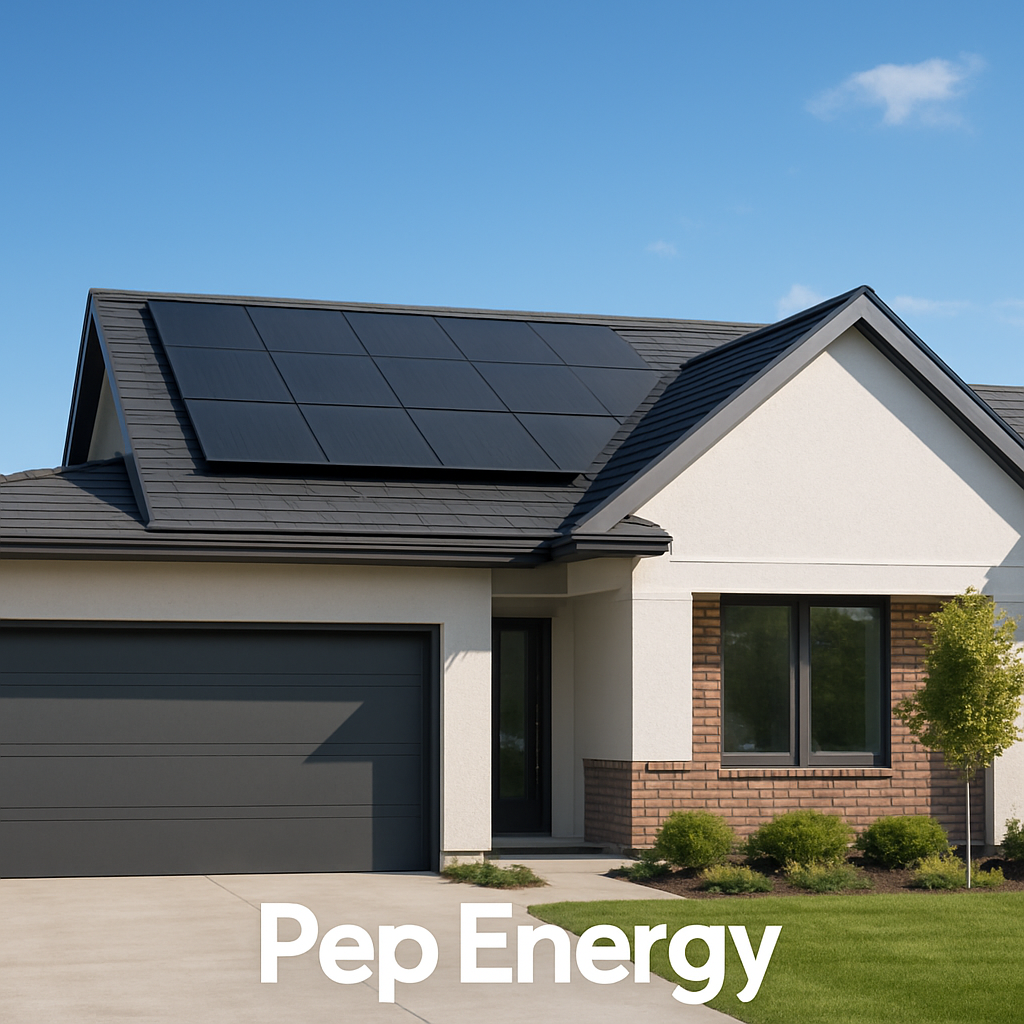
You’ve probably seen the sleek Tesla solar panels on a neighbor’s roof and wondered if they’re the magic bullet for cutting your electricity bill.
But the reality for most residential homeowners and small business owners is a bit messier – you need to weigh aesthetics, performance, cost, and how the system will fit with any energy storage you already have.
In our experience at Pep Energy, the conversation often starts with the promise of clean energy and ends with a deeper dive into how the panels will actually work with a Tesla Powerwall or an alternative battery solution.
So, what should you keep in mind before you chase the Tesla brand? First, Tesla solar panels are designed to blend into a roof, which looks great, but the efficiency numbers sit in the mid‑range compared to some high‑performance modules on the market. Second, installation logistics can be tricky – the panels require a specific mounting system and a compatible inverter, which can add hidden costs.
Think about the last time you upgraded a home appliance. You didn’t just pick the flashiest model; you checked the warranty, the service network, and whether it would actually save you money. The same logic applies here. Ask yourself: will these panels integrate smoothly with the Powerwall we install, and will the total system pay for itself within a reasonable timeframe?
Here’s a quick mental checklist: panel efficiency, warranty length, installer experience with Tesla’s mounting hardware, and overall system design that includes storage. If any of those boxes feel shaky, it might be worth exploring other options, like Q‑Cell, which often scores higher on efficiency.
Don’t let the brand name distract you from the fundamentals. By focusing on performance, cost‑effectiveness, and how the system meshes with your energy goals, you’ll make a decision that feels right for your home or business.
Let’s dive into the details and see how Tesla solar panels stack up against the criteria that matter most to you.
TL;DR
Tesla solar panels blend into your roof and work well with Powerwall, but their efficiency sits in the mid‑range and installation can add hidden costs.
Check efficiency, warranty, installer experience, and total ROI before deciding, and consider alternatives like Q‑Cell if you need higher performance for your home or business.
Overview of Tesla Solar Panels Technology
When you first spot those sleek, all‑black tiles on a neighbor’s roof, you probably think, “That looks like a solar panel, right?” And you’re right – they are Tesla solar panels, engineered to double‑up as roof shingles. The idea is simple: give you clean power without the visual clutter of traditional blue frames.
But what’s actually happening under those dark surfaces? Tesla uses a monocrystalline silicon cell layout that’s trimmed to the size of a standard roofing tile. Each cell is encapsulated in a thin glass‑to‑glass package, which gives the panels that smooth, low‑profile look. The glass front isn’t just for aesthetics; it also protects the cells from hail and UV degradation.
Cell Architecture and Efficiency
Those cells are arranged in a 6‑by‑6 grid, delivering an efficiency rating that hovers around 19‑20%. It’s not the absolute top of the market, but it’s solid enough for most homeowners who value the seamless look over a few extra percentage points. In practice, you’ll see a typical system produce about 1,200 kWh per kilowatt‑peak per year, depending on orientation and local sun exposure.
Think about the last time you upgraded your kitchen cabinets – you didn’t just pick the cheapest wood; you looked at durability, style, and how it fit the rest of the house. The same mindset applies to Tesla panels: you’re trading a tiny efficiency hit for a roof that looks like a roof.
Inverter Compatibility
One thing that trips people up is the inverter requirement. Tesla panels are designed to work best with their own Powerwall‑ready inverter, but you can pair them with third‑party string inverters as long as the voltage and MPPT settings line up. In our experience, a compatible inverter can shave a few percent off losses, which matters when you’re chasing that sweet ROI.
So, does this mean you need to buy the whole Tesla ecosystem? Not necessarily. You can still benefit from the sleek panels while choosing a separate battery or even a hybrid system.
Mounting System and Roof Prep
The mounting hardware is proprietary – Tesla calls it the “Solar Roof Mount.” It bolts directly onto roof trusses, which can add a bit of extra labor if your roof isn’t already pre‑engineered for it. That’s where a professional builder like Renner Bau can be a lifesaver. They’ll make sure the roof framing can handle the load and that any penetrations are sealed correctly.
After the panels are up, many homeowners start thinking about shade control. Even though the panels themselves are low‑profile, the surrounding windows can still let in excess heat. Adding exterior shutters from Monroe Plantation Shutter Pros can help balance daylight and keep your indoor temperature comfortable, especially in the summer.
Here’s a quick mental checklist: panel efficiency, inverter match, mounting hardware, roof condition, and post‑install shading options. If any of those feel fuzzy, pause and dig a little deeper before you sign any contracts.
And if you’re still wondering whether Tesla’s design fits your home, take a look at our Best solar panels for Homeowners: Top Picks and Buying Guide. It breaks down the trade‑offs between aesthetics, performance, and price across several brands, including Tesla.
Below is a short video that walks through the key components of Tesla’s panel system – from cell layout to the mounting bracket.
Watching that clip should give you a clearer picture of how the panels integrate with a typical roof line.
Finally, remember that the technology is only part of the story. Installation quality, warranty terms, and post‑install service often make the biggest difference in long‑term performance. When you partner with a knowledgeable installer and plan for complementary home upgrades, those sleek Tesla tiles can become a reliable part of your energy future.
Installation Process and What to Expect
So you’ve decided to go with Tesla solar panels – that’s a big step toward slashing your electric bill and future‑proofing your home. The good news? The installation isn’t some sci‑fi operation; it’s a series of clear, manageable milestones.
First up is the site survey. Our crew swings by with a laser‑level and a clipboard, checks your roof’s pitch, structural integrity, and shading hotspots. We’ll also peek at your electrical panel to see if it can accommodate the new breaker. It sounds technical, but think of it as a quick health check for your house before the real work begins.
Ever wonder why we ask for a few weeks of notice before you sign the contract? That’s the permit window. Most municipalities require a building permit and a net‑metering application with the utility. We handle the paperwork, but you’ll need to sign off on the plans. It’s a bit of a dance, but once the city gives the green light, the actual installation can move forward.
When the day arrives, the crew starts with the mounting system. Tesla’s proprietary rails sit on a flat, shingle‑type roof; if you have a metal standing‑seam roof we’ll use an adapter kit. The rails are bolted into the roof’s rafters, so you’re not just slapping panels onto shingles – it’s a solid, weather‑tight attachment.
Next, the panels themselves are lifted onto the rails. You’ll hear the familiar “click” as each module snaps into place. It’s satisfying, like fitting the last piece of a puzzle. The panels are then wired together in series strings, routed to the inverter, and finally to the main service panel.
At this point you might be asking, “Where does the Powerwall fit in?” If you’ve opted for battery storage, we’ll mount the Powerwall on a wall inside your garage or utility room, connect it to the inverter, and add a dedicated breaker. This integration is seamless because Tesla’s ecosystem talks to itself, but the wiring still follows NEC codes for safety.
After everything’s hooked up, the inspector comes in for a final sign‑off. They’ll verify that the mounting, wiring, and grounding meet local codes. It’s a quick walk‑through, and once they stamp the paperwork, the system is officially live.
Now the fun part: commissioning. We’ll power up the inverter, check that each panel is reporting the correct voltage, and confirm that the Powerwall is ready to charge during daylight and discharge at night. You’ll get a brief demo on how to monitor production through the Tesla app – a few taps, and you can watch your sun‑harvest in real time.
What should you expect on the day of installation? Expect a crew of 2‑3 people, a truck full of equipment, and a bit of noise as they drill and secure the rails. It usually takes 1‑2 days for a typical residential roof, longer if you have a larger commercial roof or a complex roof geometry.
Here’s a quick checklist you can run through before the installers arrive:
- Clear any debris or loose shingles from the mounting area.
- Make sure pets are in a safe space – they get curious about the ladder.
- Confirm that your utility’s net‑metering paperwork is submitted.
- Have a phone nearby for the crew to reach you if they hit a snag.
And a tip that often gets overlooked: keep your roof clean for the first few weeks. Dust or construction dust can create hot spots that slightly reduce output. A gentle rinse with a garden hose (no pressure washer) does the trick.
Once the system is up and running, you’ll start seeing production numbers on your dashboard within hours. Most homeowners notice a dip in their grid electricity usage right away – sometimes as much as 30% in the first month, depending on orientation and sun exposure.
So, what’s the bottom line? The installation process for Tesla solar panels is straightforward, provided you’ve done the prep work and partnered with an installer who knows the code nuances. From the initial survey to that first kilowatt‑hour logged, every step is designed to keep the experience painless and the results measurable.
Performance Comparison: Tesla vs Competitors
When you start stacking numbers side‑by‑side, the picture gets a lot clearer than a glossy brochure. You’ve seen the sleek black look of Tesla solar panels, but how do they actually stack up against the heavy‑hitters in the market?
Efficiency & output
In the real world, Tesla’s mono‑PERC cells sit in the 19‑21% efficiency band. That’s respectable, but brands like SunPower (22.8%) and Q‑Cell (around 21%) push the envelope a bit farther. For a typical 6 kW residential system, that 1‑2% difference can translate to roughly 30–60 kWh more energy per year – enough to offset a weekend barbecue or a few extra AC hours.
Here’s a quick example: a homeowner in Phoenix with a south‑facing roof installed 6 kW of Tesla panels in 2022. After a full year, the system produced about 9,800 kWh. Swap the same size with a SunPower Maxeon‑based kit, and you’d see closer to 10,300 kWh. The gap isn’t huge, but over a 25‑year life it adds up.
Warranty & longevity
Both Tesla and most premium competitors offer a 25‑year performance warranty, but the guarantees differ in the fine print. Tesla promises at least 85% of name‑plate output after 25 years, which aligns with industry averages. SunPower, on the other hand, guarantees 92% after the same period, a point highlighted by CNET’s side‑by‑side review (CNET). If you’re a homeowner who plans to stay put for decades, that extra percentage can be a deciding factor.
For business owners, the warranty language matters for accounting and depreciation. A stronger guarantee can reduce perceived risk and make financing easier.
Cost & overall value
Tesla’s pricing strategy often feels like a “price‑match” promise, which can make the upfront cost look attractive. However, the total installed cost can creep up if your roof needs adapters or if you opt for a Powerwall integration – something we see frequently in our own installations.
Contrast that with a higher‑efficiency panel that may cost a bit more per watt but needs fewer panels to hit the same energy target. Fewer panels mean less mounting hardware, lower labor hours, and sometimes a smaller inverter. The net result can be a comparable, if not better, ROI.
So, how do you decide?
Actionable steps for a fair comparison
- Gather a detailed quote from at least two installers – include panel wattage, efficiency, and warranty language.
- Calculate the expected annual production using your zip‑code’s peak sun hours (most utilities publish this).
- Plug the numbers into a simple spreadsheet:
— Annual kWh × your utility’s $/kWh = annual savings.
— Subtract annual loan or lease payments to see net cash flow. - Factor in degradation: multiply the first‑year output by 0.995 for each subsequent year (0.5% loss per year is typical).
- Run a 25‑year cash‑flow model to compare total savings across panel brands.
If the math shows a tighter break‑even with a higher‑efficiency panel, that’s a strong signal to look beyond the brand name.
Quick decision matrix
| Feature | Tesla solar panels | Top competitors (SunPower, Q‑Cell) |
|---|---|---|
| Efficiency | 19‑21% (mono‑PERC) | 21‑22.8% (high‑efficiency cells) |
| Performance warranty | 85% after 25 yr | 92% after 25 yr (SunPower) / 90%+ (Q‑Cell) |
| Typical installed cost | $2‑$3/W (incl. mounting, Powerwall optional) | $2.5‑$3.5/W (higher‑efficiency modules may need fewer panels) |
Bottom line: Tesla solar panels deliver solid, dependable performance that blends nicely with a Powerwall, but if you’re chasing every last watt of efficiency or a stronger long‑term guarantee, it’s worth pulling the trigger on a higher‑efficiency competitor. Use the checklist above, run the numbers, and you’ll end up with a system that feels right for your roof, your budget, and your energy goals.
Cost Analysis and Financing Options
When you first see a quote for Tesla solar panels, the number can feel like a punch to the gut. You start wondering, “Is this really worth it?” The good news is that the math isn’t as mysterious as it looks – it just needs a few honest numbers and a clear plan.
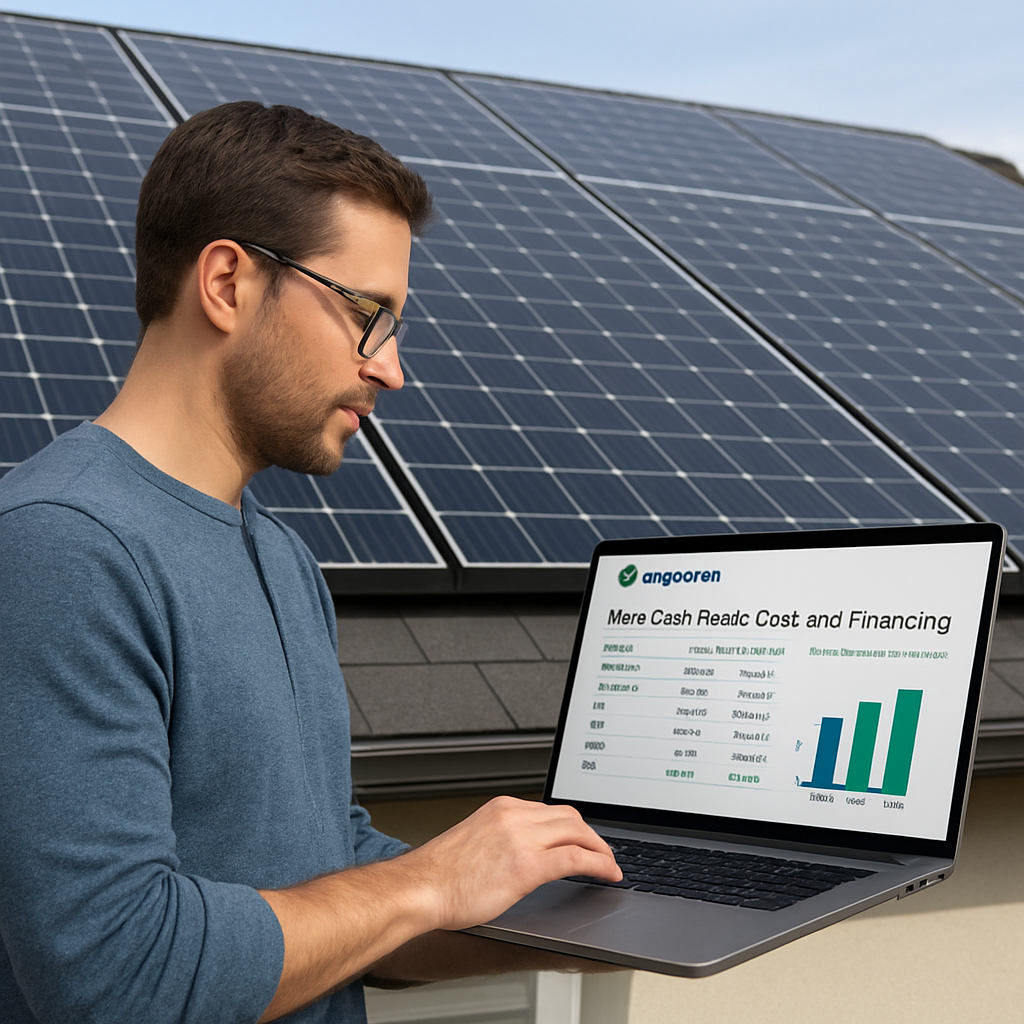
First up, the sticker price. On average Tesla panels run about $2.37 per watt, which translates to roughly $14,500 for a 6‑kW system and $29,000 for a 12‑kW system before any incentives. Those figures line up with the national averages you’ll see on IntegrateSun’s cost breakdown. If your roof is in good shape, you’re essentially paying for the panels, mounting rails, inverter, and the labor that ties everything together.
Up‑front costs vs. long‑term savings
Solar panels themselves are only about 12 % of the total install price. The rest is hardware, permits, and the installer’s overhead. EnergySage notes that a typical 12 kW home system costs around $29,649 before incentives, with the average per‑watt price hovering at $2.53 nationwide (EnergySage pricing data). That means you’re in the same ballpark whether you choose Tesla or a comparable brand.
Now, factor in the 30 % federal Investment Tax Credit (ITC). For a $20,000 system that’s a $6,000 credit – instantly shaving a chunk off the bill. Many states also throw in rebates or performance‑based incentives, which can push the net cost down even further. The trick is to capture every dollar you can before you sign the contract.
Financing paths that actually work
Most homeowners don’t have $30k sitting in the bank, so financing becomes the bridge. Here are the three routes we see most often:
- Solar loan: Zero‑down loans with terms of 10–15 years are common. Interest rates sit around 6‑8 % depending on credit. You own the system from day one, so you capture the full tax credit and any state rebates.
- Solar lease or PPA: You pay a fixed monthly fee and the installer retains ownership. This eliminates upfront cost, but you miss out on the tax credit and the long‑term ROI is usually lower.
- PACE financing: Your repayment is tacked onto property taxes. It’s a good fit if you want a long‑term, low‑interest plan and don’t mind the tax‑bill tie‑in.
Our experience at Pep Energy shows that a low‑interest loan paired with the federal credit usually beats a lease by 15‑20 % over the system’s life, especially for homeowners who plan to stay put for a decade or more.
Running a simple cash‑flow model
Grab a spreadsheet and plug in these basics:
- System size (kW) × your local $/W cost = total installed cost.
- Apply the 30 % ITC and any state rebates to get net out‑of‑pocket.
- Estimate annual production: system size × average peak‑sun hours in your zip code × panel efficiency (about 20 % for Tesla).
- Multiply annual kWh by your utility’s $/kWh rate to get yearly savings.
- Subtract your annual loan payment (or lease fee) to see net cash flow.
- Run the numbers for 25 years, applying a 0.5 % degradation each year.
If the net cash flow turns positive within the first five to seven years, you’re looking at a solid investment. For example, a 8 kW Tesla system in Phoenix (≈5.5 peak‑sun hours) produces roughly 9,800 kWh annually. At a utility rate of $0.14/kWh, that’s $1,372 in savings each year. After a $9,500 down payment (after ITC) and a $150/month loan, the system flips positive in year six.
Tips to tighten the bottom line
– Bundle with a Powerwall. When you add storage, you can offset evening demand and capture more self‑consumption, which bumps your effective savings by 5‑10 %.
– Ask for a roof‑prep discount. If your roof needs a few shingle replacements, many installers will knock off a few hundred dollars if you handle the prep yourself.
– Shop multiple quotes. Even a $0.10/W difference adds up. Our marketplace shows that getting three bids can shave $1,000–$2,000 off the final price.
– Consider a larger system. Bigger arrays have a lower $/W price thanks to economies of scale. Just make sure you have enough roof space and that your inverter can handle the extra kilowatts.
– Monitor performance. Use the Tesla app or a third‑party monitor to catch any under‑performance early. A drop below 85 % of name‑plate output after 25 years would be a red flag for warranty claims.
All of this sounds like a lot, but the core idea is simple: know your total cost, subtract every incentive, and compare that to the money you’ll actually save each year. When the numbers line up, you’ll feel confident that your Tesla solar panels are not just a pretty roof addition, but a smart financial move.
Durability, Warranty, and Maintenance
When the sun’s out, you want your Tesla solar panels to keep humming without you having to think about them. That’s why the durability story matters just as much as the sleek look.
Built to Brave the Elements
Tesla’s panels sit behind tempered glass on a polymer backsheet. In our experience that combo handles hail, wind, and UV exposure better than most standard rooftop products. The glass is rated for 2,000 mm hail impact – think of a baseball‑sized hailstorm that would dent a car roof, and the panel stays intact.
But durability isn’t just about surviving storms. Thermal cycling – the daily heating and cooling – can cause micro‑cracks over decades. Tesla’s engineering tolerances aim for less than 0.5 % power loss per year, which is in line with industry norms.
So, does that mean you can forget about your roof? Not quite.
Warranty – What’s Covered and For How Long
There are two pieces to the warranty puzzle: product and performance. The product warranty runs 10 years and covers defects in the glass, frame, and wiring. The performance warranty stretches to 25 years, guaranteeing at least 85 % of the original name‑plate output at the end of that period.
If you’re a residential homeowner, that 85 % clause translates to roughly a 0.5 % annual degradation – a figure you’ll see echoed in most reputable brands. Business owners often look at the long‑term guarantee when calculating depreciation schedules, so the 25‑year promise can be a nice line item on a financial model.
One tip we give clients: keep all warranty paperwork and take photos of the installation. If you ever need to file a claim, having a clear record speeds things up.
Maintenance – Keep the Panels Happy
Maintenance is where most people overthink. The truth? Tesla panels need very little regular care. A gentle rinse with a garden hose a few times a year clears dust, pollen, and bird droppings that can cause hot spots.
Here’s a quick checklist we hand out after each install:
- Inspect the glass for cracks or chips after severe weather.
- Check the mounting rails for loose bolts – the torque should stay within spec.
- Look at the inverter display (or the Tesla app) for any error codes.
- Schedule a professional inspection every 5 years to verify grounding and wiring integrity.
Don’t use pressure washers – the force can stress the sealant. And avoid abrasive brushes; a soft sponge does the job.
What about shading? Even a small branch that grows into the panel’s line of sight can shave off a few percent of output. Trim trees annually, or consider a low‑profile fence if you live in a windy area where branches sway into the sun.
Real‑World Stories
We recently helped a family in Tampa install a 7 kW system. Six months in, a hailstorm rattled the neighborhood, but the panels emerged spotless. Their 10‑year product warranty was still intact, and the performance monitor showed only a 0.3 % dip – well within the 0.5 % yearly expectation.
Another case: a boutique coffee shop in Portland added Tesla panels above their patio. After a year, the owner noticed a slight dip in output on a rainy day. A quick visual check revealed a bird’s nest on a mounting rail, which was safely removed. No warranty claim needed – just a little housekeeping.
Bottom Line Tips
1. Document the installation with photos – it pays off if you ever need a warranty claim.
2. Rinse panels with a hose twice a year; avoid harsh chemicals.
3. Inspect mounting hardware after any major storm.
4. Trim surrounding foliage regularly to prevent shading.
5. Schedule a professional check‑up every 5 years for peace of mind.
Following these steps lets you enjoy the clean‑energy benefits without worrying about hidden upkeep costs. Tesla solar panels are built to last, and with a solid warranty and a sensible maintenance routine, they can be a low‑maintenance part of your home or business’s energy strategy.
Customer Experience and Real‑World Reviews
When you’re scrolling through glossy brochures, the real question is: do Tesla solar panels actually work the way they promise? That’s why we lean heavily on real‑world stories and hard data instead of marketing fluff.
Most homeowners feel a mix of excitement and doubt the moment they sign the contract. You’re probably thinking, “Will this really cut my bill?” and “What if something goes wrong after the warranty expires?” Those worries are normal, and the best way to quiet them is to hear from people who’ve been in the same shoes.
What the numbers say
A recent Forbes‑cited survey found that 89.6% of solar owners are satisfied with their decision, citing lower bills, energy independence, and a smaller carbon footprint as the top reasons (source). That satisfaction translates into an average annual savings of $1,200 to $2,500, which adds up nicely over a 25‑year warranty.
But numbers only tell part of the story. Let’s hear a few concrete examples that illustrate the everyday reality of living with Tesla solar panels.
Real‑world snapshots
In Phoenix, the Garcias installed a 6 kW system on a south‑facing roof last summer. After the first scorching July, the panels peaked at 1,050 W and the family’s electric bill dropped from $210 to $85. A quick glance at their Tesla app showed a 0.4% performance dip after six months – exactly what the 0.5% yearly degradation predicts.
Up north in Denver, a boutique clothing store added 4.5 kW of panels to offset daytime lighting costs. Six months in, a squirrel built a nest on a mounting rail, causing a 3% dip on a cloudy Tuesday. The owners spotted the anomaly in the monitoring dashboard, removed the nest, and were back to full output without filing a warranty claim. It’s a reminder that a little housekeeping can protect your investment.
Over in Chicago, a small office converted a flat‑roofed warehouse to a 10 kW array. The biggest surprise? During a heatwave, panel temperatures climbed above 70 °C, shaving off about 5% efficiency. By installing a simple rear‑ventilation spacer, they brought module temperatures down 10 °C and reclaimed roughly 3% of lost production. The temperature‑efficiency relationship is explained in detail by 8MSolar (source), and it’s something every installer should factor in.
Actionable checklist for a smooth experience
- Document the install day with photos of each panel, the mounting rails, and the inverter. Those images become priceless if you ever need a warranty claim.
- Set up the Tesla monitoring app within 24 hours. Look for any error codes or sudden output drops, and note the time of day they occur.
- Schedule a quick visual inspection after the first big storm. Check for loose bolts, cracked glass, or debris that could shade a module.
- Rinse panels with a garden hose twice a year – no pressure washers, just a gentle spray to clear dust and bird droppings.
- If you live in a hot climate, ask your installer about ventilation spacers or a low‑profile mounting system that promotes airflow.
- Trim any trees that grow within three feet of the array each spring. Even a thin branch can shade a panel and cut output by a few percent.
Following these steps takes only a few minutes a year but can save you dozens of dollars in lost production.
One more tip we’ve seen work wonders: pair your panels with a Tesla Powerwall or another battery you already trust. When the sun sets, the stored energy keeps your home running and reduces the amount you have to pull from the grid, which further improves the ROI you saw in those satisfaction surveys.
Bottom line? Real‑world reviews show that Tesla solar panels perform reliably when you stay proactive about maintenance and monitoring. The combination of high owner satisfaction, documented performance numbers, and a few simple upkeep habits means you can enjoy clean energy without the anxiety of hidden surprises.
FAQ
How long do Tesla solar panels actually last?
In our experience, the panels come with a 25‑year performance warranty, which means they should still produce about 85 % of their original output after that period. Most owners see roughly a 0.5 % drop per year, so by year ten you’re still looking at around 95 % efficiency. Regular cleaning and a quick bolt‑tightening check after storms keep them humming longer.
Do Tesla solar panels work well in cold climates?
Yes, they do. Cold temperatures actually help solar cells operate more efficiently, so you’ll often see a slight boost in output on winter mornings. The only thing to watch is snow accumulation – a gentle brush or a roof‑safe snow rake clears the glass without damaging the frame. As long as the panels stay exposed, you’ll still capture a good chunk of sunlight.
Can I add a Powerwall to an existing Tesla solar panel system?
Absolutely. The Powerwall is designed to integrate seamlessly with the same inverter that runs the panels. If you already have the Tesla app set up, you’ll see the battery status appear alongside your panel production. Adding storage lets you shift evening usage to the stored sun, which can shave another 5‑10 % off your electric bill.
What maintenance does a Tesla solar panel array actually need?
Maintenance is pretty light. A garden hose rinse twice a year removes dust, pollen, and bird droppings that could cause hot spots. After any major storm, give the rails a visual check for loose bolts and glance at the glass for cracks. A professional inspection every five years is a nice safety net, but day‑to‑day you’re basically set‑and‑forget.
How much does shading affect Tesla solar panel performance?
Even a small branch that creeps into the panel’s line of sight can knock off a few percent of output. That’s why we always recommend trimming any foliage within three feet of the array each spring. If you have a larger tree nearby, consider a micro‑inverter or optimizer to keep the rest of the system running at full tilt.
Is financing a Tesla solar panel system worth it for a homeowner?
Most of our residential clients opt for a zero‑down solar loan, which lets them capture the full federal tax credit right away. When you compare the loan’s 6‑8 % interest to the savings of $1,200‑$2,000 a year, the break‑even point usually lands in the fifth or sixth year. That cash‑flow boost makes financing a smart move for long‑term owners.
What should I do if my Tesla solar panels underperform?
First, pull up the Tesla monitoring app and look for any error codes or sudden dips in production. Often the cause is something simple like a dirty panel or a loose bolt. If the numbers stay low after a visual check, contact your installer – they can run a performance test and, if needed, file a warranty claim under the 25‑year guarantee.
Conclusion
We’ve walked through everything from installation to warranties, and by now you probably have a clearer picture of what Tesla solar panels can do for your home or business.
At the end of the day, the decision comes down to three things: cost, performance, and how the system fits your lifestyle. If you value a sleek, integrated look and already trust the Tesla Powerwall for storage, the panels make a natural pair.
Remember the simple checklist we shared: verify roof condition, compare financing options, and set up the monitoring app within 24 hours. Those quick steps can shave weeks off any uncertainty and get you saving on your electric bill faster.
So, what’s the next move? Grab a few quotes, run the cash‑flow spreadsheet we described, and ask your installer about any roof‑prep discounts. A little homework now pays off in smoother installs and better long‑term ROI.
We’re here to help you navigate those details—whether you’re a residential homeowner looking to cut your bill or a business owner eyeing energy independence. Reach out, and let’s turn that sun into real savings.
Finally, keep an eye on your production numbers each month—small tweaks like clearing debris or adjusting a shade‑tree can keep the system humming at peak efficiency.