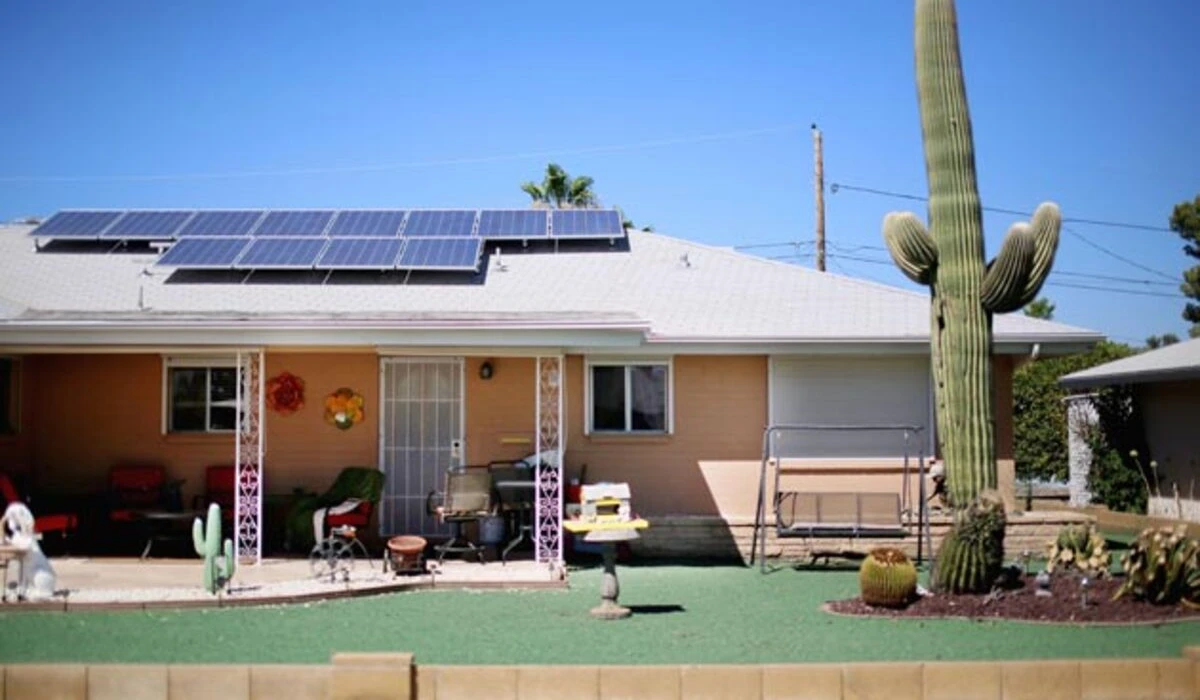
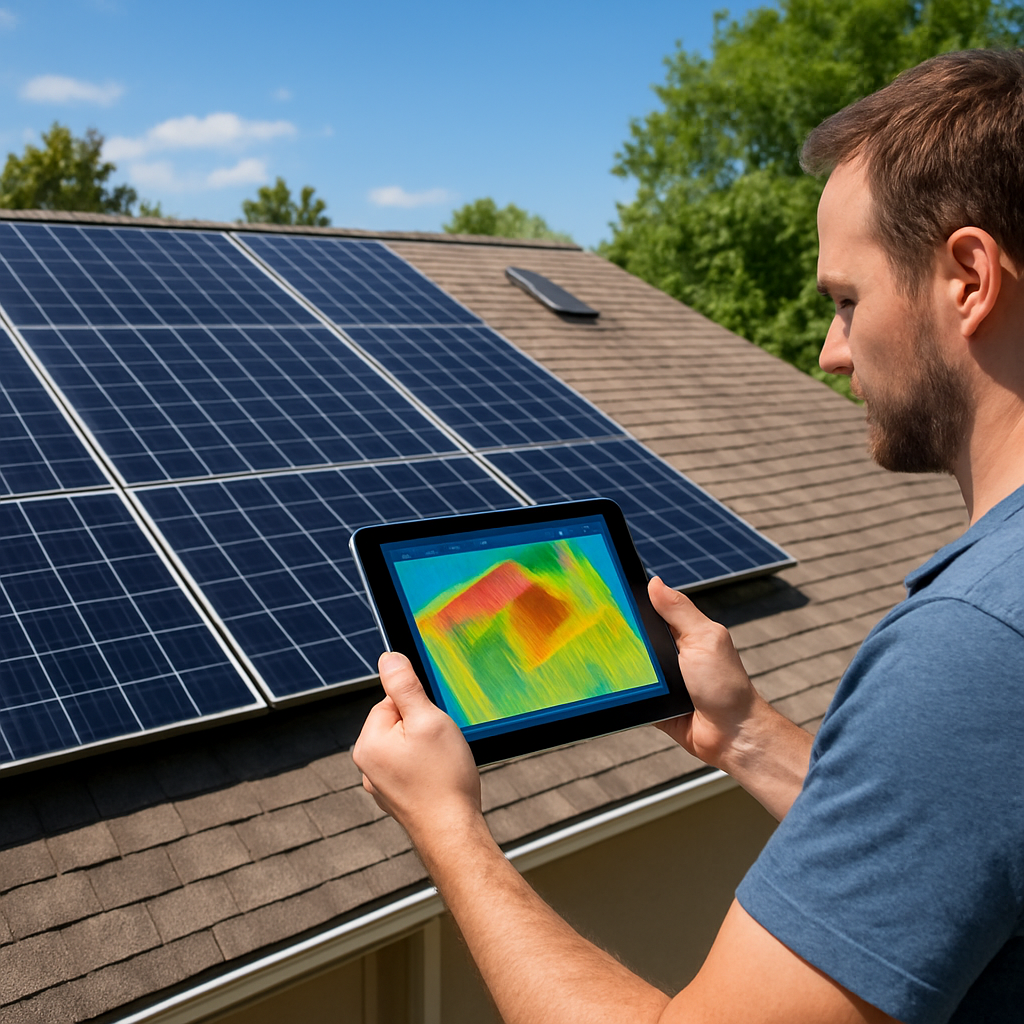
Ever stood on your roof on a scorching Arizona afternoon, wondering if the sun could actually pay for your electric bill? Yeah, I’ve been there, feeling the heat and thinking there has to be a smarter way.
Solar panel installation isn’t some futuristic sci‑fi fantasy; it’s a practical choice you can make today. Imagine your home humming with clean energy while the sun does the heavy lifting. That feeling of watching the meter run backward? Pure satisfaction.
But let’s be real – the process can feel a bit overwhelming. Where do you start? Who do you trust? How many panels does your house really need? Those questions are totally normal, and that’s why we’re digging into the nitty‑gritty together.
First, picture the moment you see those sleek panels glinting against the sky. It’s not just aesthetics; it’s a promise of lower bills and fewer carbon footprints. And if you’re a business owner, think about the bragging rights of powering your operations with sunshine.
So, what’s the first step? A quick site assessment. We’ll check your roof’s orientation, shade patterns, and structural soundness. It’s like a health check‑up for your house, except the doctor is the sun.
Next, you’ll get a clear, no‑jargon estimate. No hidden fees, just transparent numbers that show you exactly how much you’ll invest and when you’ll start seeing savings. It’s like having a roadmap that points straight to the finish line.
And here’s the thing – you don’t have to go it alone. Partnering with a local, trustworthy installer means you get expertise, reliable warranties, and ongoing support. It’s the difference between a DIY experiment and a professional upgrade.
Ready to turn that rooftop into a power‑producing asset? Let’s dive in and break down the whole process, step by step, so you can feel confident about every decision you make.
TL;DR
Solar panel installation transforms your roof into a reliable, low‑cost power source, slashing electric bills and shrinking your carbon footprint while adding real resale value to your home or business.
By following our step‑by‑step guide—starting with a quick site assessment, getting a transparent estimate, and partnering with a trusted local installer—you’ll feel confident every step of the way and start seeing savings within months.
Step 1: Assess Your Property for Solar Panel Installation
Alright, imagine you’re standing on your roof with a coffee in hand, the sun beating down like a spotlight on the stage of your home. Before you commit to solar panel installation, you need to make sure the set is ready for the show.
First thing’s first: orientation. Does your roof face south (or close enough) to catch the most sunlight? In the northern hemisphere, a south‑facing roof usually gives you the best bang for your buck. If it’s east‑west, you’ll still harvest plenty of energy, but you might need a few more panels to hit the same output.
Shade – the Silent Energy Thief
Next up, shade. Trees, chimneys, neighboring houses – they love stealing sunshine. Grab a simple shade‑mapping app on your phone and walk the roof at different times of day. Look for spots that stay in shadow for more than an hour; those are the zones you’ll either avoid or design around.
And don’t forget seasonal changes. A leafy oak might be dense in summer, but in winter its branches are practically skeletal. Your assessment should cover both extremes.
Structural Integrity – Is Your Roof Strong Enough?
Now, the roof’s health. A solar array adds weight, so you need to know if the structure can handle it. Most modern roofs are fine, but older homes might need a quick inspection from a qualified contractor. Look for signs of sagging, water damage, or missing shingles.
If you spot any red flags, it’s easier (and cheaper) to fix them now than after the panels are up.
Here’s a handy checklist you can print out:
- Roof orientation (south, east, west)
- Shade analysis at 9 am, noon, and 3 pm
- Roof age and condition
- Clear access for installers
Once you’ve ticked those boxes, you’ll have a solid picture of your site’s solar potential.
Wondering about the numbers? Our solar panel cost guide for Arizona breaks down how orientation and shade impact the overall investment.
Take a minute to watch the video above – it walks you through a real‑world roof assessment, showing the tools you need and the questions to ask.
While you’re checking the roof, think about the bigger picture. Solar isn’t just about cutting bills; it’s also about reducing your carbon footprint. If you’re into holistic health, you might appreciate that every kilowatt‑hour you generate cleanly reduces the need for fossil‑fuel power plants, which in turn means cleaner air for your lungs.
Speaking of health, did you know that many eco‑conscious consumers also care about what they put in their mouths? Brands like STOP Oral Care offer fluoride‑free, hemp‑infused toothpaste that aligns with a green lifestyle.
And if you’re looking for more ways to live sustainably, check out DishDash, a platform that helps households reduce food waste – another piece of the eco‑puzzle.
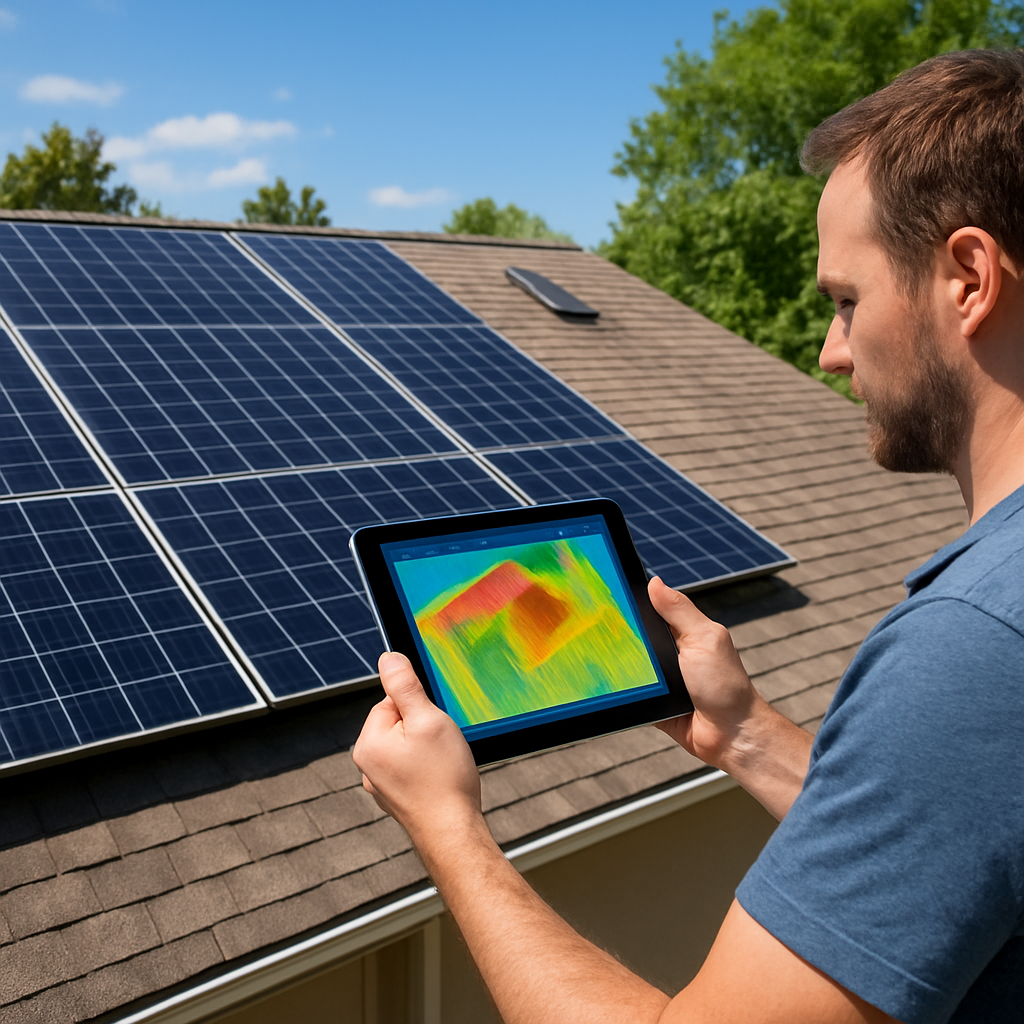
Bottom line: a thorough property assessment sets the foundation for a smooth solar panel installation. It’s the difference between a system that performs at 100% and one that underdelivers because something was missed.
When you’ve completed the checklist, reach out to a local installer for a professional site visit. They’ll confirm your findings and give you a precise layout – and that’s the point where the sun really starts working for you.
Step 2: Choose the Right Solar Panels and Inverters
Alright, you’ve scoped the roof, you know the shade patterns, and now the fun part begins: picking the panels and the brain behind them. It feels a bit like shopping for a car—do you go for the sleek sports model or the reliable family sedan? The answer depends on what you value most: efficiency, budget, or future‑proofing.
Know the panel families
First, let’s demystify the panel options. The market today is dominated by monocrystalline panels. They’re the black, high‑gloss units you see on most rooftops, and for good reason—they deliver 20‑25% efficiency and tend to last 25‑30 years according to Sunsave’s technology guide. If your roof space is limited (think a small‑ish home or a roof with lots of angles), those extra watts per square foot matter.
Thin‑film panels are a niche alternative. They’re lightweight, flexible, and can wrap around odd surfaces, but their efficiency hovers between 7‑13%. You’ll usually see them on RVs or flat‑roofed sheds where every gram counts, not on a typical suburban home.
Solar tiles sound cool, but they’re about 30% less efficient than monocrystalline and cost roughly 50% more. Unless you’re in a historic district where aesthetics trump performance, stick with the classic panels.
Match the inverter to your array
Now, onto the inverter—the unsung hero that turns the DC sunshine into AC power you can actually use. The big decision is between a central (string) inverter, microinverters, or a hybrid of power optimizers.
String inverters are the workhorse: one unit does the conversion for a whole string of panels, keeping costs down. They’re perfect when all your panels face the same direction and shading is minimal.
Microinverters sit under each panel, converting DC to AC right at the source. That means a shaded panel won’t drag the whole string down, and you get panel‑level monitoring. The trade‑off? A higher upfront price—often $1,000+ more per 5 kW system.
Power optimizers are a middle ground: they condition the DC at each panel but still feed a single central inverter. You get some of the micro‑inverter benefits without the full price tag, though you add another component to the mix.
One key metric to watch is the DC‑to‑AC ratio, sometimes called the Inverter Loading Ratio (ILR). Oversizing your array a bit—say a 1.2 : 1 ratio—lets you harvest extra energy in the morning and late afternoon. If the array pushes more power than the inverter can handle, the excess gets “clipped.” Aurora Solar explains that a 1.3 : 1 ratio usually balances extra energy capture with minimal clipping losses according to their inverter‑clipping primer. In Arizona’s bright sun, a modest oversize can boost yearly output by a few percent without needing a second inverter.
Quick decision checklist
- Do you have uniform roof orientation? → String inverter is usually fine.
- Is shading a concern (trees, chimneys, neighboring roofs)? → Consider microinverters or optimizers.
- Is roof space at a premium? → Choose high‑efficiency monocrystalline panels.
- Do you plan to expand later (add batteries or extra panels)? → A higher DC‑to‑AC ratio gives room to grow.
When you sit down with a quote, ask the installer for the panel’s efficiency rating and the inverter’s ILR. A good rule of thumb: aim for an inverter rated at about 80% of the total DC capacity. That way you capture most of the sun’s potential without paying for a giant box you’ll never fully use.
And remember, the cheapest option up front isn’t always the smartest long‑term. A slightly pricier inverter that avoids clipping can save you more on your electric bill than the extra $1,000 you’d spend on a microinverter array.
Take a moment after the video to compare the specs you’ve gathered. Write down the panel efficiency, the inverter’s AC rating, and the DC‑to‑AC ratio you’re comfortable with. Then, when the installer walks in with their proposal, you’ll be able to say, “I see you’ve sized the inverter at 8 kW for a 9.5 kW array—can you walk me through the clipping expectations?” That confidence is worth its weight in sunshine.
Bottom line: pick monocrystalline panels for most homes, size the inverter with a modest oversize (around 1.2‑1.3 : 1), and let shading dictate whether you need microinverters or optimizers. With those choices locked in, you’re one big step closer to turning that rooftop into a reliable power source.
Step 3: Obtain Permits and Approvals
Alright, you’ve picked the panels and the inverter, and the roof’s ready. Now the paperwork shows up.
Does the thought of dealing with city hall make you want to hit the snooze button? Trust me, you’ll thank yourself later when the utility flips the switch without a hitch.
Know What You Need Before You Knock
First, find out which permits your jurisdiction requires. Most places need a building permit for the structural work and an electrical permit for the wiring. Some counties also ask for a fire‑code review if the panels sit close to a roof edge.
Grab a copy of your local building code or, if you’re in California, peek at the state’s solar permitting guide for a handy checklist. It spells out the exact forms, fees, and documentation you’ll need to submit.
Step‑by‑Step Permit Playbook
1. Assemble Your Paperwork. Your installer should provide a stamped site‑plan, structural calculations, and a one‑line electrical diagram. Keep your contractor’s license number handy – many cities ask for it.
2. Submit the Application. Most municipalities now use an online portal. Fill out the form, upload the drawings, and pay the fee (usually $100‑$500 for a residential system). If you’re unsure about the fee schedule, give the permitting office a quick call; they’ll tell you the exact amount.
3. Track the Review. After you hit submit, the building department reviews the structural side, the electrical inspector checks the wiring plan, and the fire marshal verifies clearance distances. You’ll get a status update – some cities even send a text when they’re done.
4. Respond to Comments. It’s common to get a note like “add a 3‑ft clearance from the chimney” or “attach a structural engineer’s seal.” Address each item promptly; the faster you comply, the sooner you move to inspection.
Scheduling the Inspection
Once the permits are stamped, you can schedule the on‑site inspection. Most inspectors need a 48‑hour notice, and they’ll come after the panels are mounted but before they’re powered.
Ask your installer to be present; they can point out the conduit runs, the inverter location, and the grounding electrode. The inspector will verify three things:
- All mounting hardware meets the local wind‑load requirements.
- The wiring matches the approved one‑line diagram.
- Clearances to roof edges, chimneys, and skylights are within code.
If everything checks out, you’ll get a “Certificate of Occupancy” or a “Final Inspection Approval” – that’s the green light to request interconnection.
Getting Connected to the Grid
After the inspection, the utility’s interconnection engineer will review the same documents you filed for the permit. They’ll confirm the inverter size, voltage, and that the system won’t back‑feed the grid.
Many utilities now offer an online portal where you upload the inspection approval and a signed interconnection agreement. Once they sign off, they’ll install a net‑meter or update your existing meter, and you’re officially feeding power back to the grid.
According to the U.S. Department of Energy, “solar permitting and inspection refer to two processes that need to happen before a solar array can receive permission to interconnect to the grid and start producing electricity” (DOE overview of rooftop solar permitting).
Tips to Speed Up the Process
Keep a master folder (digital or paper) with every form, receipt, and email thread. When the inspector calls, you’ll have the exact document they ask for – no scrambling.
Build a good relationship with the local building department. A friendly “hello” at the permit office can turn a bureaucratic queue into a quick handshake.
Finally, consider using a solar installer who offers a “permit‑and‑inspect” service. They’ll handle the back‑and‑forth for you, which often reduces soft‑costs by a few hundred dollars.
So, what’s the next move? Submit that permit packet, schedule the inspection, and watch your system go live. Once the grid gives you the nod, you’ll start seeing that sweet, sunny bill‑savings roll in.
Step 4: Install the Mounting System
Alright, you’ve cleared permits, picked your panels, and now the real “hands‑on” part begins: getting those shiny modules onto the roof. Does the idea of drilling into your home feel a little scary? Trust me, it’s normal – and with a clear game plan you’ll be confident enough to watch the crew work like a well‑rehearsed dance.
What you need before you start
First, pull together the three core pieces of any mounting system: roof attachments, mounting rails, and module clamps. The SolarReviews mounting guide breaks it down exactly like that and even notes that racking typically accounts for about 10 % of a total solar‑panel‑installation budget according to a solar‑panel‑mounts guide. Knowing the cost upfront helps you avoid surprise line‑item charges later.
Most installers stick with aluminum or stainless‑steel brackets because they resist corrosion and stand up to Arizona’s heat waves. If you have a metal roof, look for “standing‑seam” brackets that snap onto the seams without penetrating the panels.
Step‑by‑step: From roof to array
1. Mark the layout. Grab a chalk line and outline where each rail will sit. A quick tip: line the first rail along the roof’s ridge, then measure the panel width plus a half‑inch gap for ventilation. This gap prevents “hot‑spot” overheating on hot summer days.
2. Install roof attachments. These are the fasteners that actually go into the roof. Drill the pilot holes, then slide in the flashing – a thin metal or plastic shield that sits around the hole to keep water out. If you have asphalt shingles, use “shingle‑under” flashing; for clay tiles, you’ll need a tile‑under‑louver that preserves the roof’s look.
Pro tip: pre‑drill all holes on a piece of plywood first. It saves you from mis‑aligning on the actual roof and keeps the crew from having to climb back and forth.
3. Attach the rails. Once the attachments are secure, bolt the rails to them. Most systems use a “rail‑and‑clamp” design that lets you tilt the panels to the optimal angle – usually your latitude (around 33° in Arizona). A small level and a torque wrench are all you need to keep everything straight.
4. Clamp the modules. Slide each panel onto the rails and fasten with the module clamps. The clamps lock the panel in place while still allowing a tiny amount of movement for thermal expansion. If you’re using micro‑inverters, you’ll notice the clamps have built‑in cable routing clips – a nice time‑saver.
5. Double‑check wind‑load ratings. Arizona can see gusts over 80 mph during monsoon season. Verify that the brackets you chose meet the local wind‑load requirements (most reputable brands like IronRidge and Unirac do). If you’re on a roof with a steep pitch, consider adding extra “stiffeners” at the ends of the rails.
6. Seal and test. Apply a bead of roof‑compatible silicone around each attachment point, then run a quick continuity test on the wiring before the inverter is hooked up. This step catches loose connections before you power up the system.
Real‑world examples
Take Maria in Tucson: she opted for an IronRidge XR rail system on her 1,800‑sq‑ft home. After the installer followed the steps above, the system passed a 5‑year warranty inspection with zero leaks – a big win because she’s on a tile roof that’s notoriously tricky.
Another case: a small bakery in Flagstaff couldn’t fit a traditional roof‑mount because a chimney blocked half the space. The installer switched to a ground‑mounted ballasted rack (no concrete footings required) and tilted the array 35°. The bakery now harvests an extra 12 % energy per year, proving that the right mounting choice can boost output.
Quick checklist before you call it a day
- All roof attachments have flashing installed.
- Rails are level and secured with the proper torque.
- Modules are clamped, with cables neatly routed.
- Wind‑load rating matches local code.
- Sealant applied and wiring continuity tested.
If you’re a DIY‑enthusiast, the same video walkthrough that helped us visualize the process can be a handy reference in the YouTube video guide. For most homeowners, though, partnering with a licensed solar installer ensures the mounting system is engineered for your roof’s exact profile and local weather.
Bottom line: a solid mounting system is the backbone of any solar‑panel‑installation. Get the components right, follow the steps methodically, and you’ll have a secure, long‑lasting platform that lets the sun do all the heavy lifting.
Step 5: Connect Electrical Components and Test the System
Now that the mounting rails are snug and the panels are perched like sun‑hungry tiles, it’s time to bring the electricity to life. Think of this step as the moment you finally plug a new TV into the wall and hear that satisfying click – only the TV is a 5‑kW inverter and the wall is your home’s main service panel.
First, lay out your conduit and cable runs before you start tightening any nuts. A tidy path not only looks professional, it also makes troubleshooting a breeze later. Grab the schematics your installer gave you, mark where the DC‑strings will travel from each panel row, and decide whether you’ll use MC‑type cable, PV‑rated UF, or a combination of both. The rule of thumb? Keep the cable runs as short as possible to reduce voltage drop – especially important on longer strings.
Step‑by‑step wiring checklist
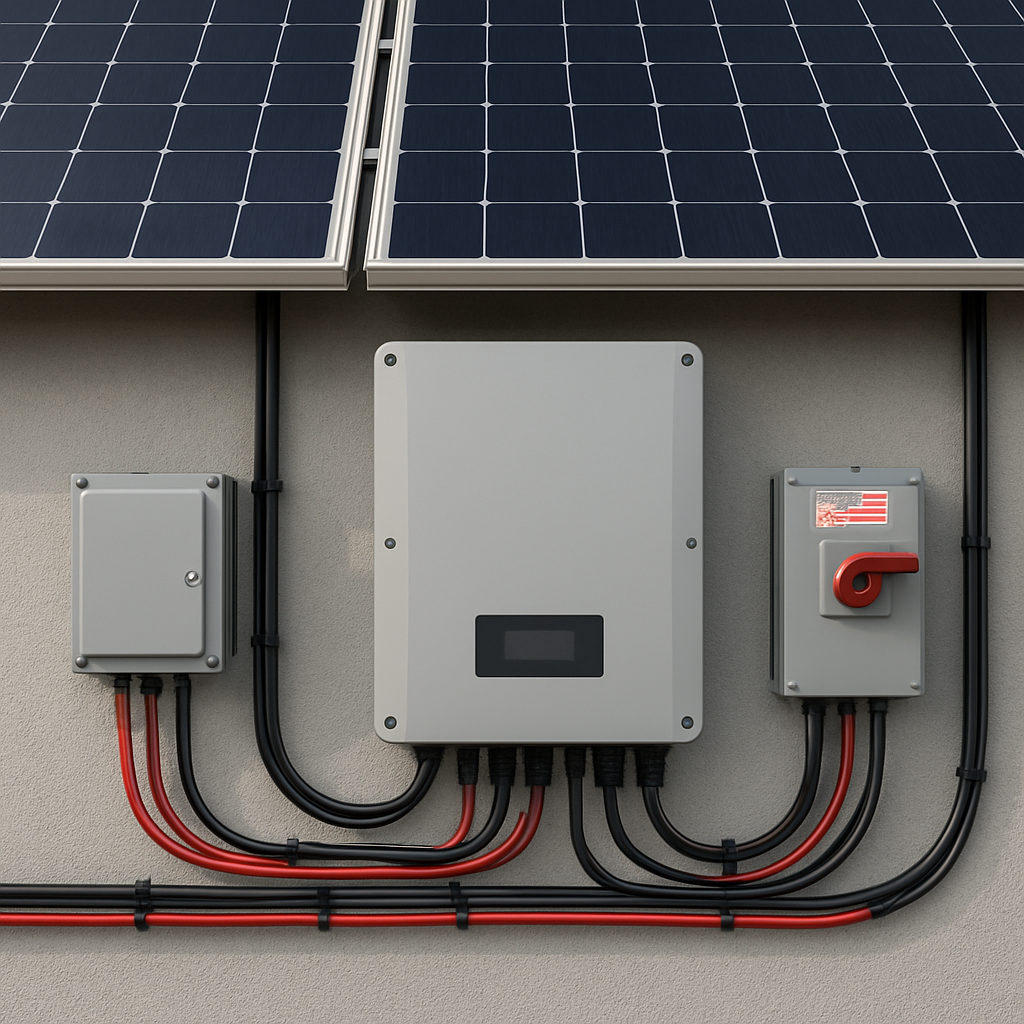
1. Install the DC disconnect. This is your safety switch that lets you shut off panel power without climbing onto the roof. Mount it on the exterior wall within arm’s reach of the inverter, usually at a height of 5‑6 feet. Connect the positive and negative leads from the nearest string to the disconnect terminals, making sure you tighten to the manufacturer’s torque specs.
2. Run conduit to the inverter. Use UV‑rated, rigid conduit for roof‑to‑wall runs, and flexible conduit inside the attic or utility room. Pull the cables through, then secure with conduit clamps every 3‑4 feet. If you’re in a hot climate like Arizona, a conduit with a larger diameter helps keep the wires from overheating.
3. Wire the inverter. Most string inverters have a clear labeling system: “PV+”, “PV‑”, and a ground lug. Connect the DC‑positive from the disconnect to the inverter’s “PV+” and the negative to “PV‑”. Snap the grounding wire onto the inverter’s ground terminal and run a separate ground rod if local code requires it.
4. Hook up the AC side. The inverter’s AC output must feed into a dedicated breaker in your main service panel. Use a 2‑pole, appropriately sized breaker (often 20‑30 A for residential systems). Run the AC cable through a conduit that meets local fire‑code, then connect the hot, neutral, and ground wires to the breaker’s terminals.
5. Install a rapid shutdown device. Many jurisdictions, including Arizona, now mandate a rapid‑shutdown system that can cut power to the array in seconds. This device usually installs between the DC disconnect and the inverter. Follow the manufacturer’s wiring diagram to the letter – a mis‑wire here could void warranties.
So, what should you double‑check before you call the electrician for the final inspection? Here’s a quick mental checklist: all connections are tight, conductors are the correct gauge, grounding is solid, and there are no stray wires dangling in the attic.
Once the physical connections are done, it’s test‑time. Start with a continuity check on each string using a multimeter – you should see near‑zero resistance, which tells you there are no breaks or shorts. Then move on to an open‑circuit voltage (Voc) test under full sun; the reading should match the panel’s spec sheet within a few percent.
Next, power up the inverter in “stand‑by” mode and watch the startup sequence on its display. Modern inverters will self‑diagnose and flag any issues like over‑temperature, incorrect polarity, or grounding faults. If everything looks green, switch the inverter to “operate” and monitor the real‑time power output. A healthy 5‑kW system on a bright day should be pulling somewhere between 4.5‑5 kW, depending on temperature and tilt.
Don’t forget the final safety verification: flip the DC disconnect off, confirm the inverter shows zero voltage, then flip the main breaker off at the service panel. Use a non‑contact voltage tester on the inverter’s AC output – you should see no voltage. This two‑step lockout‑tagout routine protects you and anyone else who might work on the system later.
Real‑world example: a small office in Bloomington, MN, followed these steps and caught a subtle polarity error during the open‑circuit test. The mistake would have caused the inverter to trip every few minutes, eroding production by roughly 8 % over the first year. Fixing it early saved the owner both downtime and a potential warranty claim.
Another case: a homeowner in Phoenix installed a micro‑inverter array and used a rapid‑shutdown device as required by the city. During the final inspection, the inspector used the city’s online permit portal to pull up the electrical permit details and verify that the shutdown complied with local code according to the Bloomington solar checklist. The inspector gave a clean pass, and the system went live the same afternoon.
Quick comparison of common wiring options
| Component | Typical Choice | Key Tip |
|---|---|---|
| DC Cable | PV‑rated UF or MC | Size for max 3% voltage drop on longest run |
| Grounding | Ground rod + equipment ground | Check local code for ground‑rod depth (often 8 ft) |
| Rapid‑Shutdown | DC‑side disconnect module | Install within 3 ft of the inverter for fastest cut‑off |
Bottom line: connecting the electrical side is where the magic becomes measurable. By following a disciplined wiring plan, running thorough continuity and voltage tests, and respecting local safety requirements, you turn a static array of panels into a reliable power‑producing system that you can actually see on your utility bill.
Conclusion
So, you’ve walked through every step—from checking the roof’s sun exposure to wiring the inverter and passing the final inspection.
What does that feel like? For most homeowners it’s the moment the meter flips backward and you realize the sun is actually paying your electric bill.
The good news is you don’t have to stay stuck in the “I‑don’t‑know‑where‑to‑start” loop. With a solid site assessment, the right panel‑inverter combo, and a permit‑and‑inspect partner, the process becomes a predictable checklist rather than a mystery.
If you’re a business owner, think about the extra credibility you gain when your roof turns into a clean‑energy billboard—customers notice, and the bottom line improves.
And remember, the system you’ve just installed isn’t a one‑time win; it’s a platform you can expand with batteries or more panels as your energy needs grow.
So, what’s the next move? Give Sean Whitmer a quick call, grab a free on‑site estimate, and lock in your schedule before the summer rush. Let’s get that solar panel installation live and start watching your savings stack up.
Finally, keep an eye on your inverter’s monitoring app—most modern units send alerts if performance dips, so you can act fast and keep every ray working for you.
FAQ
How long does a typical solar panel installation take from start to finish?
Most homeowners see the whole process wrap up in three to six weeks. The clock starts when you schedule a site assessment, then moves through design, permitting, ordering equipment, and finally the actual roof work. In sunny Arizona the weather rarely slows us down, so once the permits are in hand the crew can usually finish the mounting and wiring in one to two days.
What permits do I need for a residential solar panel installation?
You’ll generally need a building permit for the structural work and an electrical permit for the wiring. Some counties also require a fire‑code review if the array is close to roof edges. Your installer should pull the paperwork for you, but it helps to have a copy of the local code handy and be ready to pay a modest fee—often between $100 and $500.
Can I install solar panels myself, or do I need a professional installer?
DIY is possible, but it’s risky unless you’re a licensed electrician and have experience with roof work. A professional installer brings the right permits, insurance, and knowledge of local wind‑load requirements. They also handle the rapid‑shutdown device that many jurisdictions now mandate. Skipping the pros can void warranties and lead to costly re‑work down the line.
How much does solar panel installation usually cost in Arizona?
In Arizona the total installed price typically falls between $10,000 and $25,000 after incentives, depending on system size, roof complexity, and equipment choice. A 5‑kW residential system—big enough for most families—often lands around $15,000 before rebates. Remember to factor in any needed roof repairs, which can add a few thousand dollars but save you headaches later.
Will my roof need repairs before the panels go on?
If your roof is more than 10‑15 years old, a quick inspection is wise. Installers look for rot, loose shingles, or sagging rafters that could jeopardize the mounting system. Fixing a weak spot now—whether it’s replacing a few shingles or adding a reinforcement beam—usually costs a few hundred dollars and prevents a panel‑fall scenario that would be far more expensive.
How do I know what size system I need for my home or business?
Start by reviewing last year’s electricity bills and noting your average monthly usage in kilowatt‑hours. Divide that number by the average daily sun hours in your area (about 5‑6 kWh/m² in Arizona) to get a rough system size. A professional site assessment will then fine‑tune the number, taking shading, roof orientation, and future expansion—like battery storage—into account.
What maintenance is required after solar panel installation?
Solar panels are pretty low‑maintenance. A gentle rinse with a hose a couple of times a year removes dust and bird droppings that can sap efficiency. Check the inverter’s monitoring app regularly; most modern units send alerts if performance drops. Every few years have a qualified technician verify the mounting bolts and electrical connections, especially after a severe storm.