
Picture this: you walk into your office and the electric bill you’ve just opened looks like a small novel—pages of numbers you can’t make sense of.
That feeling of helplessness is exactly why more business owners are turning to commercial solar. It’s not just a buzzword; it’s a practical way to cut costs, boost sustainability, and future‑proof a facility.
But you might be wondering, “Is solar really worth the hassle for my company?” The short answer is yes, and the longer answer is that the answer depends on a few simple factors we’ve seen play out time and again.
First, think about your energy consumption pattern. If your lights stay on late, your HVAC runs nonstop, or your production line never sleeps, those kilowatts add up fast. Commercial solar panels can offset a big chunk of that load, turning sunshine into savings.
Second, consider the financial side. With options like solar leases, power purchase agreements, and tax incentives, the upfront spend can be spread out or even eliminated. We’ve helped businesses in Phoenix and Mesa lock in predictable monthly costs that are often lower than traditional utility rates.
And then there’s the brand impact. Customers and partners increasingly value green credentials. A solar array on your roof says, “We care about the planet and our bottom line.” It’s a silent marketing tool you don’t have to shout about.
So, where do you start? Start by asking yourself three quick questions: What’s your current electric spend? How much roof space do you have? And are you ready to explore financing options that match your cash flow?
In the next sections we’ll break down those questions, walk through the basics of sizing a system, and show you how Pep Energy can make the transition smooth. Ready to turn that daunting bill into a story of savings?
TL;DR
If your business’s electric bill feels like a novel, commercial solar can turn that page into steady savings and cleaner branding by harvesting rooftop sunshine and locking in low‑cost power.
We’ll walk you through sizing, financing options like leases or PPAs, and the simple steps to start saving—so you can focus on growing your business.
List Item 1: Benefits of Commercial Solar for Businesses
Imagine opening your monthly utility bill and seeing a line that says, “$0 due.” That feeling of relief? It’s what many businesses experience after they go solar.
1. Slash Your Energy Costs
Commercial solar can cut electricity expenses anywhere from 20% to 70%, depending on your usage pattern. Take the American Family Insurance headquarters in Madison – a 1.2 MW rooftop system now supplies over 7% of its power, translating into $5.6 million in savings over 30 years. For a midsize Phoenix retailer, that could mean a few hundred thousand dollars back in the bank.
In our experience, the biggest win comes when you pair the system with a solar lease or PPA, so you start saving from day one without a hefty upfront outlay.
2. Predictable, Stable Expenses
Utility rates are notorious for creeping up each year. Solar locks in a known production rate, turning a volatile expense into a fixed, predictable one. Think of it like a subscription you already know the cost of – no surprise spikes.
And if you’re already juggling an Office 365 migration project, adding solar to the mix gives you a double‑dose of stability: digital tools stay online and your lights stay on without breaking the budget.
3. Tax Credits, Incentives, and Cash‑Back
The federal Investment Tax Credit (ITC) currently sits at 30% of system costs, and many states throw in extra rebates. SunPeak’s work with Central Storage & Warehouse in Wisconsin shows how stacking incentives can make a project cash‑flow positive from day one.
Don’t forget local utility rebates – they can shave another 5‑10% off the price tag. The math works out quickly: a 500 kW system costing $1.3 million could see $400 k in combined incentives, slashing the net spend dramatically.
4. Boost Your Brand and Win Customers
Consumers are more likely to choose a company that shows a genuine commitment to sustainability. A rooftop array is a silent billboard that says, “We care about the planet and our bottom line.” Lowe’s rolled out solar at seven Illinois stores and proudly highlighted the move in their marketing – sales ticked up as shoppers gravitated toward the green image.
Even your employees notice. When the office feels bright and the company talks about clean energy, morale gets a subtle lift.
5. Energy Resilience and Backup Power
Imagine a summer storm knocks out the grid. With a solar‑plus‑battery setup, critical loads stay alive – think HVAC for a data center or refrigeration for a cold‑storage warehouse. Tyson Foods in Aurora, MO, paired a ground‑mount system with storage to keep its feed mill humming, avoiding costly downtime.
For businesses that can’t afford any interruption, this resilience is worth its weight in gold.
6. Increase Property Value
Commercial properties with solar installations typically command a premium when it comes time to sell or lease. A study of office buildings in Arizona found that solar‑equipped assets sold for up to 5% more than comparable structures.
And because the system is owned or under a long‑term PPA, the new owner inherits the savings without having to renegotiate financing.
Want to see a real‑world example close to home? Check out PEP Energy – they’ve helped dozens of Arizona businesses capture these exact benefits.
Lastly, a small perk: employees who spend hours under natural light often report fewer eye strain issues. Some even opt for photochromic lenses to reduce glare on sunny days, a tiny reminder that comfort and sustainability can go hand‑in‑hand.
List Item 2: Top 5 Commercial Solar System Types
When you start looking at “commercial solar,” the first thing most people wonder is – which system actually fits my building’s shape, budget, and energy goals? The answer isn’t one‑size‑fits‑all. Below are the five most common commercial solar system types we see day‑in, day‑out, plus a quick guide on how to choose.
1. Rooftop Fixed‑Tilt Systems
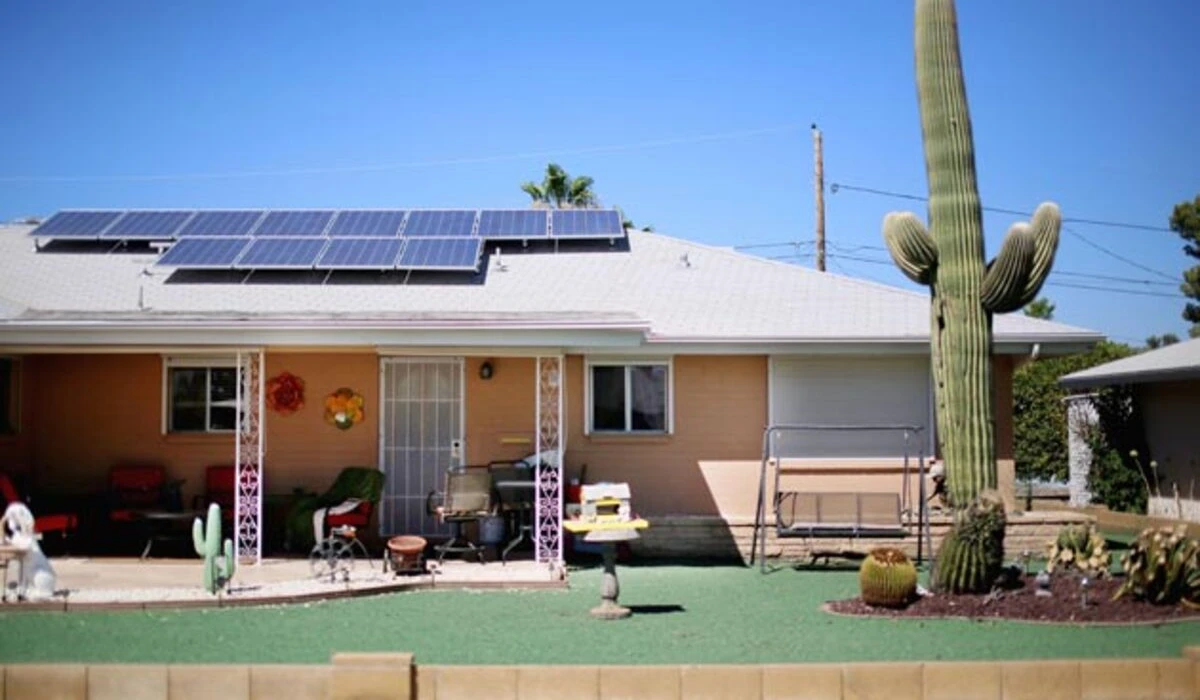
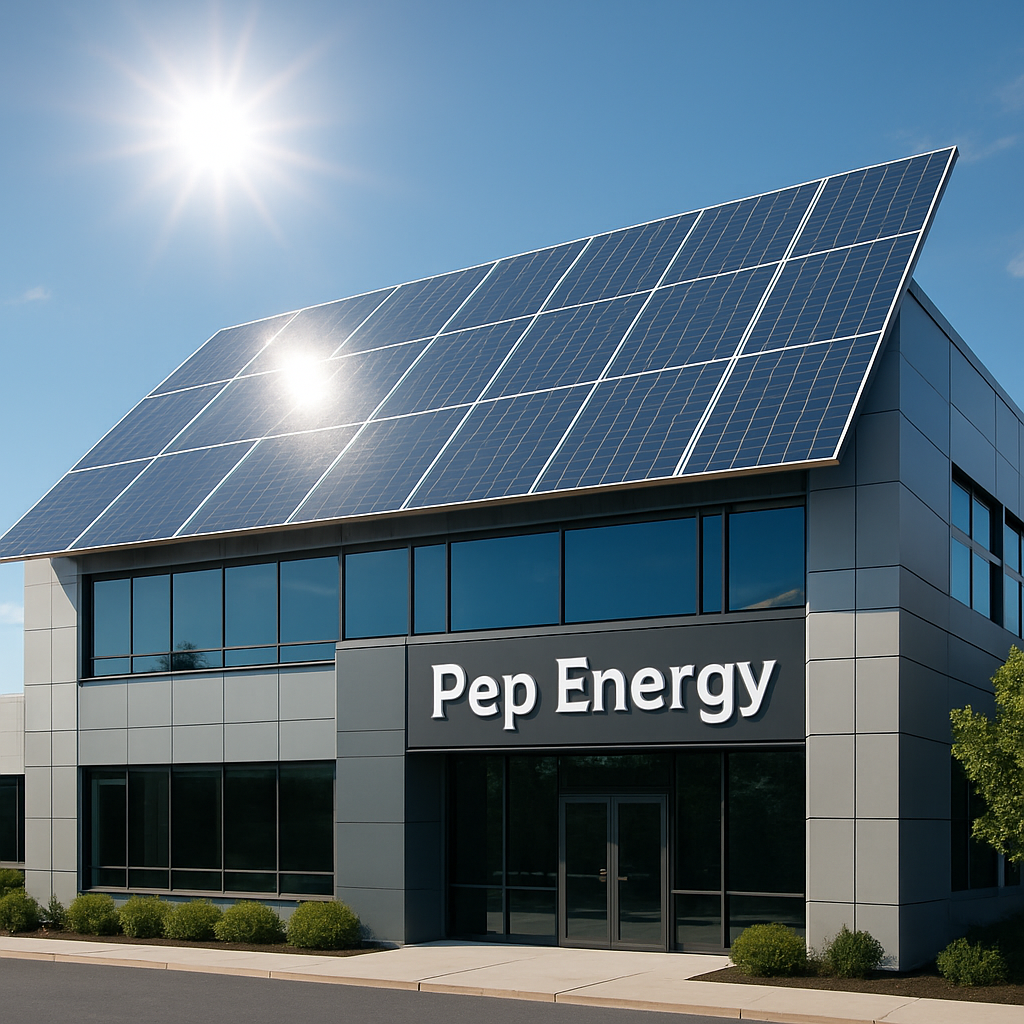
These are the classic panels you picture on a warehouse roof. Panels are mounted at a set angle that’s optimized for your latitude, so they soak up the most sun year‑round without moving parts. Because the array lives right on your existing roof, you avoid land‑use costs.
Real‑world example: A Phoenix distribution center installed a 350 kW rooftop system and trimmed its electricity bill by roughly 30 % within the first year. The company kept the same roof structure, added a lightweight mounting system, and qualified for a 30 % federal ITC.
Action tip: Before you commit, have a structural engineer confirm the roof can support the extra load – a quick check that saves costly retrofits later.
2. Ground‑Mount Solar Arrays
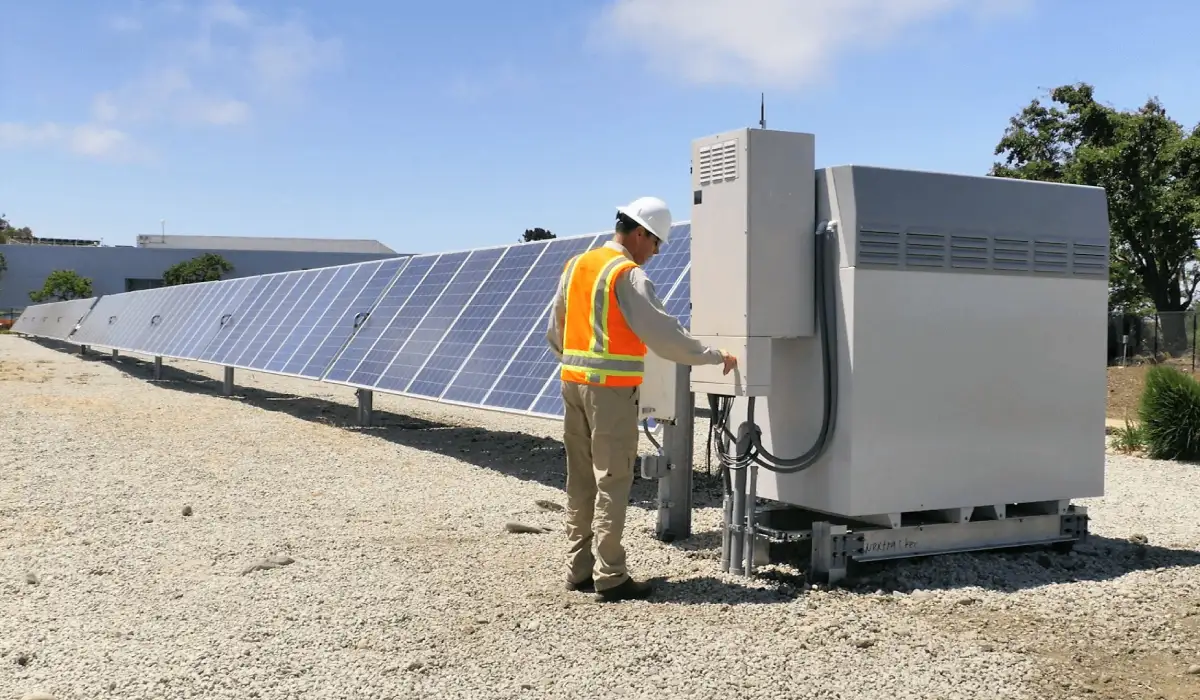
When roof space is limited or the roof isn’t strong enough, you can go down to the ground. Ground‑mounts let you use larger panels (often 45” x 90”) and you can even add tracking for extra output.
Example: A food‑processing plant in Kansas spread a 2 MW ground‑mount system over a previously unused lot. The plant saw a 45 % reduction in peak‑demand charges because the array was sized to match its heavy‑load hours.
Quick step: Map out any shading obstacles (trees, nearby buildings) early – even a small shadow can knock off 10‑15 % of production.
3. Carport & Canopy Solar
These systems turn parking lots into power plants. Panels are elevated on a steel frame, creating covered parking while generating electricity. It’s a win‑win for businesses that want to offer shade, protect vehicles, and add renewable energy.
Case in point: A retail chain in Arizona built a 500 kW carport over its customer parking. Not only did they harvest about 650 MWh annually, they also attracted eco‑conscious shoppers who noticed the visible solar footprint.
Pro tip: Pair the carport with a battery system to capture excess midday generation and discharge it during evening peak periods.
| System Type | Typical Use Case | Key Benefits |
|---|---|---|
| Rooftop Fixed‑Tilt | Warehouses, office buildings with sturdy roofs | Low land cost, fast permitting, 30 % ITC eligibility |
| Ground‑Mount | Industrial sites, farms with open land | Scalable, can use trackers, higher energy yield |
| Carport/Canopy | Retail parking lots, campuses | Provides shade, extra revenue from EV charging, branding |
| Bifacial Panels | Flat roofs, reflective surfaces | Up to 10 % more output from rear‑side generation |
| Solar + Storage | Any facility needing resilience | Backup power, demand‑charge reduction, grid services |
4. Bifacial Solar Panels
Bifacial modules generate electricity from both front and back sides, capturing reflected light off the roof or ground. They’re especially effective on white‑membrane roofs or with a ballast‑mount system that lifts panels slightly off the surface.
Take a data‑center in Nevada that switched to bifacial panels on its flat roof. The system’s annual production jumped about 8 % compared with a standard monofacial array, shaving $120 k off the electricity bill each year.
What to watch: Make sure the mounting structure allows airflow underneath – otherwise you’ll lose the rear‑side gain.
5. Solar + Battery Storage
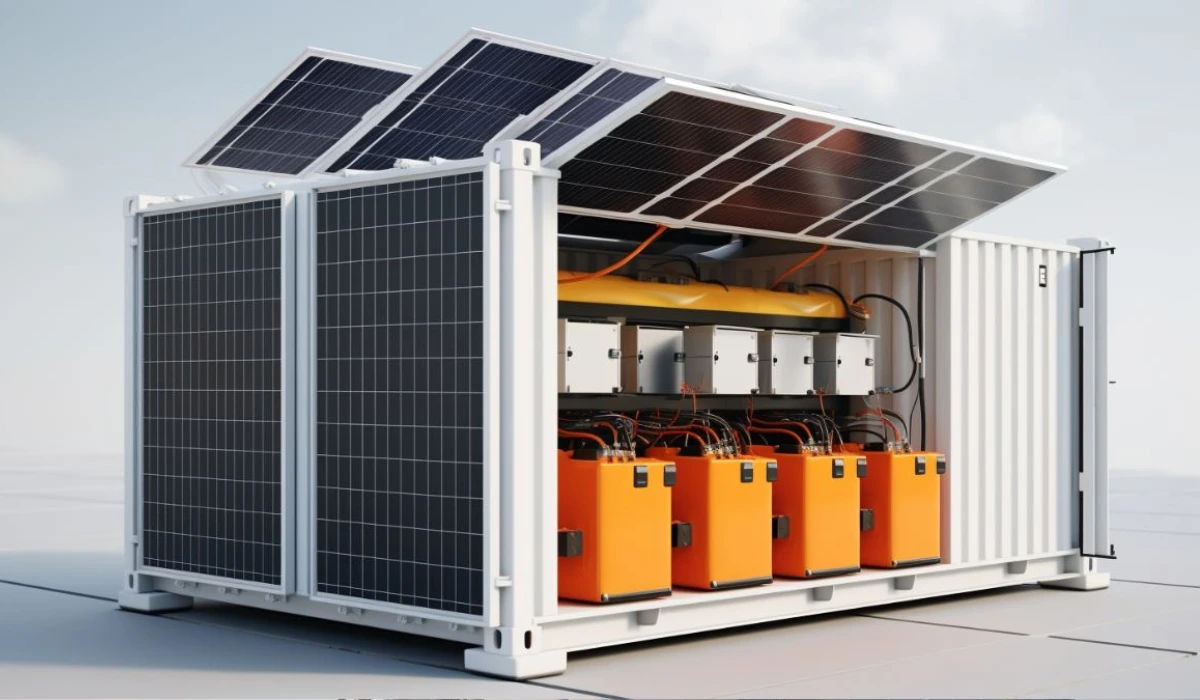
Adding batteries turns a solar array into a resilient power source. When the grid goes down, the battery kicks in to keep critical loads alive. It also lets you store cheap midday sun and use it during expensive peak‑demand windows.
Example: A medical‑equipment manufacturer in Texas paired a 1 MW rooftop system with a 2 MWh lithium‑ion battery. The battery covered 70 % of their peak demand, cutting the utility’s demand‑charge bill by $200 k annually.
Financing tip: Many businesses fund storage through a Power Purchase Agreement (PPA). A PPA lets you buy the electricity the system produces without upfront capital, as explained by Solar Technologies’ guide on commercial solar financing solar PPA financing.
So, which system feels like the right fit for your operation? Start by answering three quick questions: Do you have ample roof space? Is land available for a ground‑mount? Do you need backup power for critical equipment? Once you have those answers, you can match them to the table above and move forward with a detailed site‑assessment.
Need a deeper dive on panel sizes and warranties? Paradise Solar breaks down the differences between commercial and residential panels, including the typical 12‑ to 15‑year product warranty you’ll see on most commercial modules commercial solar panel specs. Armed with that knowledge, you’ll be ready to pick the system that delivers the biggest ROI for your business.
List Item 3: How to Evaluate Solar Installation Costs
Ever got a solar proposal that looks more like a novel than a quote? You’re not alone – the numbers can feel overwhelming, especially when every line item has its own jargon.
What if we break it down the way we’d compare grocery prices: item by item, with a quick sanity check at the end? Below is our step‑by‑step listicle for turning that big, scary spreadsheet into a clear picture of what you’re really paying for.
1. System Size & Scale
The bigger the system, the higher the upfront dollar amount, but the cost per watt usually drops. Paradise Energy’s detailed cost guide explains that “the cost per watt actually decreases for larger systems” because permitting and design fees stay relatively flat while you add more panels.
Start by estimating the portion of your electricity you want to offset. A 250 kW roof‑mount might cost $350,000, while a 1 MW ground‑mount could land around $1.2 million. Write those figures down and compare them to your annual utility bill – you’ll see the “price per saved kilowatt‑hour” start to make sense.
2. Equipment Quality & Type
Not all panels are created equal. Monofacial modules are cheaper, but bifacial panels can squeeze an extra 5‑10 % out of the same roof space. Inverters are the next big decision: string inverters are the workhorse and most cost‑effective, while micro‑inverters boost production on shaded roofs but add $0.20‑$0.30 per watt.
Ask yourself: “Will my roof have shading hotspots?” If yes, the extra spend on micro‑inverters could pay for itself within a few years.
3. Site & Labor Considerations
Every roof has its own personality. Structural upgrades, roof repairs, or a steep pitch can add $0.10‑$0.20 per watt in labor costs. Ground‑mounts need site grading and sometimes a fence, which can push the budget up another $0.05‑$0.10 per watt.
Tip: Get a quick structural engineer’s opinion before you let a designer start drawing. It saves you from a surprise “add‑on” after the contract is signed.
4. Incentives & Tax Credits
The federal Investment Tax Credit (ITC) currently sits at 30 % of the installed cost. Many states sprinkle on additional rebates that can shave another 5‑10 % off the sticker price. Paradise Energy’s ROI report notes that “businesses reach payback between six to ten years” partly because of these front‑loaded incentives.
Make a spreadsheet column just for “incentives” – you’ll be amazed at how dramatically they shrink the net cost.
5. Financing Options & Ownership Models
Cash purchases give you the deepest long‑term savings, but they demand capital you might not have. Loans let you own the system while spreading payments over 5‑10 years. Power Purchase Agreements (PPAs) and solar leases shift the upfront cost to a third party; you simply pay for the electricity.
When you compare options, look beyond the monthly payment. Ownership lets you claim the ITC and depreciation; leases and PPAs lock you into a rate that may be higher than the true cost of energy after incentives fade.
6. Operations & Maintenance (O&M) Forecast
Solar is low‑maintenance, but you’ll still need to budget for inverter replacement (usually after 10‑12 years) and occasional cleaning. A rule of thumb is 0.5‑1 % of the system cost per year for O&M. Factor that into your total cost of ownership, not just the installation price.
7. Putting the Numbers Together
Grab a simple calculator and plug in:
- Installed cost (after incentives)
- Financing interest rate or lease rate
- Annual energy production (kWh)
- Utility rate escalation (usually 2‑3 % per year)
- O&M budget
If the resulting “levelized cost of electricity” (LCOE) is lower than your current utility rate, you’ve got a win. If it’s close, dig deeper into incentives or consider a slightly smaller system to improve the economics.
Bottom line: evaluating commercial solar costs isn’t magic – it’s a checklist. Walk through each item, ask the right questions, and you’ll turn that dense proposal into a clear roadmap for savings.
List Item 4: Financing Options for Commercial Solar Projects
When it comes to commercial solar, the financing choice often feels like the biggest decision after you’ve sized the system. You’ve already seen how a lease can erase the upfront spend and how a loan spreads the cost – but which path actually lines up with your cash flow and ESG goals?
1. Pay‑in‑Full Cash Purchase
Buying the system outright gives you the deepest long‑term savings because you own every credit, every depreciation dollar, and every kilowatt‑hour. The downside? You need enough capital on hand or a strong balance sheet to cover a six‑figure price tag before the first ray of sunshine hits the panels.
Tip: If you have a healthy line of credit, a short‑term construction loan can bridge the gap, letting you capture the 30% federal Investment Tax Credit (ITC) and start reaping cash flow benefits immediately.
2. Traditional Solar Loan
A loan works like any other business loan – you borrow the upfront amount, then repay principal and interest over 5‑10 years. Interest rates are usually lower than the implied rate on a lease, and you still claim the ITC and depreciation.
Think about it this way: you’re paying a predictable monthly amount, but the money you save on your utility bill is yours to keep. In many cases the loan’s after‑tax cost ends up lower than a lease rate.
3. Power Purchase Agreement (PPA)
A PPA is a third‑party ownership model where a developer installs, operates, and maintains the array. You simply buy the electricity at a fixed $/kWh price, often lower than the utility’s rate. Because you only pay for the power you actually use, the agreement scales with seasonal demand.
What’s cool about a PPA is that it also hands you Renewable Energy Certificates (RECs), which are gold for ESG reporting. The Catalyze overview of PPAs and solar leases explains how RECs flow and why many real‑estate owners favor PPAs for sustainability reporting.
4. Solar Lease
A lease looks a lot like a PPA, but the payment is a flat monthly fee instead of a per‑kWh charge. That predictability can be a relief if your energy usage swings wildly from month to month.
However, leases usually don’t deliver RECs, so if proving green credentials to investors matters, a lease might feel a little thin on the sustainability side.
5. Tax‑Equity Partnerships
For larger projects, tax equity can cover roughly a third of the total cost, with the rest funded by debt and the owner’s equity. The most common structure is the “partnership flip,” where a tax‑equity investor grabs 99% of the tax benefits until it hits a target return, then the split flips back to the owner.
Other options include sale‑leasebacks and inverted leases, each shifting how and when credits are claimed. The Project Finance Law guide to solar tax‑equity structures breaks down the mechanics, so you can see which model matches your risk tolerance and timeline.
6. Hybrid Approaches
Nothing says you have to pick just one. Some businesses layer a loan with a PPA for the first 10 years, then refinance into a lease once the ITC has been fully harvested. Others pair a lease with a separate battery‑storage PPA to capture peak‑shave value.
In our experience, the best “fit” shows up when you map three things: cash‑flow constraints, desired ESG proof, and how long you plan to stay in the building. If you’re moving in a few years, a lease or short‑term PPA can keep the exit clean. If you’re set for a decade or more, a loan or cash purchase usually wins on total savings.
Bottom line: you don’t need to reinvent the wheel. Start with a quick checklist – do you have capital? Do you need RECs? How predictable does your monthly budget need to be? – then match those answers to the financing bucket that ticks the most boxes. The right choice turns a complex proposal into a clear path toward lower energy costs and a greener brand.
List Item 5: Maintenance & Performance Monitoring
When you finally get that shiny commercial solar array humming on your roof, the excitement can turn into “what now?” fast. The truth is, a solar system isn’t a set‑and‑forget gadget – it needs the same kind of TLC you’d give a fleet of delivery trucks.
So, how do you keep your panels punching out kilowatts instead of gathering dust? Below is our go‑to checklist that blends hands‑on upkeep with smart software, so you never wonder if you’re missing out on savings.
1. Schedule Regular Visual Inspections
Walk the site at least twice a year – once after the heavy summer heat and once after the rainy season. Look for cracked glass, loose racking, or debris that could shade a row of modules.
In a Georgia manufacturing plant, a missed inspection let pollen build up for months. Output slipped about 12 % until a quick clean‑up and inverter recalibration lifted production by 14 % in just one week. That turnaround saved the company thousands in avoided electricity charges.
2. Adopt a Proactive Cleaning Routine
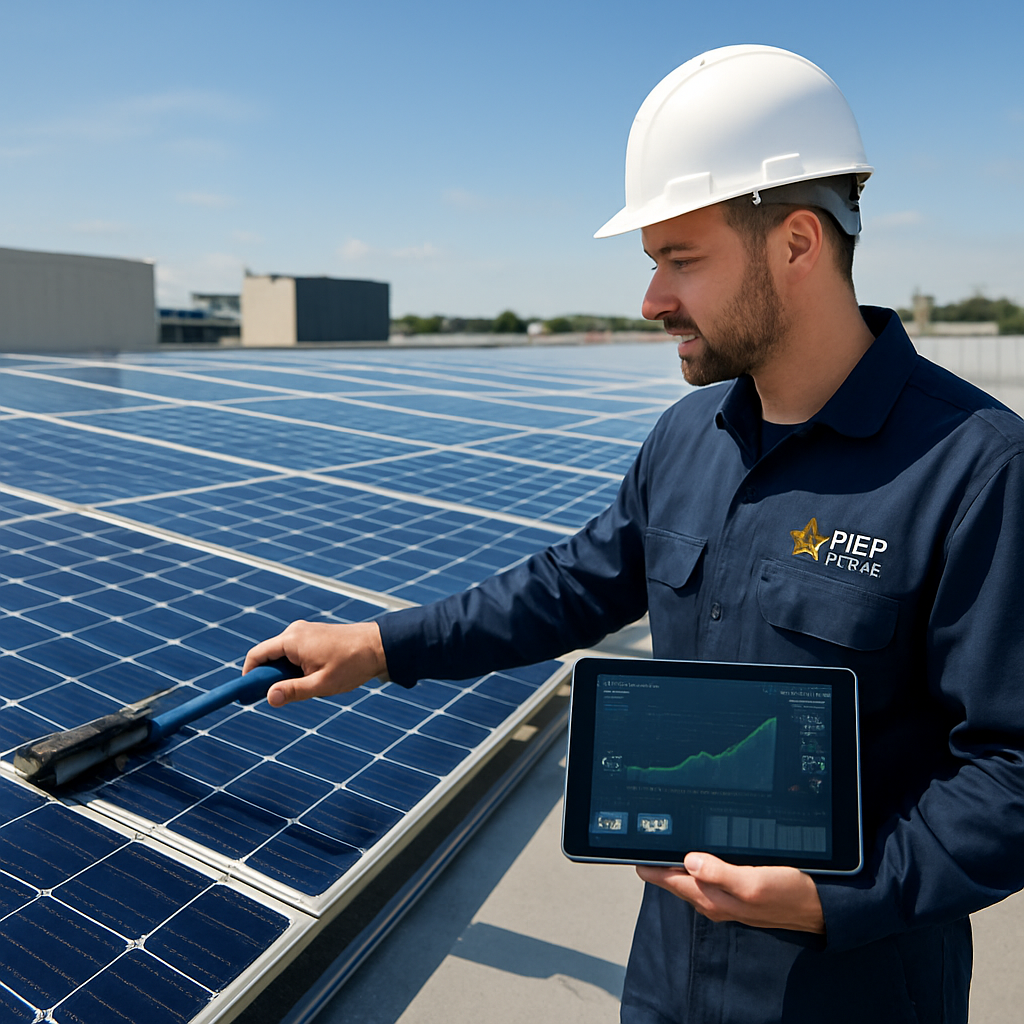
Dust, pollen, and even bird droppings can shave 10–20 % off efficiency, especially in the Southwest where dry air carries grit. A quarterly rinse with low‑pressure water and a soft brush is usually enough; avoid harsh chemicals that could damage the anti‑reflective coating.
If you’re near the coast, salty air accelerates corrosion. Pair cleaning with a sealant spray every 18 months to keep metal brackets from rusting – it’s a tiny cost that protects a multi‑million‑dollar asset.
3. Leverage Real‑Time Monitoring Software
Modern inverters talk. Platforms like SolarEdge’s ONE for C&I let you see performance down to the individual module, receive automated alerts, and even spot a dip before it becomes a problem.
Set up threshold alerts for a 5 % drop in daily production; the system will ping you on your phone so you can dispatch a technician before the loss compounds. Think of it as a health‑check dashboard that lets you act instead of reacting.
Read more about the monitoring features on SolarEdge’s site.
4. Perform Inverter and Connection Checks
Inverters are the brain of the system, and they have moving parts that wear out. Schedule a professional diagnostic every 12–18 months – most vendors will test efficiency, check cooling fans, and verify firmware is up to date.
When an inverter in a Phoenix warehouse stalled, the monitoring tool flagged a temperature spike. A simple fan replacement restored 98 % of expected output, avoiding a costly emergency service call.
5. Track O&M Costs as a Percentage of System Value
Industry data shows that annual maintenance rarely exceeds 1 % of the total installed cost. Keep a simple spreadsheet: list labor, cleaning, parts, and any third‑party service fees. If you’re consistently above that threshold, dig into why – perhaps you’re over‑cleaning or using an unsuitable contractor.
Knowing this number helps you compare the true ROI of your solar investment against other capital projects.
6. Build a Seasonal Maintenance Calendar
Each climate brings its own challenges. Here’s a quick cheat sheet you can copy into your calendar:
- Winter (if you’re in a cold zone): Snow removal and check for ice buildup on racks.
- Spring: Pollen and leaf sweep, verify drainage trays are clear.
- Summer: Inspect for hot‑spot damage, ensure inverter ventilation isn’t clogged.
- Fall: Leaf litter, prepare for potential early frosts.
Stick to the plan and you’ll never be caught off‑guard by a surprise dip in production.
7. Partner with a Specialized Maintenance Provider
While a quick visual check can be done in‑house, a certified service crew brings warranty compliance, advanced testing equipment, and the peace of mind that comes from knowing the job meets manufacturer specs.
Colite Technologies outlines a full‑service program that includes inspections, cleaning, and performance testing – a model that many Arizona businesses have adopted to keep their ROI on track.
Learn more about their maintenance best practices.
Bottom line: a disciplined maintenance routine combined with real‑time monitoring turns your commercial solar array from a static asset into a dynamic, revenue‑protecting engine. Start with a simple inspection checklist, plug in a monitoring platform, and schedule the first professional service within 30 days. Your future self will thank you when the system continues to crank out clean energy year after year.
List Item 6: Government Incentives and Tax Credits
Ever feel like the paperwork for a solar project is a mountain you’d rather not climb? You’re not alone. The good news is that government programs are basically footholds that turn that mountain into a series of easy steps.
1. Federal Investment Tax Credit (ITC)
The ITC is the headline act – a straight‑up 30 % credit on the total installed cost of a commercial solar system. That means every $10,000 you spend instantly becomes $3,000 off your tax bill. It’s available whether you buy, lease, or finance, but you have to claim it in the tax year the system is placed in service.
What we’ve seen work best is to coordinate the ITC with a cash purchase, because that lets you capture the credit and still own the system for depreciation.
2. State‑level grants and rebates
States often sprinkle extra cash on top of the federal credit. In Maryland, for example, the FY26 Commercial and Canopy Solar Grant Program is offering up to $13 million on a first‑come, first‑served basis. Grants are calculated based on system size, location, and the type of PV installation you choose. The deadline this round is February 11, 2026, so timing is everything.
Read the details on Maryland’s FY26 Commercial Solar Grant Program to see if you qualify.
3. Local utility rebates
Many utilities run their own rebate schemes to encourage solar on commercial roofs. Those rebates can shave another 5‑10 % off the sticker price. They’re usually tied to a quick‑install timeline, so you’ll need to have a contractor ready to move fast.
Tip: Ask your installer to pull the most recent utility rebate list before finalizing the design – you’ll avoid a surprise after the panels are up.
4. Tax benefits for energy storage
If you’re pairing solar with batteries, don’t forget the separate 30 % ITC for the storage component, plus the ability to claim accelerated depreciation (MACRS) on both the panels and the battery bank. That double‑dip can push your effective tax savings well above 40 % of the combined cost.
In practice, a 200 kW system with a 500 kWh battery in Arizona can see the overall tax credit rise from $60,000 to roughly $85,000 once the storage credit is added.
5. How to lock in the incentives
Step 1: Do a quick eligibility check. Most programs require the system to be “new” and operational before the end of the tax year.
Step 2: Capture the paperwork early. For the Maryland grant, you’ll need to submit an application, a site plan, and an estimate from a certified installer before the February deadline.
Step 3: Coordinate with your accountant. The ITC filing line on Form 3468 must match the exact installed cost, and you’ll need a copy of the contractor’s invoice.
Step 4: Track the incentives. Create a simple spreadsheet that lists each credit, its amount, the filing deadline, and who’s responsible – you, your accountant, or your installer.
6. Common pitfalls to avoid
Don’t wait until the system is finished to chase the grant. Many state programs operate on a first‑come, first‑served basis, so a delayed application can mean you miss out entirely.
Also, be careful not to double‑count. The federal ITC can’t be applied on top of a state rebate for the exact same dollars – you have to allocate the base cost first, then apply the credit to the reduced amount.
And remember, the ITC begins to phase down for projects that start after 2024 unless they meet certain “energy community” criteria. If you’re near a qualified low‑income community, you might still qualify for the full 30 %.
7. Quick checklist before you sign
- Confirm federal ITC eligibility and calculate the credit amount.
- Check state grant deadlines – e.g., Maryland’s FY26 program.
- Ask the utility about any local rebates.
- Include battery storage in your tax credit strategy.
- Line up your accountant and installer to file all forms on time.
Bottom line: Government incentives turn a good commercial solar investment into a great one. By layering the federal credit, state grants, utility rebates, and storage incentives, you can dramatically lower the upfront cost and speed up the payback period. So, grab that checklist, talk to a trusted installer, and let the money you save fund the next expansion of your business.
Conclusion
So, after walking through the different system options, the money‑saving incentives, and the nuts‑and‑bolts of keeping your array humming, what’s the bottom line?
Commercial solar isn’t a vague buzzword – it’s a concrete way to lock in lower energy bills, boost your brand, and protect your operation from grid hiccups. When you stack the federal ITC, state rebates, and utility rebates, you can shave 30‑40 % off the upfront cost and see payback in six to ten years.
In our experience, the projects that succeed fastest are the ones that start with a simple checklist: confirm eligibility, line up financing, and schedule the first maintenance visit before the panels even go live.
Keeping an eye on performance is easier than ever. Modern monitoring platforms send you alerts if production dips, so you can act before a small issue becomes a big bill. Pairing that with a battery lets you store cheap midday sun and use it when rates spike, future‑proofing your energy budget.
Does that sound doable? Absolutely. Grab the quick‑check list we just shared, reach out to a trusted installer, and let the savings fund the next phase of your business growth.
Remember, solar is a long‑term partnership with the sun – the more you plan today, the smoother the ride tomorrow. Ready to take the next step? Let’s get your commercial solar story started.
FAQ
What is commercial solar and how does it differ from residential solar?
Commercial solar refers to photovoltaic installations that are sized and engineered for businesses, schools, or industrial facilities rather than a single home. These systems usually range from a few dozen kilowatts up to several megawatts, and they’re mounted on roofs, parking‑lot carports, or open land you already own. Because the energy load is larger, you’ll see different equipment choices, financing structures, and permitting requirements compared with residential rooftop panels.
How much does a commercial solar system cost upfront?
The upfront cost depends on system size, technology, and site conditions, but a rough rule of thumb is $1,200 to $1,800 per kilowatt before incentives. A 250 kW rooftop array for a small‑to‑medium warehouse might sit around $300,000 to $450,000, while a 2 MW ground‑mount for a manufacturing plant could run $2.4 million to $3.6 million. Remember that federal and state credits can shave 30 % or more off that sticker price, so the net cash outlay is often much lower.
What financing options are available for business owners?
Business owners can choose from cash purchase, a traditional solar loan, a power purchase agreement (PPA), or a lease. With a cash buy you capture the full tax credit and depreciation, but you need capital up front. Loans spread the cost over 5‑10 years while still letting you own the system. PPAs and leases require no upfront money; you simply pay for the electricity or a flat monthly fee, and the installer handles operations and maintenance. Each option trades cash flow certainty for tax benefits, so match it to your budgeting rhythm.
How long does it take to see a return on investment?
Most commercial projects hit break‑even between six and ten years, but the exact timeline hinges on system size, electricity rates, and the mix of incentives you lock in. Start by calculating your annual utility bill, then estimate the solar array’s production using local solar irradiance data – a 500 kW system in Arizona typically generates about 800,000 kWh per year. Divide the net after‑tax cost by the yearly savings and you’ll see the payback period surface, often around eight years for a mid‑size operation.
Do I need to maintain the system, and what does maintenance involve?
Yes, commercial solar isn’t a set‑and‑forget asset – you’ll need a maintenance plan to keep performance up. A good baseline is a visual inspection twice a year plus a professional inverter check every 12‑18 months. Cleaning frequency depends on location; dusty desert sites may need quarterly rinses, while a shaded office park might get away with an annual wash. Track O&M costs as a percent of the system value (usually under 1 % per year) so you can measure ROI and spot any overspending early.
Can commercial solar help my business become more resilient during power outages?
A solar‑plus‑storage setup can act as a backup power source, giving your business resilience when the grid goes down. Batteries store excess midday generation and discharge during an outage, keeping critical loads like refrigeration, data‑center cooling, or point‑of‑sale systems online. Sizing the battery for 30‑40 % of your peak demand is a common rule of thumb, and many utilities even offer demand‑charge incentives for stored energy. In practice, businesses that added storage saw outage‑related losses drop by 80 % or more.
What incentives or tax credits can I claim for a commercial solar project?
The federal Investment Tax Credit (ITC) still covers 30 % of the qualified solar spend, and many states layer additional rebates or grant programs on top. To claim the credit, the system must be placed in service by December 31 of the tax year and you’ll file Form 3468 with your return. Keep detailed invoices and a copy of the contractor’s signed agreement – the IRS can ask for proof. Also check local utility rebate calendars, because those programs often expire quickly and can add another 5‑10 % savings.