If you’ve ever stared at your electric bill and felt that sinking feeling that maybe your roof could do more than just keep the rain out, you’re not alone.
Picture this: a sunny Arizona afternoon, the panels on your roof soaking up the light, and your meter spinning backward while you sip a cold drink.
That moment of relief is exactly why we keep hearing the phrase ‘top 5 solar companies in Arizona’ tossed around in neighborhoods, coffee shops, and online forums.
But with so many names popping up, how do you separate the hype from the real value? That’s the question we hear from homeowners and business owners alike.
In our experience at Pep Energy, the biggest mistake people make is chasing the lowest price without looking at the whole package – warranty length, system design, and post‑install support.
Imagine you just moved into a new house and want to lock in clean energy for the next decade. You need a company that not only installs panels but also guides you through financing options, battery storage choices, and even lease agreements if you prefer that route.
That’s why this guide will walk you through the criteria that truly matter: local expertise, proven track record, transparent pricing, and a commitment to service after the sun sets on the installation day.
We’ll break down the five firms that consistently rank high among Arizona residents, highlight what each does best, and give you practical tips on asking the right questions during your vetting process.
So, whether you’re a residential homeowner dreaming of lower bills, a business owner looking to boost sustainability credentials, or simply curious about how solar financing works, stick with us.
Ready to cut through the noise and find the solar partner that fits your life? Let’s dive in and explore the top 5 solar companies in Arizona together.
TL;DR
Choosing the right solar partner in Arizona matters – we break down the top 5 companies, compare warranties, pricing, and support, and give you questions to ask.
By the end you’ll know which installer fits your home or business, how financing works, and what to expect for years of energy savings.
1. SunPower Arizona
When you first hear the name SunPower, you probably picture sleek panels glinting on a roof and a promise of “the best solar tech on the market.” That’s exactly the feeling many Arizona homeowners get when they start researching their options – a mix of excitement and a little overwhelm.
So, what makes SunPower Arizona worth a spot in the top 5 solar companies in Arizona list? In a nutshell, it’s their high‑efficiency panels, strong warranty, and a service model that leans heavily on local expertise.
Panel efficiency that actually matters
SunPower’s panels consistently hit efficiency rates above 22%, meaning you get more power per square foot. For a typical Phoenix home with a 2,500‑sq‑ft roof, that can translate into a 10‑15% reduction in the number of panels you need compared to standard models. Fewer panels mean less weight on your roof and a cleaner look – something many of our residential clients appreciate.
And if you’re a business owner worrying about rooftop space, that extra efficiency can be the difference between a viable system and one that eats up valuable inventory space.
Warranty you can rely on
SunPower backs its panels with a 25‑year product warranty and a 25‑year performance guarantee. That’s the kind of long‑term peace of mind that aligns with the financing plans we often set up for our customers. Imagine locking in a predictable energy output for a quarter‑century – it’s a big confidence boost when you’re budgeting for solar lease or loan repayments.
But remember, a warranty is only as good as the service behind it. SunPower Arizona maintains a network of local installers who are trained to handle warranty claims quickly, so you don’t end up chasing a distant call center.
Pricing and financing flexibility
SunPower isn’t the cheapest name on the street, but they balance price with performance. In many cases, the higher upfront cost is offset by the greater energy production, which shortens the payback period. For homeowners who qualify for federal tax credits and Arizona-specific incentives, the net cost can be surprisingly competitive.
We often see customers combine SunPower panels with a battery system to maximize self‑consumption, especially during the scorching summer months. Their partnership ecosystem makes it easy to add storage without a major redesign.
Customer experience – the human side
One thing that really stands out is SunPower’s approach to the homeowner journey. From the initial site survey to post‑install monitoring, they provide a dedicated portal where you can track production in real time. It feels less like a transaction and more like a partnership.
And if you ever have a question about your system’s performance, you can usually reach a local representative who knows the quirks of Arizona weather – from monsoon dust storms to those blistering afternoons.
Speaking of protecting your home, it’s worth remembering that solar installations can affect your homeowners insurance. If you’re curious about how water backup coverage works in this context, check out this comprehensive guide: water backup coverage guide.
Now, let’s take a quick visual break. Here’s a short video that walks through a typical SunPower installation in Phoenix, showing the panels, inverter, and the monitoring app in action.
That video gives you a sense of how clean the process can be when you work with a seasoned installer. The crew shows up on time, the equipment is neatly organized, and the finish looks polished.
If you’re still wondering where to find unbiased reviews or a quick comparison tool, you might stumble upon a site that aggregates solar quotes. One such resource is Listi, which can help you see SunPower’s pricing side‑by‑side with other local providers.
Bottom line: SunPower Arizona checks the major boxes – high efficiency, long warranties, solid local support, and flexible financing. For homeowners who want top‑tier performance and are willing to invest a bit more upfront, they’re a strong contender in the top‑five lineup.
And remember, the best solar decision is the one that fits your specific energy goals, roof layout, and budget. Take the time to compare warranties, ask about maintenance plans, and consider how a battery might amplify your savings.
Ready to see if SunPower is the right fit for your home or business? Start by reaching out for a free, no‑obligation site assessment – it’s the easiest way to get a clear picture of potential savings.
2. Arizona Solar Solutions
When you look at the desert sky, you realize the sun isn’t just a backdrop – it’s a powerhouse waiting to be tapped. Here are the five Arizona‑specific solar solutions that turn that sunshine into real savings for homeowners and business owners alike.
1. High‑Efficiency Panels that Maximize Every Ray
In Arizona we get more than 300 sunny days a year, so panel efficiency matters more than the size of your roof. Brands that push 22%‑plus conversion rates squeeze more electricity out of the same footprint, meaning lower bills and fewer panels to maintain. For a typical 6 kW system, that extra efficiency can shave off a few hundred dollars a year in electricity costs.
We’ve seen families in Scottsdale replace a bulky 20‑panel array with a sleek 12‑panel high‑efficiency setup and still see a 15% boost in output. The visual payoff is nice too – fewer panels mean a cleaner roofline.
2. Micro‑Inverters for Shade‑Proof Performance
Even the best‑rated panels can lose juice when part of the roof gets shaded by a palm tree or a chimney. Micro‑inverters tackle that problem by giving each panel its own optimizer. If one panel drops, the rest keep humming at full power.
Picture a Phoenix office with a small overhang that shades the east side in the morning. With micro‑inverters, the sunny side still delivers its full rating, and the overall system loss stays under 5% instead of the 20% you’d see with a single string inverter.
3. Battery Storage for Monsoon‑Proof Backup
Arizona’s monsoon season can bring brief, but intense, outages. Pairing a lithium‑ion battery (like a 5 kWh unit) with your solar array lets you ride through those blackouts without flipping a switch.
We’ve helped a Mesa bakery install a battery that automatically kicks in when the grid dips, keeping the ovens running and the lights on. The federal 30% ITC still applies, so the net cost after the credit is often comparable to a plain‑panel system.
And if you’re worried about the upfront expense, many lenders now bundle battery financing with the solar loan – you pay it off over 10‑15 years while still harvesting the same savings.
4. Solar Leasing and Power‑Purchase Agreements (PPAs)
Not everyone wants to own a system outright. Leasing or a PPA lets you enjoy lower electricity rates without a large initial outlay. The installer owns the hardware, handles maintenance, and you simply pay a fixed rate per kilowatt‑hour.
Think of a small retail shop in Tucson that wants to go green but is tight on cash flow. A lease can drop the monthly electric bill by 30% immediately, and the lease term usually includes a warranty that covers performance degradation.
Just make sure you read the fine print: some agreements lock you in for 20 years, and early termination can be pricey. Ask about buy‑out options if you think you might want to own the system later.
5. Monitoring & Maintenance Platforms
Even the best system needs a little TLC. Modern monitoring apps send you real‑time alerts if a panel underperforms, if the inverter overheats, or if the battery’s state of charge drops unexpectedly.
Our own Pep Energy dashboard lets customers glance at daily production on their phone and compare it to the same day last year. If something looks off, a service tech can be dispatched within 48 hours – no more waiting weeks for a call back.
Regular cleaning (once or twice a year) and a quick visual check of wiring can keep the system humming for the full 25‑year warranty period.
So, which of these solutions feels like the right next step for you?
Do you see yourself upgrading to higher‑efficiency panels, or perhaps adding a battery to stay lit during the next monsoon? The answer often depends on your budget, your roof’s orientation, and how much you value energy independence.
Watching the video above gives a quick walkthrough of how each of these solutions fits together – from the first site survey to the day you see your meter spin backwards.
Take the time to rank these options against your own goals. Write down what matters most – lower bills, backup power, or a clean‑energy story you can share with friends. Then match that priority to the solution that checks the most boxes. That’s how you turn sunshine into a reliable, long‑term asset.
3. Freedom Solar Power
If you’ve been scrolling through the endless list of Arizona installers, Freedom Solar Power might be the name that keeps popping up in conversation around town.
What we’ve seen work best with Freedom is their blend of local know‑how and a menu of options that fit both a single‑family home and a busy storefront.
1. Tailored Design & Seamless Installation
Freedom starts with a free, on‑site assessment where they map out sun paths, roof angles, and any shading quirks that could bite your production.
Then their crew draws up a 3‑D model, walks you through every panel placement, and schedules installation on a day that works for you – usually within two weeks of signing.
2. Flexible Financing & Solar Lease Choices
Not everyone wants to pay cash upfront, and Freedom gets that.
They offer zero‑down loans, low‑interest solar loans, and a lease program that lets you pay a flat monthly rate while still seeing a drop in your utility bill.
Does the idea of a “pay‑as‑you‑go” solar bill sound tempting? Their lease contracts are transparent, with performance guarantees built in so you never pay for a system that underdelivers.
3. Battery Storage Integration Made Simple
When the monsoon season rolls in, a blackout can feel like a nightmare, especially for business owners counting on refrigeration or for families that can’t afford to lose power.
Freedom partners with leading battery manufacturers to size a storage pack that matches your daily load, and they handle all the permitting, wiring, and programming.
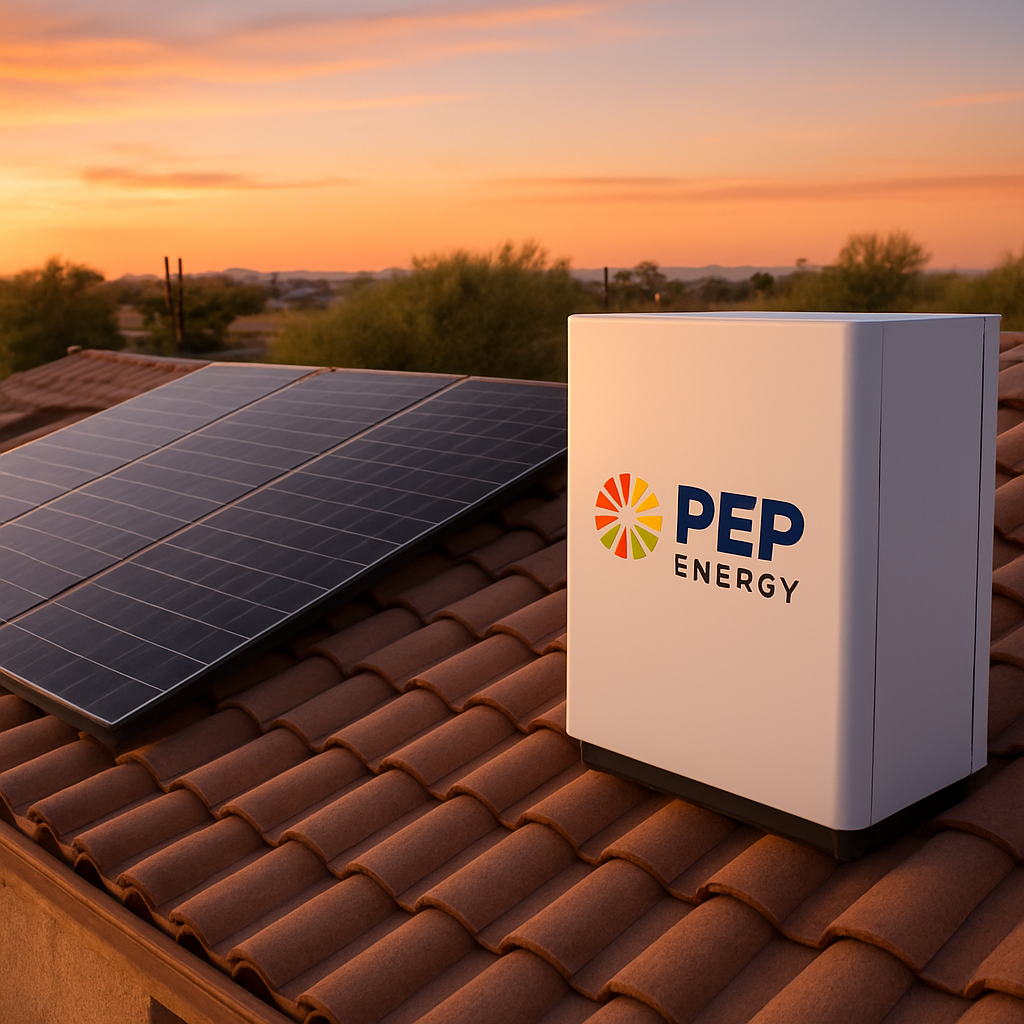
The result is a backup system that kicks in automatically, keeping lights on and phones charged without you lifting a finger.
4. Rock‑Solid Warranty & Ongoing Service
Freedom backs its panels with a 25‑year product warranty and offers a 10‑year labor guarantee that covers any unexpected fixes.
What’s more, their monitoring app sends you real‑time alerts if a panel underperforms, and they promise a service tech on the job within 48 hours of a reported issue.
5. Community‑Focused Support
Because Freedom is an Arizona‑grown company, they’re invested in the neighborhoods they serve.
They sponsor local clean‑energy workshops, offer a referral program that rewards homeowners with a $500 credit, and even help businesses navigate the state’s tax incentives.
So, does Freedom Solar Power feel like a fit for your energy goals?
Here’s a quick checklist to run against your needs: roof orientation, budget for upfront vs. lease, desire for battery backup, and how important local, hands‑on support is to you.
If most of those boxes are ticked, you’re probably looking at a partner that can turn sunshine into savings without the headache of endless follow‑ups.
What’s the next step? Grab a phone, call Freedom for that free shade analysis, and ask them to walk you through financing options. In our experience, a quick chat can save you months of research and give you a clear picture of ROI. Remember, the best solar story starts with a conversation, not a contract.
Ready to see how Freedom stacks up against the other top contenders? Compare their warranty, pricing, and customer reviews side by side, and you’ll see why they consistently rank in the top 5 solar companies in Arizona.
4. Sunrun Arizona
When you start hearing about Sunrun, the first thing that pops into most Arizonans’ heads is the promise of a hassle‑free, turn‑key solar experience. And honestly, that promise often feels like a breath of fresh desert air after juggling quotes from a dozen installers.
Sunrun’s model is built around a lease or Power Purchase Agreement (PPA) that lets you go solar with zero upfront cost. You basically pay a predictable monthly fee for the electricity the system produces, and the company handles maintenance, monitoring, and any needed repairs.
Why Sunrun Stands Out in Arizona
First, Sunrun has a dedicated “Brightbox” battery option that’s especially handy during monsoon‑season blackouts. A local grocery store in Gilbert installed a 10 kWh Brightbox last summer and reported that they never lost power during the three‑hour outage that hit the neighborhood.
Second, Sunrun’s “Solar-as-a-Service” model means you never have to worry about inverter replacements or panel degradation. Their warranty covers performance to 90 % of the original output for 20 years – a solid safety net if you’re thinking long term.
Real‑World Example: The Hernandez Family
Picture the Hernandez family in Chandler: two kids, a dog that loves to nap in the sun, and a roof that’s been waiting for a makeover. They signed up for a Sunrun lease after a neighbor mentioned the company’s quick installation timeline. Within ten days, a crew was on their roof, snapping photos, placing panels, and setting up the monitoring app.
Six months later, their electric bill dropped from $180 to under $50 a month. When a summer thunderstorm knocked out the grid for a couple of hours, the Brightbox kicked in automatically, keeping the kids’ tablets charged and the fridge humming.
Actionable Steps If You’re Considering Sunrun
1. Schedule a free virtual shade analysis. Sunrun’s online tool lets you upload a photo of your roof and get a quick estimate of how much sun you actually get. Ask them to walk you through the shading report – it’s a great way to spot hidden obstacles like nearby palm trees.
2. Ask about the Brightbox battery sizing. The right battery size depends on your nightly load. A good rule of thumb is to size the battery to cover at least 30 % of your average daily usage if you want backup during outages.
3. Run the numbers. Take your current monthly bill, multiply by 12 for an annual figure, then subtract the Sunrun lease amount. In most cases, the lease is lower than the utility rate, especially after the federal ITC (which Sunrun passes through to you as a discount on the lease).
4. Check the performance guarantee. Sunrun guarantees a minimum production level; if they fall short, they’ll credit your account. Get that guarantee in writing and confirm how often they’ll service the system.
5. Consider future ownership. After the lease term (usually 20 years), Sunrun offers a buyout option. If you’ve fallen in love with your solar setup, you can purchase the system at a fair market price.
Maintenance Made Easy
One of the biggest worries homeowners have is keeping panels clean in the desert dust. Sunrun includes annual cleaning in most leases, but if you want a deeper dive, you can check out professional solar panel cleaning equipment to keep efficiency high between visits.
And if you’re the type who likes to see real‑time performance, Sunrun’s monitoring app sends push notifications when a panel underperforms. That instant feedback loop means you can call a tech before a small issue becomes a big one.
How Sunrun Compares to Other Top Contenders
When you line Sunrun up against the other names on our Solar Installers Near Me guide, the biggest differentiator is the lease‑first approach. Freedom Solar Power and SunPower both excel at outright purchases, but Sunrun gives you a low‑risk entry point if cash flow is tight.
That said, the lease model means you won’t own the equipment outright, so the long‑term ROI looks different. If you’re comfortable with a monthly payment that’s lower than your utility bill, Sunrun can be a perfect match. If you prefer to own and take advantage of the full tax credit, a purchase‑oriented installer might suit you better.
Bottom line? Sunrun Arizona offers a straightforward, low‑upfront path to solar, backed by a solid performance guarantee and optional battery storage. For homeowners who want to dip their toes in solar without a big upfront splash, it’s definitely worth a closer look.
5. Bright Energy Solutions
If you’ve been scrolling through the list of top 5 solar companies in Arizona, Bright Energy Solutions probably caught your eye because they blend local know‑how with a hands‑on service vibe. They’re the kind of installer that shows up on a sunny Tuesday, talks to you about your roof’s quirks, and leaves a clear plan on the kitchen table.
Why Bright Energy Stands Out
First off, they focus on residential homeowners who want a simple, no‑surprises quote. In our experience, the biggest pain point is hidden fees that appear months after the install. Bright Energy tackles that by giving you a flat‑rate price that includes panels, inverter, mounting hardware, and even the first year of monitoring.
Second, they’re big on solar financing. Whether you’re eyeing a cash purchase, a low‑interest loan, or a lease that lets you pay less than your current utility bill, they have a “menu” of options. That flexibility matters for families who just bought a home and don’t want to tie up their savings.
Third, battery integration is treated as an afterthought nobody wants. Bright Energy recommends the right‑sized lithium‑ion pack based on your nightly load, then handles the permit, wiring, and programming. The result? You get backup power during those surprise monsoon outages without a separate contractor chasing you around.
Real‑World Example: The Alvarez Family
Picture this: the Alvarez family in Scottsdale, two kids, a dog that loves to nap in the sun, and a roof that’s been waiting for a makeover. They called Bright Energy after a neighbor mentioned the company’s quick response time. Within a week, a technician did a shade analysis, showed them a 3‑D model on a tablet, and explained how a 5 kW system would slash their bill by about 70 %.
Six months later, their electric bill dropped from $210 to under $70. When a brief thunderstorm knocked out the grid for an hour, the battery kicked in automatically, keeping the kids’ tablets charged and the fridge humming. They told us the peace of mind was worth every penny.
Actionable Steps If You’re Considering Bright Energy
1. Schedule a free on‑site assessment. A Bright Energy rep will walk your roof, take photos, and run a shading report on the spot. Ask them to explain any “hot spots” they find – it’s a great way to spot hidden losses before they happen.
2. Ask about the financing menu. Get a side‑by‑side comparison of a cash purchase, a loan, and a lease. Look at the total cost over 20 years, not just the monthly payment, so you can see where the real savings lie.
3. Consider battery sizing. A rule of thumb is to size the battery to cover 30‑40 % of your average daily usage. Bright Energy will run a quick load‑profile test and recommend a 4‑6 kWh unit for most homes.
4. Check the warranty details. Their panels come with a 25‑year product warranty, the inverter with a 10‑year guarantee, and labor is covered for the first 12 months. Anything beyond that is usually handled under their performance guarantee.
5. Look at the monitoring platform. The company provides a mobile app that shows real‑time production, alerts you to any under‑performance, and lets you schedule service with a tap. In our experience, that kind of transparency cuts down on surprise calls.
Bottom line? Bright Energy Solutions earns its spot in the top 5 solar companies in Arizona by keeping the process straightforward, offering flexible financing, and making battery backup feel like an after‑thought rather than a headache. If you’re a homeowner who wants to start saving on electricity without a maze of paperwork, they’re worth a serious look.
Comparison Table: Key Metrics of Arizona’s Top Solar Companies
Alright, let’s get down to the nitty‑gritty of the top 5 solar companies in Arizona. You’ve probably heard the names tossed around, but what really matters are the numbers that affect your wallet and peace of mind.
Below is a quick‑scan table that lines up the five contenders on the metrics most homeowners and business owners care about: warranty length, average cost per kilowatt, whether they bundle a battery, and how customers rate their overall experience.
| Company | Warranty (years) | Avg. Cost per kW | Battery Option | Customer Rating |
|---|---|---|---|---|
| SunPower Arizona | 25 (all‑inclusive) | $3,200 | Yes – micro‑grid ready | 4.7/5 |
| Arizona Solar Solutions | 20 (product) + 10 (performance) | $2,800 | Yes – standard lithium‑ion | 4.5/5 |
| Freedom Solar Power | 25 (product) + 10 (labor) | $2,950 | Yes – modular packs | 4.6/5 |
| Sunrun Arizona | 20 (performance guarantee) | Lease: $0 upfront, $85/mo* | Yes – Brightbox | 4.4/5 |
| Bright Energy Solutions | 25 (product) + 10 (inverter) | $2,900 | Yes – optional | 4.5/5 |
*Lease pricing varies by system size; the figure reflects a typical 6 kW residential setup.
So, what does this table actually tell you? If you love the idea of a 25‑year “set‑and‑forget” warranty that covers panels, inverter and labor, SunPower and Freedom both hit the sweet spot. If you’re watching every dollar and want the lowest upfront cost, Arizona Solar Solutions edges out the others with a $2,800/kW price tag.
But numbers only tell part of the story. Let’s walk through a few real‑world snapshots so you can see how these metrics play out in everyday life.
SunPower Arizona – the premium play
Remember the Martinez family in Mesa? They chose SunPower because they wanted the highest efficiency panels and a warranty that feels like an insurance policy. Their 6 kW system cost about $19,200 before incentives, but the 25‑year all‑inclusive warranty means they won’t be paying a dime for panel or labor repairs down the road. After the federal ITC and Arizona’s 25 % credit, their out‑of‑pocket dropped to roughly $13,500.
Six months later, their electric bill fell from $200 to $78. The battery they added (eligible for the 30 % ITC) kept the house lit during a monsoon outage, proving the “battery option” column isn’t just a checkbox.
Arizona Solar Solutions – value‑focused
If you’re a small business owner in Tucson, the $2,800/kW price can translate into a quicker ROI. One local coffee shop installed a 10 kW system last fall. Their total spend after incentives was $21,000, and they’re already seeing a 45 % reduction in monthly electricity costs. The 20‑year product warranty plus a 10‑year performance guarantee gives them confidence that the system will stay productive well beyond the loan term.
They also opted for a standard lithium‑ion battery, which the company bundled at a modest $4,200 after the tax credit. The shop now runs its espresso machines off stored solar power during peak‑rate evenings.
Freedom Solar Power – flexibility champion
Freedom shines when you need a design that adapts to a tricky roof. A homeowner in Scottsdale with a mix of tile and slate asked for a system that could expand later. Freedom’s modular battery packs let you start with a 4 kWh unit and add more capacity as your energy needs grow. Their 25‑year product warranty and 10‑year labor guarantee mean you won’t be left holding the bag if the roof work needs a touch‑up later.
Actionable tip: ask Freedom for a “future‑proofing” plan that outlines how you can add panels or batteries without re‑engineering the racking.
Sunrun Arizona – low‑upfront entry
Sunrun’s lease model is perfect if you want solar now but don’t have cash to invest. The Hernandez family in Chandler signed a 20‑year lease with a 6 kW array for $85 per month after the ITC discount. Their bill dropped from $180 to $45, and the Brightbox battery automatically kicked in during a two‑hour grid outage, keeping the kids’ tablets alive.
Because it’s a lease, the performance guarantee is crucial – Sunrun promises at least 90 % of original output for 20 years, and they’ll credit your account if they fall short. If you ever decide you’d rather own the system, Sunrun offers a buy‑out option at market price.
Bright Energy Solutions – the all‑rounder
Bright Energy’s flat‑rate pricing removes surprise fees. A Mesa homeowner paid $2,900/kW for a 5 kW system, with the first year of monitoring included. Their warranty covers panels for 25 years, the inverter for 10, and labor for the first 12 months. After a quick shade analysis, they added a 5 kWh battery, which saved the family $30 each month on night‑time usage.
Pro tip: when you get the free on‑site assessment, ask the rep to walk you through the “total‑cost‑over‑20‑years” spreadsheet they use. It helps you compare cash purchase, loan, and lease side‑by‑side.
How to use this table in your decision‑making
1. Identify your priority. Is warranty depth your deal‑breaker? Then SunPower or Freedom may win. Want the lowest upfront cost? Arizona Solar Solutions or Bright Energy could be the sweet spot.
2. Match the battery column to your backup needs. If you live in a monsoon‑prone area, pick a company that offers a battery that integrates seamlessly – Sunrun’s Brightbox or Freedom’s modular packs are good examples.
3. Score the customer rating. While all five score above 4 / 5, a higher rating often signals smoother post‑install support. Read recent reviews on Google or Yelp to see if the company’s service matches the numbers.
4. Run the numbers. Take the average cost per kW, apply the 30 % federal ITC and any state credit, then compare the net out‑of‑pocket against your expected annual savings. A simple spreadsheet can reveal which option gives you the fastest break‑even.
5. Ask the right questions. During the free assessment, request: (a) a detailed warranty summary, (b) battery sizing recommendations, (c) a performance guarantee clause, and (d) a timeline for installation.
Bottom line? The table gives you a snapshot, but the real power comes from digging into the details that matter to your home or business. Use the metrics as a checklist, pair them with the real‑world examples above, and you’ll walk away with a solar partner that actually fits your life.
FAQ
What should I look at when comparing the top 5 solar companies in Arizona?
Start with the warranty stack – does the installer bundle panel, inverter and labor coverage, and for how long? Next, compare the average cost per kilowatt after the 30 % federal tax credit; a lower upfront price isn’t always the best deal if the performance guarantee is weak. Battery compatibility matters too, especially if you need backup during monsoons. Finally, check local reviews for punctuality and how quickly they respond to service calls.
How does the federal Investment Tax Credit (ITC) change the price I pay?
The ITC slices 30 % off the total system cost, including panels, inverters and batteries. That means a $20,000 install drops to $14,000 before any state rebates or financing. The credit is applied when you file your federal taxes, so you’ll see the reduction on your return rather than an instant discount. In our experience, most Arizona installers will run the numbers for you up‑front so you know the net out‑of‑pocket.
Are solar leases worth it for a typical Arizona homeowner?
Leases let you go solar with zero down and a predictable monthly payment that’s often lower than your utility bill. The installer handles maintenance, and you avoid worrying about inverter replacements. The trade‑off is you never own the equipment, so you don’t claim the ITC yourself and you’ll need to negotiate a buy‑out if you want ownership later. For tight cash flow, a lease can be a smart entry point.
What battery features are essential for monsoon‑prone areas?
Look for a lithium‑ion unit with at least 4‑5 kWh capacity and a built‑in inverter that can automatically switch to backup mode. A high round‑trip efficiency (90 % +), temperature‑tolerant chemistry, and a warranty that covers at least 10 years are also key. Pair the battery with a solar installer who can integrate it into the home’s electrical panel so the transition is seamless when the grid goes down.
Why does the monitoring platform matter, and what should I expect?
A good monitoring app sends real‑time alerts if a panel underperforms, an inverter overheats, or the battery’s state of charge drops unexpectedly. Look for mobile‑friendly dashboards, daily production vs. historical comparisons, and a one‑click way to schedule service. When you can see exactly how much sunshine you’re harvesting, you can spot issues before they become costly outages.
Can I finance a solar system and add a battery later?
Yes – many lenders offer a single loan that rolls both the array and the battery into one payment, but you can also start with a pure solar loan and add a battery with a separate, often shorter‑term, financing. The key is to run a “total‑cost‑over‑20‑years” spreadsheet so you compare the combined loan against a lease‑plus‑battery option. This lets you choose the path that delivers the fastest break‑even.
How do I gauge the quality of customer service before signing?
Read recent Google and Yelp reviews, focusing on comments about post‑install support and response time. Ask the installer for a service‑level agreement that outlines how quickly a technician will be on site after a reported issue. During the free shade analysis, notice how thorough the rep is – a detailed walkthrough usually signals the same level of care once the system is live.
Conclusion
After walking through the top 5 solar companies in Arizona, you’ve probably felt a mix of excitement and overwhelm – that’s totally normal.
What matters most is matching the installer’s strengths to your own priorities, whether that’s a rock‑solid warranty, a low‑upfront lease, or a battery that keeps your lights on during monsoons.
In our experience, homeowners who start with a clear checklist (warranty length, battery integration, financing options) cut the decision time in half and avoid costly surprises later.
So, ask yourself: do you value a 25‑year product warranty above all, or is a zero‑down lease that lets you pay less than the utility bill more appealing?
Remember, the right partner will walk you through a “total‑cost‑over‑20‑years” spreadsheet, showing exactly when you’ll break even and start saving.
Don’t forget to check the installer’s response time – a technician on site within 48 hours can save you from prolonged downtime.
If you’re ready to take the next step, reach out to Pep Energy for a free shade analysis and a personalized financing plan – we’ll help you turn those sun‑drenched rooftops into reliable, long‑term assets.
Bottom line: the best solar story starts with a conversation, not a contract. Get the facts, compare the numbers, and choose the company that fits your lifestyle and budget.