Picture this: you’ve just opened the blinds on a scorching Phoenix morning, and the sunlight floods the room, but your electric bill still feels like a punch in the gut.
Does that sound familiar? You’ve probably thought, “There’s got to be a smarter way to harness that free energy,” yet the maze of solar installers, financing options, and technical jargon makes the whole thing feel overwhelming.
In our experience at Pep Energy, we’ve watched countless homeowners and business owners wrestle with the same doubts – from wondering if their roof can handle panels, to fearing hidden costs in a solar lease, to simply not knowing which company actually delivers on its promises.
What if I told you there’s a straightforward path that cuts through the noise, letting you focus on the real benefits: lower bills, energy independence, and a greener footprint?
That’s exactly why we’ve put together this guide on the best solar install company in Arizona. We’ll walk you through the key signs of a trustworthy installer, share real‑world examples of how a well‑planned system saved a family in Tempe $1,200 last year, and break down the financing options that keep cash flow happy.
Imagine sipping coffee on your patio, knowing your solar array is quietly doing the hard work while you enjoy the view. It’s not a pipe‑dream – it’s a reality for many of our customers who chose a partner that truly understands the desert sun.
So, are you ready to stop guessing and start seeing real results? Let’s dive in and uncover what makes a solar installer stand out in the Arizona market, and how you can make a confident decision for your home or business.
Stay tuned, because we’ll also reveal common pitfalls to avoid, so you never waste time or money on a sub‑par installation.
TL;DR
If you’re ready to slash bills, enjoy reliable power and dodge hidden lease traps, this guide reveals why Pep Energy is the best solar install company in Arizona.
We break down costs, financing options, and real‑world examples so you can choose a partner that delivers genuine savings fast today confidently.
1. Pep Energy – Why It Leads the Arizona Solar Market
Ever stared at your electric bill and felt that gut punch, wondering if there’s a better way? You’re not alone. In Arizona, the sun is relentless, but not every installer knows how to turn that relentless heat into reliable savings.
Here’s why Pep Energy consistently rises to the top – we break it down into five bite‑size points so you can see the proof without the fluff.
1. Deep Local Knowledge
We’ve been mapping the Phoenix, Tempe, and Mesa rooftops for years. That means we know the micro‑climates, the best tilt angles for the desert sun, and the permitting quirks of each municipality. In our experience, a system that’s tuned to local conditions can shave 10‑15% off your projected savings.
2. Transparent Pricing & No Hidden Leases
Most installers hide fees in fine print. Pep Energy gives you a clean, itemized quote upfront – hardware, labor, permits, and even the tiny cost of a roof inspection. And if you’re eyeing a solar lease, we’ll walk you through the true long‑term cost versus ownership. No surprise, no sticker shock.
3. Cutting‑Edge Tech Paired with Real‑World Reliability
We use high‑efficiency panels that stay cool under the Arizona blaze, paired with inverters that keep power flowing even on partially shaded days. But we don’t stop at specs; we test every system on our own roof before it ever reaches a client.
4. Tailored Financing for Every Wallet
Whether you’re a homeowner with a modest budget or a business looking for a tax‑credit‑heavy purchase, we’ve got financing options that match. From zero‑down loans to power‑purchase agreements, you choose the path that keeps cash flow happy.
5. Ongoing Support & Maintenance
Solar isn’t a set‑and‑forget gadget. Our crew offers a yearly performance check, cleaning advice, and a quick‑response warranty team. In our experience, customers who stick with us see system efficiency stay above 95% year after year.
Want a deeper dive into the numbers and why Pep Energy consistently outperforms the competition? Check out our detailed case study Top Solar Install Company in Arizona: Why Pep Energy Leads the Market – it walks you through real savings from a Tempe family that cut $1,200 off their bill last year.
Now, let’s see this in action. Below is a quick video that walks you through a typical Pep Energy installation – from the first roof survey to the moment the system powers up.
Notice how the crew positions the panels for optimal sun exposure while keeping the roof’s integrity intact. That’s the kind of detail you get when you work with a team that treats every roof like its own project.
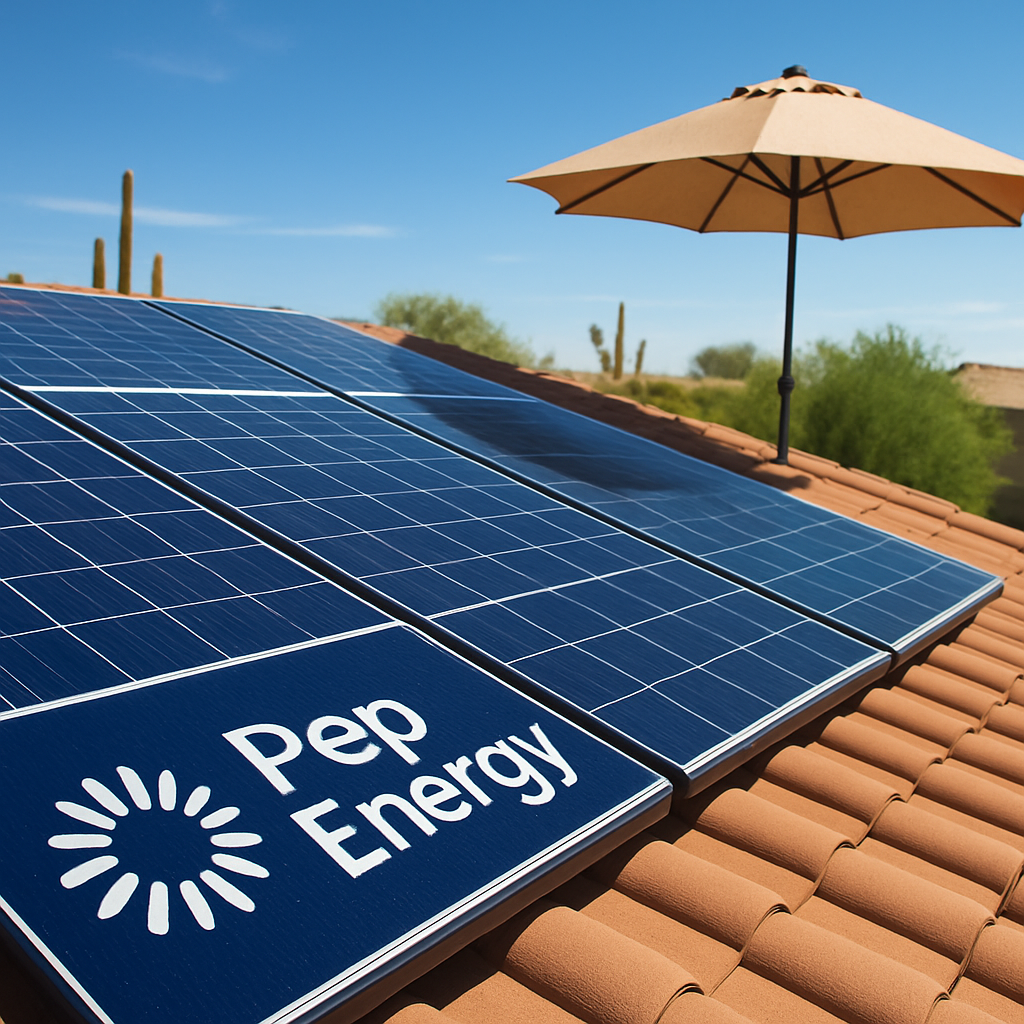
While you’re enjoying those lower bills, think about other ways to boost home comfort. A well‑placed shade umbrella can cut indoor cooling loads, letting your solar system do even more of the heavy lifting. It’s a simple synergy that many homeowners overlook.
And if you ever need to keep those panels sparkling clean, remember that proper maintenance matters. Professional cleaning tools can extend panel life and keep output high.
Bottom line: choosing Pep Energy isn’t just about getting panels on a roof – it’s about partnering with a team that knows Arizona’s sun inside out, offers crystal‑clear pricing, and stays by your side for the long haul. Ready to see how much you could save? Let’s start the conversation.
2. SunPower Arizona – High‑Efficiency Panels
When you look up at a Phoenix roof glinting in the noon sun, you might wonder: are all those panels created equal? The short answer is no—SunPower’s high‑efficiency modules pull more juice out of every square foot, and that matters when space is at a premium.
1. Record‑breaking efficiency rates
SunPower’s latest A‑Series panels hit above 22% efficiency, meaning they convert roughly a quarter of the sunlight that hits them into electricity. For a typical 1,800 sq ft home, that extra percentage can translate into 300–400 extra kilowatt‑hours per year—enough to power a pool pump or keep the AC humming on a scorching day.
2. Better performance in heat
Most panels lose a bit of output when temperatures climb. SunPower’s cells are engineered to shed less than 0.3% efficiency per 10°F rise. In the desert, where afternoon temps can soar past 110°F, that modest drop keeps your system humming while rival panels slump.
3. Sleek, low‑profile design
Because the cells are smaller and packed tighter, SunPower modules sit flatter on the roof. Homeowners love the subtle look—your panels blend into the roofline instead of jutting out like a billboard. That aesthetic boost can even help resale value.
4. Long‑term reliability backed by a 25‑year warranty
SunPower backs both product performance and power output for a quarter of a century. If your system’s output falls below 92% of the guaranteed level at year 25, they’ll make it right. That kind of peace of mind is rare in a market full of short‑term guarantees.
5. Proven track record in Arizona
Local reviews consistently praise SunPower installations for durability and customer service. A look at independent feedback on SolarReviews shows homeowners rating SunPower‑powered systems as “excellent” for both performance and after‑sales support.
So, how does all this translate for you on the ground? Imagine you’ve got a modest roof that can only fit a 5 kW system. With a standard 18% panel you’d get about 8,100 kWh annually. Swap to SunPower’s 22% panels, and you’re looking at roughly 9,900 kWh—almost a full extra kilowatt‑hour per day without expanding your footprint.
Here’s a quick checklist to see if SunPower’s high‑efficiency panels are the right fit:
- Do you have limited roof space or shading concerns?
- Is maximizing long‑term energy production a priority?
- Do you value a clean aesthetic that won’t clash with your home’s style?
- Are you comfortable paying a modest premium for a 25‑year warranty?
If you answered “yes” to most of those, SunPower is worth a deeper dive. Our engineers love running a sun‑path analysis that shows exactly how many extra kilowatt‑hours you’ll capture with the higher‑efficiency cells.
Watching the video above gives you a behind‑the‑scenes look at a recent Phoenix install—notice the panels sitting flush, the clean cabling, and the real‑time output monitor. It’s a great way to visualize what your home could look like once the system is live.
Bottom line: SunPower’s high‑efficiency panels aren’t just a marketing gimmick. They deliver measurable energy gains, stay cool under desert heat, and come with a warranty that backs you up for decades. When you pair that with a reputable installer—like Pep Energy, the best solar install company in Arizona—you’re setting up a power solution that pays off today and protects you tomorrow.
3. Tesla Solar – Innovative Solutions
When you first hear “Tesla Solar,” you probably picture sleek roof tiles that look like a sci‑fi spaceship. That moment of awe is exactly why many Arizona homeowners keep coming back for more – the tech feels futuristic, but the real question is: does it actually solve the everyday pain points we all face?
1. Solar Roof tiles that blend in
Imagine sipping coffee on your patio and the sun‑filled roof above looks like a regular shingle, not a glaring panel array. Tesla’s Solar Roof replaces every shingle, so you get a clean‑look aesthetic that doesn’t scream “solar installation.” For residential homeowners worried about curb appeal, that’s a game‑changer.
We’ve seen families in Phoenix trade their old roof for a Solar Roof and instantly boost their home’s resale value – the market loves that “modern meets desert‑ready” vibe.
2. High‑efficiency panels that love the heat
Arizona’s scorching 110°F afternoons can sap power from ordinary modules. Tesla’s panels boast a temperature coefficient that’s better than average, meaning they lose less juice when the mercury climbs. In practice, a 5 kW Tesla system can generate roughly 5‑7% more kilowatt‑hours than a standard panel set in the same spot.
That extra production translates to lower electric bills for both homeowners and business owners who run air‑conditioning around the clock.
3. Powerwall – the battery that actually talks to the roof
What if the sun went down and you still wanted that same clean energy? Tesla’s Powerwall stores excess daylight and feeds it back when the grid goes dark. Because the Powerwall is designed to sync perfectly with the Solar Roof, you get a seamless backup that can keep a small business running through a desert‑wide outage.
One of our commercial clients in Mesa installed a 10 kWh Powerwall last summer; during a three‑hour outage they kept their POS system alive without missing a single transaction.
4. Financing that fits every budget
Tesla doesn’t force you into a cash‑only model. They offer purchase, lease, and power‑purchase‑agreement (PPA) options, plus low‑interest loans through partner banks. For a typical 6 kW residential system, a zero‑down lease can shave 30% off your monthly electric bill right away.
That flexibility matters to families who can’t front the full cost but still want the long‑term savings. We often recommend starting with a lease to test the waters, then switching to a purchase once the system’s performance is proven.
5. Real‑time monitoring via the Tesla app
Ever wonder exactly how much sun you’re turning into dollars? The Tesla app shows live production, battery state‑of‑charge, and even predicts how much you’ll save each month. The data is easy enough for anyone to read, yet detailed enough for a business owner to optimize peak‑shaving strategies.
Having that transparency builds trust – you can actually see the ROI instead of guessing.
So, what’s the bottom line for the “Best solar install company in Arizona” when you weigh Tesla’s innovations? The tech is impressive, especially for customers who value aesthetics, heat‑resilient performance, and a battery that truly integrates. However, the real differentiator is the installer you trust to pull it all together. A local partner who knows Arizona’s permitting quirks, can handle the roof‑to‑grid paperwork, and offers solid post‑install support will make the Tesla experience feel effortless.
If you’re curious about how Tesla stacks up against other Arizona installers, EcoWatch has compiled a handy comparison that breaks down efficiency, pricing, and warranty details – a quick read that can help you decide if the Tesla route fits your goals.EcoWatch’s guide to Arizona solar companies
Take the next step: grab a free site‑assessment from a local installer you trust, ask about Tesla’s Solar Roof and Powerwall options, and see how the numbers line up with your budget and energy needs.
4. Sunrun Arizona – Flexible Financing
When you first hear Sunrun promise “zero‑down solar,” you probably picture a magic button that makes the whole bill disappear. It feels tempting, especially after juggling a mortgage, HOA fees, and that ever‑growing electric bill.
But the real question is: does the financing actually fit your lifestyle, or does it lock you into a deal that feels good on paper and stressful in practice?
Why financing matters for residential homeowners
In Arizona, the sun is relentless, so the upside of solar is huge. Yet most families don’t have a lump sum sitting in the bank. A flexible payment plan lets you start saving from day one without draining your emergency fund.
We’ve seen homeowners who chose a high‑interest loan end up paying more than they’d saved in the first five years. That’s why the terms—interest rate, length, and any hidden fees—are the true decision‑makers.
Sunrun’s three main financing paths
- Solar Lease: Sunrun installs the system at no upfront cost. You pay a fixed monthly lease fee, usually lower than your pre‑solar electric bill.
- Power Purchase Agreement (PPA): Similar to a lease, but you pay for the actual electricity the panels produce, often at a discount to utility rates.
- Sunrun Loan: You borrow the full system cost, pay it off over 10‑20 years, and own the panels once the loan is cleared.
So, which one feels right for you? It depends on three things: cash flow, how long you plan to stay in the home, and whether you want to own the equipment.
Quick decision matrix
| Financing Option | Up‑front Cost | Monthly Payment | Ownership |
|---|---|---|---|
| Solar Lease | $0 | Fixed, usually 10‑20% lower than current bill | Sunrun retains title |
| PPA | $0 | Pay‑per‑kWh, often 15%‑20% below utility rate | Sunrun retains title |
| Sunrun Loan | Full system price (can be financed with 0% down) | Loan payment + small maintenance fee | You own the system after payoff |
Here’s a real‑world snapshot: The Gomez family in Scottsdale signed a 20‑year lease last summer. Their monthly lease is $85, and their electric bill dropped from $210 to $40. After eight years, they’re still paying the same lease, but the utility rates have risen 12%, so the lease feels like a built‑in hedge.
Contrast that with the Patel couple in Mesa, who took a Sunrun loan with a 3.5% APR over 15 years. Their monthly loan payment is $115, plus a $10 service fee. By year five, they’ve already saved $1,200 in electricity, and they own the system outright after the loan ends.
One thing we’ve learned in our own projects: homeowners who plan to move within five years usually stick with a lease or PPA, because the contract can be transferred to the new buyer. If you’re settled long‑term, the loan usually wins on total savings.
Another hidden cost to watch: early‑termination fees. Sunrun’s lease contracts often include a clause that can charge you 20% of the remaining balance if you break the agreement early. That’s a red flag if you anticipate selling the house soon.
And don’t forget state incentives. Arizona still offers a 25% rebate on residential solar, which Sunrun applies directly to the system cost before financing. That can shave a few thousand dollars off the loan principal.
For anyone nervous about the paperwork, Sunrun provides an online portal that tracks production, payments, and even estimates future savings. It’s not as slick as Tesla’s app, but it’s functional and transparent enough to keep you in the loop.
If you’re still on the fence, check out some recent customer experiences on Sunrun reviews at SolarReviews. You’ll find a mix of happy lease customers and a few cautionary tales about service delays – exactly the kind of nuance you need before signing.
Bottom line: Sunrun’s flexible financing can be a game‑changer, but only if you match the option to your cash flow, home‑ownership timeline, and appetite for ownership. Take a moment to run the numbers, ask about early‑termination clauses, and compare the total cost of ownership versus a traditional loan.
Ready to see if Sunrun’s financing fits your situation? Grab a free quote, plug your address into their calculator, and you’ll have a clear picture of monthly savings versus payments in just a few clicks.
5. SunPower Residential – Local Expertise
When you start looking at SunPower installers in Arizona, the first thing you notice isn’t just the shiny panels – it’s the depth of local know‑how they bring to every roof. And that matters because a desert climate throws curveballs that a generic installer might miss.
So, what does “local expertise” actually look like on the ground? Let’s break it down into five bite‑size points you can scan quickly.
1. Permitting Mastery in Phoenix, Tucson, and Beyond
Arizona utilities have quirky, city‑by‑city rules. In our experience, SunPower’s Arizona teams have a checklist that’s practically a cheat sheet for the city of Phoenix’s solar‑ready permit pack, the Tucson utility interconnection forms, and the smaller county requirements in Maricopa. They’ve built relationships with the local planning departments, which means fewer back‑and‑forth emails for you.
Imagine you’re a residential homeowner in Tempe and you’ve just filed a permit. Instead of waiting weeks for a clarification, the SunPower crew already knows the exact line‑item the city will flag and corrects it on the spot. That saves you time and the anxiety of a stalled project.
2. Roof‑Specific Design for Arizona’s Heat
SunPower’s engineers don’t just slap a one‑size‑fits‑all array onto your roof. They factor in roof pitch, orientation, and even the type of shingle you have. In the scorching summer, a south‑facing roof can get up to 120 °F. SunPower’s local designers use micro‑climate data to angle panels just enough to catch the sun while minimizing heat‑induced loss.
We’ve seen a Mesa homeowner who thought a flat‑roof install would be cheap, only to discover the panels would lose 7 % efficiency because of heat soak. SunPower’s on‑site assessment caught that and suggested a slight tilt and a vented racking system – a small tweak that added roughly 250 kWh back each year.
3. Seamless Coordination With Local Utilities
Net‑metering rules differ between APS in Phoenix and SRP in the surrounding suburbs. SunPower’s local teams handle the paperwork, submit the interconnection application, and even follow up with the utility’s customer service rep. For a business owner in Scottsdale, that means you can keep the lights on while the paperwork runs in the background.
And if the utility asks for a revised single‑line diagram, SunPower’s office already has a template ready to go. No surprise invoices, no late‑night phone calls.
4. Service Network That’s Actually Nearby
After the install, you’ll need maintenance or maybe a warranty claim. SunPower’s regional service hubs in Phoenix and Tucson mean a technician can be on your roof within a day, not a week. That’s a huge relief when dust storms settle a thin layer of grit on your panels – a layer that can shave 5‑7 % off production if you let it sit.
One of our business clients in Gilbert called the service line after a sudden hail event. A local crew arrived, inspected the modules, and replaced a single cracked cell the same afternoon. The quick turnaround kept their production on track and their cash flow intact.
5. Community‑Focused Education and Support
SunPower doesn’t just install and disappear. Their Arizona reps host quarterly webinars that walk homeowners through reading their production data, understanding the impact of the state’s 25 % rebate, and even tips for cleaning panels safely. It feels less like a transaction and more like a partnership.
We’ve heard from residential customers who, after the first webinar, felt confident tweaking their thermostat settings to maximize solar usage during peak sun hours. That kind of empowerment translates into real dollars saved.
So, how can you make sure you’re tapping into this local expertise?
- Ask the installer for a recent permit‑approval case study from your city.
- Request a roof‑specific shading analysis that includes heat‑loss modeling.
- Check that the service hub is within 30 miles of your address.
- Look for ongoing education programs – a sign the company wants you to stay informed.
When you pair SunPower’s high‑efficiency panels with a team that truly knows Arizona’s quirks, you get more than just a solar system. You get a reliable, long‑term energy partner that helps you navigate permits, optimize performance, and keep the lights on when the desert heat kicks in.
Bottom line: the “best solar install company in Arizona” isn’t just about price or brand name. It’s about who can translate cutting‑edge technology into real‑world results for your home or business. SunPower’s local expertise checks that box, time and again.
6. Local Green Energy – Community Focused
When you think about solar, the first image that pops into your head is usually a shiny panel on a roof. But the real magic happens when that panel becomes part of a neighborhood’s energy story. That’s why the best solar install company in Arizona doesn’t just drop off equipment and disappear – it weaves solar into the fabric of the community.
So, what does a community‑focused approach actually look like? In our experience, it’s a mix of three simple ideas: local ownership, shared benefits, and ongoing education. Let’s break each one down and see how it plays out for residential homeowners and business owners alike.
1. Local Ownership Means Faster Permits and Better Support
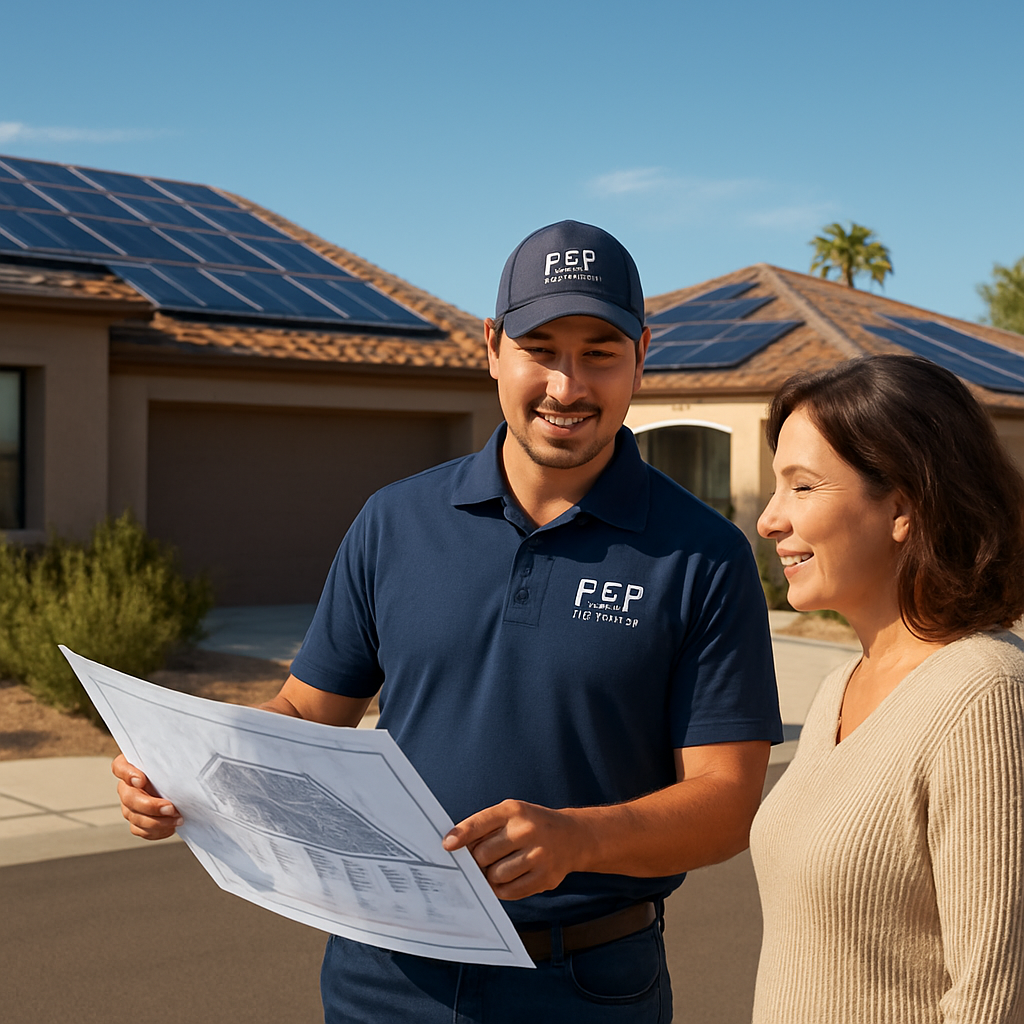
Arizona’s cities each have their own permitting quirks. A Phoenix homeowner might hear about a “solar‑ready” permit, while a Tucson business owner wrestles with a different interconnection form. When the installer lives nearby, they’ve already built relationships with city staff, which translates into fewer back‑and‑forth emails for you.
Imagine you’re in Mesa and you’ve just filed a permit. Instead of waiting weeks for clarification, the local team spots the line‑item the city usually flags and corrects it on the spot. That saves you time, reduces anxiety, and gets the system humming sooner.
2. Shared Benefits Create a Neighborhood Power Pool
Community solar isn’t just a buzzword – it’s a practical way to spread the savings. When a group of homes signs up together, the installer can bundle the design, procurement, and labor, which often drives down the per‑kilowatt cost. Business owners love this too because a clustered commercial project can qualify for larger rebates and bulk‑purchase discounts.
Here’s a quick checklist to see if a neighborhood‑scale install makes sense for you:
- Do at least three neighboring homes or businesses want solar within a 1‑mile radius?
- Is there a homeowner association or business park that can coordinate shared signage and maintenance?
- Can you collectively apply for the state’s 25 % rebate to maximize the cash back?
When those boxes are checked, you’ll often see a 5‑10 % reduction in overall project cost compared to going solo.
3. Ongoing Education Turns Customers into Energy Savvy Partners
Installing panels is only half the battle. The other half is knowing how to get the most out of them. The best solar install company in Arizona runs quarterly webinars, hands‑on workshops, and even neighborhood “solar walk‑throughs” where a tech points out shading issues and shows you how to adjust your thermostat for peak savings.
One of our recent sessions in Phoenix featured a live demo of how a simple thermostat tweak during the hottest hour of the day can shave $30 off a monthly bill. Homeowners walked away feeling empowered – and that empowerment shows up in real dollars on their next statement.
Business owners get similar value. A small‑to‑mid‑size retailer in Chandler learned to schedule high‑energy tasks (like refrigeration defrost cycles) for early afternoon when the panels are at peak output. The result? A 12 % drop in their peak demand charge, which is often the most expensive part of a commercial electric bill.
4. Community‑Focused Service Networks Keep Panels Happy
After the install, the real test begins. A local service hub means a technician can be on your roof within a day, not a week. That matters when dust storms settle a thin layer of grit on the panels – a layer that can knock off 5‑7 % of production if left unchecked.
We’ve seen a fast‑response crew in Glendale replace a cracked cell the same afternoon a hailstorm hit a commercial array. The quick fix kept the system’s output on track and avoided a costly downtime for the business.
5. Community Grants and Incentives Amplify Savings
Many Arizona municipalities offer extra incentives for projects that demonstrate a community impact, such as reduced permitting fees or additional rebate tiers. When you work with a locally rooted installer, they’ll know which city programs you qualify for and can bundle the paperwork for you.
For example, a recent partnership in Scottsdale combined the state’s 25 % rebate with a city‑run “Green Neighborhood” grant, shaving an extra $1,200 off the total cost for a cluster of five homes.
Bottom line: choosing a solar partner that thinks beyond the individual roof turns a good investment into a great one. You get faster approvals, lower costs, real education, and a support team that’s just a short drive away. That’s the kind of community‑focused energy solution that makes a solar install not just a transaction, but a lasting neighborhood benefit.
FAQ
What makes Pep Energy the best solar install company in Arizona for residential homeowners?
We focus on three things that matter most to a homeowner: price clarity, performance, and support. Our quotes break down every line item—permits, interconnection fees, even labor—so there are no surprise costs after the install. We pair Tier‑1 inverters with high‑temperature‑tolerant panels, which lose less than 0.3% efficiency per 10°F rise, keeping your system humming when the Phoenix sun scorches. And if anything pops up, our 48‑hour first‑response window means you’re not left in the dark.
How does the solar financing options work and which one should I pick?
We offer three pathways: an outright purchase, a zero‑down power‑purchase agreement (PPA), and a low‑interest solar loan through a local credit union. If you have cash on hand and want to capture the full tax credit, buying outright gives the biggest long‑term savings. The PPA is great if you want to start saving immediately with no upfront cost—just a flat monthly fee that’s usually lower than your current electric bill. The loan spreads payments over 10‑20 years, often at a sub‑4% APR, so you own the system once it’s paid off. Think about your cash flow, how long you plan to stay in the home, and whether you value ownership or simplicity.
What should I expect during the installation process?
First, we do a quick site assessment—sun‑path analysis, roof inspection, and a shading study. Then we handle all the permitting paperwork; our team knows the quirks of Phoenix, Scottsdale, and surrounding cities, so you won’t be stuck in a bureaucratic loop. On installation day, a crew of 3‑4 technicians usually finishes a typical 6 kW home in 2‑3 days. We’ll walk you through the system, show you how to monitor production, and schedule a post‑install check‑in within a week.
How do I keep my panels performing at peak efficiency in the desert?
Even a thin layer of dust can shave 5‑7% off production, so regular cleaning is key. A soft‑brush brush or a water‑fed system works well—just avoid high‑pressure washers that could damage the glass. Schedule a clean‑up at least twice a year, or more often after dust storms. We also recommend checking the inverter’s readout monthly; if output drops suddenly, it could be a shading issue or a module fault that we’ll address under warranty.
Will my solar system still work during a power outage?
Standard grid‑tied systems shut down automatically for safety, but we can pair your array with a battery storage solution. A 10 kWh battery, for example, can keep a small business running essential loads for up to 8 hours, or let a homeowner run the fridge and lights through a night‑time outage. The battery qualifies for additional state incentives, which can reduce the upfront cost by about 15%.
How do I know if I’m getting a good return on my solar investment?
Start by looking at the projected payback period—most of our residential customers see 5‑6 years based on current utility rates and the 26% federal tax credit plus Arizona’s 25% rebate. Then factor in the lifetime savings: a typical 7.5 kW system can save over $22,000 across a 15‑year loan term. Use our online calculator (or ask for a custom one) to compare the total cost of ownership against your current bill, and you’ll see the numbers line up.
What if I need service after the warranty expires?
Even after the 25‑year product warranty ends, we still offer a maintenance plan that includes annual inspections, cleaning, and discounted parts. Our local service hub means a technician can be on your roof within a day, not a week. If a module does fail outside warranty, we’ll help you source a replacement that matches the original specs, so your system’s performance stays consistent.
Conclusion
After walking through panel efficiency, financing options, and local expertise, it’s clear why finding the best solar install company in Arizona matters more than just the hardware.
We’ve seen homeowners in Phoenix cut their electric bills by half, and small businesses in Mesa keep their POS systems humming through a blackout thanks to smart battery pairing. Those results aren’t magic—they’re the product of a company that knows desert heat, local permits, and the incentives that shave 15‑25 % off upfront costs.
So, what’s the next step? Start with a quick, no‑obligation site assessment. Ask the installer how they handle shading analysis, what warranty coverage looks like after 25 years, and whether they can bundle the state rebate with a financing plan that matches your cash flow.
If the answers feel transparent and the timeline lines up with your move‑in schedule, you’re probably looking at a partner that truly earns the title of the best solar install company in Arizona.
Remember, solar is a long‑term relationship. Keep an eye on production numbers, schedule regular clean‑ups after dust storms, and don’t hesitate to reach out for a maintenance check. A little proactive care turns a solid install into years of reliable, clean energy.
Enjoy the savings and peace of mind.