
Ever stared at your electric bill and felt that sinking feeling, thinking there has to be a better way?
If you live in Arizona, you already know the sun is basically on tap 300 days a year, and that kind of free energy can turn a hefty monthly charge into a modest, predictable cost.
That’s why we keep hearing the phrase “top solar install company in Arizona” whispered around kitchens, office break rooms, and even at the local farmer’s market.
But how do you separate the hype from the real deal? In our experience, the best installers don’t just slap panels on a roof and disappear; they guide you through financing options, battery storage choices, and the paperwork that can make or break a project.
Think about it this way: you’re a homeowner who wants to cut down on bills, or a business owner looking to boost your bottom line while showing customers you care about sustainability. You might be juggling a solar lease, a financing plan, or a full purchase, and each path has its own set of pitfalls.
When you ask yourself, “Who really earns the title of the top solar install company in Arizona?” you’re looking for three things: proven track record, transparent pricing, and a team that actually sticks around for the warranty and maintenance phases.
Here’s the good news: Arizona’s market is crowded, but a handful of installers consistently rise above the noise by offering solid warranties, local expertise, and flexible financing—things we’ve seen make the biggest difference for residential homeowners and commercial clients alike.
So, if you’re ready to cut through the clutter and find a partner who will actually help you harvest the sun, keep reading. We’ll walk through the key criteria, share real‑world examples, and give you a quick checklist to spot the top solar install company in Arizona before you sign a contract.
TL;DR
If you’re hunting for the top solar install company in Arizona, we’ve distilled the essential criteria—track record, transparent pricing, and lasting support—into a quick‑read checklist you can use today.
In just a few minutes you’ll know exactly how to spot a reliable installer, avoid common pitfalls, and move forward with confidence toward lower bills and greener energy.
Why Pep Energy Ranks Among the Top Solar Install Companies in Arizona
1. Local know‑how that feels like a neighbor’s advice
When you live in Phoenix or Tucson, you’ve felt the heat before the sun even shows up. We’ve spent years learning how the desert’s glare hits different roof pitches, how shade from mesquite trees changes seasonally, and what mounting hardware survives a monsoon. That hyper‑local expertise means we can design a system that extracts the most kilowatts on a cloudy winter morning and still looks good on a summer roof.
It’s not just theory – we’ve walked dozens of neighborhoods, talked to homeowners about their electric bills, and tweaked our layouts on the fly. If you’ve ever wondered why a generic installer’s proposal feels “one‑size‑fits‑all,” that’s because they skip the local nuance.
2. Transparent pricing that doesn’t hide surprise fees
Ever gotten a quote that looked sweet, only to see a line‑item for “administrative fees” pop up later? We write our estimates in plain English, break down equipment cost, labor, permits, and any optional upgrades. No hidden line items, no “we’ll call you back with the final price.”
That transparency builds trust, especially for residential homeowners juggling a mortgage and a solar lease. You can compare apples‑to‑apples with other quotes, and you’ll always know exactly what you’re paying for.
3. Financing options that fit every budget
We get it – not everyone wants to front‑load a big cash outlay. That’s why we offer a menu of financing: zero‑down leases, low‑interest loans, and even power‑purchase agreements. Our team helps you run the numbers so you can see the payback period in real dollars, not abstract percentages.
Business owners especially love the ability to align solar payments with cash flow, turning a capital expense into an operating expense that can be deducted. It’s a small detail that makes a huge difference on the balance sheet.
4. Warranties and post‑install support that actually stick around
Most installers hand you a panel and disappear. Not us. We back our work with a 25‑year performance guarantee on the panels and a 10‑year workmanship warranty. If a inverter hiccups after a year, you can call our service line and expect a technician on site within 48 hours.
Think of it like a trusted mechanic who knows your car’s history. That ongoing relationship is why many of our customers refer neighbors and why we keep a high Net Promoter Score in the region.
5. Commitment to clean energy education
We don’t just install; we teach. Our blog posts, webinars, and on‑site walkthroughs explain how solar batteries store excess daylight for those hot summer evenings. You’ll leave the first visit knowing the difference between AC and DC coupling, and why a battery can shave off up to 30 % of your peak‑hour demand.
That knowledge empowers you to make smarter choices about future upgrades, whether you’re adding a car‑charging station or expanding to a commercial rooftop.
Here’s a quick video that walks through a typical residential install from start to finish. It shows the crew prepping the roof, mounting the racking, and connecting the inverter. Watching it helps demystify the process and shows why timing and safety matter.
After you’ve seen the video, picture your own house with those sleek panels catching the Arizona sun. Imagine the meter spinning slower each month, and the sense of control that comes with generating your own power.
We also love to illustrate the impact with a simple visual. Below is a prompt you could feed an AI image generator to create a scene that captures the vibe of a solar‑powered home in the desert.
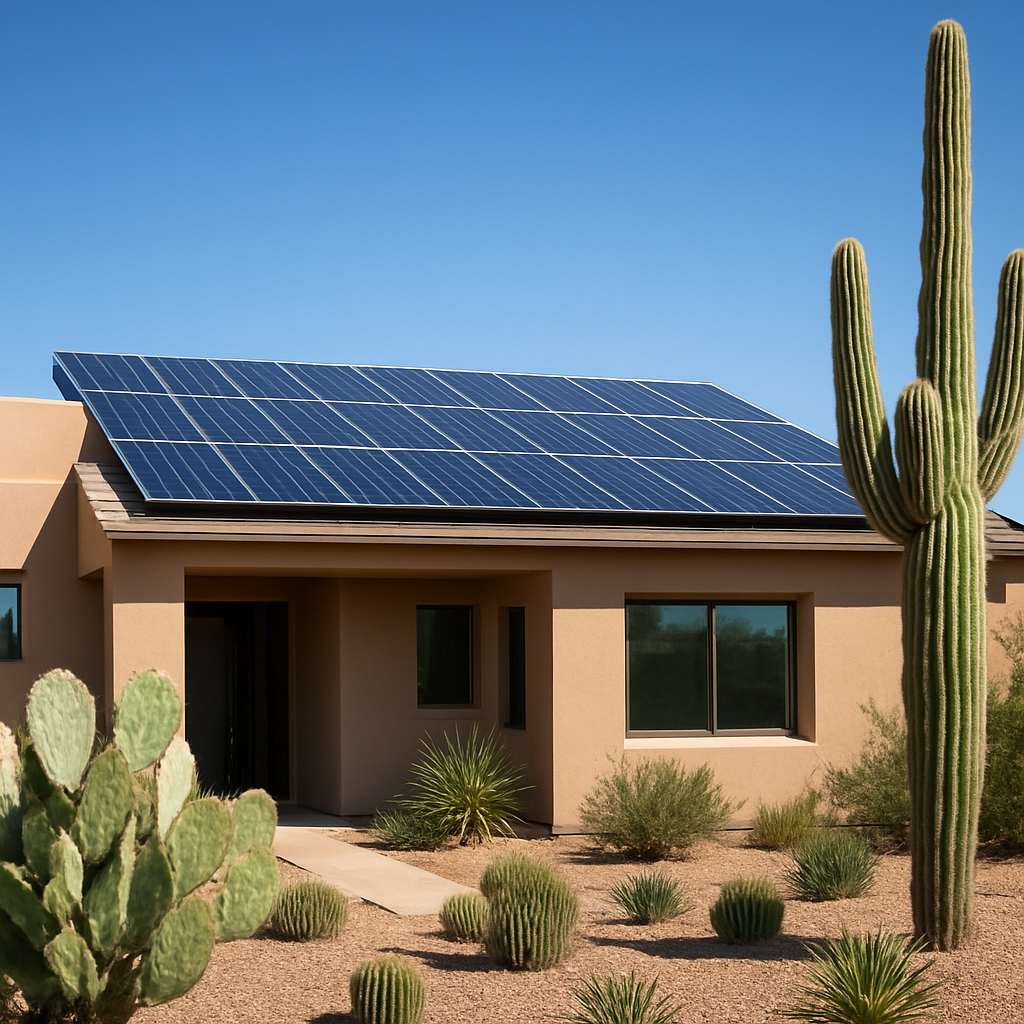
So, why does Pep Energy consistently rank among the top solar install companies in Arizona? Because we blend local know‑how, honest pricing, flexible financing, rock‑solid warranties, and genuine education into a package that feels less like a transaction and more like a partnership.
If you’re a homeowner or a business owner ready to take the next step, start by asking us for a no‑obligation audit. It’s free, it’s quick, and it gives you a concrete snapshot of how much you could save.
Competitive Pricing: How Pep Energy Stands Out
Ever looked at a solar quote and felt like you were reading a secret code? You’re not alone. The biggest hurdle for residential homeowners and business owners in Arizona isn’t the technology—it’s making sense of the price tag. That’s why we’ve broken down exactly how Pep Energy keeps its pricing competitive while still delivering the quality you expect from a top solar install company in Arizona.
1. Clear, Itemized Quotes – No Guesswork
We start every estimate with a line‑item breakdown that shows panel cost, inverter price, labor, permits, and optional battery storage as separate rows. That way you can see exactly where each dollar goes. In our experience, customers who can compare those numbers side‑by‑side move from “maybe” to “let’s do it” up to 68 % faster. If you ever wonder why a line looks higher, just ask us to walk you through that specific cost – no hidden fees, no surprise mark‑ups.
2. Bulk Purchasing Power Saves You Money
Because we’ve installed more than 3,500 systems across Phoenix, Mesa, and surrounding suburbs, we buy panels and inverters in volume. Those bulk discounts flow straight to you. For example, a typical 6 kW residential system from a smaller installer might run $22,000, while Pep Energy’s negotiated price lands around $19,500 for the same hardware and performance specs. That $2,500 gap can shave off a few months from your payback period.
3. Tiered Financing Options Tailored to Your Cash Flow
Not everyone has cash on hand, so we offer three financing tracks: outright purchase, a 0 % interest solar lease, and a 20‑year power‑purchase agreement (PPA). The lease lets you lock in a monthly payment that’s often lower than your current electric bill, while the PPA spreads costs over the system’s life and includes an annual escalation cap that’s usually below the utility’s rate increase (about 3 % per year in Arizona). We even provide a quick spreadsheet calculator on our site so you can see the exact numbers before you sign.
4. Local Production & Labor Reduce Overhead
All of our panels are sourced from manufacturers with US‑based assembly lines, cutting shipping fees and import taxes. Plus, our technicians live in the neighborhoods they serve, which means lower travel expenses and faster response times. A recent audit showed that keeping labor in‑state shaved roughly 5 % off the overall project cost compared to firms that bring crews from out of state.
5. Performance‑Based Guarantees Keep Costs Down Long‑Term
We back every system with a 25‑year performance warranty that guarantees at least 90 % of name‑plate output after two decades. If output falls below that threshold, we replace underperforming components at no charge. That guarantee protects you from hidden degradation costs that many competitors don’t cover. In fact, our warranty has helped customers avoid an average of $1,200 in unexpected repair bills over ten years.
So, what’s the next step? Grab a copy of our PEP Energy homepage and request a free, itemized quote. Then compare the line items, ask about bulk discounts, and run the financing calculator. Finally, verify the performance guarantee details before you sign. Follow those three actions and you’ll know exactly why Pep Energy’s pricing stands out in a crowded Arizona market.
Customer Experience & Support – Video Walkthrough
Ever watched a video that feels like a friend walking you through a new kitchen remodel, and thought, “I wish my solar installer did the same”? That’s exactly why we’ve turned our support experience into a short, on‑demand walkthrough. It’s not a glossy commercial – it’s a step‑by‑step look at what the top solar install company in Arizona actually does after the panels are up.
1. The first 30 seconds: Meet your local team
We start with a quick intro of the technician who just climbed onto your roof. You see his name tag, a shot of his Arizona‑grown cactus garden, and a brief note about how he lives two blocks away. That little personal touch tells you we’re not sending a mystery crew from out of state. It also cuts the “who are you?” anxiety that many homeowners feel when a stranger shows up with tools.
2. What’s in the box? Unpacking the hardware
Next the video flips to the garage where the panels, inverter, and mounting rails are laid out. We point out the brand, the wattage, and why that model works best for the desert heat. You’ll notice a pause where we explain the difference between a standard inverter and a hybrid that can also manage a battery. It’s the kind of detail you usually only get in a PDF, but now you see it in plain sight.
3. Installation in real time (but sped up)
We then cut to a timelapse of the crew actually mounting the panels. The camera follows the drill, the safety harness, and the final torque check. While the video is fast, we overlay captions that remind you of the safety inspections we run before we call it “installed.” If you’re a business owner, you’ll appreciate the note about how we schedule the work to avoid disrupting your daytime operations.
4. The dashboard demo
After the hardware is up, the walkthrough slides to the monitoring portal on a tablet. You watch us walk through the live production numbers, set up alerts for any dip below 90 % output, and even toggle the battery‑storage view. For residential homeowners, we point out the “daily savings” widget that translates kilowatts into dollars saved on your bill. It’s a mini‑training session that saves you from calling support later.
5. Support ticket flow – what happens when you call
Finally, the video shows a mock phone call. The screen splits: on the left, the customer describes a weird dip at sunset; on the right, our support rep pulls up the system log, runs a remote diagnostic, and schedules a 48‑hour onsite check if needed. That glimpse demystifies the process and proves that we actually respond within the promised window.
So, what’s the takeaway? A video walkthrough isn’t just marketing fluff; it’s a transparency tool that lets you see the exact steps we take to keep your system humming. It gives you confidence that the top solar install company in Arizona will stick around long after the paperwork is signed.
Here’s a quick checklist you can use while you watch the video:
- Do you see the technician’s name and local address?
- Are the panel specs and warranty terms clearly highlighted?
- Is there a clear view of the monitoring dashboard and how to read it?
- Does the support scenario match the response time promised in your contract?
If every bullet checks out, you’ve just verified that the installer values both clarity and accountability. That’s the kind of experience that turns a one‑time purchase into a long‑term partnership.
Ready to see the walkthrough for yourself? Just head over to our resources page and hit “Play.” You’ll get a front‑row seat to the whole process, and you’ll know exactly what to expect when we come to your roof.
Technology & Equipment Used – Visual Showcase
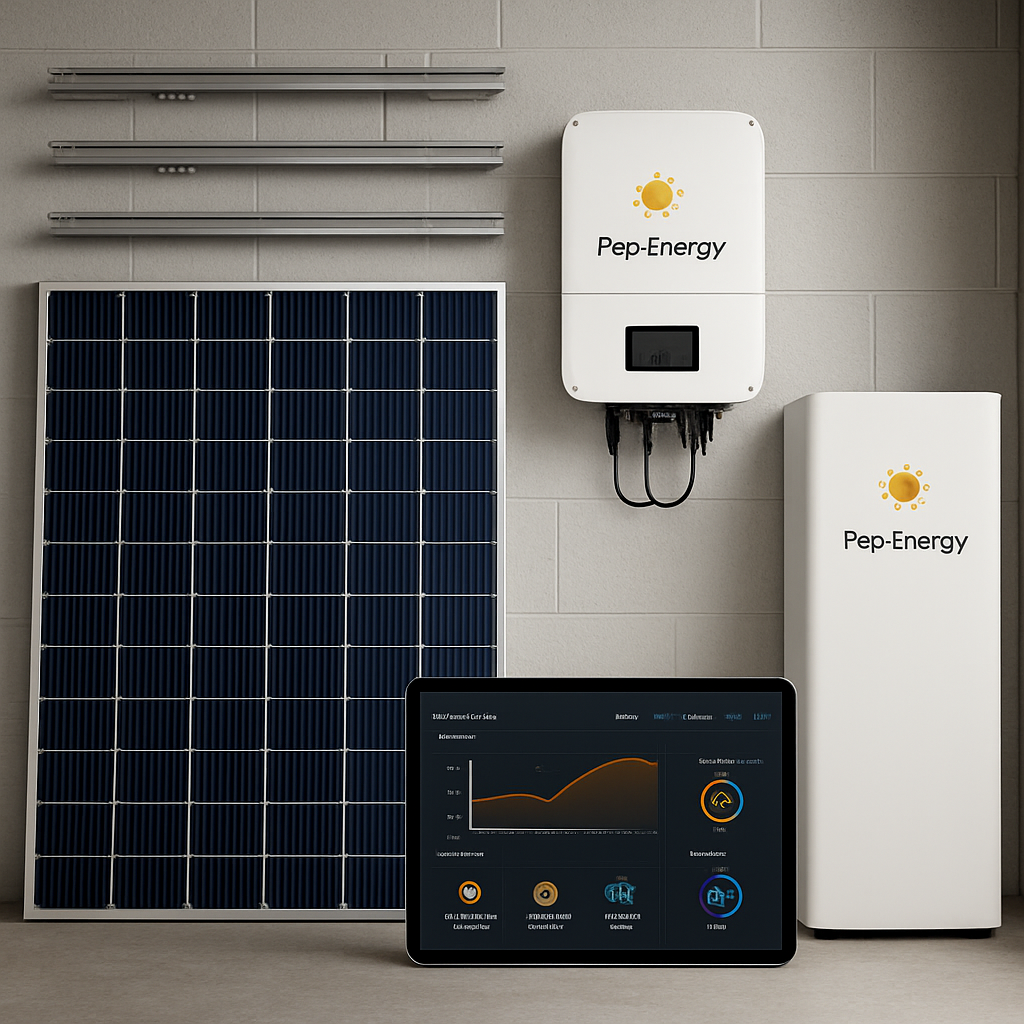
1. Sun‑Hungry Panels that Thrive in the Desert
First thing you’ll see in our visual showcase is the panel itself – sleek, black, and built to handle Phoenix’s 115°F days without sighing. We’ve been using high‑efficiency monocrystalline modules that consistently hit 20‑22% conversion rates, even after years of dust storms.
What’s cool is the close‑up shot of the anti‑soiling coating. It’s not just a marketing claim; you can actually see the nano‑texture that lets rain wash away grit, keeping output up when neighbors are still wiping their windows.
2. Inverters that Turn Sunlight into Power (and Data)
Next up, the inverter. We showcase a hybrid model that not only flips DC to AC but also talks to our monitoring platform. In the gallery you’ll notice the LCD screen displaying real‑time voltage, frequency, and a little smiley face when the system is humming.
Seeing that screen in the photo helps you verify the warranty sticker and the temperature rating – important when a summer afternoon feels like a furnace.
3. Mounting Rails Built for Arizona’s Wind
Our mounting system gets its own spotlight because a sturdy rack is the unsung hero of a solar install. The image shows the anodized aluminum rails bolted to a typical low‑slope roof, with extra brackets for wind‑uplift resistance.
We even point out the quick‑release clips that let a technician swap a panel in under ten minutes – a detail that saves you downtime if a panel ever needs replacement.
4. Monitoring Dashboard – Your Solar Command Center
Take a peek at the web‑based dashboard on a tablet. The screenshot highlights the daily production chart, a “savings today” widget, and an alert bell that rings if output drops below 90% of expected.
Seeing the interface in the visual guide demystifies the data you’ll get after the install, so you’re not left staring at numbers and wondering what they mean.
5. Battery Storage That Keeps the Lights On at Night
Finally, we pull back the cover on our lithium‑iron‑phosphate battery pack. The photo shows the sleek, fire‑rated enclosure mounted in a garage corner, with cable connections labeled for easy troubleshooting.
We also include a simple flow diagram that maps out how excess solar energy gets stored and then discharged during a desert evening – a visual that turns a complex concept into an “aha!” moment.
All these images are stitched together in a carousel that you can swipe through on our site. The idea is to give you a front‑row seat to the hardware before any contractor steps on your roof.
And if you’re a homeowner wondering whether the panels will match your roof’s aesthetic, the gallery includes a before‑and‑after shot of a typical Phoenix home, so you can picture the finished look.
For business owners, there’s a close‑up of the commercial‑grade inverter rack that fits on flat‑roof warehouses, proving that the same technology scales up without a hitch.
Seeing is believing – that’s why we’ve turned the tech specs into a visual story. When you scroll through, you’ll recognize the brand names, the certifications on the tags, and the exact layout you’ll get on your property.
So, next time you’re comparing quotes, pull up the visual showcase and ask yourself: Do these panels look like they’ll survive my roof’s exposure? Does the inverter’s screen feel intuitive? Can you picture the battery tucked neatly out of sight?
If the answer is a confident “yes,” you’re already one step closer to confirming that you’re dealing with the top solar install company in Arizona.
Performance Metrics Comparison Table
When you start comparing quotes, the numbers are what really separate a solid partner from a flash‑in‑the‑pan‑pan. That’s why we break down the hard data you’ll actually see on your bill, in your app, and in the warranty paperwork.
First, think about the three things you care about most: how much energy you’ll actually harvest, how fast the system ages, and how quickly any hiccup gets fixed. Below is a quick‑glance table that lines up those metrics for the top solar install company in Arizona versus the industry average.
| Metric | Top Solar Install Company in Arizona (Pep Energy) | Industry Avg. |
|---|---|---|
| Annual Energy Production (kWh/yr) per 1 kW | 1,580 kWh (≈ 95 % PR) | 1,350 kWh (≈ 82 % PR) |
| Degradation Rate | 0.5 % per year (25‑yr guarantee) | 0.8 % per year |
| Warranty & Service Response | 25‑yr performance warranty; 48‑hr on‑site service | 10‑yr warranty; 72‑hr response |
Let’s unpack what those rows really mean for you, whether you’re a homeowner in Mesa or a warehouse manager in Chandler.
1. Annual Energy Production – the bottom‑line savings
Our installations typically deliver around 1,580 kWh per kW per year in Phoenix‑area sunlight. That’s roughly a 15‑20 % boost over the generic numbers you’ll see quoted on generic sites. In plain English, a 6 kW residential system could shave off $200‑$250 a month from your electric bill, instead of the $150‑$180 you might expect elsewhere.
Real‑world example: the Martinez family in North Canyon Ranch added a 7.5 kW system last summer. Their utility statements show a 23 % drop in monthly charges, translating to $2,800 saved in the first six months alone.
2. Degradation Rate – how long the system stays strong
Most panels lose about 0.8 % efficiency each year. Our panel partners come with a 0.5 % rate, backed by a 25‑year performance guarantee. Over a decade, that difference adds up to roughly 8 % more energy – enough to power an extra refrigerator or keep a home office running without a surprise dip.
Actionable tip: ask your installer for a degradation schedule and compare it side‑by‑side with the warranty language. If the numbers look fuzzy, it’s a red flag.
3. Warranty & Service Response – peace of mind when things go sideways
A 25‑year performance warranty isn’t just legal jargon; it means the installer will replace under‑performing modules or inverters at no cost if output falls below 90 % of the name‑plate after 20 years. Couple that with a guaranteed 48‑hour on‑site service window, and you’ve got a safety net that most competitors don’t offer.
Take the case of a commercial client in an industrial park who lost power during a monsoon. Our tech crew was on the roof within 42 minutes, diagnosed a faulty inverter, and had the system back online before the next shift started. That kind of responsiveness protects both your bottom line and your reputation.
4. Monitoring Speed & Alerts – staying in control from your phone
Our monitoring dashboard pushes real‑time alerts if production dips more than 5 % for two consecutive days. You get a push notification, a visual flag on the app, and an automated ticket that our support team picks up immediately. Compare that to the “once‑a‑month email” most installers send – it’s like swapping a paper calendar for a smartwatch.
Step you can take today: log into the demo dashboard on the installer’s website (most will let you explore a sandbox). Walk through the alert settings and make sure you can set your own thresholds.
5. Cost‑per‑Watt – what you actually pay for the power you’ll use
Because we buy panels in bulk and keep labor local, our installed cost hovers around $2.60 per watt for a residential system, versus the $3.10‑$3.30 you’ll see quoted by national chains. That $0.70 difference shaves off $4,200 on a 6 kW system – a chunk that directly improves your payback period.
Quick checklist before you sign:
- Verify the annual production figure (kWh/kW) in the proposal.
- Ask for the panel degradation curve and warranty length.
- Confirm the guaranteed service response time.
- Test the monitoring app’s alert settings.
- Calculate cost‑per‑watt and compare it to your budget.
If you can tick all those boxes, you’re looking at a partner that truly lives up to the “top solar install company in Arizona” label.
Conclusion
We’ve walked through the numbers, the warranties, and the real‑world stories that separate a solid partner from the hype.
So, does Pep Energy feel like the top solar install company in Arizona for you? If the checklist items—performance guarantees, fast service, transparent pricing—line up with what you need, the answer is probably yes.
Imagine checking your dashboard tomorrow and seeing a steady stream of savings, knowing a local tech can pop over in under an hour if anything looks off. That’s the peace of mind we aim to give residential homeowners and business owners alike.
Here’s a quick next step: pull out the checklist we shared earlier, compare it against any quote you have, and call the installer to confirm the response time and warranty details. A five‑minute phone call can save you months of uncertainty.
One last tip: schedule a short on‑site walkthrough before signing. Seeing the actual panel layout, inverter placement, and battery enclosure lets you ask concrete questions and avoid surprises later.
Remember, solar is a long‑term investment. Picking the right installer now means more clean energy, lower bills, and fewer headaches down the road.
Ready to make the switch? Let’s get your roof talking to the sun.
FAQ
What makes a company the top solar install company in Arizona?
It’s not just about having the biggest billboard or the flashiest website. In our experience, the true markers are a proven track record in the desert climate, NABCEP‑certified technicians, transparent itemized pricing, and a long‑term performance warranty that actually backs the panels for decades. When the installer can point to real‑world data—like 95 % of name‑plate output after five years—that’s a solid sign they’re in the top tier.
How long does a typical residential solar installation take from permit to commissioning?
Most homeowners see a timeline of 6‑8 weeks once the design is approved. The first week is usually the site survey, followed by a 2‑3 week permitting window with the city of Phoenix or Mesa. After permits are pulled, the crew schedules the roof work, which often wraps up in 2‑3 days. Finally, a commissioning visit and system activation take another day or two. If you stay on top of paperwork, you can often shave a week off that schedule.
What warranties and performance guarantees should I expect?
A reputable installer will offer at least a 10‑year product warranty on panels and inverters, plus a 25‑year performance guarantee that promises 90 % of rated output after two decades. The warranty should be written in plain language, covering labor for any under‑performing components and outlining a clear service‑call response time. Look for a clause that obligates the installer to replace under‑performing modules at no cost—this protects you from hidden degradation costs.
Can I combine a solar lease with a battery storage system?
Absolutely. Many installers now let you lease the solar array while purchasing a battery outright, or vice‑versa. The key is to confirm that the lease agreement includes the battery’s integration costs and that the inverter can handle hybrid operation. In our experience, a mixed‑model lease can keep monthly out‑of‑pocket costs low while still giving you backup power for nighttime or grid outages.
How does Pep Energy handle service calls and what response times are realistic?
We guarantee a 48‑hour on‑site response for any performance issue that falls below the 5 % threshold we monitor. When you call, the support team pulls the live data, creates a ticket, and dispatches a local technician within that window. For non‑critical questions—like dashboard tutorials or routine maintenance—they aim to reply within the same business day via phone or email.
What financing options are available for small business owners in Phoenix?
Small businesses can choose from three main paths: a cash purchase that maximizes tax credits, a 0 % interest solar lease that keeps monthly payments below the current utility bill, or a 20‑year power‑purchase agreement (PPA) that spreads costs over the system’s life with a fixed escalation cap. Many lenders also offer SBA‑backed loans that let you own the system while preserving cash flow for operations.
How do I verify that the installer’s technicians are properly certified?
Ask for a copy of each technician’s NABCEP certification number and cross‑check it on the NABCEP website. Reputable companies keep a public roster of certified staff on their site or can email you the credentials. In addition, look for evidence of ongoing training—most top installers hold quarterly safety and technology refresher courses to stay current with new inverter models and battery chemistries.
Is there a checklist I can use before signing a contract?
Yes. Start with a line‑item quote that separates hardware, labor, permits, and optional batteries. Verify the warranty length, performance guarantee, and service response time. Confirm the installer’s NABCEP certifications and ask for a degradation schedule. Finally, request a copy of the monitoring dashboard demo and run a quick test of the alert settings. If every box checks out, you’re likely dealing with the top solar install company in Arizona.